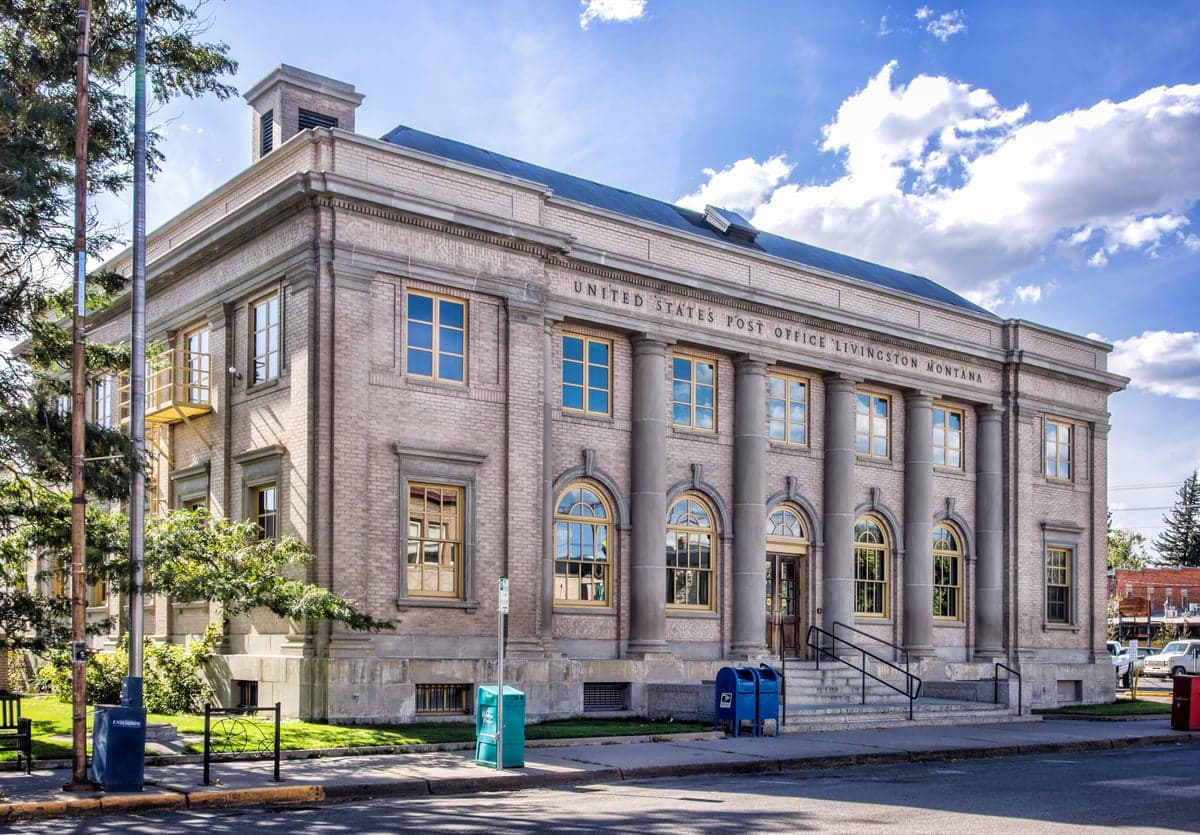
Photo: Wikipedia
Quality of Life in Park County
A livable area that tracks near national norms for affordability, walkability, and neighborhood health.
What does Quality of Life tell us?
Quality of Life measures an area by evaluating factors like cost of living, nearby amenities, country club access, airport proximity, socioeconomic signals and neighborhood character. For large states, this is a general average — quality of life can vary dramatically between metro areas, suburbs, and rural communities within the same state.
What does this tell us?
Quality of Life measures an area by evaluating factors like cost of living, nearby amenities, country club access, airport proximity, socioeconomic signals and neighborhood character. For large states, this is a general average — quality of life can vary dramatically between metro areas, suburbs, and rural communities within the same state.
Cost of Living
9% above national average
54%
The Real Cost of Living in Park County for 2026
| Tier | Individual | Family (4) |
|---|---|---|
| Survival | $15k | $28k |
| Comfortable | $83k | $123k |
| Luxury | $120k+ | $187k+ |
| Elite (Top 5%) | $160k+ | $248k+ |
Quality-of-Life Analysis
Park County, Montana, offers a spectrum of living environments that range from the tourist-oriented, amenity-rich town of Livingston to remote, high-elevation ranches and small, unincorporated crossroads. The county’s character is shaped by its position at the northern edge of the Yellowstone ecosystem, drawing outdoor recreationists, second-home owners, and remote workers who value proximity to wilderness, while its agricultural and railroad history anchors a more traditional, working-class population in the rural valleys.
Largest town(s) & population centers
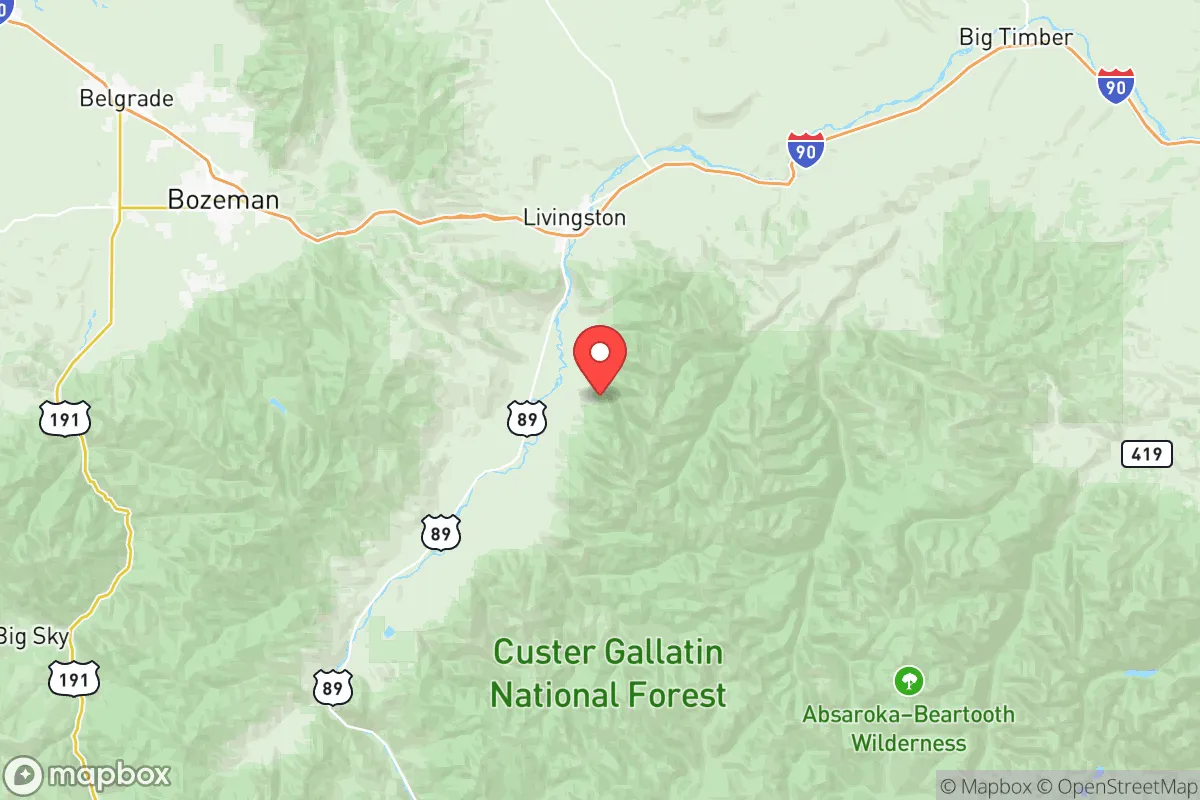
Livingston is the county seat and the only incorporated city, home to roughly 8,000 residents. Daily life here centers on a walkable downtown of historic brick buildings housing art galleries, fly-fishing outfitters, breweries, and the iconic Murray Bar. The town serves as a service hub for the surrounding ranches and the Paradise Valley corridor. Livingston has a distinct cultural identity, with a mix of long-time railroad families, artists, and wealthy newcomers renovating Victorian homes. The average commute in the county is 24.6 minutes, a figure that reflects both Livingston residents driving to jobs in Bozeman (40 minutes west) and rural residents commuting into Livingston. The only other significant population node is the unincorporated community of Emigrant, which functions as a bedroom community and gateway to Chico Hot Springs, but lacks the municipal services and retail density of Livingston.
Smaller towns & rural pockets
Beyond Livingston, the county’s settlement pattern is defined by the Yellowstone River corridor and the Absaroka-Beartooth front. Pray, Montana (population under 100) sits at the end of the Paradise Valley, directly north of Yellowstone National Park’s Gardiner entrance, and consists almost entirely of high-end guest ranches, vacation homes, and the historic Yellowstone River Inn. Gardiner is technically in Park County but is the southernmost town, straddling the Montana-Wyoming line; it is a year-round tourist service town with a handful of restaurants, outfitters, and the Roosevelt Arch entrance to Yellowstone. Wilsall, in the Shields Valley east of Livingston, is a tiny agricultural hamlet (population ~200) with a general store, a post office, and a strong ranching identity. Cooke City, a remote mining-turned-tourism outpost at the northeast entrance to Yellowstone, is accessible only via the Beartooth Highway (closed in winter) and has a population that fluctuates from roughly 100 in winter to several hundred in summer. The rural areas between these towns consist of large cattle ranches, Bureau of Land Management parcels, and national forest land, with homes often set miles apart on gravel roads.
Cost & lifestyle range
The cost of living index for Park County is 109, nine points above the national average, but this figure masks extreme internal variation. At the high end, the Paradise Valley corridor (south of Livingston toward Pray and Gardiner) has seen explosive real estate growth. Median home value countywide is $429,700, but in Paradise Valley, prices routinely exceed $1 million for a modest cabin on a few acres, driven by demand from out-of-state buyers seeking views and Yellowstone access. At the lower end, the Shields Valley around Wilsall and the more remote areas near Cooke City offer older, smaller homes and manufactured housing for under $300,000, though inventory is scarce. Median rent is $927, which is relatively affordable compared to Bozeman (where median rent exceeds $1,500), but rental availability in Park County is extremely tight, especially in Livingston. Lifestyle differences are stark: Livingston offers restaurants, a grocery store, a hospital, and a library; Emigrant has a gas station and a café; Wilsall has a general store and little else; Cooke City is effectively cut off from services for half the year. Residents in the rural pockets must drive 30–60 minutes for groceries, medical care, or school, while Livingston residents can walk to most daily needs.
Park County best suits people who prioritize outdoor recreation and solitude over urban convenience. Remote workers with reliable internet (available in Livingston and parts of Paradise Valley, but spotty in the Shields Valley and Cooke City) can take advantage of the lower rent and home prices compared to Bozeman. Retirees and second-home owners are drawn to the Paradise Valley’s scenery and proximity to Yellowstone. Traditional ranchers and service workers, who have lived in the county for generations, face increasing pressure from rising land values and property taxes, but the county’s strong sense of community and low crime rates remain a draw for those willing to trade amenities for space and natural beauty.

Crime in Park County
Generally safer than 57% of comparable U.S. locations.
Violent CrimeViolent Crime Analysis
Property CrimeProperty Crime Analysis
Crime Analysis
Park County, Montana, presents a mixed safety profile that combines a violent crime rate slightly above the national average with a property crime rate that significantly exceeds both state and national benchmarks. With a violent crime rate of 419.9 per 100,000 residents and a property crime rate of 1,463.9 per 100,000, the county's overall safety picture is heavily influenced by its largest population center, Livingston, while smaller communities like Clyde Park and Gardiner generally report fewer incidents. The county's proximity to Yellowstone National Park and its role as a regional hub for commerce and tourism contribute to crime patterns that differ markedly from Montana's more rural counties.
Crime in context
Park County's violent crime rate of 419.9 per 100,000 is roughly 20% higher than the national average of approximately 380 per 100,000 and notably above Montana's statewide rate of about 350 per 100,000. The property crime rate of 1,463.9 per 100,000 is nearly 30% above the national average of roughly 1,100 per 100,000 and significantly higher than Montana's statewide property crime rate of approximately 1,200 per 100,000. These elevated figures are driven primarily by incidents in Livingston, which accounts for over 60% of the county's population and a disproportionate share of reported crimes. By contrast, the smaller towns of Clyde Park and Gardiner report far lower per-capita crime rates, with Gardiner's seasonal tourism population creating temporary spikes in theft and vandalism during summer months. The county's judicial district, the Sixth Judicial District, covers Park and Sweet Grass counties, and while local prosecutors in Livingston maintain a generally conservative approach to violent crime, progressive-leaning policies in neighboring Bozeman's Gallatin County have been known to influence regional sentencing patterns through shared correctional resources.
What residents experience
Residents of Park County most frequently encounter property crimes—particularly theft from vehicles, burglary of vacation homes, and vandalism—rather than violent confrontations. The property crime rate of 1,463.9 per 100,000 translates to roughly 1 in 68 residents experiencing a property crime annually, a figure that jumps significantly for Livingston residents compared to those in rural areas like Emigrant or Pray. Violent crime, while less common, is concentrated in Livingston's downtown core and along the Interstate 90 corridor, where drug-related offenses and assaults are more frequent. The county's clearance rate for violent crimes hovers around 45%, slightly below the national average, partly due to limited law enforcement resources across the county's 2,800 square miles. The Park County Sheriff's Office, which patrols unincorporated areas, and the Livingston Police Department both face challenges with staffing and response times in remote areas, particularly during winter months when road conditions can delay emergency services by 30 minutes or more in places like Jardine or the Paradise Valley.
Neighborhood-level safety varies considerably within Park County. Livingston's historic district, while popular with tourists, sees higher rates of petty theft and public intoxication, particularly during the summer festival season. The residential neighborhoods east of the Yellowstone River in Livingston are generally considered safer, with lower incident rates for both violent and property crimes. Clyde Park, a small agricultural community of roughly 500 residents, reports virtually no violent crime and property crime rates below 500 per 100,000. Gardiner, as the northern gateway to Yellowstone, experiences seasonal spikes in theft from vehicles and minor property damage, but its year-round violent crime rate remains well below the county average. For families and retirees seeking the safest environments, the rural subdivisions south of Livingston along the Yellowstone River and the community of Emigrant offer the lowest crime rates in the county, though residents should still exercise standard precautions against property crime common to Montana's mountain communities.
* Values derived from national, state, county, city and local statistics and may differ in a specific area. Last updated: 2026-07-03T02:35:25.000Z
Narrative content on this page is AI-generated and may contain mistakes. Verify any details that matter before acting on them.
ReloMaps may earn a commission from affiliate links at no extra cost to you.

