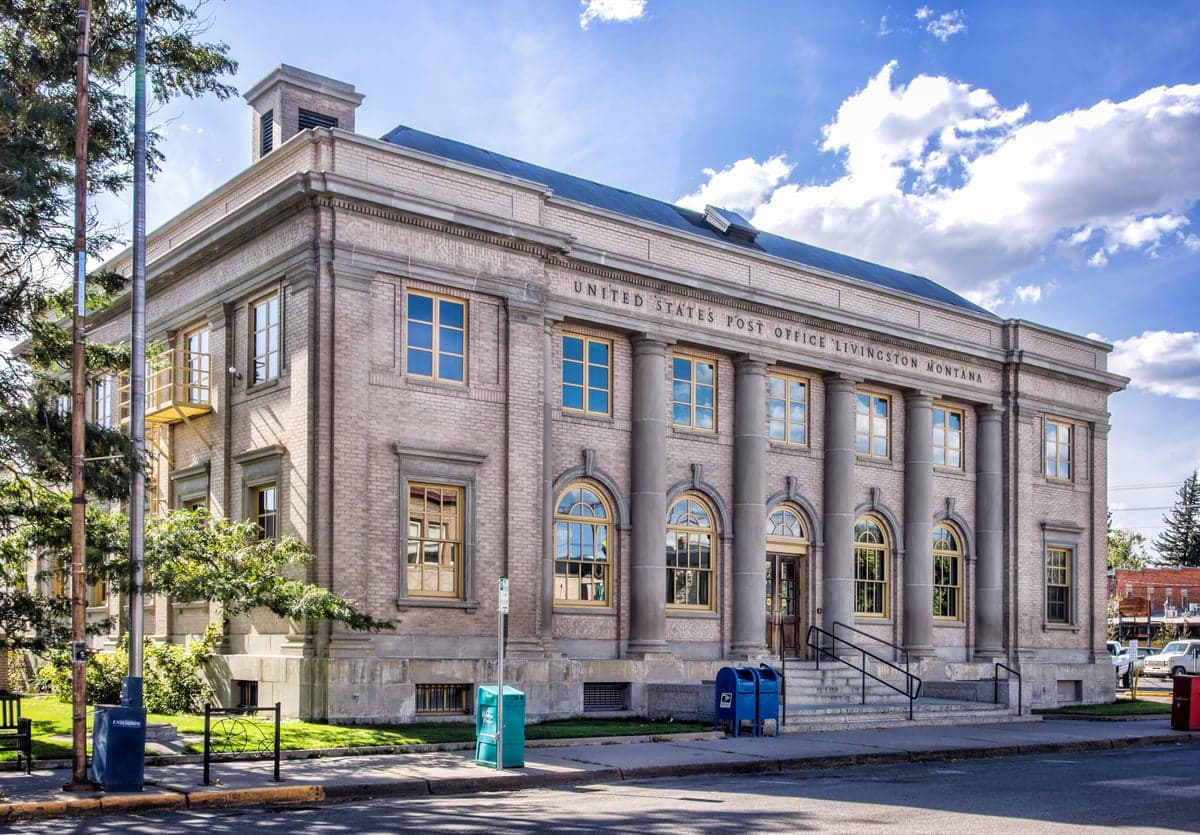
Photo: Wikipedia
Find The Best Places To Live in Park County
PRO TIP! You can paste a Zillow or Redfin link to get info on that property.
Best Places to Live in Park County
Cities & Towns in Park County
Cities in Park County
What It's Like Living in Park County, MT
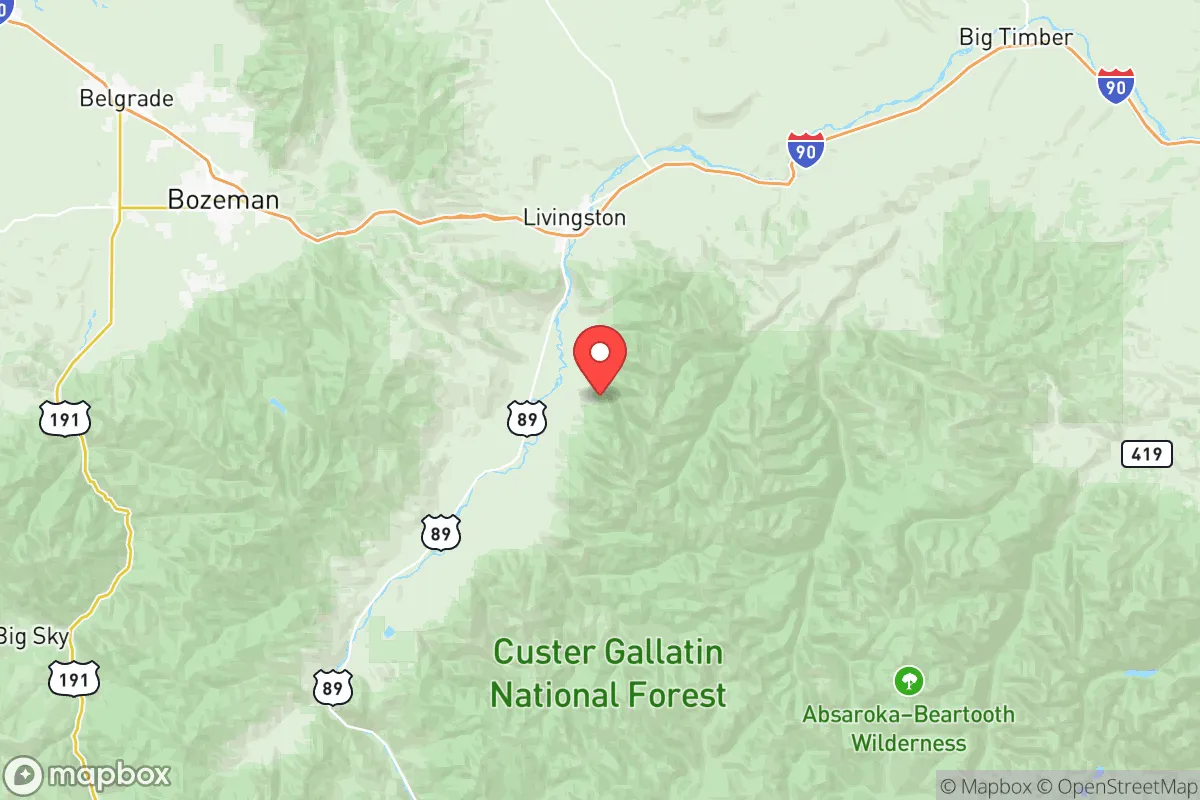
Living in Park County, Montana means trading strip-mall convenience for a landscape that demands your attention—the Absaroka-Beartooth Wilderness looms to the south, the Yellowstone River cuts through the valley, and the sky feels bigger than anywhere else. The county’s 17,484 residents are spread across Livingston (the only real city), the smaller towns of Clyde Park and Gardiner, and a scattering of rural subdivisions where elk outnumber neighbors. It’s a place for people who don’t mind driving 25 minutes for groceries, who value quiet over nightlife, and who accept that winter isn’t a season—it’s a lifestyle.
Daily Rhythm in Livingston and Beyond
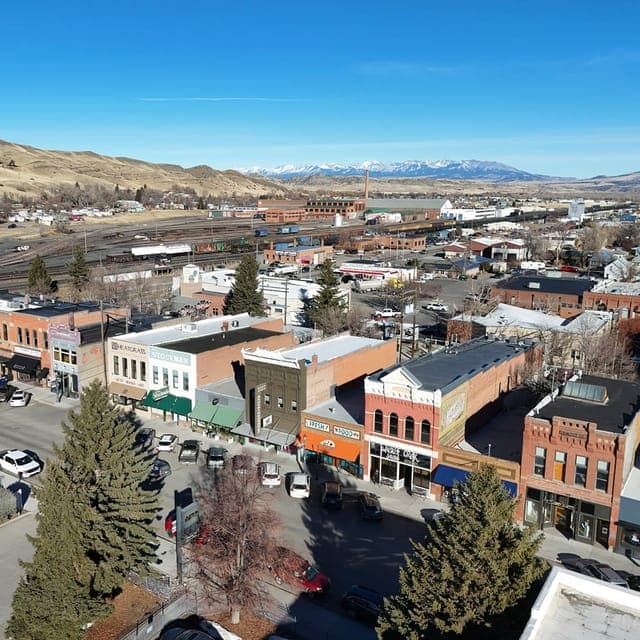
Most daily life revolves around Livingston, the county seat and the only place with a full grocery store, hardware shop, and a handful of restaurants that stay open past 8 PM. People commute an average of 25 minutes, but that number hides the reality: a trip from Clyde Park to Livingston takes 20 minutes on a good day, and from Gardiner it’s a solid 45-minute drive through the Paradise Valley. The median age of 46.2 reflects a population that skews older—many are retirees drawn by the fly-fishing and the quiet, or remote workers who traded a Bozeman mortgage for a home here. Families are present but fewer; the local schools in Livingston and Gardiner are small enough that teachers know every kid’s name, and Friday-night football at Livingston High School’s Ranger Stadium is the biggest social event of the week in fall.
For those who work locally, the economy leans on tourism (Yellowstone National Park’s north entrance at Gardiner), healthcare (Livingston HealthCare is the largest employer), and agriculture—cattle ranches still dot the Shields River Valley near Clyde Park. The median household income of $66,607 is modest compared to Bozeman’s, but it goes further here because housing, while not cheap, is less insane. The median home value of $429,700 still feels steep for a county with few amenities, but it’s a bargain compared to Gallatin County’s $700,000-plus. The cost of living index of 109 means you’ll pay a bit more for everything—groceries, gas, and especially heating oil in winter—but not catastrophically so.
What People Actually Do for Fun
Outdoor recreation isn’t a hobby here; it’s the default answer to “what should we do this weekend?” The Yellowstone River runs right through Livingston, and locals spend summer evenings floating it in inner tubes or casting for trout from the banks. In winter, the focus shifts to skiing at Bridger Bowl (40 minutes north) or snowmobiling on the Beartooth Highway near Cooke City. Hiking trails like Pine Creek Falls or the Paradise Valley’s Emigrant Peak are packed on summer Saturdays, but you can still find solitude on a weekday. Gardiner, the only town with a year-round entrance to Yellowstone, sees a constant stream of bison jams and tourists, but locals know the backcountry routes that bypass the crowds.
When the weather turns—and it will, with winter temps often below zero and summer highs rarely topping 85—people gather indoors. The Murray Bar in Livingston is the unofficial living room of the county, a dive with live music most weekends and a pool table that’s seen decades of arguments. The Pine Creek Lodge, just south of town, hosts summer concerts that draw acts like Shakey Graves and The Wood Brothers. For a quieter night, the Livingston Depot Center shows indie films and hosts art openings, and the Yellowstone Gateway Museum offers a deep dive into the area’s railroad and ranching history. The biggest annual event is the Livingston Roundup Rodeo in July, a four-day affair that fills every motel room and has locals lining Main Street for the parade.
Sports, Community, and the School Factor
High school sports are the main event. Livingston High School’s football and basketball teams draw crowds that rival small-college games, and the rivalry with Bozeman is genuine—kids grow up hating the Hawks. There’s no college or pro team within 100 miles, so the community pours its energy into the Rangers and the Gardiner Bruins. The schools themselves are a mixed bag: Livingston’s elementary and high schools are solid but underfunded, with class sizes around 20, while Gardiner’s K-12 school is so small that the graduating class often numbers under 20. For families, the schools are a reason to stay or leave—some move to Bozeman for better options, while others appreciate the close-knit environment where every parent volunteers.
The cultural quirks are real. Park County leans conservative, but not in a loud way—it’s more about self-reliance and a distrust of government than partisan bumper stickers. The violent crime rate of 419.9 per 100,000 is higher than the national average, but almost all of it is concentrated in Livingston’s small downtown area and involves people who know each other; property crime (theft from cars, shed break-ins) is the bigger annoyance for most residents. The biggest frustration locals voice is the lack of variety—there’s one movie theater, one Walmart, and a handful of restaurants that rotate through the same menus. For a nice dinner, you’re driving to Bozeman or cooking at home. The trade-off is that you can be on a trailhead in 10 minutes, and your neighbors will help dig your truck out of a snowdrift without being asked.

* Values derived from national, state, county, city and local statistics and may differ in a specific area. Last updated: 2026-07-03T02:35:25.000Z
Narrative content on this page is AI-generated and may contain mistakes. Verify any details that matter before acting on them.
ReloMaps may earn a commission from affiliate links at no extra cost to you.

