Photo: Wikipedia
Quality of Life in Fergus County
A livable area that tracks near national norms for affordability, walkability, and neighborhood health.
What does Quality of Life tell us?
Quality of Life measures an area by evaluating factors like cost of living, nearby amenities, country club access, airport proximity, socioeconomic signals and neighborhood character. For large states, this is a general average — quality of life can vary dramatically between metro areas, suburbs, and rural communities within the same state.
What does this tell us?
Quality of Life measures an area by evaluating factors like cost of living, nearby amenities, country club access, airport proximity, socioeconomic signals and neighborhood character. For large states, this is a general average — quality of life can vary dramatically between metro areas, suburbs, and rural communities within the same state.
Cost of Living
26% below national average
103%
The Real Cost of Living in Fergus County for 2026
| Tier | Individual | Family (4) |
|---|---|---|
| Survival | $14k | $26k |
| Comfortable | $39k | $58k |
| Luxury | $98k+ | $152k+ |
| Elite (Top 5%) | $115k+ | $179k+ |
Quality-of-Life Analysis
Fergus County, Montana offers a quality-of-life spectrum that spans from the modest commercial hub of Lewistown to remote, unincorporated ranching communities, attracting everyone from remote workers seeking low costs to agricultural families rooted in generations of land stewardship. The county’s overall cost of living index sits at 74 (26% below the U.S. average), with a median home value of $202,700 and median rent of $868, making it one of the more affordable rural counties in the state. The average commute of just over 18 minutes reflects the compact nature of its population centers and the short drives between work, school, and open country.
Largest town(s) & population centers
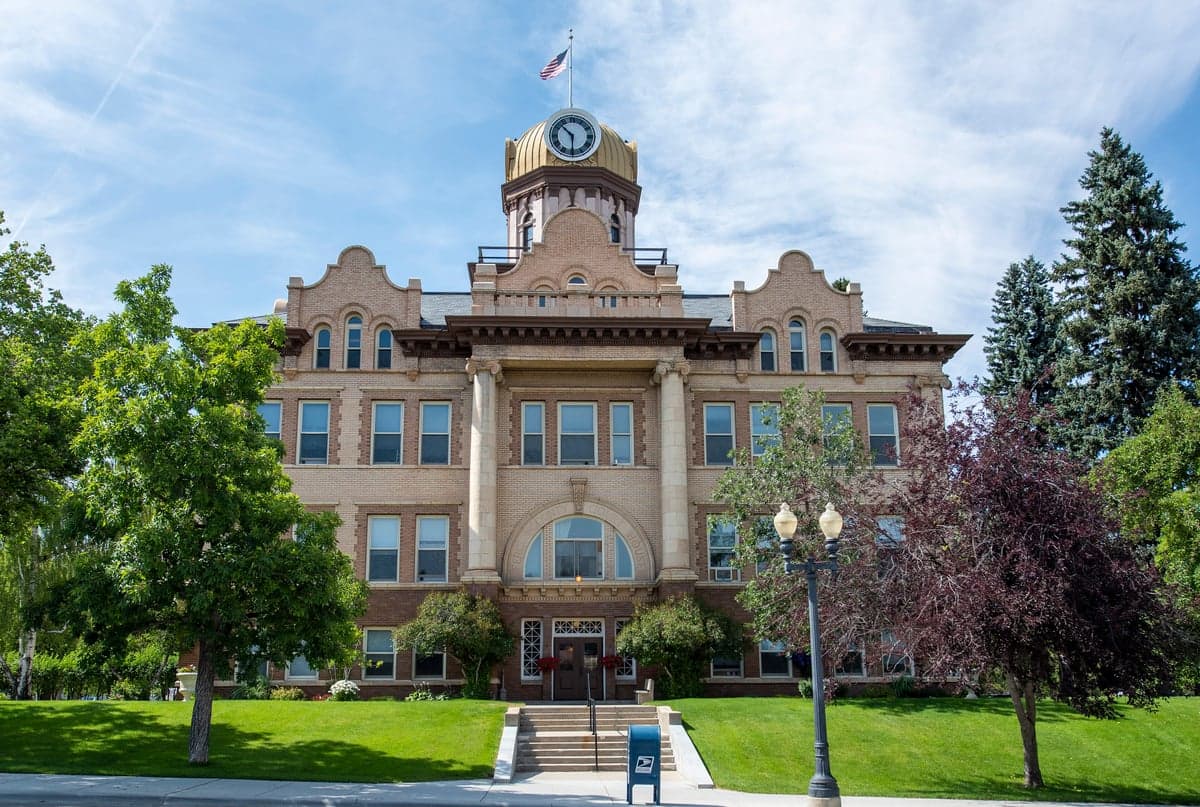
Lewistown, the county seat and only incorporated city, anchors Fergus County with a population of roughly 5,900. Daily life here centers on a walkable downtown with historic brick storefronts, local cafes, and the Fergus County Courthouse. The town hosts the Central Montana Medical Center, a regional hospital, and Charles M. Russell High School, which serves as the area’s primary secondary school. Lewistown offers the county’s widest range of amenities: grocery stores, a public library, a community pool, and the Lewistown Municipal Airport with daily flights to Billings. Residents here tend to be a mix of retirees, government employees, and professionals in healthcare and education, drawn by the town’s relative self-sufficiency and the nearby Big Snowy Mountains for recreation.
Smaller towns & rural pockets
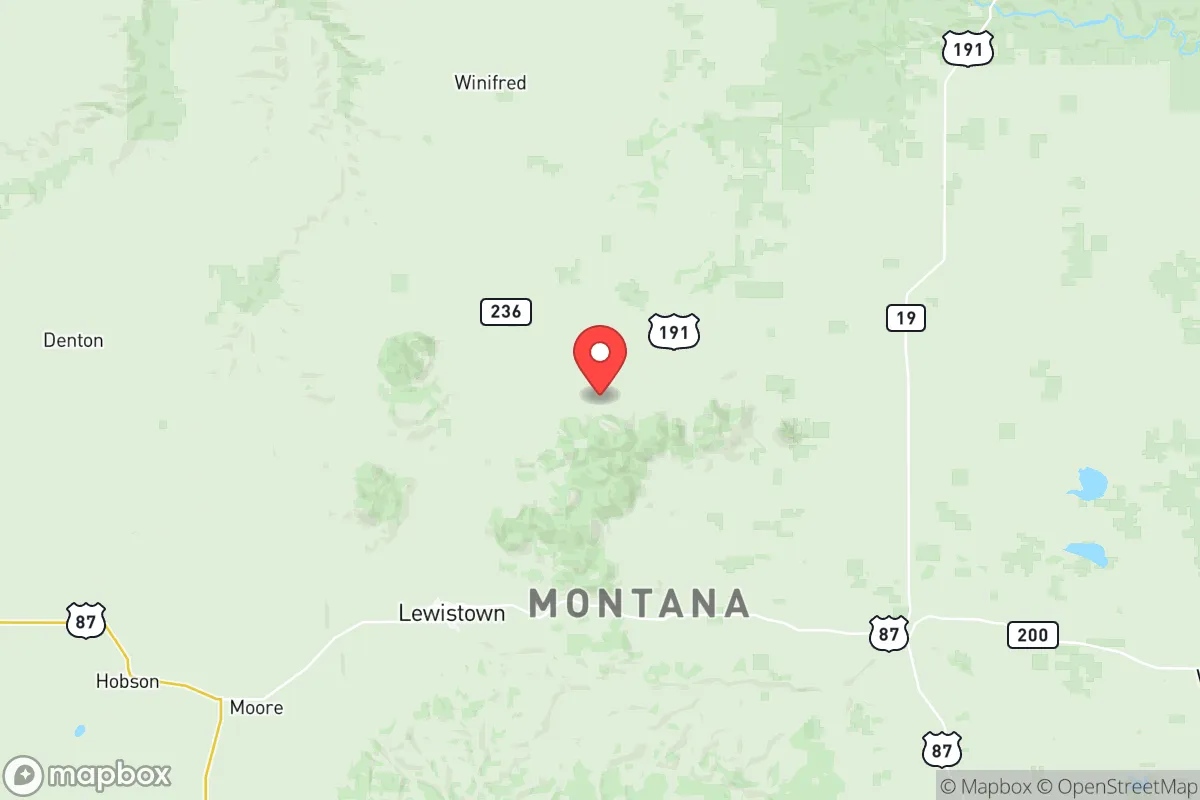
Outside Lewistown, Fergus County’s smaller communities offer a quieter, more isolated lifestyle. Denton (pop. ~250) sits 25 miles west of Lewistown along U.S. Highway 87, with a single gas station, a post office, and a K-12 school that serves the surrounding ranch families. Grass Range (pop. ~110) lies 30 miles southeast, a former railroad stop now known for its proximity to the Charles M. Russell National Wildlife Refuge and the Missouri River Breaks. Winifred (pop. ~200) is 40 miles northeast, a tight-knit agricultural community with a grain elevator and a small park. Hilger and Roy are unincorporated places where population density drops below one person per square mile; these areas consist almost entirely of working cattle ranches and seasonal hunting camps. Life in these pockets demands self-reliance—the nearest hospital or full grocery store is always a 30- to 60-minute drive away.
Cost & lifestyle range
The cost spread across Fergus County is narrow compared to urban areas, but real differences exist. At the lower end, a small home or fixer-upper in Denton or Grass Range can sell for $120,000 to $150,000, with rental options scarce but often under $700 per month. These areas offer the lowest overhead but minimal employment beyond agriculture or remote work. At the higher end, Lewistown’s newer subdivisions and historic homes near the golf course command $250,000 to $350,000, with rentals averaging $868. The lifestyle gap is primarily about access: Lewistown residents can walk to a pharmacy or sit-down restaurant, while a family in Winifred must plan weekly supply runs. Utility costs are slightly higher in rural pockets due to well water, septic systems, and propane heating, though property taxes remain low countywide—typically under 0.6% of assessed value.
Fergus County best suits those who value affordable land, low crime, and outdoor access over urban convenience. Remote workers with stable internet (Starlink is common in rural areas) find the cost of living freeing, while ranchers and retirees appreciate the quiet and the short commute to Lewistown for essentials. Families should weigh the trade-off: Lewistown offers a solid K-12 system and extracurriculars, but smaller communities like Denton or Grass Range mean longer bus rides and fewer peers. For anyone comfortable with a 20-minute drive to the nearest coffee shop, Fergus County delivers a quality of life that is both economically sustainable and deeply connected to Montana’s open landscape.

Crime in Fergus County
Generally safer than 57% of comparable U.S. locations.
Violent CrimeViolent Crime Analysis
Property CrimeProperty Crime Analysis
Crime Analysis
Fergus County, Montana, reports a violent crime rate of 422.6 per 100,000 residents and a property crime rate of 1,468.1 per 100,000, placing it above the national average for violent offenses but near the state median for property crimes. The county’s overall safety picture is shaped by a mix of small-town communities like Lewistown, the county seat and largest population center, and more remote areas such as Grass Range, Roy, and Denton. While Lewistown accounts for the majority of reported incidents, the county’s rural character means crime is often concentrated in specific locations rather than spread evenly.
Crime in context
Fergus County’s violent crime rate of 422.6 per 100,000 is roughly 20% higher than the national average of 380 per 100,000 and significantly above Montana’s state average of approximately 350 per 100,000. Property crime, at 1,468.1 per 100,000, is slightly below the national average of 1,954 per 100,000 but aligns closely with Montana’s statewide rate of about 1,500 per 100,000. These figures place Fergus County in a middle tier among Montana’s 56 counties—more dangerous than rural counties like Petroleum or Garfield, but safer than urban centers like Yellowstone County (Billings) or Missoula County. The county’s crime index is driven primarily by aggravated assault and larceny-theft, with homicide and robbery remaining rare events.
What residents experience
Residents in Fergus County most frequently encounter property crimes such as theft from vehicles, burglary of unoccupied structures, and vandalism, particularly in Lewistown’s downtown and residential neighborhoods near the railroad corridor. Violent crime is less common but tends to involve domestic disputes or alcohol-related altercations, with the county sheriff’s office reporting that over 60% of violent incidents occur between individuals who know each other. The judicial system in Fergus County operates under the 10th Judicial District, which covers a conservative-leaning area; local prosecutors and judges generally take a firm stance on violent offenses, with conviction rates for aggravated assault exceeding 85% in recent years. This contrasts with more progressive jurisdictions in larger Montana cities like Missoula or Bozeman, where district attorneys have adopted diversion programs and reduced sentencing for certain violent crimes—a trend that critics argue undermines public safety by releasing repeat offenders back onto the streets. In Fergus County, by contrast, the emphasis on accountability means that residents face lower risks from recidivist offenders than in areas with lenient judicial philosophies.
Neighborhood-level variation
Crime in Fergus County is not uniform. Lewistown, with roughly 5,900 residents, sees the highest concentration of both violent and property crimes, particularly in the blocks surrounding Main Street and the city’s public housing areas. The unincorporated communities of Grass Range and Roy report virtually no violent crime and property crime rates below 200 per 100,000, reflecting their small populations and tight-knit social structures. Denton and Hilger, both farming hamlets, also maintain low crime profiles, though theft of agricultural equipment and fuel occurs seasonally. For newcomers, the safest housing options are typically in Lewistown’s outlying subdivisions or in the rural townships east of the Judith River, where sheriff’s patrols are frequent and neighborly watch programs are active. Overall, Fergus County offers a safety experience that is highly dependent on location, with the county’s conservative judicial approach providing a stronger deterrent against repeat offending than in more progressive urban areas.
* Values derived from national, state, county, city and local statistics and may differ in a specific area. Last updated: 2026-10-25T23:19:56.000Z
Narrative content on this page is AI-generated and may contain mistakes. Verify any details that matter before acting on them.
ReloMaps may earn a commission from affiliate links at no extra cost to you.

