Photo: Wikipedia
Quality of Life in Carbon County
A livable area that tracks near national norms for affordability, walkability, and neighborhood health.
What does Quality of Life tell us?
Quality of Life measures an area by evaluating factors like cost of living, nearby amenities, country club access, airport proximity, socioeconomic signals and neighborhood character. For large states, this is a general average — quality of life can vary dramatically between metro areas, suburbs, and rural communities within the same state.
What does this tell us?
Quality of Life measures an area by evaluating factors like cost of living, nearby amenities, country club access, airport proximity, socioeconomic signals and neighborhood character. For large states, this is a general average — quality of life can vary dramatically between metro areas, suburbs, and rural communities within the same state.
Cost of Living
1% below national average
66%
The Real Cost of Living in Carbon County for 2026
| Tier | Individual | Family (4) |
|---|---|---|
| Survival | $14k | $26k |
| Comfortable | $74k | $108k |
| Luxury | $128k+ | $199k+ |
| Elite (Top 5%) | $154k+ | $238k+ |
Quality-of-Life Analysis
Carbon County, Montana, offers a distinct quality-of-life spectrum that ranges from the railroad-and-ranch hub of Red Lodge to the quiet, unincorporated expanses of Bearcreek and Belfry, attracting everyone from outdoor recreationists and second-home buyers to multi-generation ranchers and remote workers seeking solitude. The county’s character is defined by its position along the Beartooth Highway corridor and its deep ties to coal mining and agriculture, creating a living environment where convenience and isolation exist within a 30-minute drive. With a cost-of-living index of 99 (exactly at the national average) and a median home value of $379,300, the county presents a surprisingly affordable entry point for mountain-west living, though the range of options varies sharply by location.
Largest town(s) & population centers
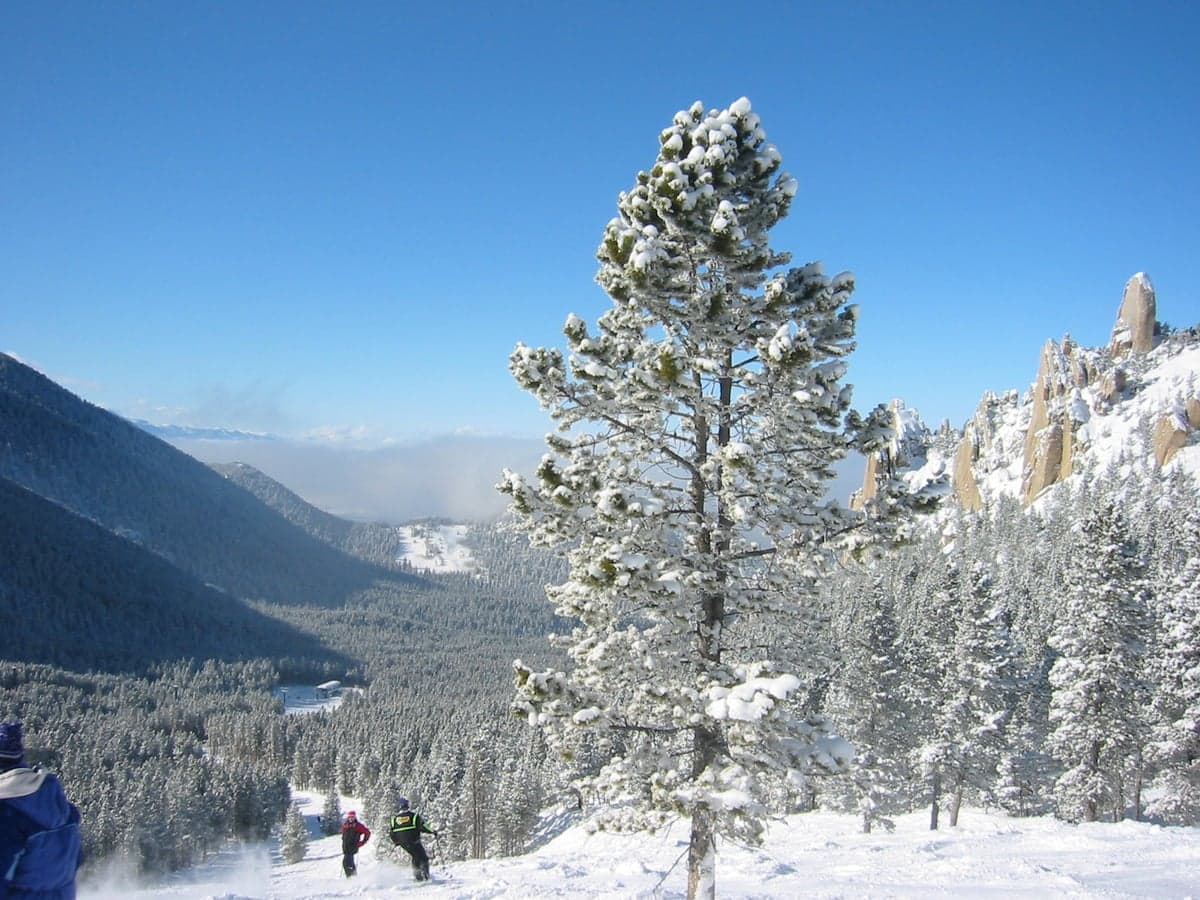
Red Lodge is the county seat and undisputed hub, home to roughly 2,300 residents and the region’s densest concentration of services. Daily life here revolves around the historic downtown on Broadway Avenue, which hosts grocery stores (Red Lodge IGA), hardware shops, restaurants, and the Beartooth Billings Clinic for healthcare. The town is the primary gateway to the Beartooth Highway (US-212) and the Beartooth-Absaroka Wilderness, making it a magnet for hikers, skiers (Red Lodge Mountain Resort), and fly-fishers. The average commute of roughly 29 minutes reflects the fact that many residents drive to jobs in Billings (about 60 miles north) or to remote energy-sector sites, while others work locally in tourism, education, or county government. Red Lodge’s housing stock leans toward older single-family homes and newer subdivisions on the town’s edges, with median rents at $882 offering a relative bargain compared to Bozeman or Jackson Hole.
Smaller towns & rural pockets
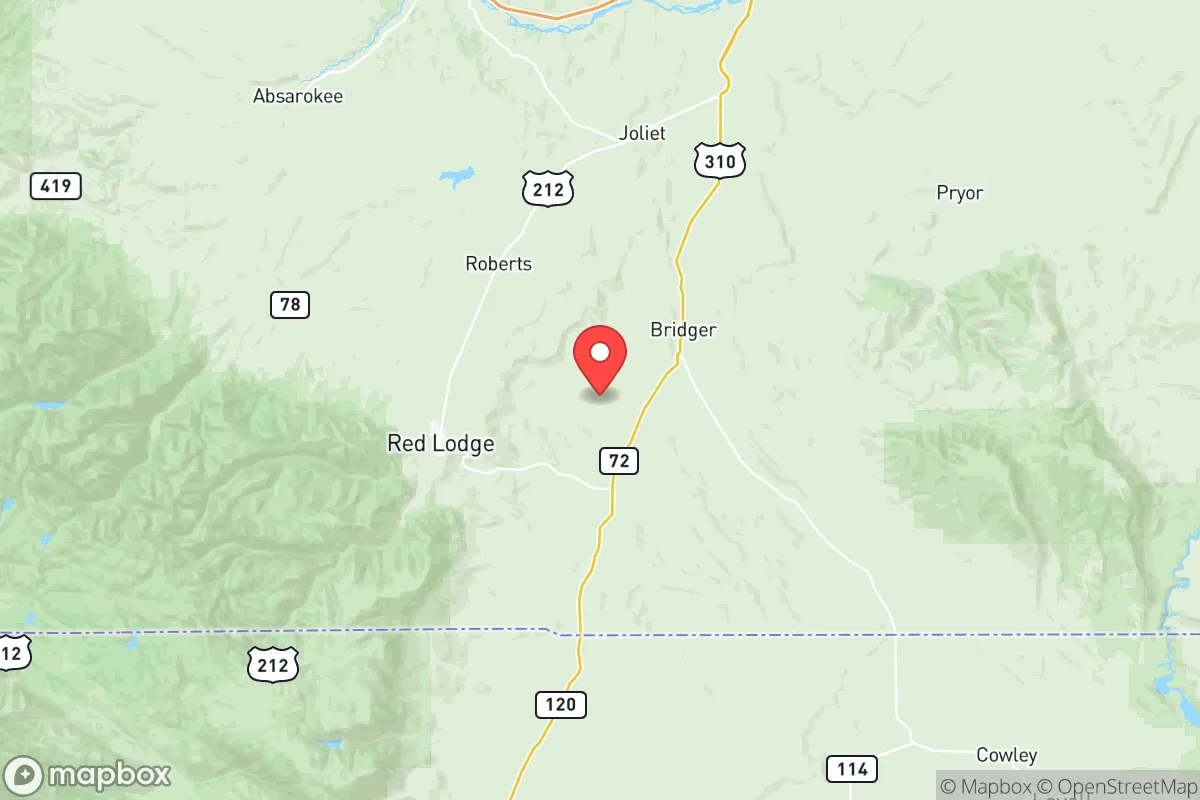
South of Red Lodge, the unincorporated community of Bearcreek (population under 100) sits at a higher elevation and offers a quieter, more affordable alternative. Originally a coal-mining camp, Bearcreek now consists of scattered homes, a few rental cabins, and the Bearcreek Saloon — a local landmark. Further east along the Montana-Wyoming border, Belfry (population roughly 200) is a tight-knit agricultural service center with a K-12 school, a post office, and little else in the way of retail. These pockets are where land prices drop significantly: a few acres with a modest home can be found for under $250,000, well below the county median home value of $379,300. The rural areas between Red Lodge and the Wyoming line, including the Rock Creek and West Fork drainages, are dominated by ranch properties and seasonal cabins, with no municipal services — residents rely on wells, septic systems, and propane. For those seeking true isolation, the Bridger area (northwest of Red Lodge) offers similar conditions, though with slightly better access to Interstate 90.
Cost & lifestyle range
The cost-of-living index of 99 masks a wide internal spread. At the high end, Red Lodge’s desirable in-town and near-town properties command premiums: a 3-bedroom home near the ski area or on the west side of town can exceed $500,000, while newer subdivisions like Beartooth Heights push toward $600,000. At the low end, Bearcreek and Belfry offer homes for $150,000–$250,000, often requiring renovation or acceptance of a longer commute (30–40 minutes to Red Lodge for groceries or healthcare). Rentals are scarce countywide, but the $882 median rent is achievable in Red Lodge’s older apartment stock; in rural areas, rental options are nearly nonexistent. Amenities follow the same gradient: Red Lodge has a full-service grocery, a pharmacy, a library, and a hospital clinic, while Bearcreek and Belfry have none — residents drive 20–30 minutes for basic supplies. The trade-off is space and quiet: a Bearcreek lot offers starry skies and immediate trail access that Red Lodge’s denser neighborhoods cannot match.
This county suits a specific kind of resident: someone who values direct access to the Beartooth Mountains and is comfortable with a 30-minute drive for a gallon of milk or a doctor’s appointment. Remote workers with reliable internet (Starlink is common in rural areas) find the lower-cost pockets appealing, while retirees and second-home owners gravitate to Red Lodge for its walkable downtown and social infrastructure. Families should note that the county’s school system is consolidated — Red Lodge High School serves the entire southern half of the county — so rural children face long bus rides. For those willing to trade urban convenience for unmatched scenery and a tight-knit community, Carbon County delivers a genuine Montana lifestyle at a price point that remains accessible compared to the state’s booming western corridor.

Crime in Carbon County
Generally safer than 57% of comparable U.S. locations.
Violent CrimeViolent Crime Analysis
Property CrimeProperty Crime Analysis
Crime Analysis
Carbon County, Montana, presents a mixed safety profile that demands careful consideration. With a violent crime rate of 419.9 per 100,000 residents and a property crime rate of 1,463.9 per 100,000, the county's overall statistics significantly exceed national averages. However, these figures mask stark differences between the county's smaller communities, where actual safety is heavily influenced by local law enforcement resources, judicial philosophies, and proximity to larger population centers.
Crime in context
Violent crime in Carbon County is more than double the national average of roughly 380 per 100,000, and well above Montana's state rate of approximately 350-400 per 100,000 for comparable counties. Property crime in Carbon County is similarly elevated, nearly 30% higher than the national average of about 1,100 per 100,000. This divergence is notable because Carbon is not a heavily urbanized county; the elevated rates suggest concentrated issues rather than a generalized problem. By contrast, neighboring Stillwater County reports violent crime rates near 180 per 100,000, while Park County to the west hovers around 300 per 100,000, making Carbon County an outlier in the region for serious offenses. The county's largest town, Red Lodge (population ~2,300), is a tourism and recreation hub that experiences seasonal crime spikes, while the rural unincorporated areas around Belfry and Bridger report far fewer incidents per capita, primarily driven by theft and vandalism.
What residents experience
For most residents in Carbon County, daily life is shaped by property crime rather than violent confrontation. Car break-ins, burglaries of outbuildings, and theft of recreational equipment (ATVs, snowmobiles, trailers) are the most common complaints, particularly in the eastern part of the county near the Wyoming border and along the Beartooth Highway corridor. The county's judicial district operates within Montana's 22nd Judicial District, which covers Carbon and Stillwater counties. While Montana's courts are generally conservative in sentencing, some observers express concern that progressive-leaning policies in the district could lead to lighter sentences for repeat property offenders, potentially contributing to the high recidivism that drives the county's property crime numbers. The Carbon County Sheriff's Office, with fewer than 20 sworn deputies, covers over 2,000 square miles, meaning response times in rural areas like Edgar, Boyd, and Silesia can stretch to 30-45 minutes. In contrast, Red Lodge has its own police department with quicker response times, contributing to a perception of greater safety in the immediate town limits.
Neighborhood-level variation and key risks
The safest residential areas in Carbon County are generally the smaller, low-traffic communities: Bridger, Fromberg, and Belfry consistently report the lowest incident rates in sheriff's office data. These towns have no dedicated police department and rely entirely on county deputies, but their insular, neighbor-watch-oriented populations act as a natural deterrent. Conversely, the areas most concerning to prospective residents include the unincorporated strip along U.S. Highway 212 near Rockvale and Joliet, where transient populations and proximity to the interstate contribute to a disproportionate share of thefts and drug-related arrests. Rental properties near the Red Lodge Mountain ski area and campgrounds along the Clark's Fork River are also frequent targets for seasonal property crime. For families or retirees considering relocation, the data suggests that targeting a home in the smaller towns—or within Red Lodge's compact downtown core—offers the most predictable safety, while isolated rural acreage near the county's highways carries elevated risk for both property and occasional violent crime.
* Values derived from national, state, county, city and local statistics and may differ in a specific area. Last updated: 2026-06-29T01:40:08.000Z
Narrative content on this page is AI-generated and may contain mistakes. Verify any details that matter before acting on them.
ReloMaps may earn a commission from affiliate links at no extra cost to you.

