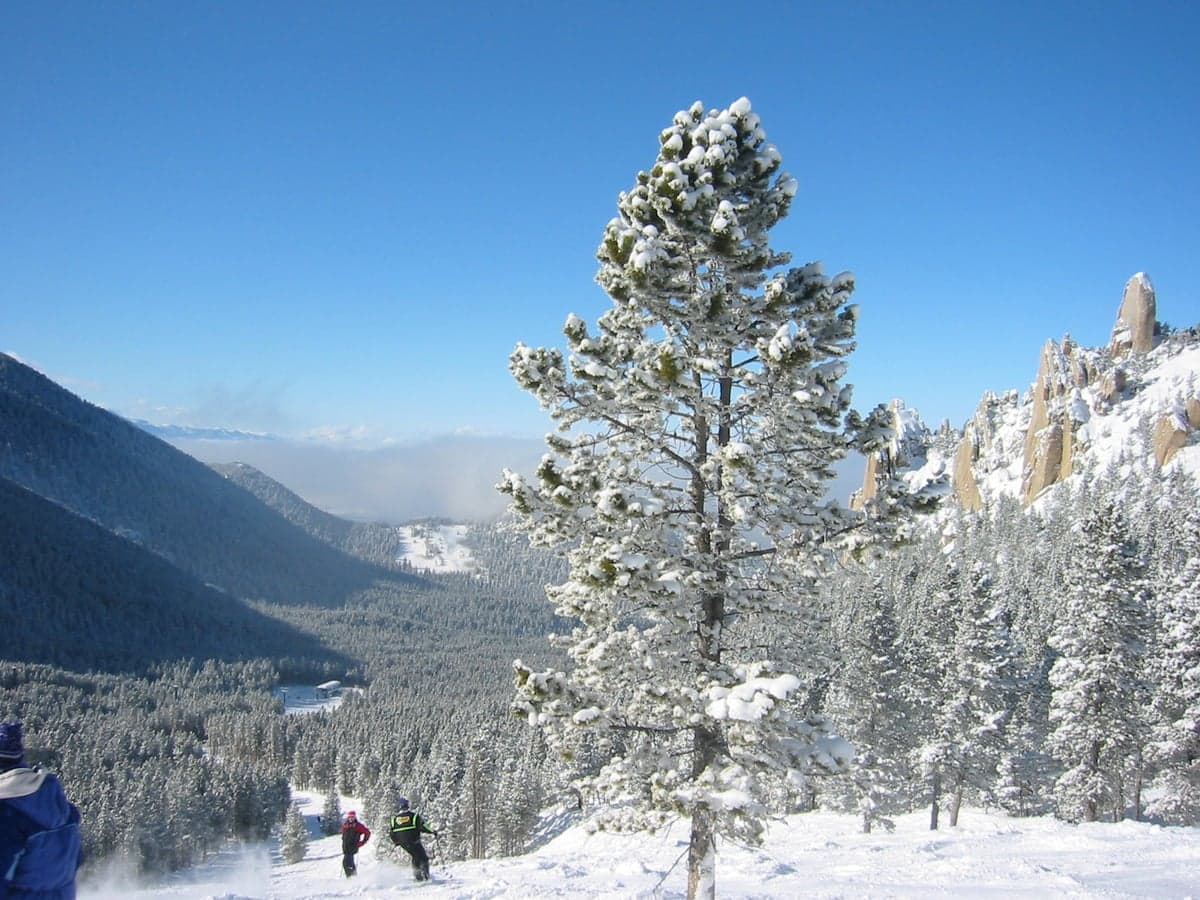
Photo: Wikipedia
Personal Sovereignty in Carbon County
Viable for self-reliance. Generally workable, though some barriers may limit total independence.
What does Personal Sovereignty tell us?
Personal Sovereignty measures your capacity for self-reliance and independence with minimal government friction. Higher scores mean fewer barriers between you and the way you want to live... but it assumes you have the space you need and good neighbors.
What does this tell us?
Personal Sovereignty measures your capacity for self-reliance and independence with minimal government friction. Higher scores mean fewer barriers between you and the way you want to live... but it assumes you have the space you need and good neighbors.
State Policy
Energy independence: Net exporter (120% of energy produced in-state)
Personal Liberty
Homesteading

Personal Liberty Analysis
Carbon County, Montana, offers one of the strongest personal sovereignty environments in the lower 48, combining a deeply ingrained culture of self-reliance with a state-level legal framework that consistently prioritizes individual autonomy over government oversight. The county’s regulatory posture is light, its tax burden is among the lowest in the nation, and its gun laws are among the most permissive, creating a landscape where residents are expected to manage their own affairs with minimal interference. For single individuals and families who prioritize personal freedom, the trade-off is clear: you gain substantial control over your life, property, and choices, but you also bear the full responsibility for your own security, infrastructure, and well-being.
Tax burden and regulatory posture: how Carbon County compares to Montana and the nation
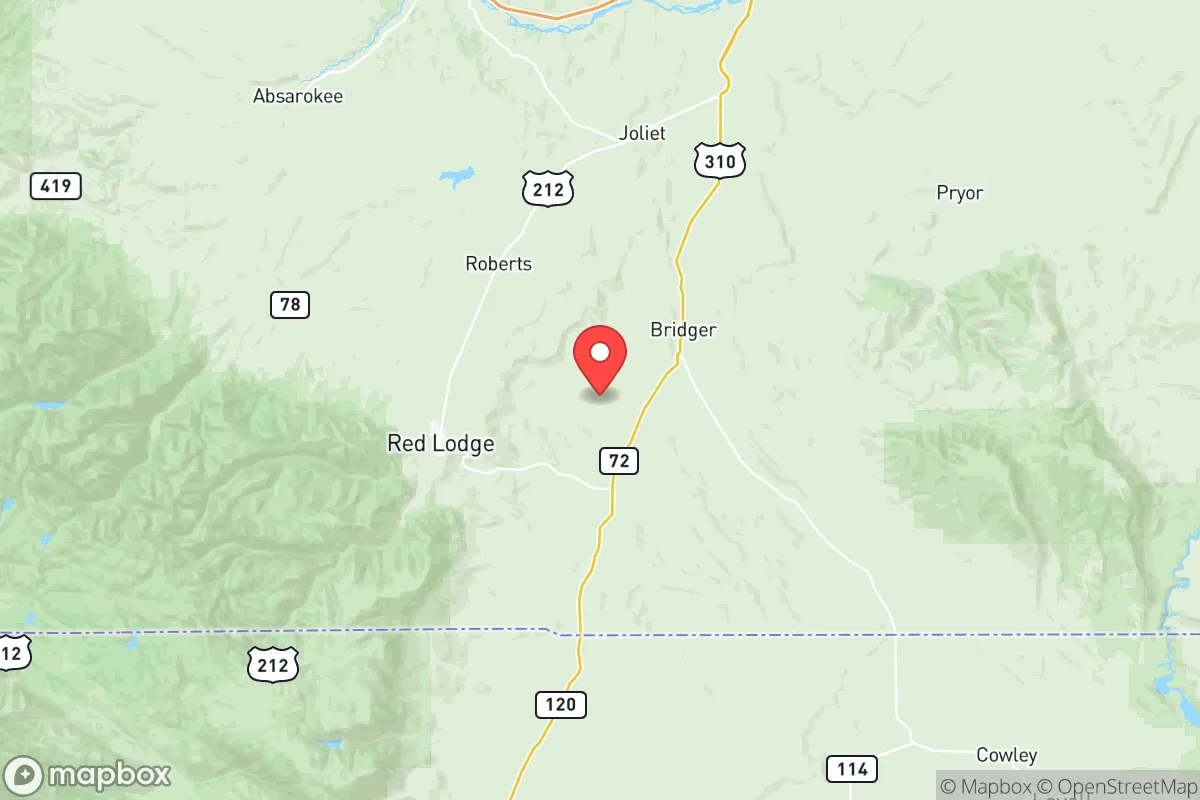
Carbon County operates under Montana’s already low-tax framework, with no state sales tax and a flat state income tax rate of 5.9% as of 2026. Property taxes in the county are notably moderate, with effective rates typically ranging from 0.6% to 0.8% of assessed home value, well below the national average of roughly 1.1%. The county’s regulatory environment is light-touch, particularly outside incorporated towns. In Red Lodge, the county seat, zoning ordinances exist but are generally limited to commercial districts and subdivision standards, leaving most residential and agricultural land largely unregulated. In smaller communities like Bridger and Joliet, zoning is minimal or nonexistent, allowing property owners to build, fence, and use land with few county-level restrictions. The state’s lack of a statewide building code further reduces bureaucratic hurdles, though individual municipalities may adopt their own. For a family looking to buy raw land and build a home without navigating layers of permits, Carbon County’s regulatory posture is among the most accommodating in the Rocky Mountain region.
Self-defense and gun law specifics: what Montana’s permitless carry means for Carbon County residents
Montana is a constitutional carry state, meaning any adult legally allowed to possess a firearm can carry it openly or concealed without a permit. Carbon County fully reflects this state-level policy, and local law enforcement in towns like Red Lodge and Fromberg generally take a non-interventionist stance on lawful carry. The state also has strong castle doctrine and stand-your-ground laws, codified in Montana Code Annotated 45-3-110, which removes any duty to retreat before using force in self-defense when lawfully present. There are no county-level firearm-specific ordinances in Carbon County that restrict possession or carry beyond state law, though discharging a firearm within town limits is typically prohibited except on designated ranges or in self-defense. For residents in unincorporated areas—common across the county’s 2,049 square miles—target shooting and hunting on private property are routine and legally protected. The combination of permitless carry, strong self-defense statutes, and minimal local restrictions makes Carbon County one of the most gun-friendly jurisdictions in the United States.
Self-reliance and homesteading viability: lot sizes, zoning, and off-grid feasibility across Carbon County
Homesteading and off-grid living are not just possible in Carbon County—they are a defining characteristic of the area’s rural identity. Outside of incorporated towns, there are no county-wide minimum lot size requirements for single-family homes, though subdivision regulations apply when splitting parcels. In practice, many residents live on parcels ranging from 5 to 40 acres, particularly in the areas around Belfry and Boyd, where agricultural zoning is the default. Off-grid systems—solar panels, wind turbines, rainwater catchment, and composting toilets—are legal and common, with no county-level prohibition on alternative energy or water systems. The Montana Department of Environmental Quality requires permits for wells and septic systems, but these are typically straightforward to obtain for rural properties. In Bearcreek, a small former mining town, residents have successfully maintained off-grid homes for decades, and the county assessor’s office treats such properties as standard residential improvements. The main practical limitation is climate: winters are long and cold, with average January lows around 10°F, so any off-grid setup must include robust heating and snow management. For those willing to invest in infrastructure, Carbon County offers one of the most permissive homesteading environments in the West.
Personal liberties: parental rights, medical autonomy, speech, and property rights in Carbon County
Montana’s legal framework strongly supports parental rights, medical freedom, and property rights, and Carbon County’s local culture reinforces these values. The state has no mandatory vaccination laws for school attendance, allowing parents to opt out for any reason, and there are no county-level health mandates that override this. Medical autonomy is further protected by Montana’s 2021 law prohibiting discrimination against providers who decline to participate in certain procedures, and by the absence of any county-level public health orders that restrict private medical choices. Free speech is robustly protected under both the U.S. and Montana constitutions, with the state’s constitution explicitly guaranteeing the right to speak, write, or publish freely on any subject. Property rights are a particular strength: Montana’s 2021 “Right to Farm” law limits nuisance lawsuits against agricultural operations, and Carbon County’s planning department rarely intervenes in land-use disputes between neighbors. In Roberts and Silesia, residents routinely build fences, keep livestock, and operate home-based businesses without needing county permits, reflecting a local norm of “live and let live.” The only notable constraint is that the county does enforce state-level environmental regulations on large-scale mining and industrial operations, but these rarely affect individual landowners.
Overall, Carbon County ranks among the top-tier U.S. counties for personal sovereignty, comparable to rural counties in Idaho, Wyoming, and eastern Oregon. The combination of no sales tax, constitutional carry, minimal zoning, and strong property rights creates an environment where individuals and families can live largely as they see fit, provided they accept the responsibilities that come with that freedom. For a conservative-leaning reader who values self-reliance and minimal government intrusion, Carbon County offers a rare blend of legal protections and cultural norms that make it a standout choice for relocation.

* Values derived from national, state, county, city and local statistics and may differ in a specific area. Last updated: 2026-06-29T01:40:08.000Z
Narrative content on this page is AI-generated and may contain mistakes. Verify any details that matter before acting on them.
ReloMaps may earn a commission from affiliate links at no extra cost to you.

