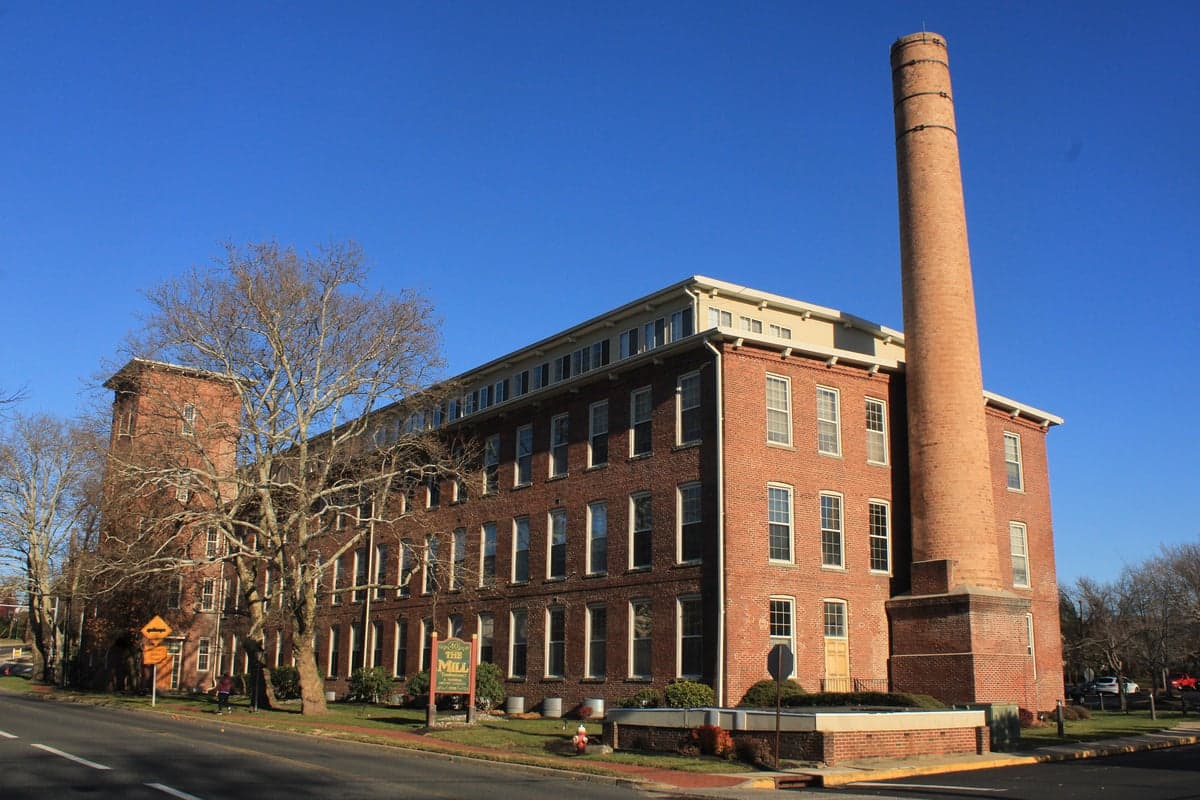
Photo: Wikipedia
Political ClimatePolitical Climate in Milltown, NJ
District shown is the primary district for this city’s centroid. Cities may span multiple districts.
Political rankings in New Jersey
- Most Conservative Cities in New Jersey
- Most Liberal Cities in New Jersey
- Best Conservative-Leaning Towns in the Northeast
- Best Conservative-Leaning Towns in the Mid-Atlantic
- Safest Liberal-Leaning Towns on the East Coast
- Safest Conservative-Leaning Towns on the East Coast
- Most Affordable Liberal-Leaning Small Towns in the U.S.
- Safest Liberal-Leaning Cities in the U.S.
- Most Conservative Counties in New Jersey
- Most Liberal Counties in New Jersey
Local Political AnalysisPolitical Analysis of Milltown, NJ
Milltown is a solidly blue borough in the heart of Middlesex County, and it’s been drifting further left with every cycle. The town’s Cook Partisan Voting Index (PVI) sits at D+13, which is a full eight points more Democratic than New Jersey’s statewide D+5. That gap isn’t just a statistic—it reflects a real, lived-in political culture that’s more progressive than the state average, and it’s been widening as the older, more conservative Italian and Polish families age out and younger commuters move in from New Brunswick and Edison.
How it compares
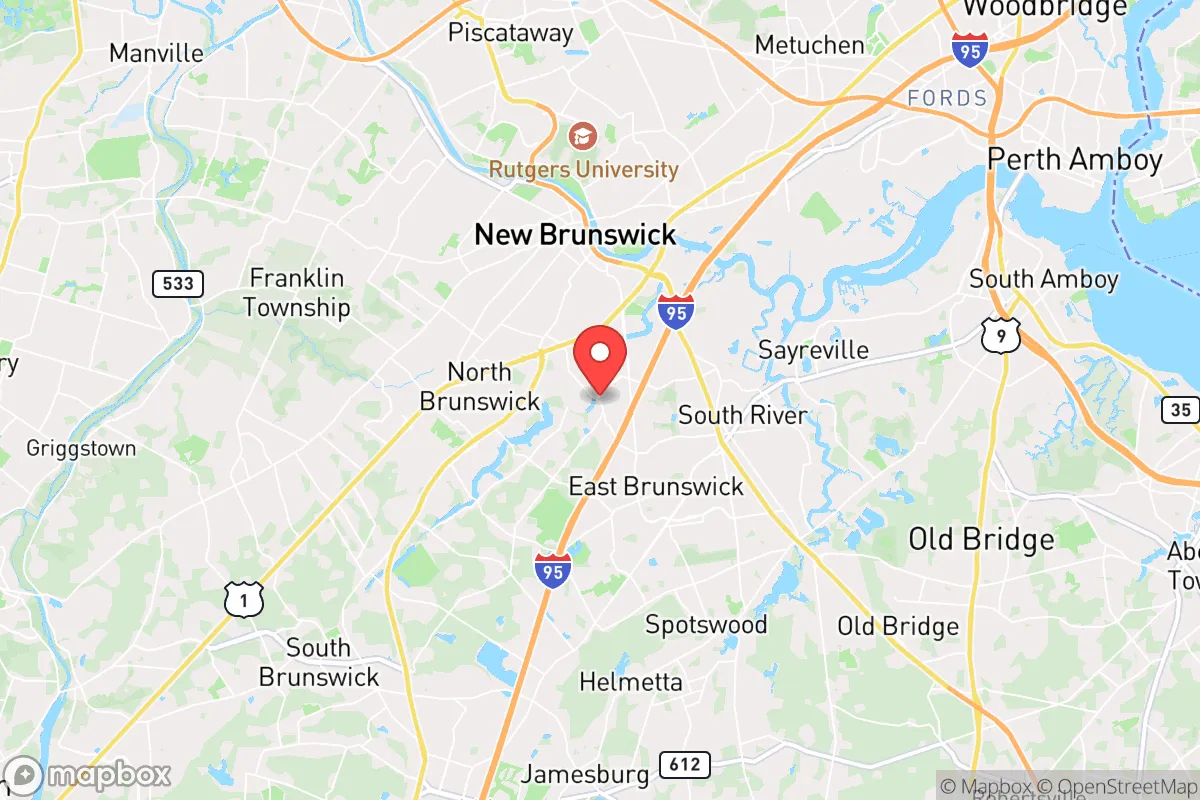
To understand Milltown, you have to look at its neighbors. Just a few miles north, New Brunswick is a college-town stronghold that’s even bluer, driven by Rutgers students and a large immigrant workforce. To the east, East Brunswick leans Democratic but with a noticeable moderate streak, while South River and Sayreville—just across the Raritan—tend to be more working-class and politically mixed, with a stronger pull toward the GOP in local races. Milltown sits in the middle of that spectrum but closer to the New Brunswick end. The D+13 PVI means a Democratic candidate for governor or president can expect to win Milltown by roughly 13 points over a generic Republican, and in a wave year like 2024, that margin stretched even wider. The town’s trajectory is clear: it’s not just staying blue, it’s getting bluer, as the remaining registered Republicans—many of them lifelong residents—are being outnumbered by younger renters and first-time homebuyers who prioritize transit access and affordability over the old cultural loyalties.
What this means for residents
For liberals, Milltown is a comfortable place to live politically. You’ll see yard signs for Democratic county commissioners and state assembly candidates, and the local Democratic club is active and organized, especially during primary season. The borough council is reliably Democratic, and progressive issues like affordable housing and environmental cleanups along the Lawrence Brook get real traction. For conservatives, it’s a different reality. You’re not going to be persecuted, but you will be in the minority, and you’ll likely find yourself outvoted on most local issues. That said, the GOP isn’t invisible—there’s a small but vocal Republican presence, and in off-year municipal elections, a well-liked Republican candidate can still pull 40% of the vote if they focus on taxes and local services rather than national culture wars. The practical effect is that Milltown’s politics are less about partisan warfare and more about consensus on bread-and-butter issues like road repairs, school funding, and the redevelopment of the old mill district along Main Street.
One of the more distinctive cultural notes is how Milltown’s politics intersect with its identity as a former mill town. There’s a pragmatic, union-friendly streak here that you don’t always see in wealthier blue suburbs. Residents tend to support Democratic candidates but are skeptical of anything that smells like overreach, whether it’s statewide mandates on gas cars or zoning changes that could bring in dense apartment blocks. That’s the Milltown way: reliably Democratic, but with a working-class skepticism that keeps the local party honest. If you’re moving here, expect a community that votes blue, talks about taxes at the deli counter, and doesn’t have much patience for political grandstanding from either side.

State Political ClimatePolitical Climate in New Jersey
State Political AnalysisPolitical Environment in the State
New Jersey is a solidly Democratic state with a Cook PVI of D+5, but calling it a liberal monolith misses the real story. The state has voted for the Democratic presidential nominee in every election since 1992, yet it remains a place where machine politics, suburban pragmatism, and a surprisingly resilient Republican base in the rural northwest and shore counties keep things competitive at the local level. Over the last 20 years, the Democratic grip has tightened in the suburbs of New York City and Philadelphia, but the state’s trajectory is less about ideological conversion and more about demographic sorting — the kind that has turned places like Morristown and Montclair into progressive strongholds while leaving Sussex County and Hunterdon County as the last redoubts of GOP strength.
Urban vs. rural divide
The political map of New Jersey is a tale of three regions. The urban core — Newark, Jersey City, and Paterson — is overwhelmingly Democratic, driven by dense, diverse populations and strong union ties. These cities, along with the inner-ring suburbs of Essex and Hudson Counties, provide the bulk of the Democratic margin. Jersey City alone has become a national symbol of progressive urbanism, with a rapidly growing population of young professionals and immigrants who vote reliably blue. Meanwhile, the Philadelphia suburbs in Burlington, Camden, and Gloucester Counties have shifted hard toward Democrats over the past decade, mirroring the national trend of college-educated voters abandoning the GOP. Cherry Hill and Moorestown are prime examples of this shift, where school-funding debates and social issues now dominate local elections.
On the flip side, the rural and exurban parts of the state — Sussex County, Warren County, and much of Hunterdon County — are the Republican heartland. These areas vote like Pennsylvania’s rural north or upstate New York, with margins of 20 to 30 points for the GOP in recent cycles. The shore counties, particularly Ocean and Cape May, are also reliably red, driven by a mix of retirees, law enforcement families, and small-business owners. Toms River and Brick Township are the political anchors of this region, where the GOP’s message on taxes and public safety resonates strongly. The divide is stark: drive 30 minutes west from the Hudson River waterfront and you go from a district that votes 80% Democratic to one that votes 60% Republican.
Policy environment
New Jersey’s policy environment is defined by its tax structure and regulatory posture, both of which are among the most aggressive in the nation. The state has a progressive income tax with rates up to 10.75% for top earners, the second-highest property taxes in the country (averaging over $9,000 per household), and a sales tax of 6.625%. For conservatives, this is the single biggest deterrent to relocation. The regulatory climate is similarly dense, with strict environmental rules, a strong public-sector union presence, and some of the nation’s most protective tenant and labor laws. On education, New Jersey spends more per pupil than almost any other state, and the results show it — the state consistently ranks in the top five for K-12 outcomes, though the funding formula has been a perennial source of political conflict between suburban districts and urban ones like Newark and Camden.
Healthcare is another defining issue. The state expanded Medicaid under the Affordable Care Act and has some of the strongest insurance mandates in the country, including coverage for IVF and gender-affirming care. Election laws are also notably liberal: New Jersey has automatic voter registration, no-excuse mail-in voting, and same-day registration during early voting. For a conservative relocator, the policy environment is a mixed bag — the schools and infrastructure are genuinely excellent, but the tax burden and regulatory density are a constant friction point.
Recent policy direction
The last five years have seen New Jersey double down on its progressive identity. In 2022, the state passed a sweeping gun-control package that bans .50 caliber rifles, requires firearms to be stored unloaded and locked, and mandates liability insurance for gun owners — among the strictest laws in the nation. The same year, the legislature codified abortion rights into state law, ensuring access regardless of federal court rulings. On education, the state has moved to expand sex-education curriculum and has resisted parental-rights movements that have gained traction in other states, with Governor Phil Murphy vetoing a bill that would have required schools to notify parents of a student’s gender identity changes. On the tax front, the state has made some concessions — the 2024 budget included a modest property tax relief program for seniors and middle-class families — but the overall trajectory remains toward higher spending and higher taxes.
On voting and ballot access, New Jersey has moved decisively toward convenience. The 2021 law that made mail-in voting permanent and established early voting centers was a major win for Democrats, who argue it expands participation, while Republicans have raised concerns about ballot security. On privacy and surveillance, the state has been a leader in restricting facial recognition use by law enforcement, but it has also expanded police funding and resisted calls to defund the police, keeping the state’s crime response relatively moderate. For a new resident, the practical takeaway is that New Jersey is a state where the government is actively involved in daily life — from how you store your firearms to how your children are educated — and that involvement is unlikely to decrease.
Civil unrest & political movements
New Jersey has a long history of organized political activism, but it rarely boils over into the kind of civil unrest seen in other states. The Black Lives Matter protests in 2020 were significant in Newark and Trenton, but they were largely peaceful and did not result in the property damage seen in Portland or Seattle. The state’s sanctuary policies — which limit cooperation between local police and federal immigration enforcement — have made it a flashpoint in the national immigration debate. In 2018, the state passed a law barring state and local agencies from sharing information with federal immigration authorities, and Governor Murphy has repeatedly defended it against federal pressure. This has created a visible tension in towns like Freehold and Passaic, where immigrant communities are growing and local officials are caught between state law and federal enforcement.
On the right, the most visible movement has been the push for school board control, particularly in suburban districts like Westfield and Ridgewood, where parents have organized around curriculum transparency and library book content. These movements have had mixed success — some boards have flipped, but the state’s Democratic majority has largely blocked any legislative changes. There is also a small but vocal secessionist movement in the rural northwest, where some residents have floated the idea of joining Pennsylvania, though it remains a fringe sentiment. Election integrity has been a recurring theme, with Republicans in Ocean and Monmouth Counties filing lawsuits over mail-in ballot procedures, though no major fraud has been proven. For a new resident, the political climate is active but not volatile — you will see lawn signs and local protests, but not the kind of street-level conflict common in other states.
Projection
Looking ahead five to ten years, New Jersey’s Democratic lean is likely to hold, but the margins may narrow slightly. The state’s population is aging, and the out-migration of younger, more conservative-leaning families to Florida and the Carolinas is a real trend — the state lost roughly 100,000 residents between 2020 and 2024, the most of any state. However, the in-migration from New York City, particularly to towns like Hoboken and Weehawken, is bringing in a new wave of progressive professionals who are unlikely to vote Republican. The suburbs are the key battleground: if the GOP can make inroads with the school-funding and tax message in places like Bergen County, they could flip a few legislative seats, but the statewide math remains difficult. The most likely scenario is a continued Democratic dominance, with the state becoming more culturally progressive even as its fiscal problems — pension liabilities, property taxes, and out-migration — create growing pressure for reform.
For someone moving in now, the next decade will likely bring higher taxes, continued progressive policy expansion, and a political environment that is stable but heavily tilted toward the left. The state’s strengths — excellent schools, strong infrastructure, and proximity to two major metros — will remain, but the cost of living will continue to be a barrier for many families.
If you are considering New Jersey, the bottom line is this: it is a state where your vote will rarely change the outcome, but your daily life will be shaped by a government that is deeply involved in everything from your property taxes to your children’s curriculum. For a conservative, that means accepting a high tax burden and a regulatory environment that is often hostile to gun ownership and school choice. For a liberal, it means living in a state that largely aligns with your values, but also one where the cost of those values is visible in every municipal budget. The state is not for everyone, but for those who can afford it and align with its politics, it remains one of the most functional and well-run states in the country.
* Values derived from national, state, county, city and local statistics and may differ in a specific area. Last updated: 2026-11-13T09:20:28.000Z
Narrative content on this page is AI-generated and may contain mistakes. Verify any details that matter before acting on them.
ReloMaps may earn a commission from affiliate links at no extra cost to you.

