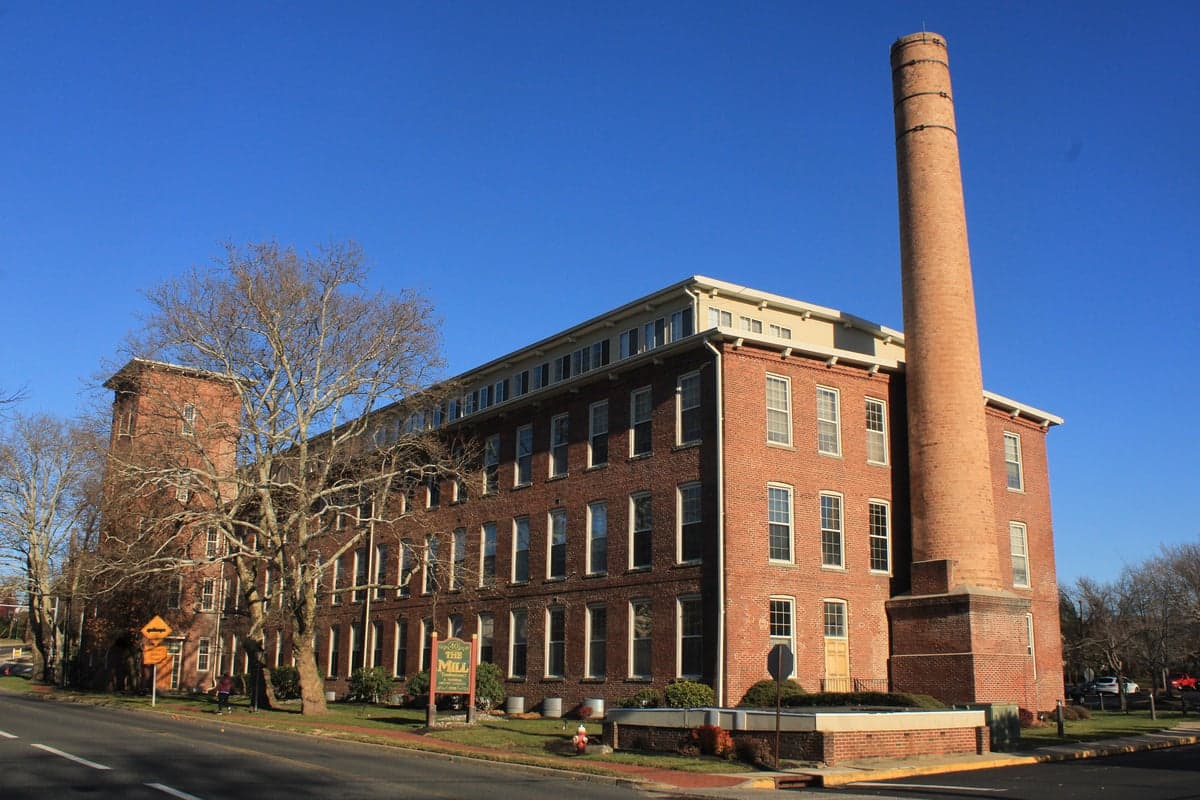
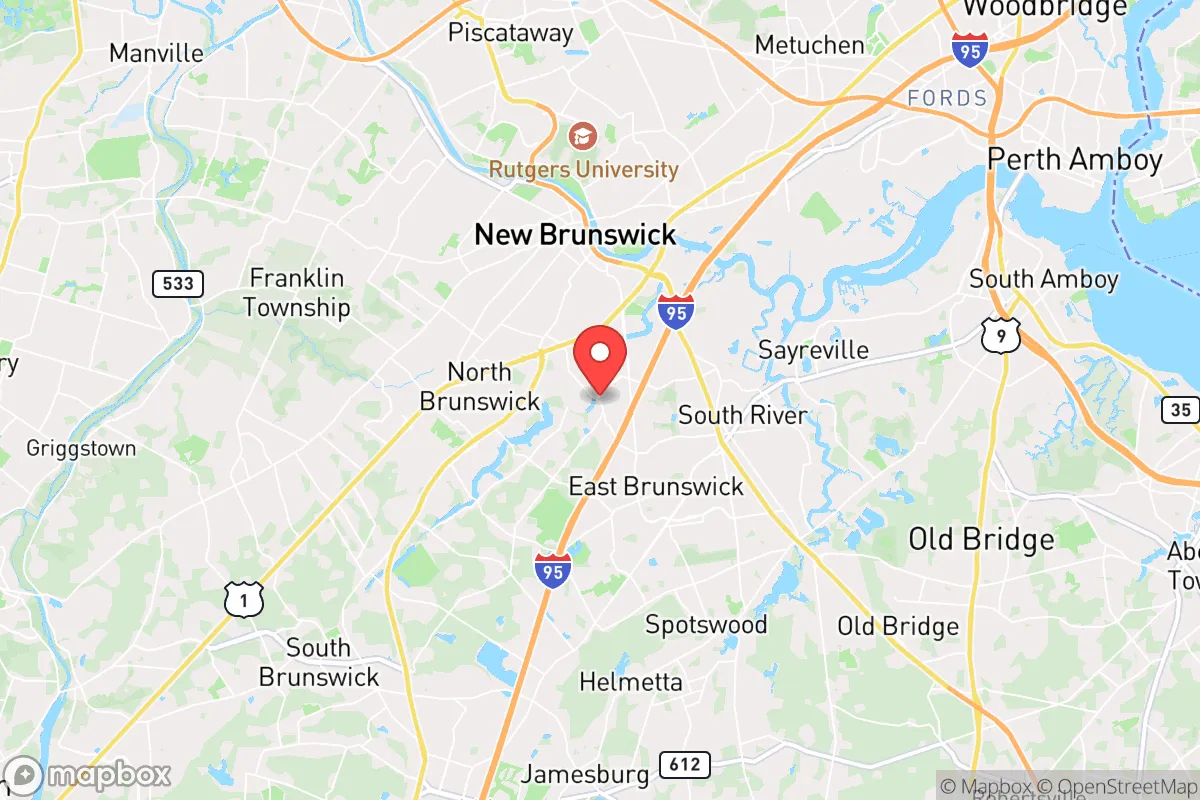
Photo: Wikipedia
Quality of Life in Milltown, NJ
A high quality of life with strong walkability, manageable living costs, healthy neighborhood signals, and solid amenity access.
What does Quality of Life tell us?
Quality of Life blends cost of living, nearby amenities, socioeconomic signals, and neighborhood character. City-level scores represent the whole municipality; individual neighborhoods can differ.
What does this tell us?
Quality of Life blends cost of living, nearby amenities, socioeconomic signals, and neighborhood character. City-level scores represent the whole municipality; individual neighborhoods can differ.
Cost of Living
37% above national average
The Real Cost of Living in Milltown, NJ for 2026
| Tier | Individual | Family (4) |
|---|---|---|
| Survival | $24k | $45k |
| Comfortable | $82k | $121k |
| Luxury | $156k+ | $242k+ |
| Elite (Top 5%) | $184k+ | $285k+ |
99%
The Area Signal
A metric tracking the socioeconomic signals of the area.
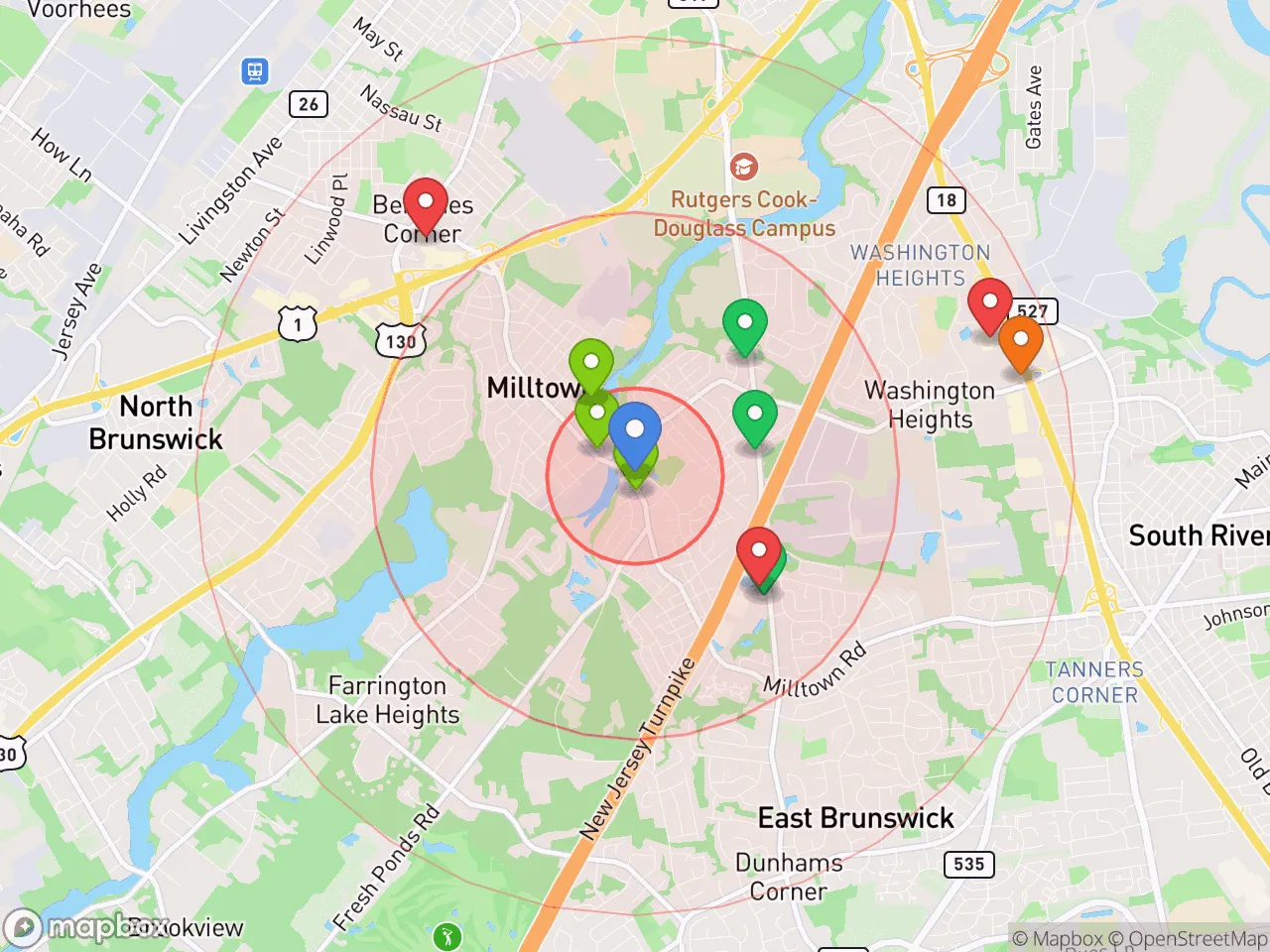
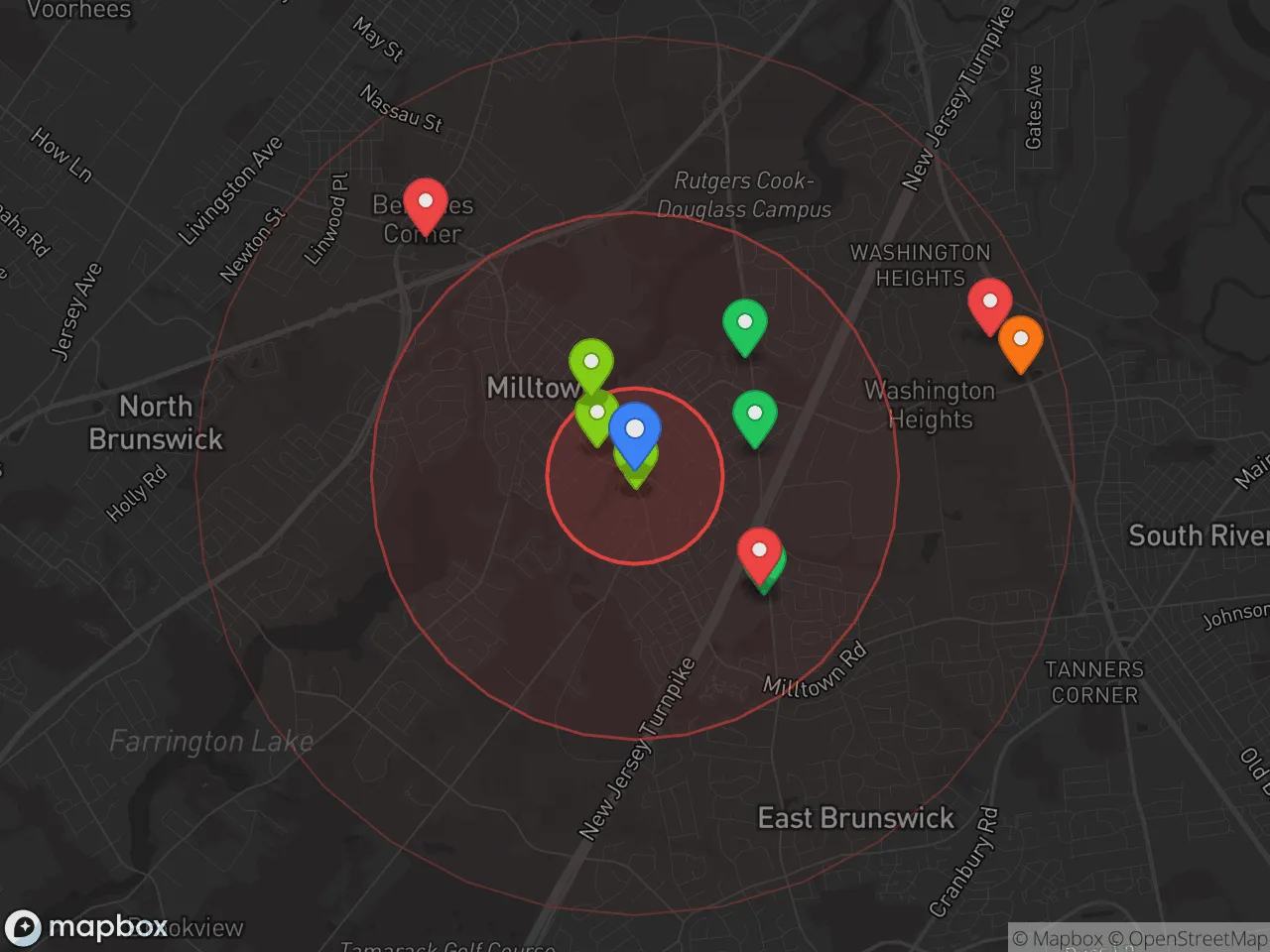
Hobbies
Explore the areaGroceries
0 within 10 miles
Gas
0 within 10 miles
Hospital
0 within 20 miles
Airport
EWR — Newark Liberty International
Post Office
Critical Amenities
Quality-of-Life Analysis
Milltown, New Jersey, is a compact, family-oriented borough in Middlesex County where the cost of living index of 137 (37% above the national average) reflects its position as a desirable but not extravagant suburb within the New York metropolitan orbit. The community is predominantly composed of long-term homeowners, young families seeking good schools, and professionals who commute to jobs in New Brunswick, Princeton, and New York City. With a median home value of $423,000 and a median rent of $1,500, Milltown offers a more attainable entry point into central New Jersey's housing market than many of its wealthier neighbors.
How Milltown's housing costs and affordability compare to nearby towns
Milltown's housing market sits in a pragmatic middle ground between the high-priced suburbs of northern Monmouth County and the more industrial towns along the Route 1 corridor. The median home value of $423,000 is significantly lower than in nearby Highland Park ($480,000) or Princeton ($850,000+), making Milltown one of the more affordable options in central Middlesex County for buyers. Renters face a median of $1,500 per month, which is competitive compared to New Brunswick ($1,700+) and Edison ($1,800). However, the overall cost of living index of 137 means that everyday expenses — groceries, utilities, and transportation — run well above the U.S. average. Property taxes in Milltown are typical for New Jersey, hovering around $7,000–$8,000 annually on the median home, a factor any prospective buyer must weigh against the borough's lower purchase prices. For commuters, the average travel time of 29 minutes is shorter than the state average, with many residents driving to nearby employment hubs like Johnson & Johnson in New Brunswick or Rutgers University rather than enduring longer trips into Manhattan.
What daily life is like for families: schools, parks, and local amenities
Daily life in Milltown centers on its walkable downtown along Main Street, which hosts a mix of pizzerias, delis, and small businesses, and on its well-regarded public schools. The Milltown School District serves roughly 1,100 students across Joyce Kilmer School (K-3) and Parkview School (4-8), with high school students attending Spotswood High School via a sending-receiving relationship. The borough's five municipal parks, including the 20-acre Milltown Community Park with its sports fields and walking trails, provide ample outdoor space for a community of just under 7,000 residents. The Lawrence Brook runs through town, offering fishing and kayaking access, while the nearby D&R Canal Towpath provides a regional cycling and running route. Milltown lacks a large commercial shopping center, so most residents drive 10 minutes to the Brunswick Square Mall in East Brunswick or to the big-box retailers along Route 18 in North Brunswick. The social rhythm is quiet and residential — Little League games, school events, and the annual Milltown Day street fair define the calendar more than nightlife or cultural attractions.
Milltown is best suited for families and professionals who want a stable, lower-key suburb with reasonable commute times and a genuine small-town feel, without the prestige pricing of Princeton or the density of New Brunswick. Singles and young renters may find the social scene limited, and the lack of a direct train station (the nearest NJ Transit rail access is in New Brunswick) is a drawback for Manhattan commuters. For those prioritizing good schools, manageable housing costs relative to the region, and a 29-minute average commute to central Jersey's job centers, Milltown delivers a solid quality of life that balances affordability with access to the broader Northeast corridor.

Crime in Milltown, NJ
Lower crime rates than 87% of comparable U.S. locations.
Violent CrimeViolent Crime Analysis
Property CrimeProperty Crime Analysis
Crime Analysis
Milltown, New Jersey, presents a mixed safety profile that requires careful examination. The borough’s violent crime rate of 69.5 incidents per 100,000 residents is remarkably low, but its property crime rate of 1,528 per 100,000 is a more pressing concern. As a small borough within the larger Middlesex County and the broader New York metropolitan area, Milltown is subject to the regional justice system’s progressive policies, which can undermine public safety by prioritizing offender rehabilitation over victim protection and incarceration.
Crime in context
Milltown’s violent crime rate is roughly 85% lower than the national average, placing it among the safest small towns in New Jersey for personal safety. However, the property crime rate is approximately 10% above the national average and significantly higher than the statewide New Jersey average of around 1,100 per 100,000. This disparity is typical of communities near major transit corridors and large metro areas, where property crime—especially theft from vehicles and burglary—is more common. The borough’s proximity to New Brunswick and easy access to Route 18 and the New Jersey Turnpike make it a target for transient property criminals. Readers should note that Middlesex County’s prosecutor’s office and local courts have adopted progressive bail reform and diversion programs, which critics argue reduce the deterrent effect for property offenders and increase recidivism.
What residents experience
For daily life in Milltown, the most tangible safety issue is property crime. Residents frequently report package thefts, unlocked car break-ins, and occasional garage burglaries, particularly in neighborhoods near Main Street and the borough’s apartment complexes. Violent crime is rare but not unheard of; incidents typically involve domestic disputes or altercations at local bars rather than random street violence. The Milltown Police Department, with about 20 sworn officers, maintains a visible presence and responds quickly to calls, but its resources are stretched by the volume of property crime reports. The department’s community policing efforts are well-regarded, but the underlying challenge remains the regional justice system’s leniency toward repeat property offenders. Under New Jersey’s bail reform, many non-violent offenders are released pending trial, and progressive diversion programs often result in reduced charges or expungement, meaning the same individuals cycle through the system without meaningful consequences.
Neighborhood-level variation
Safety in Milltown varies noticeably by area. The residential streets west of Main Street, particularly around Joyce Kilmer Avenue and the borough’s single-family home neighborhoods, experience the lowest crime rates and are considered the safest. The area near the Milltown train station and the commercial corridor along Ryders Lane sees higher property crime, including vehicle thefts and shoplifting. The apartment complexes on Washington Avenue and the multi-family units near the border with East Brunswick report more frequent disturbances and thefts. The most significant risk factor for any Milltown resident is proximity to the borough’s main roads and transit access points, which provide easy escape routes for criminals. While Milltown itself is not a high-crime area, its location within a progressive metro region means that residents bear the costs of a justice system that often fails to hold property offenders accountable, making proactive home security measures a practical necessity.
* Values derived from national, state, county, city and local statistics and may differ in a specific area. Last updated: 2026-11-13T09:20:28.000Z
Narrative content on this page is AI-generated and may contain mistakes. Verify any details that matter before acting on them.
ReloMaps may earn a commission from affiliate links at no extra cost to you.

