
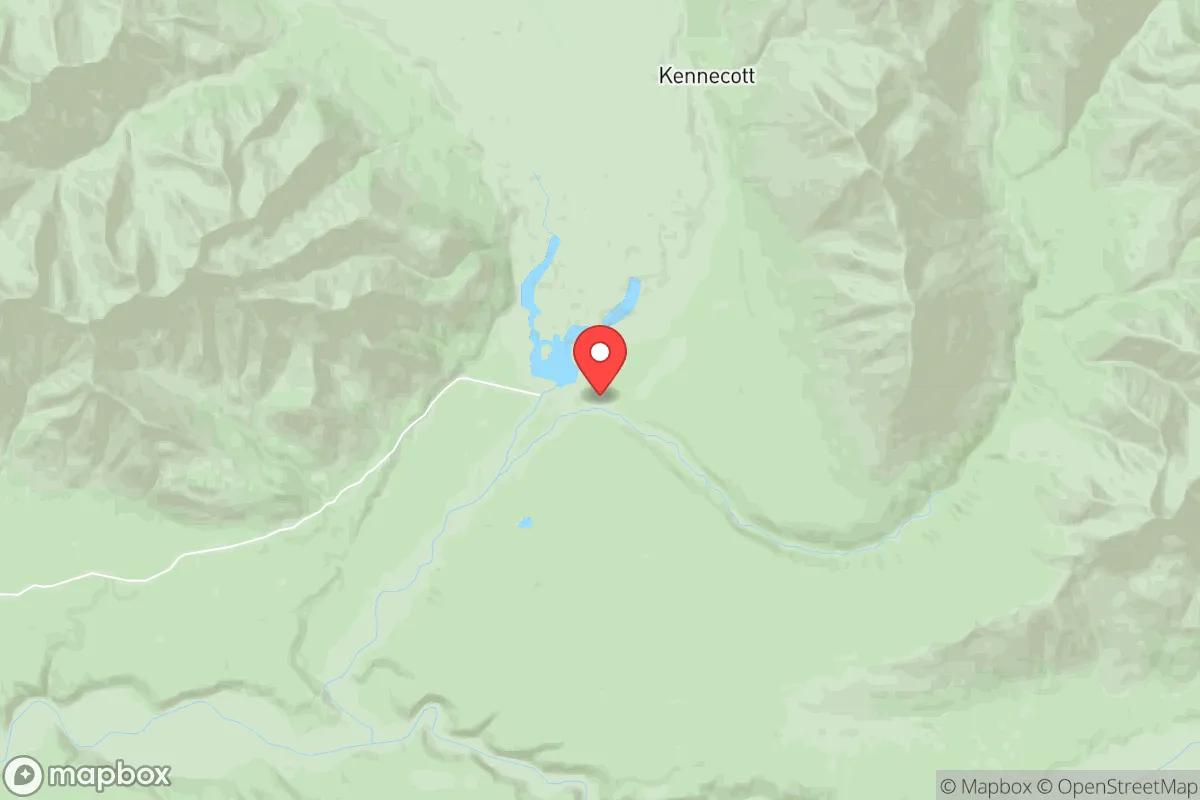
Photo by Joris Beugels on Unsplash
Quality of Life in McCarthy, AK
A high quality of life with strong walkability, manageable living costs, healthy neighborhood signals, and solid amenity access.
What does Quality of Life tell us?
Quality of Life blends cost of living, nearby amenities, socioeconomic signals, and neighborhood character. City-level scores represent the whole municipality; individual neighborhoods can differ.
What does this tell us?
Quality of Life blends cost of living, nearby amenities, socioeconomic signals, and neighborhood character. City-level scores represent the whole municipality; individual neighborhoods can differ.
Cost of Living
19% above national average
The Real Cost of Living in McCarthy, AK for 2026
| Tier | Individual | Family (4) |
|---|---|---|
| Survival | $22k | $42k |
| Comfortable | $65k | $95k |
| Luxury | $149k+ | $230k+ |
| Elite (Top 5%) | $175k+ | $271k+ |
94%
* median household income, median home value, and 2 more figures substituted from state-level data — local Census figures unavailable for small populations
The Area Signal
A metric tracking the socioeconomic signals of the area.
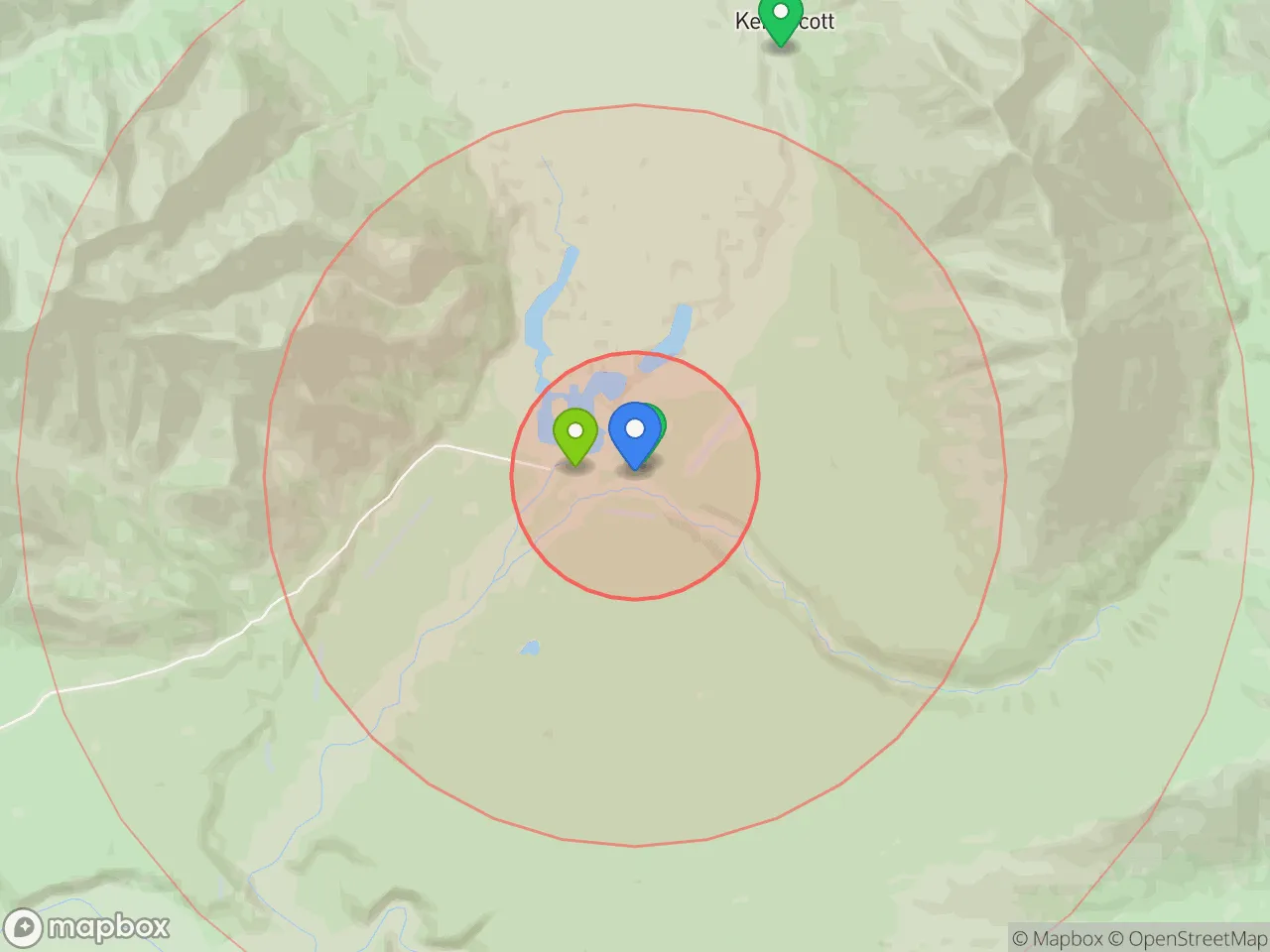
Limited data for this area
Limited data for this area
Hobbies
Explore the areaGroceries
0 within 10 miles
Gas
0 within 10 miles
Hospital
0 within 20 miles
Airport
Post Office
Critical Amenities
Quality-of-Life Analysis
McCarthy, Alaska, presents a unique quality-of-life profile defined by extreme isolation and a cost of living that is 19% above the national average (COL index 119). The population is a tight-knit mix of seasonal tourism workers, wilderness guides, and long-term homesteaders who prioritize self-sufficiency and access to the Wrangell-St. Elias National Park over urban convenience. This is not a place for those seeking typical suburban affluence; rather, wealth here is measured in land, privacy, and a deep connection to one of the most remote landscapes in North America.
Cost of living, housing affordability, and how McCarthy compares to nearby areas
Housing in McCarthy is scarce and expensive relative to the limited local economy. The median home value sits at $333,300, which is notably higher than in many other rural Alaskan communities, reflecting the premium placed on land within or near a national park. Median rent is $1,388, a figure that often commands only a small cabin or seasonal lodging. Compared to the nearest supply hub of Glennallen (roughly 100 miles away), McCarthy housing is significantly pricier, though it remains cheaper than Anchorage’s median home value of approximately $390,000. The average commute is a deceptively short 19.5 minutes, but this figure is misleading: most residents live within the immediate McCarthy-Kennicott corridor, and travel beyond the area requires a drive on the unpaved McCarthy Road, which can take 2–3 hours to reach the paved Richardson Highway. There is no grocery store in McCarthy; residents must plan bulk supply trips to Glennallen or Anchorage, adding a hidden logistical cost that raises the effective cost of living well above the index number.
Local amenities, schools, and the daily rhythm of life in McCarthy
Daily life in McCarthy is defined by a lack of standard amenities. There is no hospital, no bank, no gas station (fuel is delivered by barge and stored in drums), and no cell phone service in most of the valley. The McCarthy-Kennicott School serves K–12 students, with a very small enrollment that often means multi-grade classrooms. For groceries, residents rely on the seasonal McCarthy Mercantile or mail-order supplies. The community’s rhythm is dictated by the summer tourist season (May–September), when the population swells and businesses like the Kennicott Glacier Lodge and McCarthy Lodge operate. Winters are profoundly quiet, with many seasonal residents departing and the remaining population relying on snowmachines and dog teams for transport. Internet is available via satellite or limited fixed wireless, but speeds are slow and unreliable. The primary draw is not convenience but unparalleled access to backcountry hiking, glacier trekking, and a lifestyle free from most modern distractions.
McCarthy is best suited for self-reliant individuals or families who value extreme solitude, wilderness skills, and a small, interdependent community over career advancement, shopping, or healthcare access. It is a poor fit for those who require reliable utilities, year-round road access, or conventional schooling options. Those who thrive here are typically outdoor professionals, remote workers with Starlink, or retirees seeking a low-footprint, high-adventure lifestyle. For anyone considering a move, a multi-week summer visit is essential to gauge the reality of life without a grocery store, hospital, or paved road.

Crime in McCarthy, AK
Higher crime rates than 67% of comparable U.S. locations.
Violent CrimeViolent Crime Analysis
Property CrimeProperty Crime Analysis
Crime Analysis
McCarthy, Alaska, presents a complex safety picture that diverges sharply from both state and national averages. With a violent crime rate of 732.8 per 100,000 residents and a property crime rate of 1,919.2 per 100,000, the small, remote community faces challenges that are disproportionate to its size. These figures, drawn from the most recent available data, place McCarthy in a high-risk category for a community of its scale, though the town's unique isolation and seasonal population swings complicate direct comparisons.
Crime in context
McCarthy's violent crime rate is more than double the national average of roughly 380 per 100,000 and significantly exceeds Alaska's already elevated state rate of approximately 800 per 100,000. The property crime rate, while lower than Alaska's statewide average of around 2,400 per 100,000, still surpasses the national average of about 1,950 per 100,000. These numbers are particularly striking given McCarthy's year-round population of fewer than 30 residents, meaning a single incident can dramatically skew the per-capita rate. The community's status as a remote tourist destination—accessible only by foot, bike, or small plane—creates a dynamic where seasonal visitors and transient workers interact with a tiny permanent population, potentially inflating crime statistics relative to the number of full-time residents.
What residents experience
Daily life in McCarthy is shaped by its extreme isolation and lack of conventional law enforcement. The community has no local police department; the nearest Alaska State Troopers are stationed in Glennallen, roughly 100 miles away via unpaved road. This means response times for emergencies can stretch to hours or even days, placing a premium on self-reliance and community watchfulness. Property crimes such as theft and vandalism are the most commonly reported issues, often targeting unoccupied cabins or vehicles during the off-season. Violent incidents, while rare in absolute terms, are a serious concern when they occur, as the remote setting limits options for immediate intervention. Residents typically rely on informal networks and personal preparedness rather than formal policing, a reality that demands careful consideration for anyone contemplating a move to the area.
Neighborhood-level variation in McCarthy is minimal due to the town's small geographic footprint and lack of distinct districts. The handful of permanent homes, seasonal lodges, and the historic Kennicott mine site are all within walking distance of each other. However, crime risk is not uniform: properties that are visibly unoccupied during winter months face higher odds of break-ins, while the more frequented areas around the McCarthy Lodge and the Wrangell-St. Elias National Park visitor center see more petty theft and alcohol-related incidents during the summer tourist season. For those considering relocation, the key takeaway is that safety in McCarthy depends less on choosing a "good" neighborhood and more on understanding the trade-offs of extreme rural living—where the absence of progressive urban justice policies is offset by the absence of any formal justice system at all.
* Values derived from national, state, county, city and local statistics and may differ in a specific area. Last updated: 2026-09-07T01:31:31.000Z
Narrative content on this page is AI-generated and may contain mistakes. Verify any details that matter before acting on them.
ReloMaps may earn a commission from affiliate links at no extra cost to you.

