
Photo by Ron Dauphin on Unsplash
Find The Best Places To Live in St Landry County
PRO TIP! You can paste a Zillow or Redfin link to get info on that property.
Best Places to Live in St Landry County
Cities & Towns in St Landry County
Cities in St Landry County
What It's Like Living in St Landry County, LA
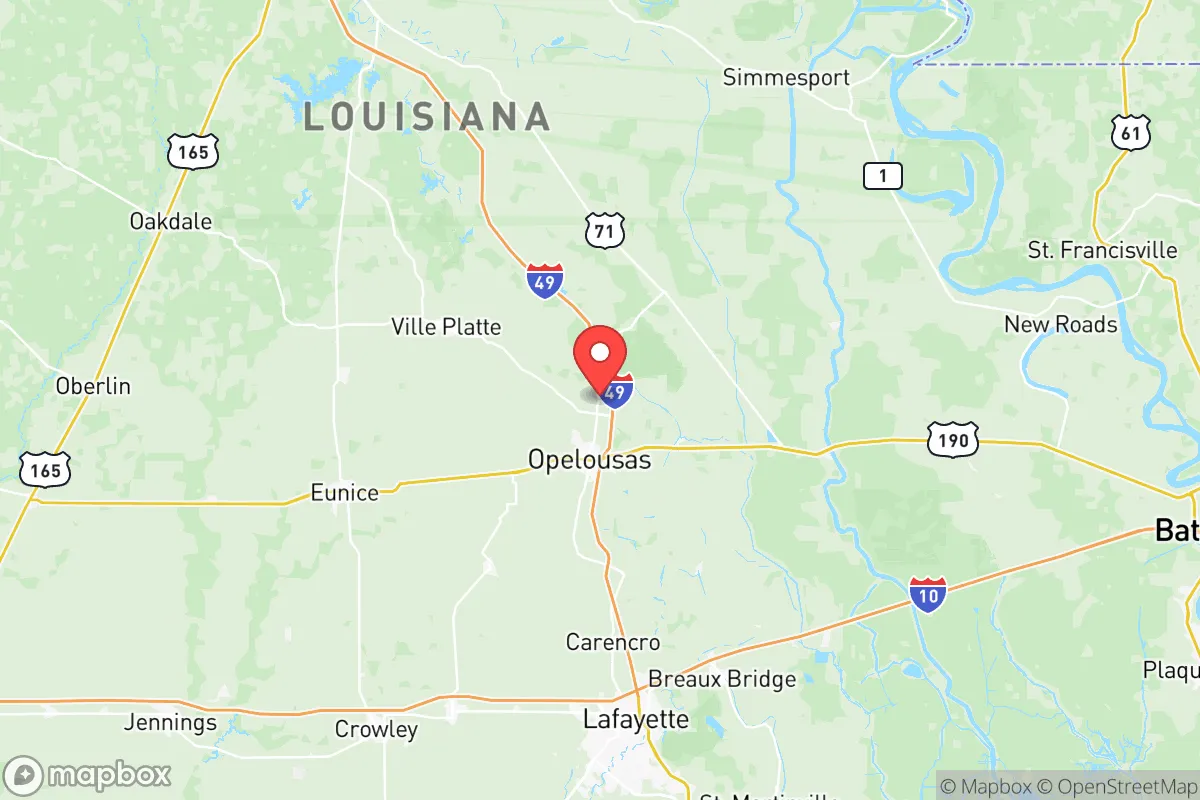
Living in St. Landry Parish—locals still call it a parish, not a county—means settling into the rhythms of southwest Louisiana at a pace that feels deliberately slower than the interstate hum of Lafayette or Baton Rouge. With a population of just over 82,000 spread across small cities like Opelousas, Eunice, and Ville Platte, plus a scattering of unincorporated communities like Grand Coteau and Washington, the parish offers a mix of Cajun and Creole culture, agricultural quiet, and a deep sense of place that’s hard to find in a subdivision anywhere else.
The Daily Rhythm: Work, Errands, and Weekend Traditions
Most people in St. Landry Parish work locally in healthcare, education, or agriculture, though a noticeable chunk of the workforce commutes an average of 30 minutes each way into Lafayette or Alexandria for higher-paying jobs. The median household income sits at $45,637, which feels tighter than the national average but stretches further here thanks to a cost of living index of 59—nearly 40% below the U.S. norm. A typical Saturday might start at a gas station café in Eunice over a plate of boudin and cracklins, followed by a trip to the Opelousas Farmers Market on Landry Street, where the chatter is as much about high school football as it is about okra prices. Evenings often wind down on a screened porch or at a local boiled-seafood spot like Crawfish House in Opelousas, where the BYOB policy tells you everything about the area’s casual, no-fuss hospitality.
Sports, Festivals, and Where the Parish Comes Together
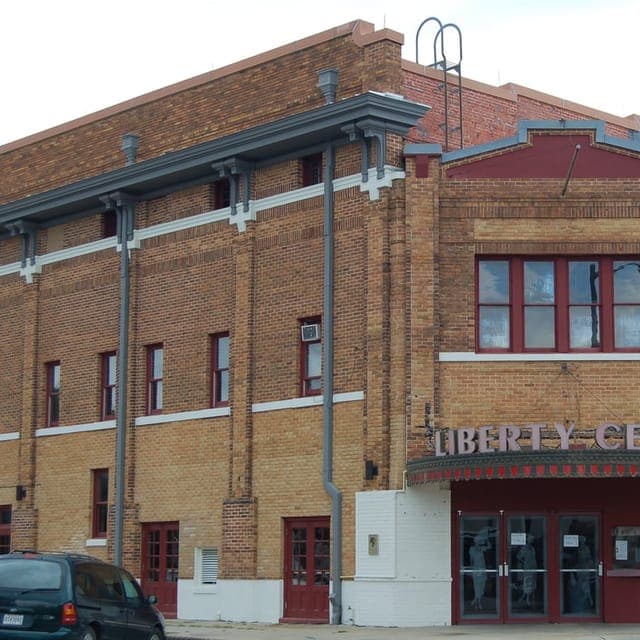
High school football isn’t just a pastime here—it’s the calendar event that defines autumn. Opelousas High School and Eunice High School draw crowds that rival small-college attendance, and the rivalry games between them are the kind of thing grandparents plan reunions around. For live music, the Liberty Theatre in Opelousas and the Cajun Music Hall of Fame in Eunice keep zydeco and Cajun traditions alive, while the annual Original Southwest Louisiana Zydeco Festival in Plaisance draws national acts to a field where the dust rises as fast as the accordion beats. The parish also hosts the Louisiana Yambilee Festival in Opelousas each October, a sweet-potato celebration with a parade, carnival, and enough pecan pie to fuel a month of Sunday dinners. If you’re the outdoors type, the Atchafalaya Basin is a 30-minute drive from most of the parish, offering swamp tours, fishing, and kayak trails that feel a world away from the crawfish ponds and sugarcane fields lining Highway 190.
Who Fits In, and What Might Drive You Crazy
This parish is best suited for people who want affordable space—median home values are $142,900, meaning a family can often buy a three-bedroom house with a yard on a single modest income—and who don’t mind a slower social pace. Only 14.3% of adults hold a college degree, so the professional networking scene is thin compared to larger metros, but the tradeoff is a community where neighbors actually know your name and the local hardware store still remembers your roofing project from two years ago. The kind of person who thrives here is someone who values tradition, doesn’t need a new craft brewery on every corner, and enjoys a Sunday afternoon drive through the rolling farm country around Grand Coteau, where the oak-lined roads feel like a postcard from 1985. Families often gravitate toward communities like Arnaudville or Washington, where the schools are small enough that teachers know every student’s name—though higher-performing public options are limited, which pushes some parents toward private Catholic schools in Opelousas.
On the downside, the violent crime rate of 361.5 per 100,000 residents is notably higher than the national average, and while most of that is concentrated in specific Opelousas neighborhoods, it’s a real concern for anyone walking downtown after dark. The local job market doesn’t have many white-collar options, and young professionals often have to hustle remote work or long commutes. Roads like I-49 cut through the parish, but rural routes between towns can be dark and poorly lit, with the occasional stray cow or deer adding an unwelcome thrill to your evening commute. Summer heat is oppressive (think 90°F with 80% humidity from June through September), and hurricane season brings anxiety that no amount of boiled crawfish can fully soothe. Still, for those who value affordability, cultural depth, and a pace that lets you breathe, St. Landry Parish offers a grounded, unpretentious life that feels increasingly rare in a fast-moving world.

* Values derived from national, state, county, city and local statistics and may differ in a specific area. Last updated: 2026-06-24T18:05:00.000Z
Narrative content on this page is AI-generated and may contain mistakes. Verify any details that matter before acting on them.
ReloMaps may earn a commission from affiliate links at no extra cost to you.

