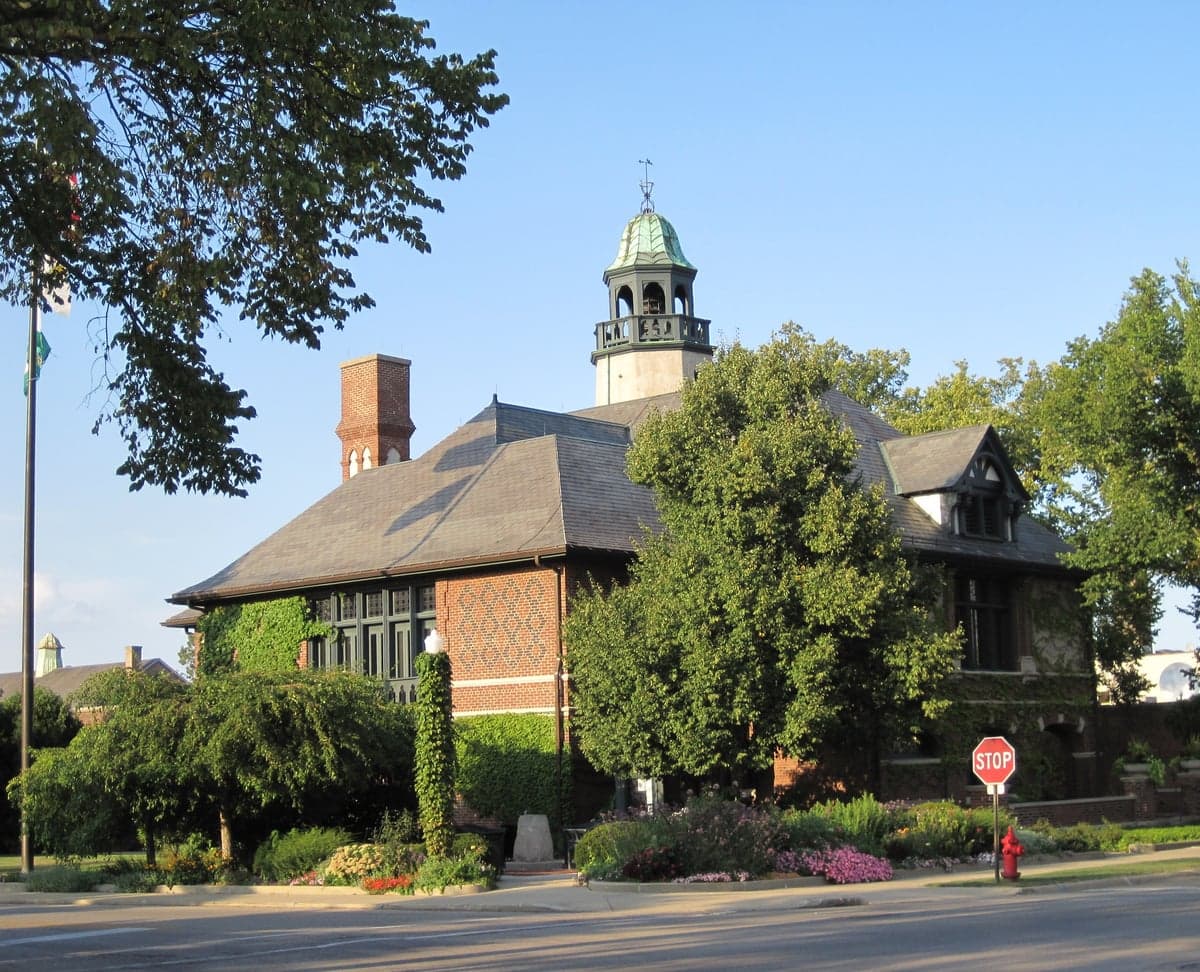
Photo: Wikipedia
Quality of Life in Lake Forest, IL
A high quality of life with strong walkability, manageable living costs, healthy neighborhood signals, and solid amenity access.
What does Quality of Life tell us?
Quality of Life blends cost of living, nearby amenities, socioeconomic signals, and neighborhood character. City-level scores represent the whole municipality; individual neighborhoods can differ.
What does this tell us?
Quality of Life blends cost of living, nearby amenities, socioeconomic signals, and neighborhood character. City-level scores represent the whole municipality; individual neighborhoods can differ.
Cost of Living
138% above national average
The Real Cost of Living in Lake Forest, IL for 2026
| Tier | Individual | Family (4) |
|---|---|---|
| Survival | $34k | $64k |
| Comfortable | $177k | $260k |
| Luxury | $412k+ | $639k+ |
| Elite (Top 5%) | $502k+ | $778k+ |
88%
The Area Signal
A metric tracking the socioeconomic signals of the area.
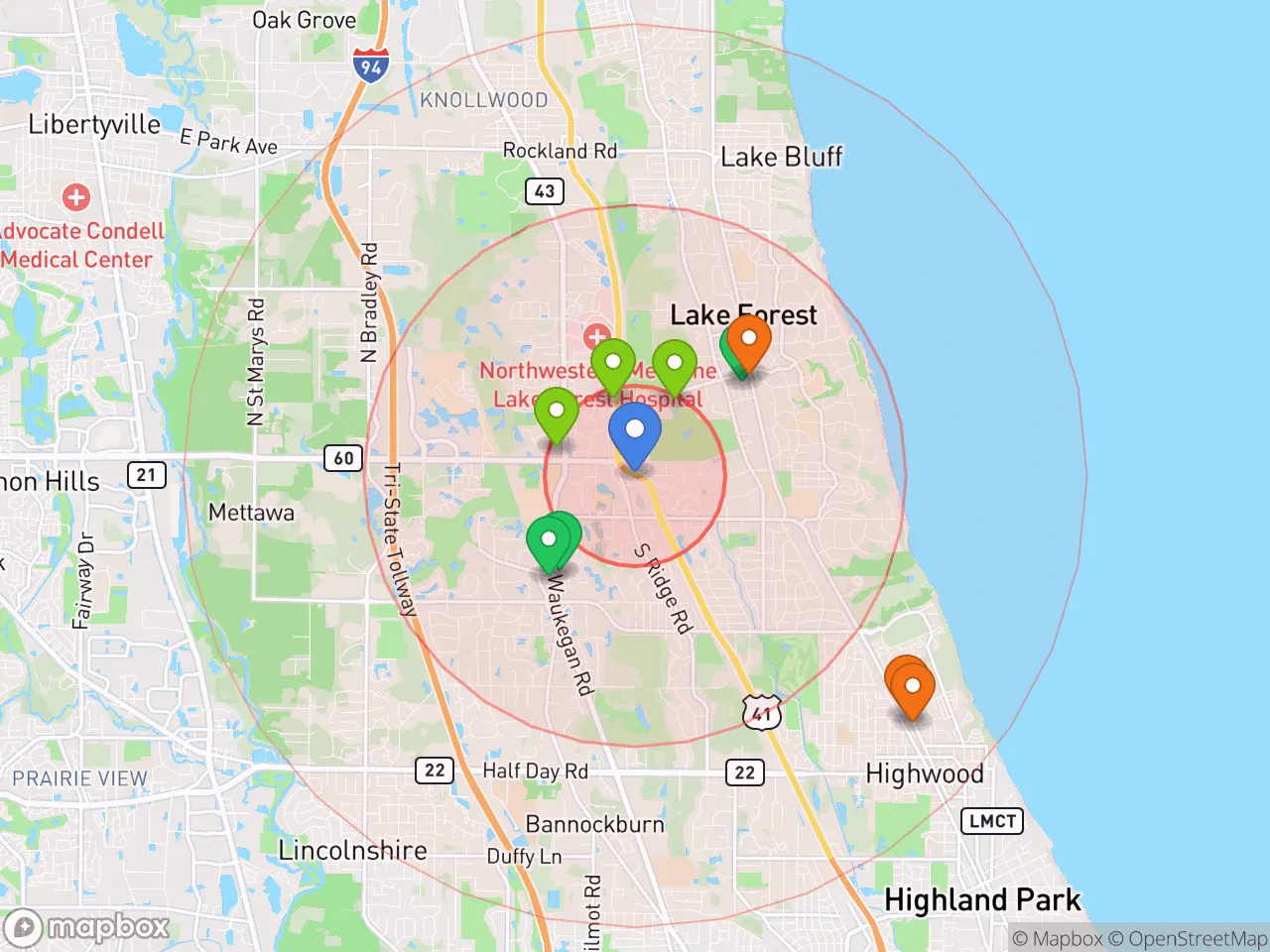
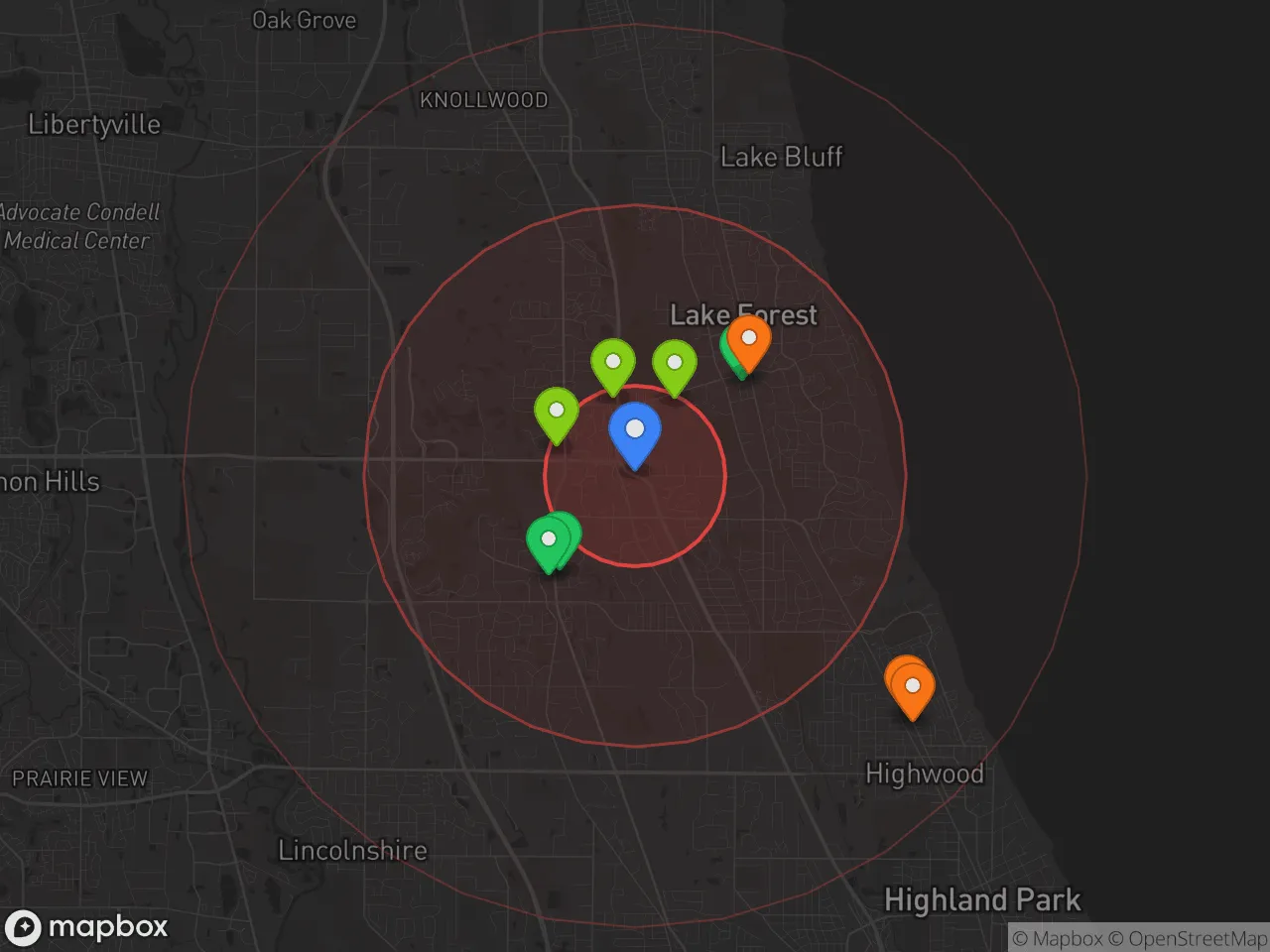
Hobbies
Explore the areaGroceries
0 within 10 miles
Gas
0 within 10 miles
Hospital
0 within 20 miles
Airport
ORD — O'Hare International
Post Office
Critical Amenities
Quality-of-Life Analysis
Lake Forest, Illinois, is one of the most affluent communities in the Midwest, with a cost of living index of 238 (nearly 2.4 times the U.S. average) that reflects its concentration of executive-level professionals, entrepreneurs, and legacy wealth. The city’s tree-lined streets, historic estates along Lake Michigan, and proximity to downtown Chicago via Metra attract a demographic that prioritizes privacy, top-tier education, and a slower-paced suburban lifestyle without sacrificing urban access. This is a community where the median household income exceeds $200,000, and the population skews older and highly educated, with many residents working in finance, law, and corporate leadership roles in the Chicago metro.
Cost of living, housing, and how Lake Forest compares to nearby suburbs
Lake Forest’s housing market is the primary driver of its high cost of living. The median home value sits at $909,800, significantly above neighboring Lake Bluff ($650,000) and Lake Zurich ($475,000), though still below the ultra-premium enclave of Kenilworth ($1.4 million). Renters face a median rent of $2,120, which is roughly 30% higher than the national median but comparable to other North Shore communities like Winnetka and Highland Park. Property taxes in Lake County are among the highest in Illinois, averaging around 2.1% of assessed value, which adds roughly $19,000 annually to the cost of owning a median-priced home. For buyers, the trade-off is access to one of the state’s best school districts (Lake Forest Community High School District 115) and a housing stock that includes both historic mansions and newer custom builds. The average commute of 33.7 minutes is longer than the national average (26 minutes) but typical for North Shore residents who take the Metra Union Pacific North Line into Chicago’s Ogilvie Transportation Center, a 50-minute ride that many use for remote work or reading.
Amenities, schools, and what daily life is like for families
Daily life in Lake Forest revolves around a walkable downtown with independent shops, the Lake Forest Book Store, and restaurants like The Lantern and Egg Harbor Café. The city’s 400-acre Forest Park Beach and the 30-mile Lake County Forest Preserve trail system provide year-round outdoor recreation, from sailing and paddleboarding to cross-country skiing. The public schools are a major draw: Lake Forest High School consistently ranks among the top 5% nationally, with a 97% graduation rate and a 12:1 student-teacher ratio, while elementary schools like Cherokee and Everett feed into Deer Path Middle School. Private options include Lake Forest Academy (a prestigious boarding school) and the Woodlands Academy of the Sacred Heart. The cultural calendar is anchored by the Lake Forest Symphony, the Gorton Community Center’s film series, and the annual Lake Forest Day festival. For families, the rhythm is structured around school events, youth sports at the Lake Forest Recreation Center, and weekend trips to the Chicago Botanic Garden in nearby Glencoe.
Lake Forest is best suited for families and professionals who value elite public education, low crime rates (violent crime is roughly 80% below the national average), and a strong sense of community rooted in historic preservation and philanthropy. It is less ideal for young singles or renters seeking nightlife or affordability, as the social scene is family-oriented and the housing market effectively prices out most first-time buyers. Those who thrive here are typically established in their careers, willing to trade a longer commute for a lakefront lifestyle, and comfortable with the high property taxes that fund the area’s exceptional schools and services. For anyone seeking a quieter, wealthier alternative to the Gold Coast or Lincoln Park, Lake Forest offers a distinct North Shore experience that has remained remarkably stable for over a century.

Crime in Lake Forest, IL
Lower crime rates than 96% of comparable U.S. locations.
Violent CrimeViolent Crime Analysis
Property CrimeProperty Crime Analysis
Crime Analysis
Lake Forest, Illinois, is one of the safest cities in the Chicago metropolitan area, with a violent crime rate of just 20.3 incidents per 100,000 residents—roughly 95% lower than the national average. Property crime, at 502.1 per 100,000, also sits well below the U.S. median, though it remains the more common concern for residents. This affluent North Shore suburb benefits from its own dedicated police department and a community profile that naturally deters most serious crime.
Crime in context
Lake Forest's violent crime rate is a fraction of both the Illinois state average (roughly 400 per 100,000) and the national figure (about 380 per 100,000). Property crime in Lake Forest is also notably lower than the national average of roughly 1,950 per 100,000. However, these statistics must be weighed against the broader Lake County and Cook County judicial environment. Lake County, like much of the Chicago region, has seen progressive prosecutorial policies that critics argue reduce accountability for repeat offenders. State's Attorney Eric Rinehart, elected in 2020, has implemented policies such as declining to prosecute certain low-level offenses and emphasizing diversion programs. While Lake Forest's own crime numbers remain low, residents should be aware that criminals from nearby communities with more lenient justice systems may travel into affluent areas, a pattern observed in other suburban rings around progressive metro areas.
What residents experience
For the typical Lake Forest household, crime is a background concern rather than a daily reality. The most common property crimes are theft from vehicles and package theft, particularly near the downtown Metra station and commercial corridors along Western Avenue. Violent crime is rare and almost never random; incidents that do occur are typically domestic or involve known parties. Lake Forest has not experienced a homicide in most recent years, and aggravated assaults are sporadic. Residents report feeling safe walking alone at night in most neighborhoods, though the city's large, wooded lots and winding streets can create isolated pockets where property crime is slightly elevated.
Neighborhood-level variation is modest but worth noting. The area east of Sheridan Road, closest to Lake Michigan, sees the lowest crime due to higher property values and limited public access. The central downtown district and areas near the train station experience slightly higher property crime, consistent with transit-oriented suburbs nationwide. The western edge of town, near the Waukegan border, has marginally higher incident rates but remains well below regional averages. Overall, Lake Forest's crime profile is excellent by any standard, but the surrounding progressive legal environment means residents should maintain standard precautions—locking vehicles, using home security systems, and reporting suspicious activity promptly.
* Values derived from national, state, county, city and local statistics and may differ in a specific area. Last updated: 2026-10-29T16:04:16.000Z
Narrative content on this page is AI-generated and may contain mistakes. Verify any details that matter before acting on them.
ReloMaps may earn a commission from affiliate links at no extra cost to you.

