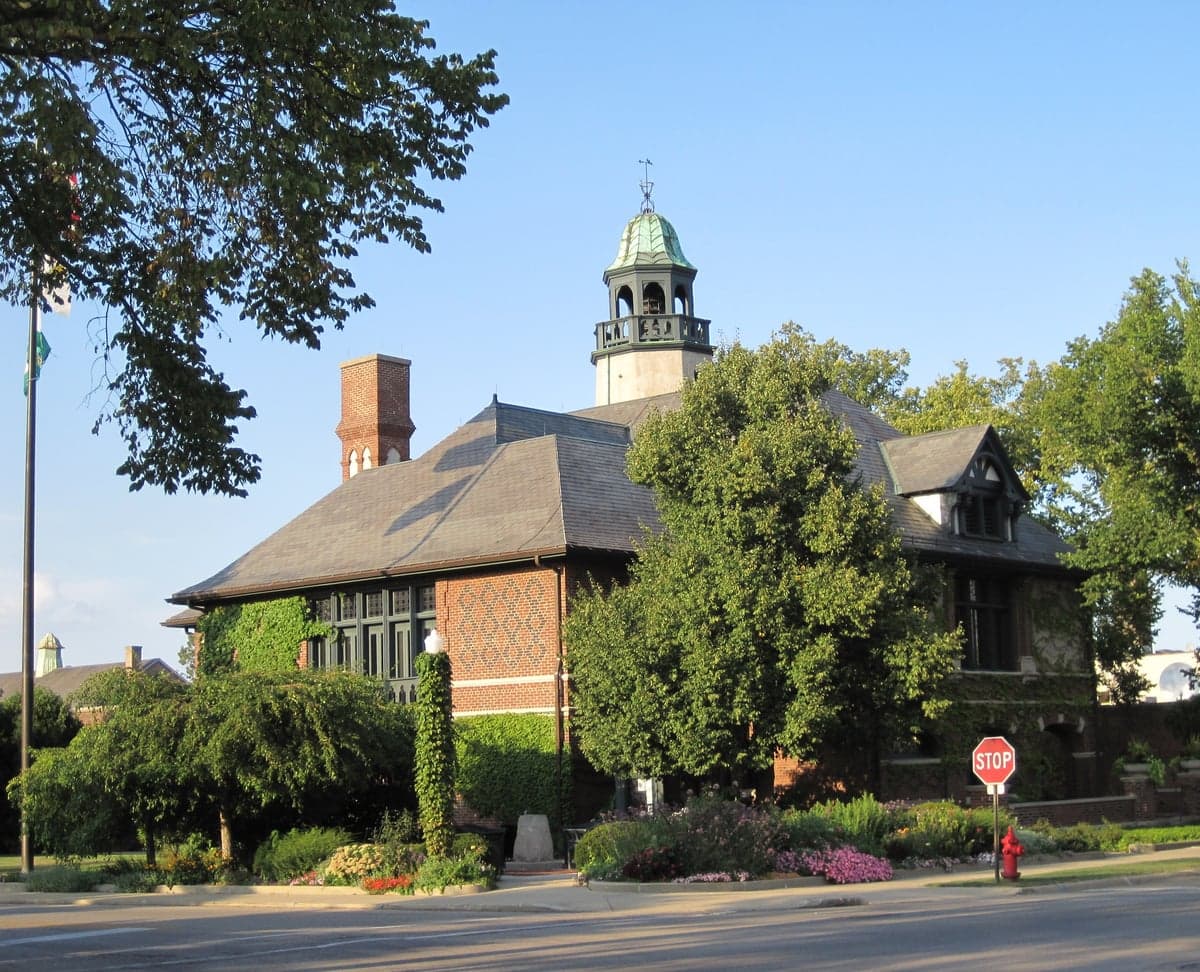
Photo: Wikipedia
Find The Best Places To Live
in Lake Forest
PRO TIP! You can paste a Zillow or Redfin link to get info on that property.
Compare Lake Forest with another place
What It's Like Living in Lake Forest, IL
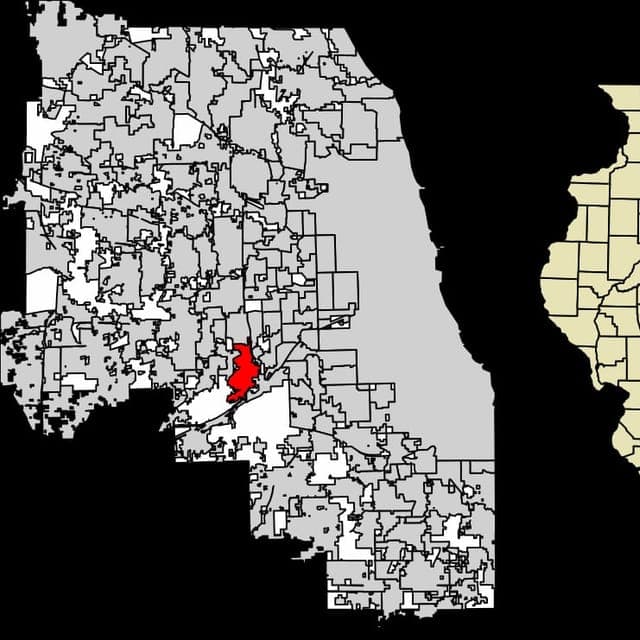
Lake Forest, Illinois, has a reputation that precedes it, and for good reason. It’s a community built on old money, deep roots, and a quiet, deliberate pace of life that feels a world away from Chicago, even though the city is just a 33-minute train ride south. Living here means embracing a certain formality—think brick mansions, manicured lawns, and a downtown that closes early—but also a surprising amount of genuine neighborliness, especially if you’re raising kids or value privacy over nightlife.
The Daily Rhythm: Quiet Mornings, Long Commutes, and a Strong School Tie
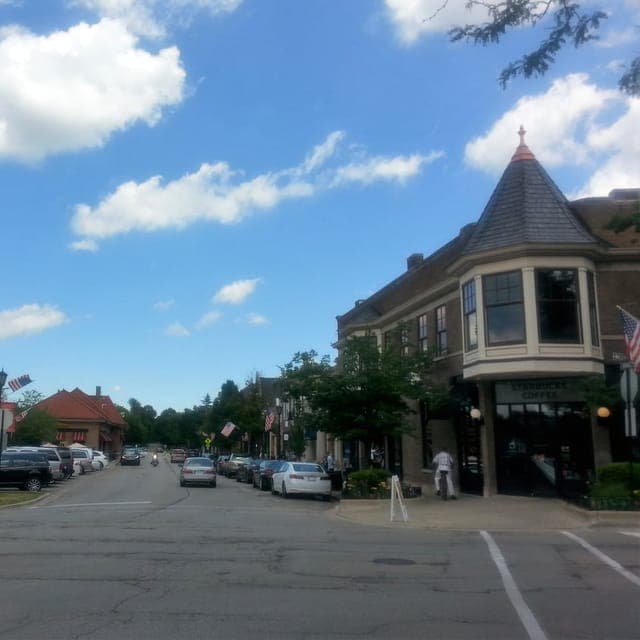
For most residents, the day starts early. The average commute clocks in at just under 34 minutes, and many of those minutes are spent driving to a Metra station or heading south toward Chicago’s Loop. The train is a social hub of sorts—you’ll see the same faces in business casual, reading the Wall Street Journal or catching up on sleep. By 7 p.m., downtown Lake Forest is largely quiet. The main drag, Market Square, is a charming, Tudor-style shopping district, but it’s not a place for late-night bar hopping. Instead, evenings revolve around home, school events, and dinner at a handful of reliable spots like The Lantern (a classic tavern known for its burgers) or Egg Harbor Café for weekend brunch. The median age here is 46.1, which reflects a population that’s largely past the party phase and settled into careers and family life.
Schools are the gravitational center of the community. Lake Forest High School’s sports and arts programs are a major source of identity—Friday night football games in the fall are well-attended, and the rivalry with Lake Bluff is genuine. The high school’s teams, the Scouts, are a big deal locally, but the energy is more “proud parent” than “raucous fan.” The town’s 80.8% college-educated rate means that academic achievement is a given, and the pressure on kids can be real. For adults, the social calendar is often built around school fundraisers, golf at the Lake Forest Club, or volunteering at the Gorton Community Center.
What’s There to Do: Parks, Festivals, and a Very Specific Kind of Fun
Outdoor life is a big draw. The Lake Forest Open Lands Association maintains miles of trails, and the Lake Michigan beach at Forest Park Beach is a summer staple—think families with coolers, sailboats on the horizon, and a strict no-alcohol policy that keeps things family-friendly. The big annual event is the Lake Forest Day festival in August, a classic small-town carnival with a parade, rides, and a fireworks show that feels like the entire town turns out. For music, the Ravinia Festival in neighboring Highland Park is a 10-minute drive and offers summer concerts ranging from the Chicago Symphony to pop acts. It’s a picnic-and-wine crowd, very much in line with the local vibe.
Dining is solid but not flashy. You’ll find upscale Italian at Francesca’s, a reliable sushi spot at Kuni’s, and the always-busy Wildfire for steak. For a drink, The Bar at Bank Lane is a hidden gem—a small, dimly lit spot that feels like a private club. But if you’re looking for a dive bar or a late-night music venue, you’ll be driving to Highwood or Waukegan. That’s a trade-off many residents accept willingly.
Pros and Cons of Living Here: The Honest Trade-Offs
Let’s be direct: Lake Forest is expensive. The median home value is $909,800, and the cost of living index sits at 238—more than double the national average. The median household income is $228,120, which tells you the kind of financial bracket needed to live comfortably. If you’re a single person on a modest salary, you’ll likely feel priced out. The town is overwhelmingly family-oriented, and single residents often find the social scene limited unless they’re involved in the church or country club circuits.
- Pros: Extremely low violent crime rate of 20.3 per 100,000 (one of the safest in the state). Top-tier public schools. Beautiful, walkable downtown with historic architecture. Easy Metra access to Chicago. Strong sense of community among families.
- Cons: Very high cost of housing and living. Limited nightlife and dining options after 9 p.m. Can feel insular or cliquey to newcomers. Long commutes for those working in the city. Winters are long and lake-effect snow can be heavy.
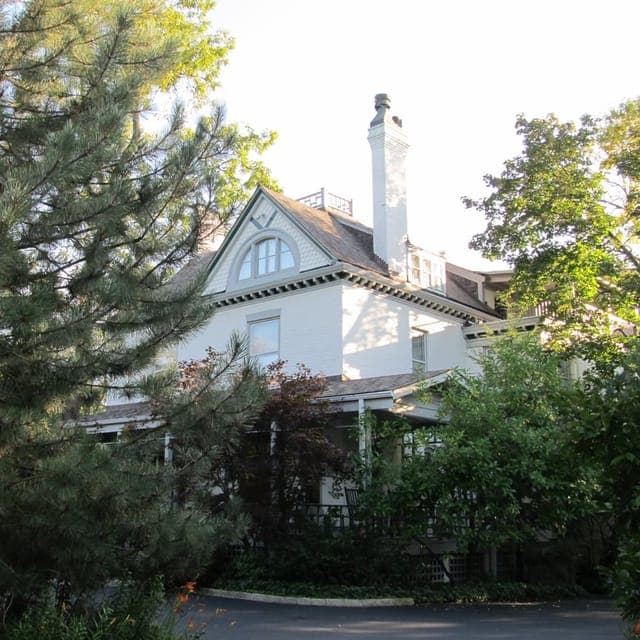
The cultural identity here is one of quiet, understated wealth. You won’t see a lot of flashy cars or designer labels—it’s more about the 100-year-old oak tree in the front yard and the fact that your neighbor’s family has been here since the 1890s. That can be charming or stifling, depending on your perspective. For the right person—someone who values safety, schools, and space over urban energy—Lake Forest is a genuinely lovely place to put down roots. For others, it might feel a bit too polished and quiet. Either way, it knows exactly what it is, and it doesn’t apologize for it.

Similar towns to Lake Forest

* Values derived from national, state, county, city and local statistics and may differ in a specific area. Last updated: 2026-10-29T16:04:16.000Z
Narrative content on this page is AI-generated and may contain mistakes. Verify any details that matter before acting on them.
ReloMaps may earn a commission from affiliate links at no extra cost to you.

