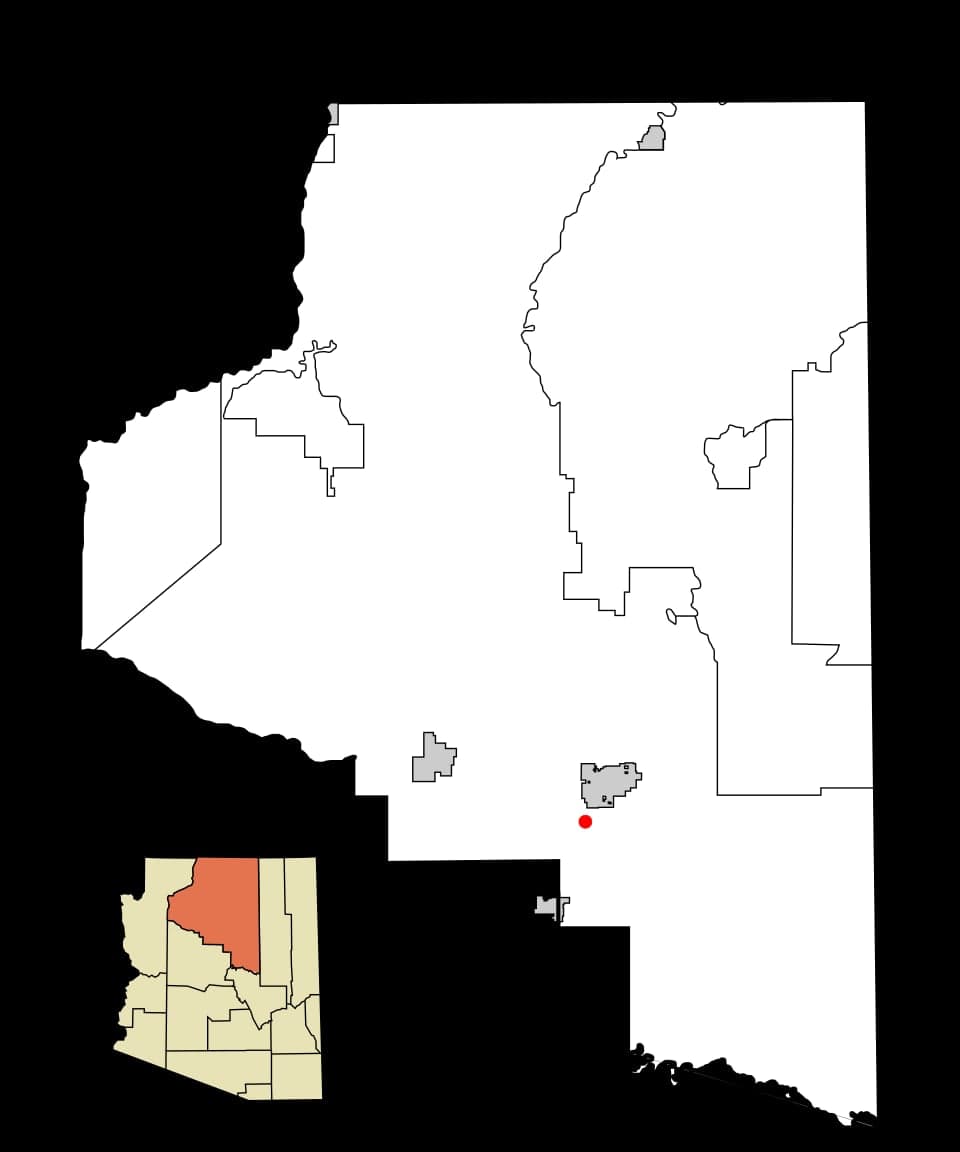
Photo: Wikipedia
Find The Best Places To Live
in Kachina Village
PRO TIP! You can paste a Zillow or Redfin link to get info on that property.
What It's Like Living in Kachina Village, AZ
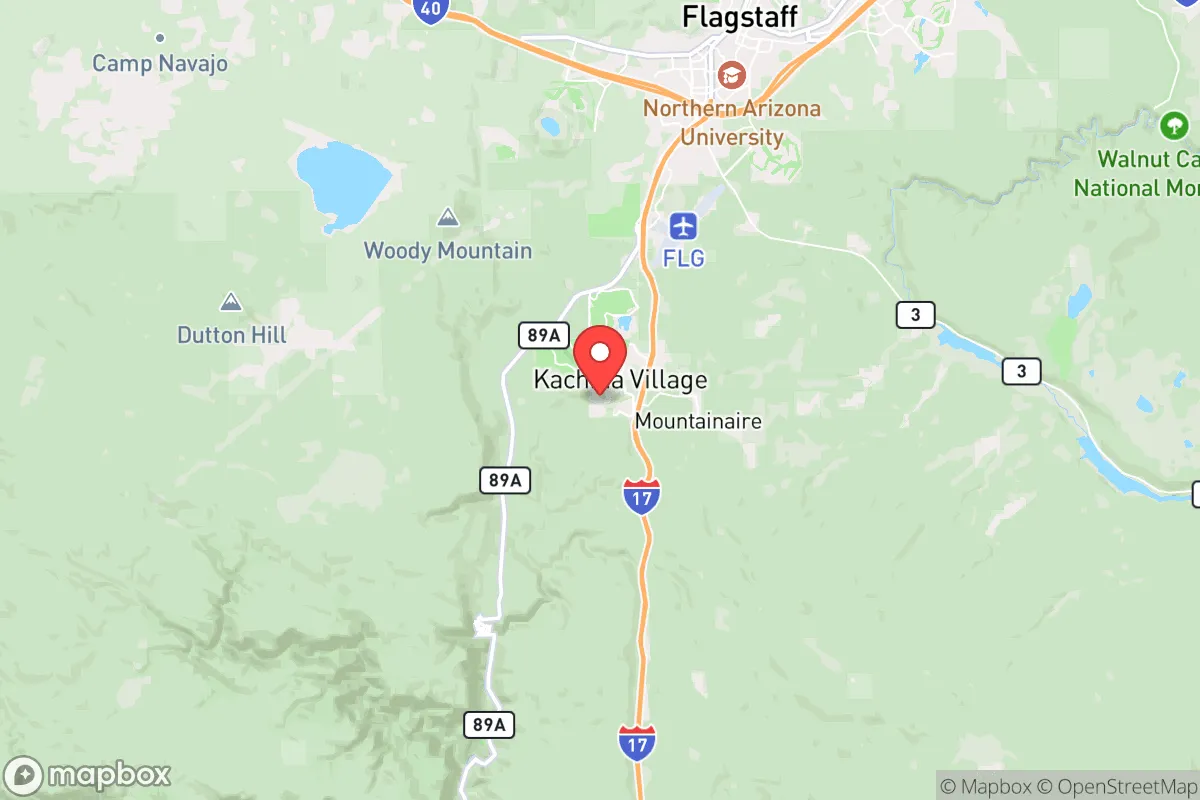
Kachina Village feels less like a standalone town and more like a quiet, wooded satellite of Flagstaff, where the main drag is a two-lane road and the sound of a train horn carries for miles. It’s the kind of place where people move specifically to be close to the San Francisco Peaks without paying Flagstaff prices, and where the daily rhythm is dictated more by snow season and monsoon season than by any downtown clock. With just over 3,200 residents, it’s small enough that you’ll recognize your neighbors’ trucks, but close enough to Flagstaff that you’re never more than 15 minutes from a grocery store or a brewery.
Daily Rhythm: Commutes, Coffee, and the Flagstaff Connection
Most people in Kachina Village work in Flagstaff, and the average commute clocks in at about 19 minutes — a short, scenic drive up Highway 180 that passes through pine forest and open meadows. That’s a genuine perk: you get the quiet of a rural subdivision without the soul-crushing drive. Mornings here start early for many, especially those who work at Northern Arizona University, Flagstaff Medical Center, or the Forest Service. There’s no downtown Kachina Village to speak of — no main street with a coffee shop or a diner — so daily errands mean heading north. Locals stock up at the Flagstaff Safeway or Natural Grocers, and for a quick bite, places like Diablo Burger or Beaver Street Brewery become the de facto neighborhood spots, even though they’re technically in a different town.
Weekends are where Kachina Village really shines. Residents spend them hiking the Kachina Trail on the Peaks, fishing at Upper Lake Mary, or driving 40 minutes to Snowbowl for skiing in winter. The village itself has no real commercial core — no bar, no restaurant, no gas station — so social life revolves around home gatherings, outdoor recreation, and the occasional trip into Flagstaff for a concert at the Orpheum Theater or a movie at the Harkins. It’s a lifestyle that suits people who don’t need a corner bar and prefer a backyard fire pit and a view of the stars.
Who Fits In: The Kachina Village Demographic
The community skews toward a specific kind of resident: college-educated professionals and families who value space and nature over urban convenience. About half of adults hold a bachelor’s degree or higher, and the median household income sits at $79,085 — solidly middle-class for northern Arizona, though the cost of living index of 122 means that dollar doesn’t stretch as far as it would in Phoenix or Tucson. The median home value of $406,000 is steep for a small unincorporated community, but it’s still significantly cheaper than comparable homes in Flagstaff proper. That price gap is the main reason people settle here: you get a house on an acre lot with ponderosa pines in the yard for what a townhouse would cost closer to downtown.
The median age of 37 suggests a mix of young families and established professionals. You’ll see kids on bikes on summer evenings, and the local elementary school — Kachina Elementary, part of the Flagstaff Unified School District — serves as a real community anchor. School events, soccer games, and the annual science fair draw parents together in a way that wouldn’t happen in a larger city. High schoolers bus into Flagstaff, which means they get the social opportunities of a bigger school while coming home to a quiet neighborhood.
Sports, Seasons, and What There Is to Do
Sports culture here is filtered through Flagstaff. There’s no Kachina Village high school team to rally behind, but locals follow NAU Lumberjacks basketball and football with real enthusiasm — especially when the Lumberjacks make a run in the Big Sky Conference. The bigger sporting draw, though, is the outdoors itself. The Flagstaff 100 mountain bike race and the Snowbowl ski season define the annual rhythm. In winter, the village fills with the glow of headlamps as residents head up the mountain before dawn. In summer, the monsoon rains roll in most afternoons around 2 PM, a reliable pattern that locals plan their hikes and barbecues around.
For entertainment, you drive. The Flagstaff Folk Festival and the Northern Arizona Book Festival are annual highlights, and the Historic Downtown Flagstaff district offers live music, art walks, and the kind of brewery scene you’d expect from a college town at 7,000 feet. Kachina Village itself hosts no major festivals, but the Fourth of July parade in nearby Mountainaire draws the whole area out for small-town Americana. The lack of local nightlife is a real con for some — if you want a late-night bar, you’re driving 15 minutes each way, and you’ll want to plan around the snow.
Pros and Cons of Living in Kachina Village
- Pro: Genuine quiet. No streetlights, no traffic noise, no sirens. The night sky is dark enough for stargazing, and the loudest sound is often the wind in the pines.
- Con: No local services. No grocery store, no gas station, no restaurant, no pharmacy. Every errand requires a drive to Flagstaff, and in winter that drive can be treacherous.
- Pro: Proximity to world-class recreation. You’re 10 minutes from Snowbowl, 15 minutes from the Kachina Trailhead, and 20 minutes from the Inner Basin. Outdoor access is genuinely exceptional.
- Con: The crime rate is higher than you’d expect. The violent crime rate of 376.9 per 100,000 residents is above the national average, and while much of it is property-related and concentrated near the highway corridor, it’s worth noting for families.
- Pro: A real sense of community. Neighbors look out for each other, and the small elementary school creates natural social bonds. It’s the kind of place where a lost dog gets found within an hour.
- Con: Snow season is long. Expect snow on the ground from November through April, and plan for regular shoveling, icy roads, and the occasional power outage.
Kachina Village isn’t for everyone. If you need walkable amenities, a vibrant nightlife, or a warm winter, you’ll be frustrated. But if your idea of a good weekend involves a trailhead, a campfire, and a 19-minute commute to a solid job, it’s one of the most livable small communities in northern Arizona.

Similar small towns to Kachina Village

* Values derived from national, state, county, city and local statistics and may differ in a specific area. Last updated: 2026-10-24T16:48:27.000Z
Narrative content on this page is AI-generated and may contain mistakes. Verify any details that matter before acting on them.
ReloMaps may earn a commission from affiliate links at no extra cost to you.

