Photo: Wikipedia
Find The Best Places To Live
in Ajo
PRO TIP! You can paste a Zillow or Redfin link to get info on that property.
What It's Like Living in Ajo, AZ
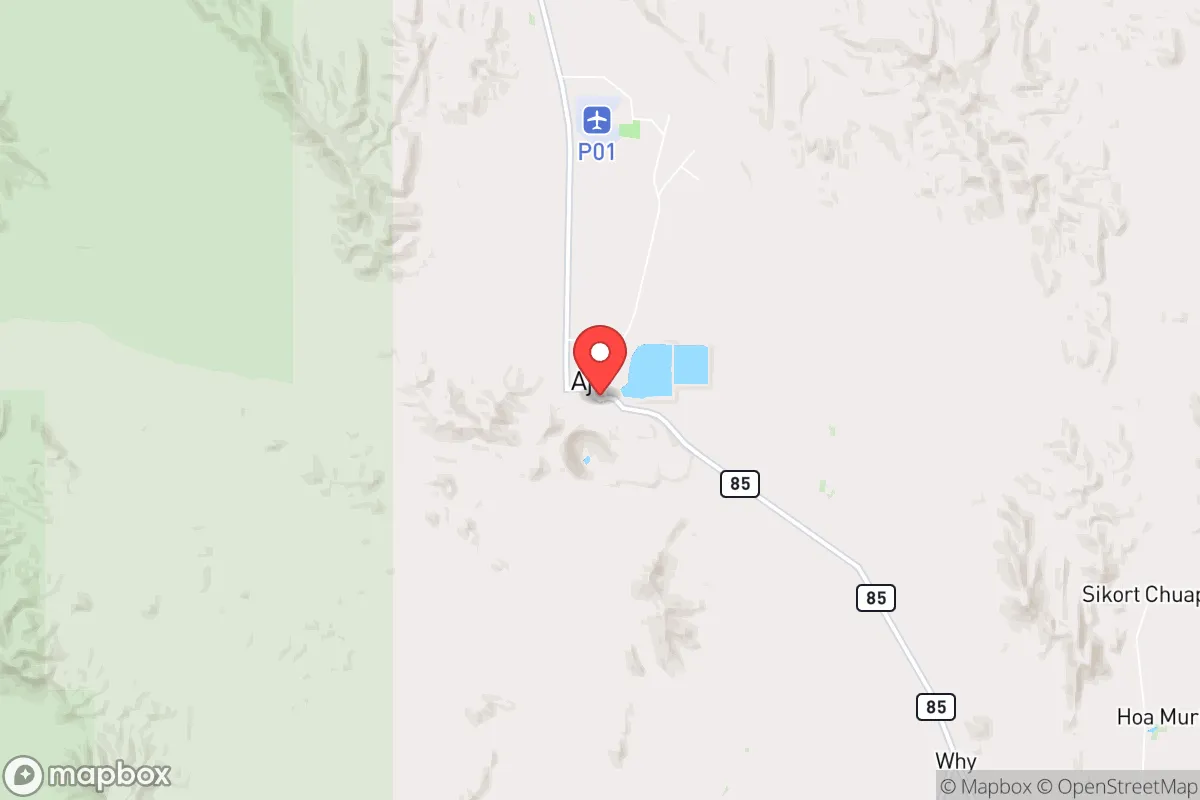
Ajo, Arizona, feels like a place that time didn’t forget so much as politely excuse itself from. It’s a small, sun-baked community of about 3,783 people, tucked into the Sonoran Desert about 40 miles from the Mexican border and two hours from Tucson. The vibe is quiet, self-reliant, and distinctly old-school—think retired snowbirds, border patrol families, and a handful of younger folks who came for the cheap land and stayed for the silence. If you’re looking for a manicured suburb or a nightlife scene, this isn’t it. But if the idea of wide-open skies, a slower pace, and a town where everybody knows your truck sounds appealing, Ajo might surprise you.
Daily Rhythm in a Desert Town
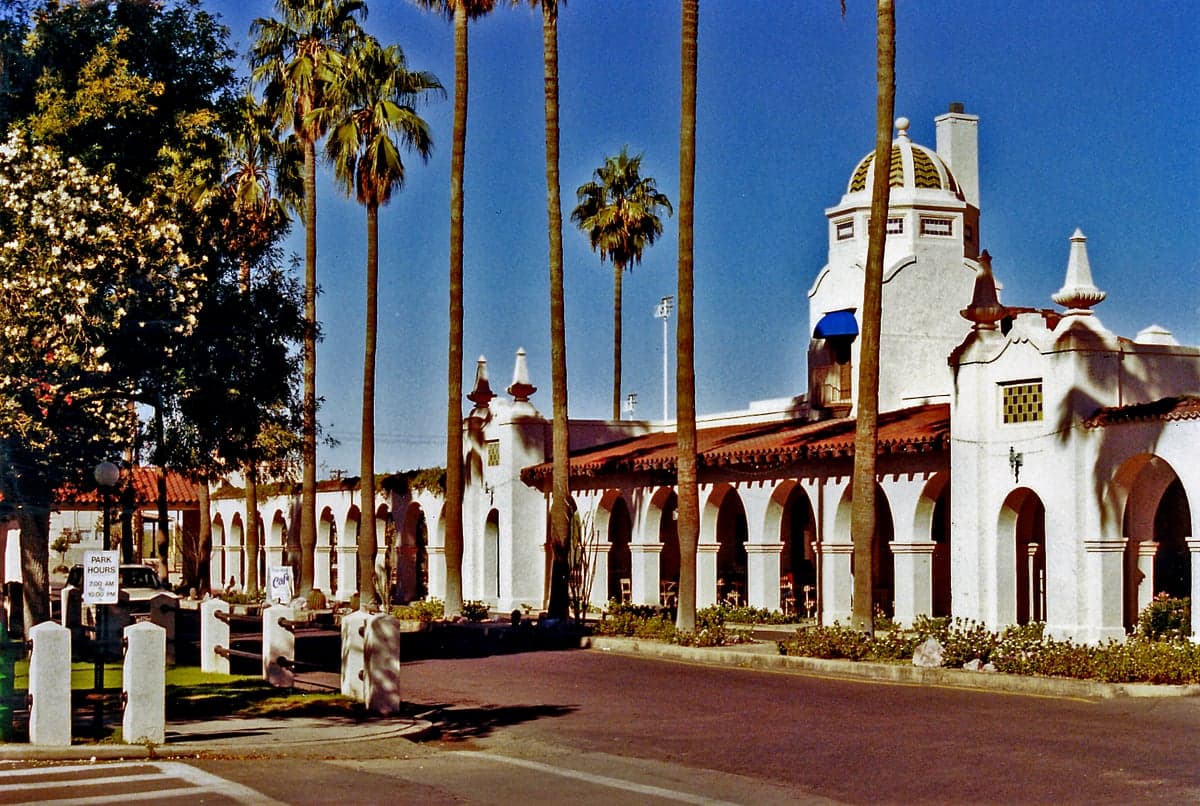
Life in Ajo moves at the pace of the sun. Mornings are for errands—a run to the Bashas’ grocery store, coffee at the Ajo Coffee Company on the historic Plaza, or a chat with a neighbor at the post office. The Plaza itself is the heart of town, a Spanish Colonial Revival square that feels like a movie set, with its arched walkways and the old copper mining buildings looming in the background. Most people work in local government, the school district, or the nearby Organ Pipe Cactus National Monument, which is the area’s biggest employer outside of border security. The median household income here is $56,364, which goes a long way thanks to a cost of living index of 65—well below the national average. A median home value of $126,400 means a family can buy a three-bedroom house for what a down payment costs in Phoenix. Weekends are for the outdoors: hiking the Ajo Mountain Loop, shooting photos of the desert blooms in spring, or driving the 40 miles to Why, Arizona, for a cold beer at the Why Not Travel Store, a genuine roadside dive.
Who Fits In—and Who Doesn’t
Ajo attracts a specific kind of person: someone who values solitude over convenience, and who doesn’t mind driving 45 minutes to the nearest Walmart (in Gila Bend) or two hours to a Costco. The median age is 47.4, which tells you this is a town of retirees and empty-nesters, though there’s a solid core of working-age families tied to the schools and border patrol. Only about 29.2% of adults hold a college degree, so this isn’t a place where you’ll find a lot of remote tech workers or artist collectives. It’s a blue-collar, self-sufficient community where people wave from their trucks and actually mean it. The kind of person who thrives here is handy, doesn’t mind dust, and has a hobby—restoring a classic car, tending a desert garden, or birding. If you need a gym, a movie theater, or a decent sushi place, you’ll be frustrated. But if you want to wake up to absolute quiet and a view of the Bates Mountains, you’ll be content.
Sports, Festivals, and What Passes for Nightlife
Sports in Ajo are high school sports, and they’re a big deal. The Ajo Red Raiders football and basketball games on Friday nights are community events—everyone shows up, the concession stand does brisk business, and the stands are full of parents, grandparents, and former students. There’s no pro or college team within two hours, so the Red Raiders are it. For entertainment, the annual Ajo Film Festival in February draws a surprising crowd, screening indie films in the historic Ajo Little Theatre. The Ajo Arts Festival in January fills the Plaza with local painters, potters, and musicians. Bars are limited: the Ajo Tap Room on the Plaza is the main hangout, a friendly spot with craft beer and live music on weekends. For a more rugged night, the Why Not Travel Store in Why (population 80) is a legendary biker and traveler stop, with a bar that’s been featured in road-trip documentaries. The biggest outdoor draw is Organ Pipe Cactus National Monument, a UNESCO biosphere reserve with 300,000 acres of hiking, camping, and stargazing. It’s the kind of place where you can drive 20 minutes and not see another soul.
Honest Pros and Cons of Living in Ajo
Longtime residents love the peace, the low cost of living, and the genuine community feel. You can leave your doors unlocked, kids can ride bikes on the dirt roads, and neighbors will check on you if you don’t pick up your mail. The downsides are real, though. The violent crime rate is 374 per 100,000—higher than the national average of about 380, but it’s concentrated in a few areas and often tied to border-related activity. Property crime, especially vehicle break-ins, is a nuisance. The average commute is 24 minutes, which sounds short, but that’s because most jobs are local or remote; a trip to Tucson for a doctor’s appointment is a two-hour round trip. Summers are brutal—June through August see daily highs of 105°F or more, and the monsoon season brings dramatic but dangerous flash floods. The schools, Ajo Unified School District, are small (about 500 students K-12) and well-regarded by parents for their tight-knit feel, but advanced classes and extracurriculars are limited. The biggest frustration locals mention is the lack of healthcare—the nearest hospital is 40 miles away in Gila Bend, and specialists require a drive to Tucson. If you’re healthy, retired, and love the desert, Ajo is a gem. If you need amenities or a fast-paced career, it’s a tough sell.

Similar small towns to Ajo
* Values derived from national, state, county, city and local statistics and may differ in a specific area. Last updated: 2026-09-07T02:05:17.000Z
Narrative content on this page is AI-generated and may contain mistakes. Verify any details that matter before acting on them.
ReloMaps may earn a commission from affiliate links at no extra cost to you.

