Photo: Wikipedia
Find The Best Places To Live in Pima County
PRO TIP! You can paste a Zillow or Redfin link to get info on that property.
Best Places to Live in Pima County
Cities & Towns in Pima County
Cities in Pima County
What It's Like Living in Pima County, AZ
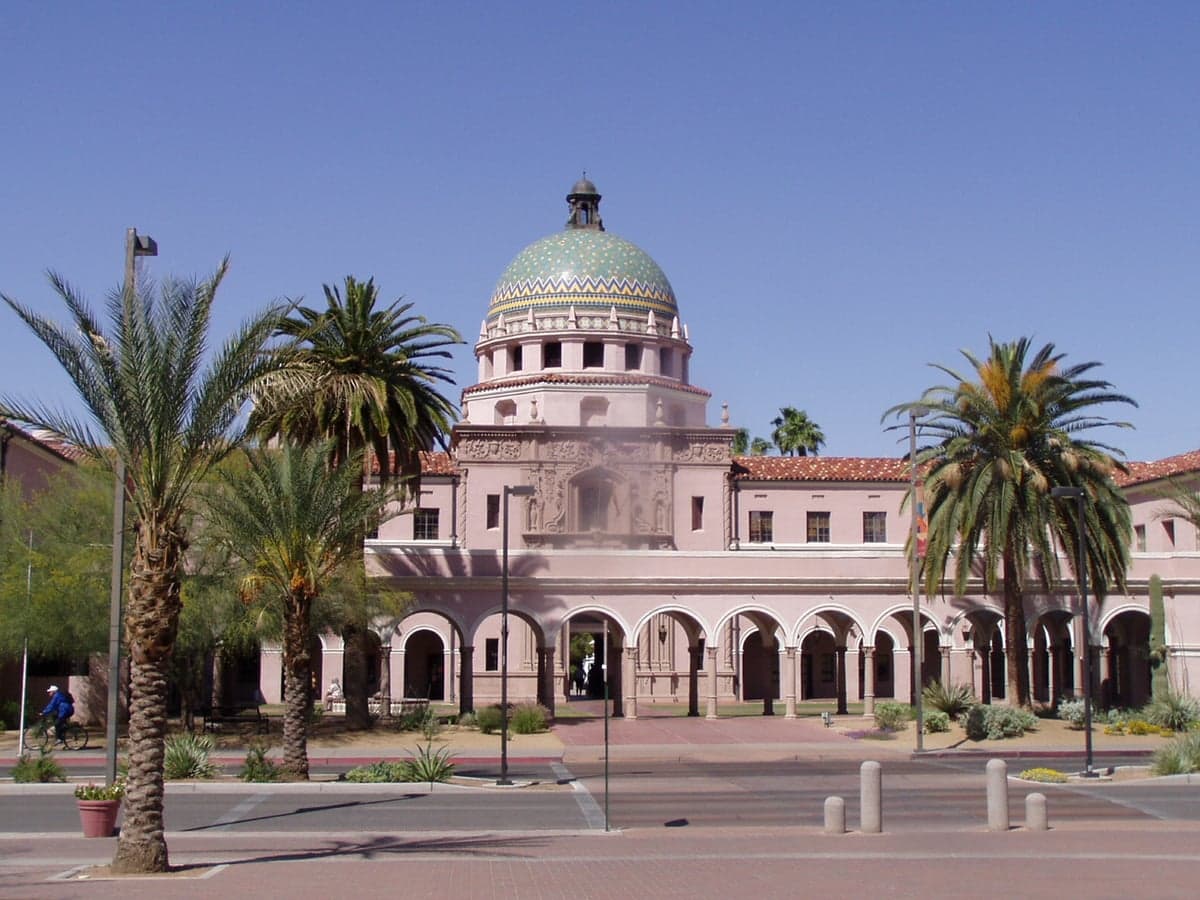
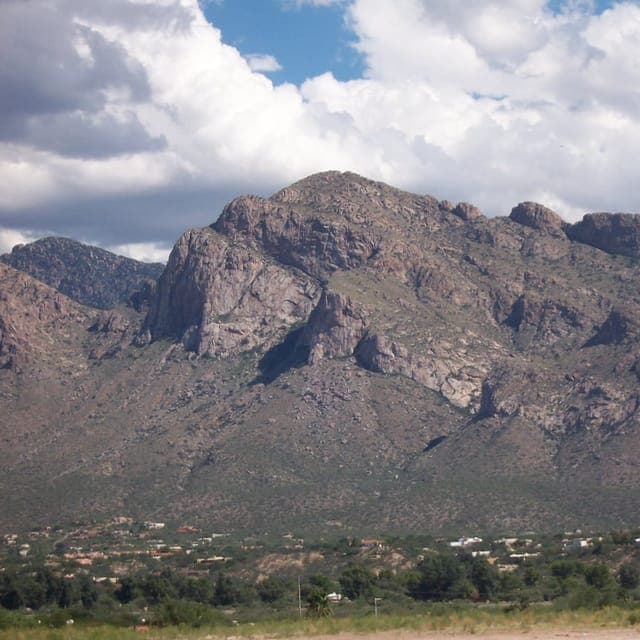
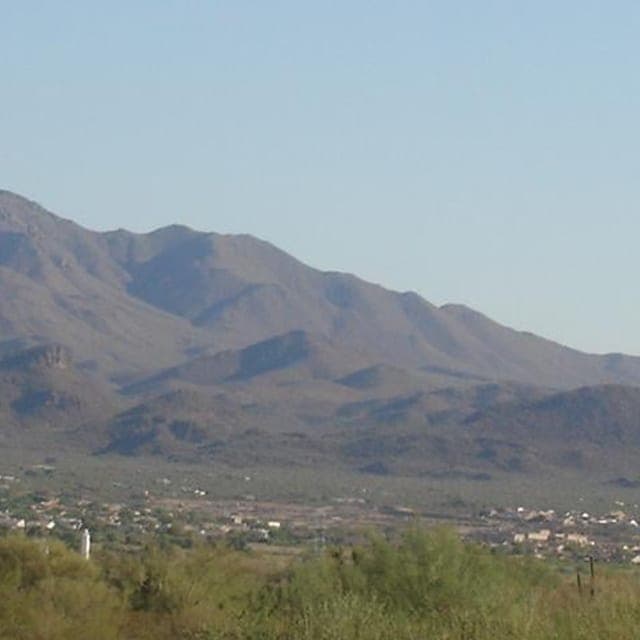
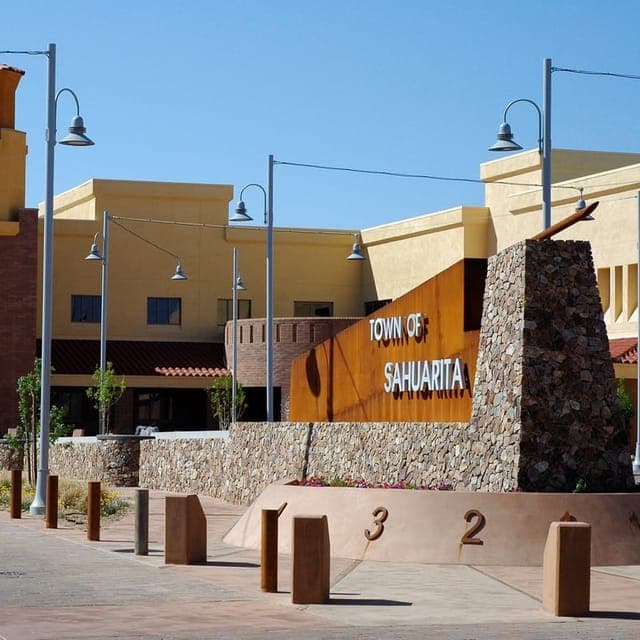
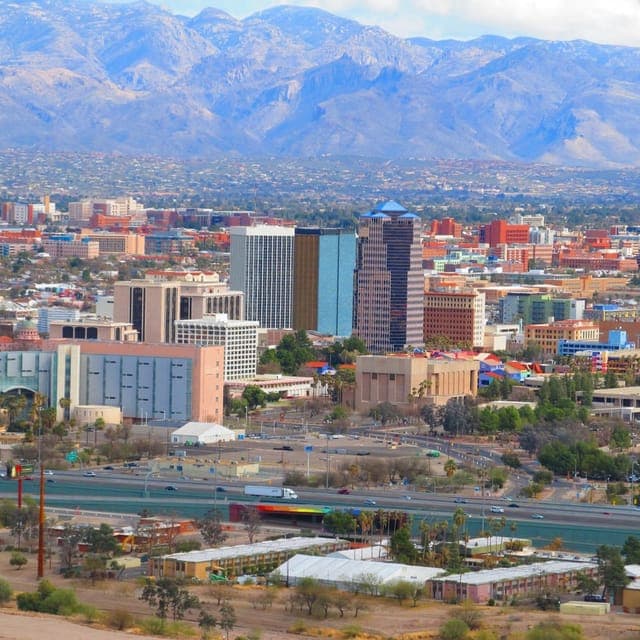
Living in Pima County means waking up to the Santa Catalina Mountains glowing pink at sunrise, grabbing coffee at a local spot in Tucson, and driving 30 minutes to find yourself in a completely different world—whether that’s the Saguaro National Park, a historic mining town like Oro Valley, or the wide-open ranchlands near Sahuarita. With just over a million residents spread across a county the size of some small states, the vibe shifts dramatically depending on where you land. Tucson is the urban core, but towns like Marana, Green Valley, and Vail each have their own distinct flavor, making Pima County feel less like one big metro and more like a collection of communities that happen to share a zip code prefix.
The Daily Rhythm: From Tucson’s Bustle to Rural Quiet
For most people, daily life in Pima County revolves around a few constants: the weather, the commute, and the food. The average commute clocks in at just over 24 minutes, which feels reasonable even by mid-sized city standards. In Tucson, you’ll see people heading to work at the University of Arizona, Raytheon, or one of the many healthcare systems that anchor the local economy. In Oro Valley and Marana, the crowd tilts toward families and retirees who value newer housing developments and good schools. Green Valley is almost entirely 55+, with golf carts and pickleball courts replacing the rush-hour grind. The median household income sits at $67,929, which goes further here than in Phoenix or Denver thanks to a cost of living that’s right at the national average. That $286,900 median home value buys you more square footage and land than you’d get in most coastal metros, though prices have crept up noticeably since 2020.
Weekends are where the county’s geography really shines. Locals in Tucson might hike Sabino Canyon in the morning and catch a show at the Rialto Theatre that night. People in Sahuarita often head to the Titan Missile Museum or spend the afternoon at a local park. The food scene is a genuine draw—Sonoran hot dogs, carne seca, and flour tortillas from places like El Guero Canelo are part of the cultural fabric. If you’re not into outdoor activity or Mexican food, you might find the social scene limited, but for those who are, it’s hard to beat.
Sports, Community, and What People Actually Do for Fun
Sports in Pima County are a big deal, but not in the way you might expect. There’s no major pro team, but the University of Arizona Wildcats dominate the conversation from fall through spring. Basketball is king here—McKale Center gets loud during conference games, and the whole county seems to tune in for March Madness. High school football is also a serious affair in towns like Marana and Vail, where Friday-night games draw crowds that rival small-college attendance. For pro sports fans, it’s a short drive up to Phoenix for Cardinals or Suns games, but most locals are perfectly happy following the Wildcats and catching a Tucson Roadrunners hockey game at the Tucson Convention Center.
Beyond sports, the entertainment calendar is packed with events that reflect the county’s blend of cultures and landscapes. The Tucson Gem and Mineral Show draws collectors from around the world. The Pima County Fair in Tucson is a staple for families. Music venues like the Fox Theatre and Club Congress host everything from indie bands to country acts. For outdoor recreation, the options are almost overwhelming—Saguaro National Park, the Sonoran Desert Museum, and Mount Lemmon (where you can ski in the winter) are all within an hour of downtown. The trade-off is that summer heat from June through September keeps a lot of people indoors or near a pool, and the monsoon season can bring dramatic but disruptive storms.
Pros and Cons of Living in Pima County
The honest upsides are hard to argue with. The cost of living is reasonable, the natural beauty is world-class, and the pace of life is slower and more intentional than Phoenix or Dallas. The county leans slightly conservative in its outlying towns—Green Valley and Vail tend to vote red, while Tucson itself is more progressive—so there’s a genuine mix of political perspectives depending on where you settle. The median age of 39.7 reflects a population that includes both young professionals and a large retiree base, which keeps the community from feeling too one-note.
On the downside, the violent crime rate of 372 per 100,000 is higher than the national average, and that’s concentrated mostly in parts of Tucson rather than the suburbs or rural areas. Job opportunities outside of healthcare, education, and defense are limited, which can frustrate people who aren’t in those fields. The public schools are a mixed bag—some districts in Oro Valley and Vail are well-regarded, while others in Tucson struggle with funding and performance. And while the 24-minute average commute sounds fine, traffic on I-10 through Tucson can back up in ways that feel disproportionate to the city’s size. Still, for the kind of person who values space, sunshine, and a community that doesn’t try to be something it’s not, Pima County delivers in ways that bigger, flashier metros can’t match.

* Values derived from national, state, county, city and local statistics and may differ in a specific area. Last updated: 2026-07-11T13:23:28.000Z
Narrative content on this page is AI-generated and may contain mistakes. Verify any details that matter before acting on them.
ReloMaps may earn a commission from affiliate links at no extra cost to you.

