Find The Best Places To Live
in Bellemont
PRO TIP! You can paste a Zillow or Redfin link to get info on that property.
What It's Like Living in Bellemont, AZ
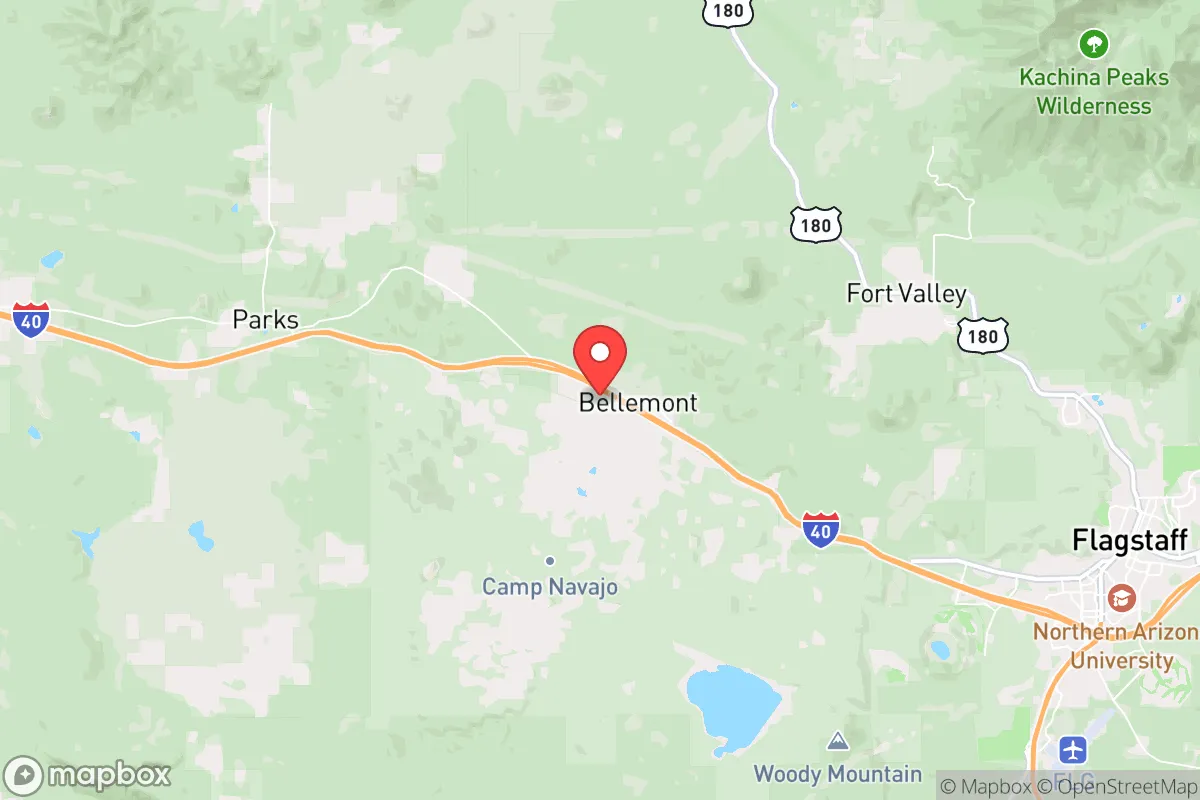
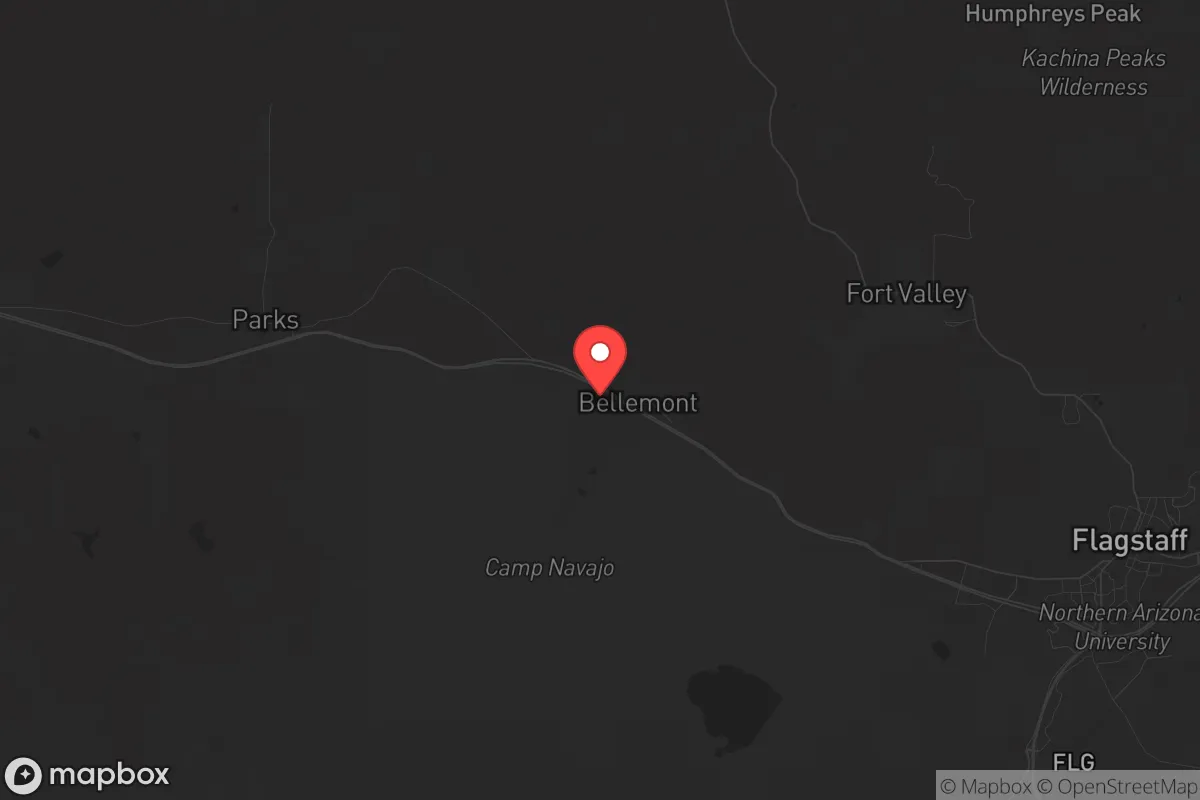
Bellemont, Arizona, is a small, unincorporated community that feels more like a well-kept secret than a town you’d find on a map. Sitting at 7,000 feet along Interstate 40 just west of Flagstaff, it’s a place where the air is thin, the ponderosa pines are thick, and the pace of life is deliberately slow. For the roughly 1,447 people who call it home, Bellemont offers a quiet, rural existence that’s still within striking distance of Flagstaff’s jobs, shopping, and entertainment — but without the traffic, noise, or housing prices that come with living inside the city limits.
Daily Rhythm: Quiet Mornings and Short Commutes
Life in Bellemont revolves around the land and the sky. Most residents work in Flagstaff — the average commute is just over 19 minutes, which feels almost luxurious compared to the 30- or 40-minute drives common in Phoenix suburbs. Mornings start early, often with coffee on a porch overlooking the San Francisco Peaks. People here tend to be self-sufficient: you’ll see plenty of trucks hauling firewood, gardening supplies, or gear for weekend camping trips. The local shopping is limited to a few gas stations and a general store, so most errands mean a drive into Flagstaff for groceries at Safeway or a run to Home Depot. That’s not a complaint for most residents — it’s a trade-off they willingly make for space and quiet.
The community skews young and educated — the median age is just 29.4, and nearly 58% of adults hold a college degree. That combination of youth and education, paired with a median household income of $116,532, suggests a population of professionals — many in remote tech roles, healthcare, or education — who chose Bellemont for the lifestyle, not because they had to. It’s not a wealthy enclave in the flashy sense, but it’s comfortable. The median home value of $456,800 reflects the premium people pay for proximity to nature and Flagstaff’s job market, though it’s still more attainable than Flagstaff’s own sky-high prices.
Sports, Community, and What People Actually Do for Fun
There are no pro sports teams in Bellemont, and that’s fine with everyone. The big games happen in Flagstaff, where Northern Arizona University’s Lumberjacks draw solid crowds for football and basketball. High school sports are a genuine community anchor — families pack the bleachers at nearby Flagstaff High or Coconino High for Friday night games, and the rivalry between the two is taken seriously. For outdoor recreation, Bellemont is a launchpad. The Arizona Trail runs nearby, the San Francisco Peaks offer hiking and skiing at the Arizona Snowbowl just 20 minutes up the road, and the Coconino National Forest is essentially the backyard. On weekends, you’ll find residents mountain biking on the Fort Tuthill trails, fishing at Lake Mary, or simply driving up to the Peaks for sunset views.
When it comes to eating and drinking, Bellemont itself has almost nothing — a couple of roadside diners and a bar that locals know by name. The real food scene is in Flagstaff, where places like Beaver Street Brewery and Diablo Burger are go-to spots. The annual Flagstaff Festival of Science and the Pickin’ in the Pines bluegrass festival are big draws, and many Bellemont residents make the short drive to participate. There’s also a strong tradition of community potlucks, volunteer fire department fundraisers, and informal gatherings at someone’s property — the kind of social life that’s built on knowing your neighbors, not on a packed event calendar.
Pros and Cons of Living in Bellemont
The biggest upside is the combination of space, nature, and affordability relative to Flagstaff. You get a house on an acre or more, with mountain views and immediate access to national forest, for a price that would buy a tiny condo inside the city. The quiet is genuine — no streetlights, no traffic noise, just wind and wildlife. The downside is that the violent crime rate sits at 376.9 per 100,000, which is notably higher than the national average and something to be aware of, especially for families. Most incidents are property-related or tied to the transient population along the I-40 corridor, but it’s not a place where people leave doors unlocked without thinking twice.
Other frustrations: the cost of living index is 137 — well above the U.S. average — driven largely by housing and the premium on goods shipped into a remote mountain town. Winters are long and real: snow from November through April, with regular sub-freezing nights. That’s a pro for skiers and snow lovers, but a con for anyone hoping for mild year-round weather. Schools are a mixed bag — most kids attend Flagstaff Unified schools, which are solid but not exceptional, and the commute for school drop-offs and extracurriculars adds time to the day. For the right person — someone who values solitude, outdoor recreation, and a tight-knit community over urban convenience — Bellemont is a rare find. For someone who needs walkable amenities or a bustling social scene, it’s probably not the right fit.

Similar small towns to Bellemont

* Values derived from national, state, county, city and local statistics and may differ in a specific area. Last updated: 2026-10-24T16:17:52.000Z
Narrative content on this page is AI-generated and may contain mistakes. Verify any details that matter before acting on them.
ReloMaps may earn a commission from affiliate links at no extra cost to you.

