Quality of Life in Bellemont, AZ
A livable area that tracks near national norms for affordability, walkability, and neighborhood health.
What does Quality of Life tell us?
Quality of Life blends cost of living, nearby amenities, socioeconomic signals, and neighborhood character. City-level scores represent the whole municipality; individual neighborhoods can differ.
What does this tell us?
Quality of Life blends cost of living, nearby amenities, socioeconomic signals, and neighborhood character. City-level scores represent the whole municipality; individual neighborhoods can differ.
Cost of Living
37% above national average
The Real Cost of Living in Bellemont, AZ for 2026
| Tier | Individual | Family (4) |
|---|---|---|
| Survival | $22k | $42k |
| Comfortable | $89k | $130k |
| Luxury | $134k+ | $207k+ |
| Elite (Top 5%) | $157k+ | $243k+ |
89%
* median rent and top-5% income substituted from county-level data — local Census figures unavailable for small populations
The Area Signal
A metric tracking the socioeconomic signals of the area.
Limited data for this area
Limited data for this area
Hobbies
Explore the areaGroceries
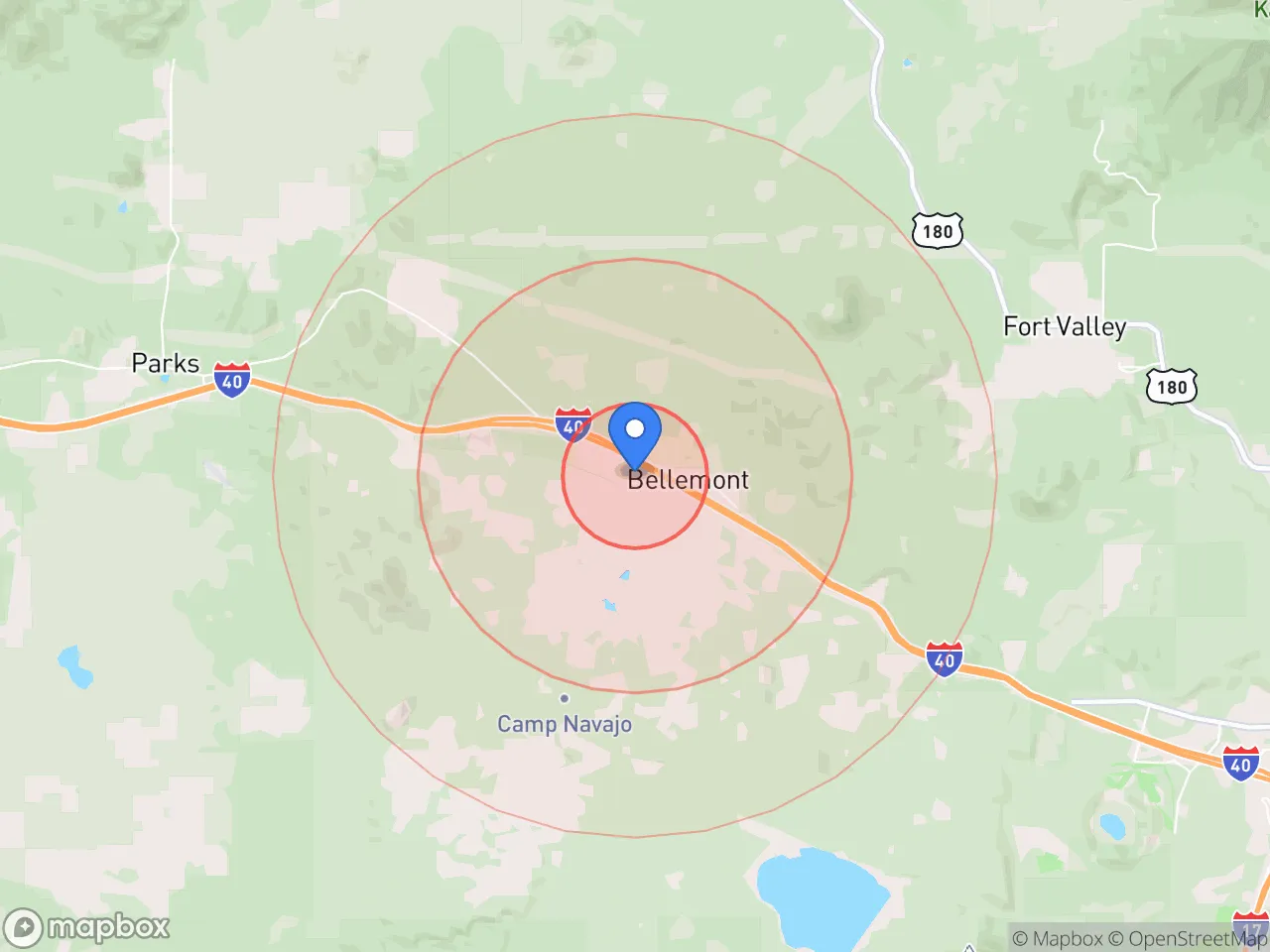
0 within 10 miles
Gas
5 within 10 miles
Hospital
2 within 20 miles
Airport
PHX — Phoenix Sky Harbor International
Post Office
USPS — Bellemont, AZ
Critical Amenities
Quality-of-Life Analysis
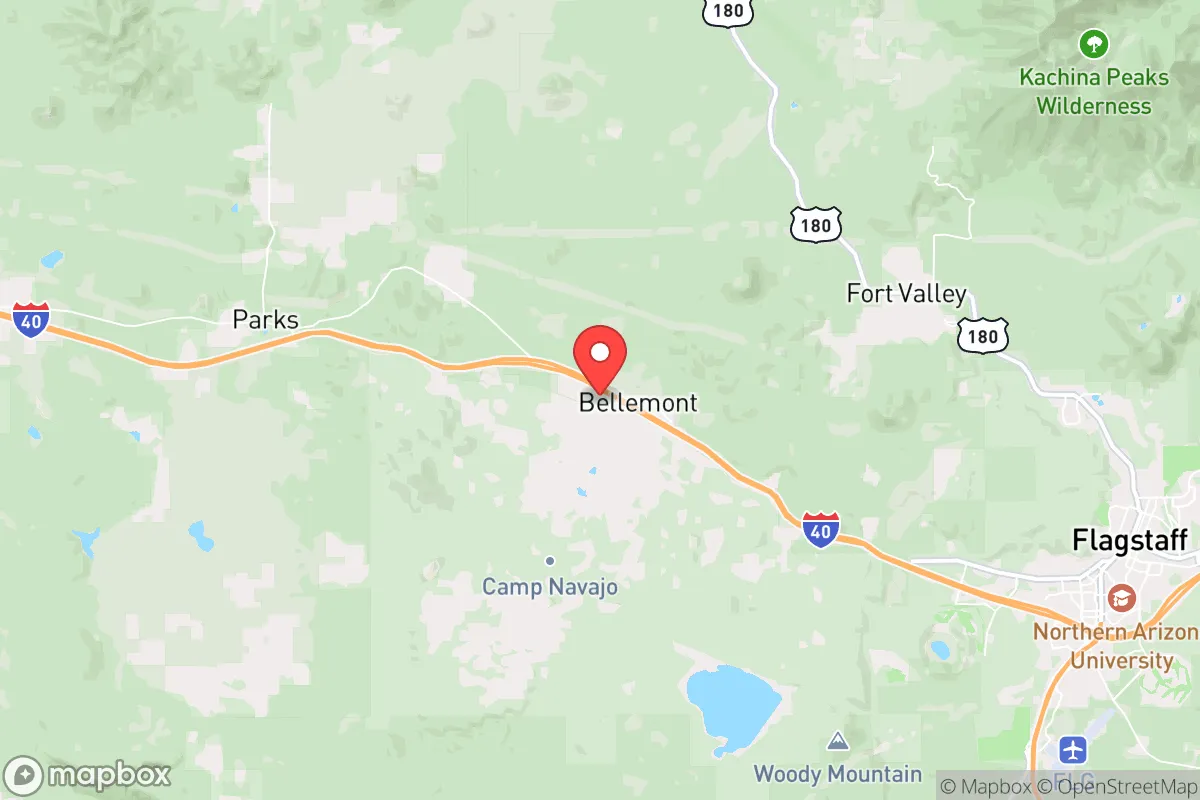
Bellemont, Arizona, presents a distinct quality-of-life profile shaped by its location along Interstate 40 just west of Flagstaff. With a cost of living index of 137—well above the national average of 100—the area attracts a mix of long-term residents, Flagstaff-area commuters, and those seeking mountain-adjacent living without the full Flagstaff price tag. The population skews toward middle-to-upper-income households, outdoor enthusiasts, and workers in transportation, hospitality, and regional services, creating a small-town atmosphere with direct access to high-country recreation.
Cost of living, housing, and affordability compared to Flagstaff
Bellemont's housing market reflects its position as a more affordable alternative to Flagstaff, though it remains expensive relative to national benchmarks. The median home value sits at $456,800, significantly lower than Flagstaff's median of roughly $650,000 but still far above the Arizona statewide median of about $430,000. Renters face a median monthly cost of $1,406, which is notably less than Flagstaff's typical rent of $1,700–$1,900 for comparable units. The overall cost of living index of 137 is driven primarily by housing and transportation costs, with groceries and healthcare closer to national averages. For households earning $80,000–$120,000 annually, Bellemont offers a realistic path to homeownership that Flagstaff often does not. However, lower-income renters and service workers may find the area increasingly unaffordable, as wages in Coconino County have not kept pace with housing inflation since 2020. The average commute time of 19 minutes is notably short for the region, reflecting Bellemont's role as a bedroom community where many residents work locally or at nearby Flagstaff Pulliam Airport, the railroad, or along the I-40 corridor.
Local amenities, schools, and what daily life is like
Daily life in Bellemont centers on convenience and outdoor access rather than urban amenities. The community lacks its own grocery store or major retail, so most residents drive 10–15 minutes east to Flagstaff for shopping, dining, and healthcare. The area falls within the Flagstaff Unified School District, with students attending Killip Elementary or Thomas M. Knoles Elementary before moving to Mount Elden Middle School and Flagstaff High School—all rated above average by the Arizona Department of Education. For younger children, Bellemont has a small number of licensed home-based daycares but no large childcare centers. Outdoor recreation defines the lifestyle: the Kachina Peaks Wilderness and San Francisco Peaks are minutes away for hiking, mountain biking, and snowshoeing, while the Arizona Snowbowl ski area is a 25-minute drive. The neighborhood's unincorporated status means no city property tax, but residents rely on Coconino County for services like law enforcement (Coconino County Sheriff's Office) and road maintenance. Internet access is generally reliable via cable and fiber providers, though rural pockets may experience slower speeds.
Bellemont best suits households that prioritize space, quiet, and proximity to nature over walkability and urban convenience. Remote workers, Flagstaff-area professionals, and families who don't mind a short daily drive for errands will find the trade-offs worthwhile. Retirees and second-home buyers also gravitate here for the lower housing costs and mountain views. Those who need frequent access to Flagstaff's hospitals, Northern Arizona University, or cultural venues will find the 15-minute commute negligible. However, single adults seeking nightlife, public transit, or a dense social scene should look closer to downtown Flagstaff. Overall, Bellemont offers a pragmatic middle ground: lower costs than Flagstaff, higher quality of life than many rural Arizona towns, and a pace that rewards self-sufficiency and an outdoor orientation.

Crime in Bellemont, AZ
Crime rates similar to the national median for U.S. locations.
Violent CrimeViolent Crime Analysis
Property CrimeProperty Crime Analysis
Crime Analysis
Bellemont, Arizona, presents a mixed safety profile that demands careful consideration from potential residents. With a violent crime rate of 376.9 per 100,000 residents and a property crime rate of 1,509.8 per 100,000, the community faces challenges that exceed national averages. These figures place Bellemont in a category where informed decision-making about personal security and community engagement becomes essential for newcomers.
Crime in context
Bellemont's violent crime rate of 376.9 per 100,000 is approximately 8% higher than the national average of roughly 350 per 100,000. Property crime in Bellemont, at 1,509.8 per 100,000, exceeds the national average by about 15%. When compared to Arizona's statewide violent crime rate of approximately 430 per 100,000, Bellemont fares slightly better, though the property crime rate closely mirrors the state average. These statistics place Bellemont in a moderate-risk category relative to other communities in Coconino County and the broader Flagstaff metropolitan area. The proximity to Interstate 40 and major transportation corridors may contribute to property crime patterns, as transient populations and easy highway access can facilitate criminal activity.
What residents experience
Daily life in Bellemont involves navigating a community where property crime — including theft, burglary, and vehicle break-ins — represents the most common public safety concern. The property crime rate of 1,509.8 per 100,000 translates to roughly 1 in 66 residents experiencing a property crime annually. Violent crime, while less frequent at 376.9 per 100,000, still means approximately 1 in 265 residents may be affected each year. Residents report that vehicle break-ins and package thefts are recurring issues, particularly in areas near rental properties and highway access points. The community's small size means that neighborhood watch efforts and personal relationships with neighbors play an outsized role in daily security. Many long-term residents emphasize the importance of basic precautions: locking vehicles, securing outbuildings, and maintaining visibility around homes.
Neighborhood-level variation
Safety conditions in Bellemont vary noticeably by location within the unincorporated community. Areas closer to the Interstate 40 interchange and along Route 66 tend to experience higher rates of property crime, likely due to increased traffic and transient activity. Residential pockets set back from major roads, particularly those with limited access points and stronger neighborhood cohesion, report fewer incidents. The community's rural character means that properties with greater visibility from the road may face different risks than those tucked into wooded lots. Newcomers should consider that Bellemont lacks its own municipal police department, relying instead on Coconino County Sheriff's Office response, which can mean longer wait times for service in outlying areas. Prospective residents are advised to visit potential neighborhoods at different times of day and speak with current residents about their specific experiences with local safety conditions.
* Values derived from national, state, county, city and local statistics and may differ in a specific area. Last updated: 2026-10-24T16:17:52.000Z
Narrative content on this page is AI-generated and may contain mistakes. Verify any details that matter before acting on them.
ReloMaps may earn a commission from affiliate links at no extra cost to you.

