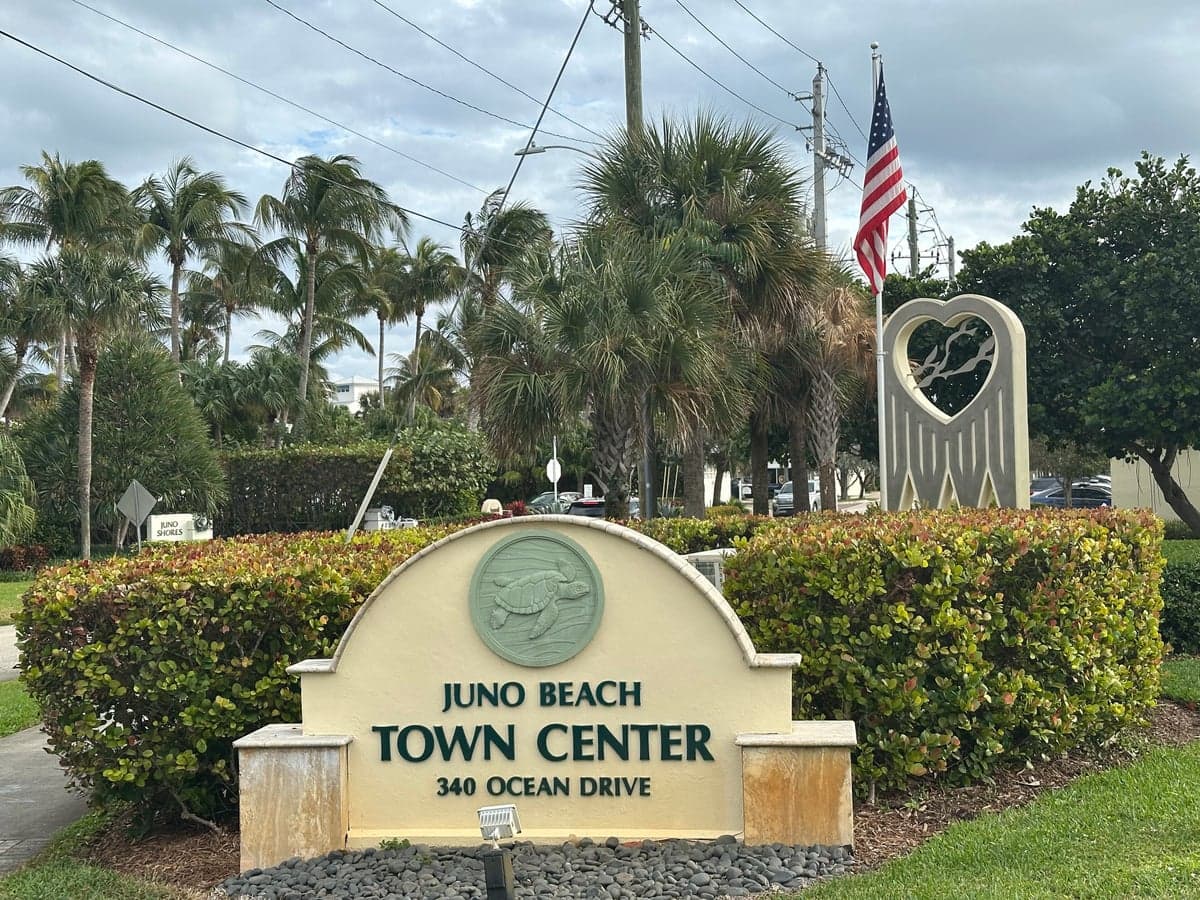
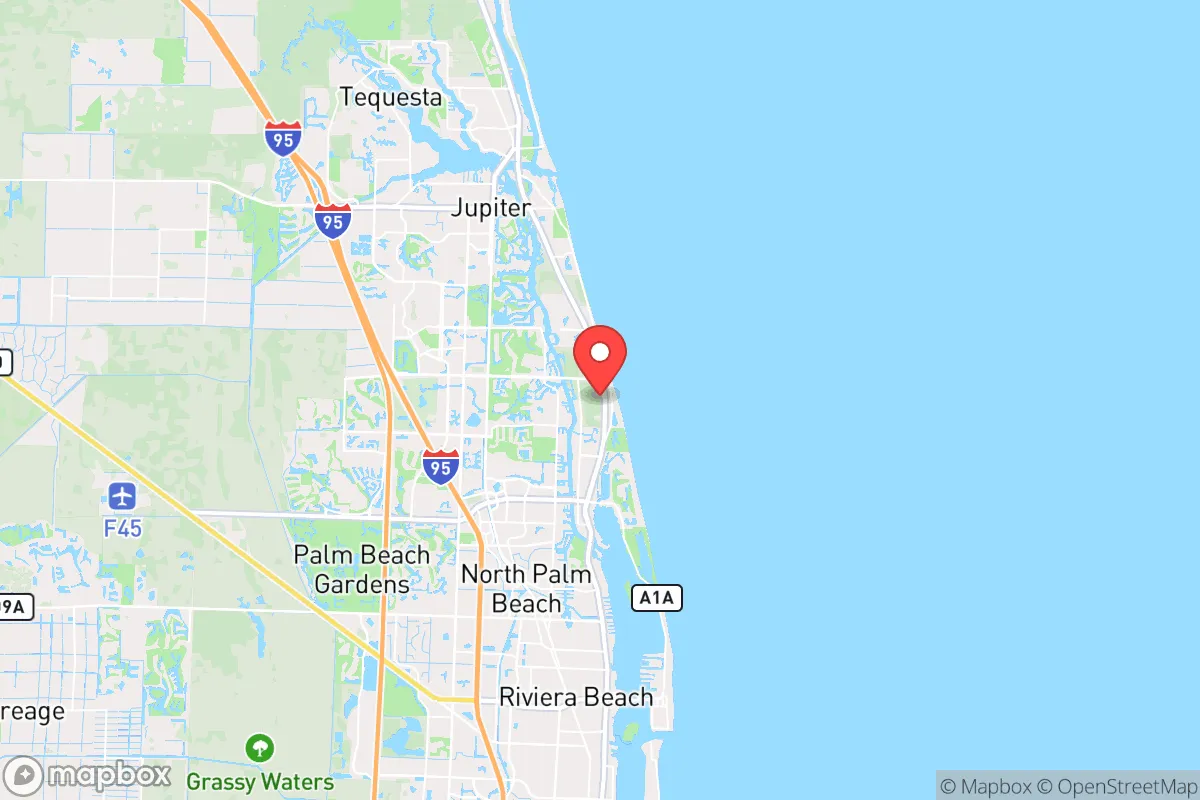
Photo: Wikipedia
Quality of Life in Juno Beach, FL
A high quality of life with strong walkability, manageable living costs, healthy neighborhood signals, and solid amenity access.
What does Quality of Life tell us?
Quality of Life blends cost of living, nearby amenities, socioeconomic signals, and neighborhood character. City-level scores represent the whole municipality; individual neighborhoods can differ.
What does this tell us?
Quality of Life blends cost of living, nearby amenities, socioeconomic signals, and neighborhood character. City-level scores represent the whole municipality; individual neighborhoods can differ.
Cost of Living
115% above national average
The Real Cost of Living in Juno Beach, FL for 2026
| Tier | Individual | Family (4) |
|---|---|---|
| Survival | $38k | $72k |
| Comfortable | $125k | $184k |
| Luxury | $134k+ | $207k+ |
| Elite (Top 5%) | $298k+ | $461k+ |
35%
The Area Signal
A metric tracking the socioeconomic signals of the area.
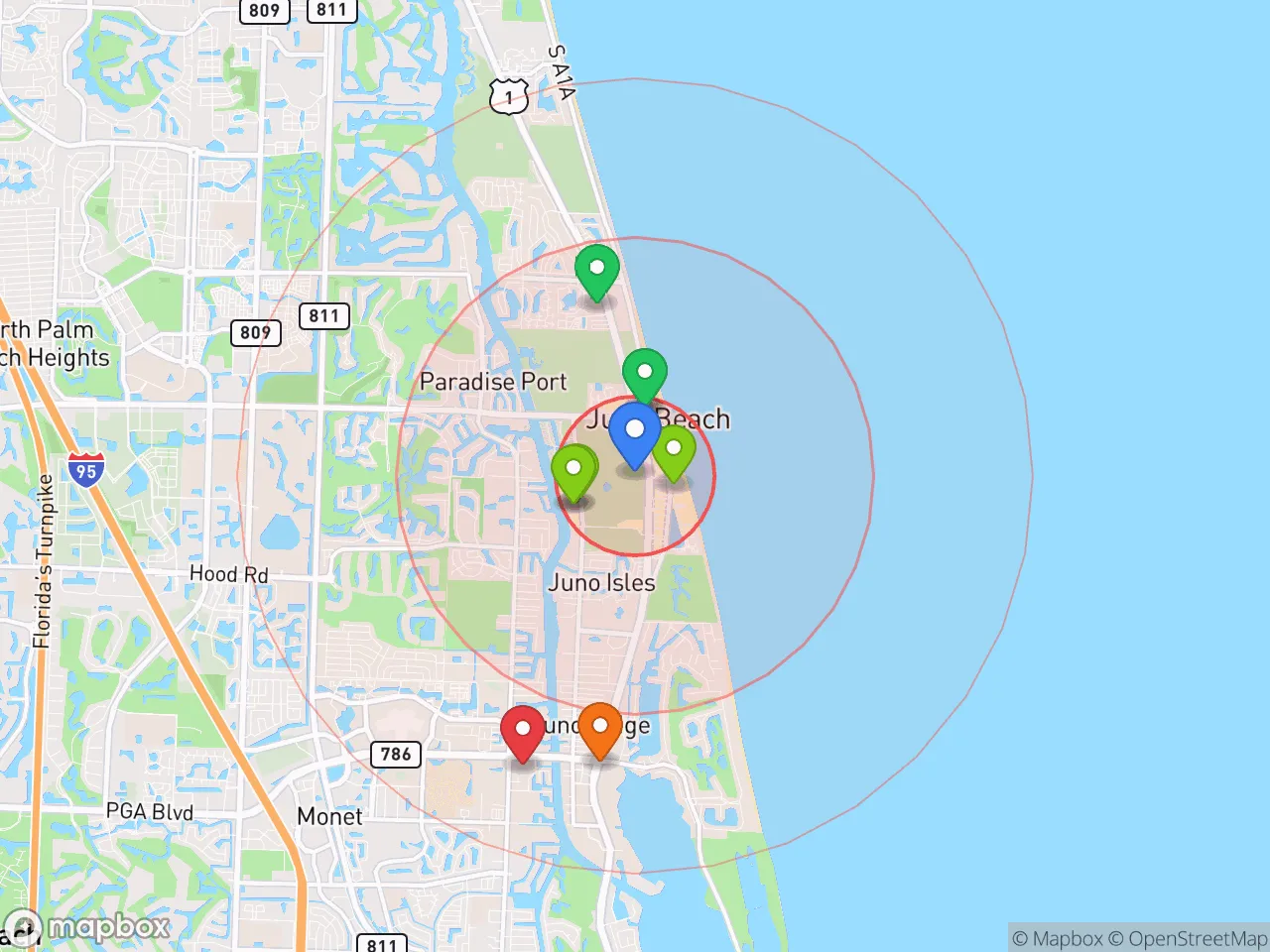
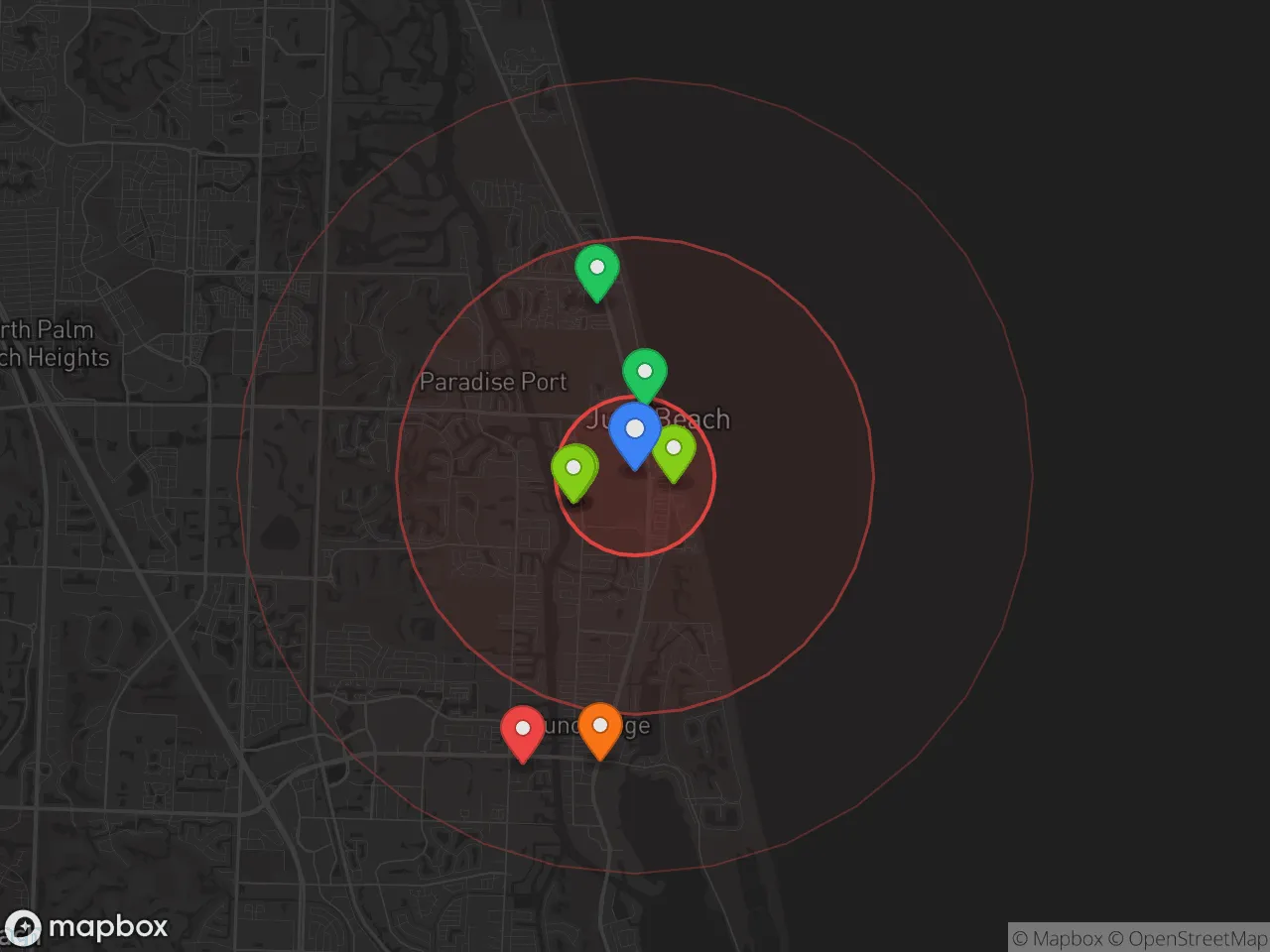
Hobbies
Explore the areaGroceries
0 within 10 miles
Gas
0 within 10 miles
Hospital
0 within 20 miles
Airport
FLL — Fort Lauderdale–Hollywood
Post Office
Critical Amenities
Quality-of-Life Analysis
Juno Beach, Florida, is an affluent coastal enclave in Palm Beach County where the cost of living index of 215 (more than double the U.S. average) reflects a community built around high-end beachfront living, retirement wealth, and second-home ownership. The median home value of $644,400 and median rent of $2,404 place it among the priciest beach towns in the region, attracting empty-nesters, corporate executives, and seasonal residents who prioritize ocean proximity and low-density tranquility over urban convenience. The average commute of roughly 26 minutes suggests that many residents work locally in professional services, healthcare, or finance, or are retired and no longer commuting at all.
Cost of living, housing prices, and affordability compared to nearby towns
Juno Beach’s cost of living index of 215 is roughly 30% higher than the Palm Beach County average and significantly above neighboring towns like Jupiter (index ~180) and Palm Beach Gardens (index ~170). The median home value of $644,400 is about $150,000 higher than Jupiter’s median and nearly double the national median, driven by direct oceanfront lots and low inventory of single-family homes under $500,000. Renters face a median of $2,404 per month, which is comparable to Jupiter but roughly $400 more per month than in Palm Beach Gardens. For buyers, the trade-off is clear: you pay a premium for a quieter, less commercialized beach town with no high-rise condos dominating the shoreline. Property taxes in Palm Beach County average about 1.0% of assessed value, meaning a $644,400 home carries roughly $6,444 in annual taxes — a manageable figure for the income bracket typical of Juno Beach residents but a barrier for middle-income families.
Beach access, schools, and what daily life feels like for residents
Daily life in Juno Beach revolves around its namesake beach — a wide, clean stretch of sand with free public parking and a dedicated dog-friendly area at Juno Beach Park. The town’s small footprint (roughly 2.5 square miles) means most errands require a short drive to nearby shopping centers like the Juno Beach Shops or a 10-minute trip to the Abacoa Town Center in Jupiter. Public schools are served by Palm Beach County, with Juno Beach Elementary rated 8/10 on GreatSchools and nearby Jupiter High School scoring 7/10. For families, the lack of a downtown core means social life centers on the beach, the Loggerhead Marinelife Center (a sea turtle rehabilitation facility that draws visitors year-round), and community events like the annual Juno Beach Art Festival. The town’s strict zoning — no buildings taller than 45 feet — preserves its low-rise character, but residents must drive 15–20 minutes for major grocery stores, medical facilities, or the Palm Beach International Airport.
Juno Beach is best suited for affluent retirees, remote workers with high incomes, and families who value beach access over walkable urban amenities. The high cost of living and limited rental inventory make it a poor fit for young professionals or service-industry workers unless they are willing to commute from cheaper inland areas like West Palm Beach or Lake Worth. For those who can afford the premium, the trade-off is a quiet, uncrowded beach lifestyle with strong schools and a tight-knit community feel — a rare combination in fast-growing South Florida.

Crime in Juno Beach, FL
Lower crime rates than 87% of comparable U.S. locations.
Violent CrimeViolent Crime Analysis
Property CrimeProperty Crime Analysis
Crime Analysis
Juno Beach, Florida, is a notably safe coastal community with crime rates well below both state and national averages. The town's violent crime rate of 100 incidents per 100,000 residents is roughly one-quarter the Florida average and about one-third the U.S. rate. Property crime, at 675.2 per 100,000, also sits significantly lower than the state's 1,800-per-100K benchmark. These figures place Juno Beach among the safer municipalities in Palm Beach County, a region where crime levels vary widely from city to city.
Crime in context
Juno Beach's low crime numbers reflect its character as a small, affluent beach town with a year-round population under 4,000. The violent crime category—which includes homicide, rape, robbery, and aggravated assault—is statistically rare here, with fewer than five reported incidents in most years. Property crime, while more common, is still far below the norm for Florida's Atlantic coast. For comparison, nearby West Palm Beach reports violent crime rates roughly five times higher and property crime rates nearly three times higher. The contrast is even sharper with larger metro areas like Miami or Fort Lauderdale, where progressive prosecutorial policies in recent years have been linked to rising recidivism and reduced public confidence in the justice system. Juno Beach, by contrast, benefits from Palm Beach County's more balanced approach to law enforcement and prosecution, which prioritizes victim rights and public safety.
What residents experience
Daily life in Juno Beach is characterized by a strong sense of security. The town maintains its own police department with a visible presence along A1A and in residential neighborhoods. Most property crime consists of opportunistic thefts from unlocked vehicles or beach parking lots, rather than burglaries or organized theft rings. Residents report feeling safe walking at night, and the community's tight-knit social fabric—where neighbors know one another—acts as a natural deterrent. The town's demographic profile, with a median age over 60 and high homeownership rates, further contributes to low crime. Seasonal population surges during winter months do not correlate with any measurable increase in incidents.
Neighborhood-level variation is minimal in Juno Beach due to its small size and uniform housing stock. The oceanfront condominiums and single-family homes east of U.S. 1 experience slightly higher petty theft from beachgoers, while the quieter western sections near the Intracoastal Waterway see virtually no crime. The adjacent community of Juno Isles, part of unincorporated Palm Beach County, shares similar safety statistics. For prospective residents, the most significant safety consideration is not crime but traffic: the A1A corridor can be congested during peak tourist season, and pedestrian accidents, while rare, are the primary public safety concern. Overall, Juno Beach offers one of the lowest-risk living environments in South Florida, with crime data that consistently supports its reputation as a safe haven.
* Values derived from national, state, county, city and local statistics and may differ in a specific area. Last updated: 2026-11-23T03:09:20.000Z
Narrative content on this page is AI-generated and may contain mistakes. Verify any details that matter before acting on them.
ReloMaps may earn a commission from affiliate links at no extra cost to you.

