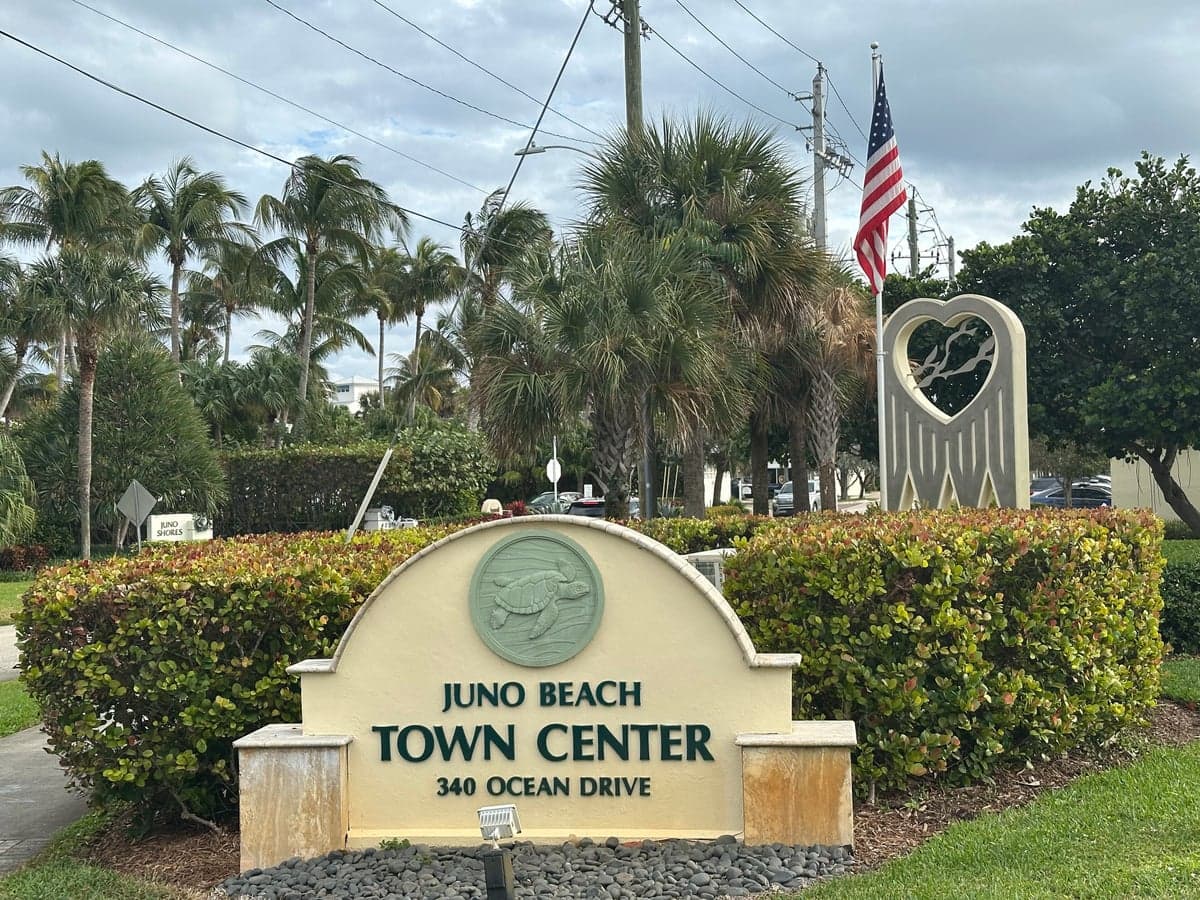
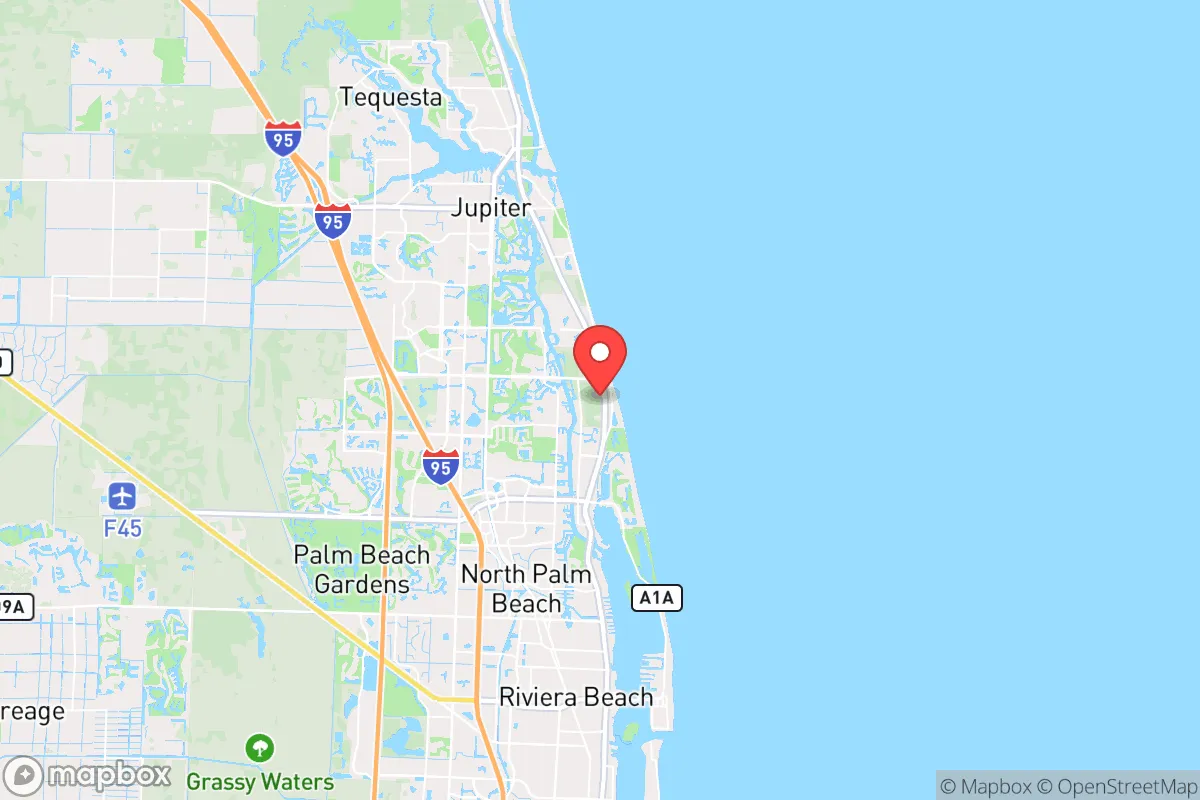
Photo: Wikipedia
Personal Sovereignty in Juno Beach, FL
Viable for self-reliance. Generally workable, though some barriers may limit total independence.
What does Personal Sovereignty tell us?
Personal Sovereignty measures your capacity for self-reliance and independence with minimal government friction. Higher scores mean fewer barriers between you and the way you want to live... but it assumes you have the space you need and good neighbors.
What does this tell us?
Personal Sovereignty measures your capacity for self-reliance and independence with minimal government friction. Higher scores mean fewer barriers between you and the way you want to live... but it assumes you have the space you need and good neighbors.
State Policy
Energy independence: Importer (12% of energy produced in-state)
Personal Liberty
Homesteading

Personal Liberty Analysis
Juno Beach, Florida, offers a personal sovereignty environment shaped by Florida’s strong preemption laws, low state income tax, and a regulatory culture that generally favors individual autonomy over collective mandates. While the town itself is a small, affluent coastal enclave with some local ordinances that can feel restrictive—particularly around short-term rentals and beach access—the broader state framework provides significant latitude for self-defense, property rights, and medical choice. For a single individual or family prioritizing independence, Juno Beach sits in a sweet spot: the day-to-day regulatory touch is moderate, but the legal scaffolding supports a high degree of personal control compared to many Northeast or West Coast alternatives.
Tax burden and regulatory posture in Juno Beach
Florida’s lack of a state income tax is the single biggest boost to personal sovereignty here. Residents of Juno Beach keep 100% of their earned income, with no state-level tax on wages, salaries, or retirement distributions. The sales tax in Palm Beach County is 7%, which is moderate nationally, and property taxes are levied at the local level. Juno Beach’s millage rate hovers around 4.5 to 5.0 mills, translating to roughly $4,500–$5,000 annually per $100,000 of assessed value—slightly above the county average due to the town’s high property values and demand for municipal services like police and beach maintenance. There is no local income tax, no estate tax, and no inheritance tax. The regulatory posture is generally light-touch at the state level: Florida has no state-level rent control, no state-level minimum wage above the federal floor (though a $12/hour state minimum applies as of 2026), and no state-level price controls. However, Juno Beach itself enforces strict zoning codes—minimum lot sizes of 7,500 square feet in most residential areas, height limits of 35 feet, and a prohibition on commercial activity in residential zones. Permitting for home additions or accessory dwelling units (ADUs) requires town approval, with typical turnaround of 4–6 weeks. For a reader who values minimal government interference, the state framework is excellent, but the town’s local ordinances add a layer of oversight that is noticeable but not oppressive.
Self-defense and gun law specifics in Juno Beach
Florida is a “shall-issue” state for concealed carry permits, meaning no subjective discretion by local authorities—if you meet the statutory requirements (age 21, no disqualifying criminal record, completion of a state-approved firearms training course), the permit is issued. As of 2024, Florida also enacted permitless (constitutional) carry for both open and concealed carry, effective July 1, 2024. This means any law-abiding adult 21 or older can carry a firearm without a permit, though a permit remains useful for reciprocity with other states. Juno Beach does not impose any local gun ordinances beyond state law; Florida’s preemption statute (790.33) explicitly prohibits cities and counties from enacting their own firearm regulations. This means no local waiting periods, no local magazine bans, and no local restrictions on where firearms can be carried beyond state-defined sensitive locations (schools, courthouses, airports). The “stand your ground” law applies statewide, with no duty to retreat in any place where a person has a legal right to be. Castle doctrine protections extend to occupied vehicles and dwellings. For a self-defense-minded individual, Juno Beach offers one of the most permissive legal environments in the country, with no local interference and a strong state-level framework that prioritizes individual rights.
Self-reliance and homesteading viability: lot sizes, zoning, and off-grid feasibility
Juno Beach is a dense, built-out coastal town, not a rural homesteading destination. Minimum lot sizes of 7,500 square feet in single-family zones mean most properties are under a quarter-acre. Zoning prohibits agricultural uses, livestock, and commercial farming. Keeping chickens is allowed only with a special permit and strict setback requirements; bees are not permitted. Off-grid living is effectively impossible: the town requires connection to municipal water and sewer, and solar panels are allowed only if they are grid-tied and meet HOA or town architectural standards. Rainwater collection for potable use is prohibited by state law (Florida requires connection to a public water system where available). Composting toilets are not permitted in residential structures. For a reader seeking true self-reliance—growing food, harvesting water, generating power independently—Juno Beach is not viable. However, the broader Palm Beach County area offers rural pockets like The Acreage or Loxahatchee, where lot sizes of 1–5 acres are common, no HOA restrictions apply, and agricultural zoning allows livestock and gardening. Those areas are 20–30 minutes west of Juno Beach. For a family that wants a coastal lifestyle with some backyard gardening (vegetables, herbs, small fruit trees), Juno Beach’s zoning allows that, but anything beyond ornamental landscaping or a small vegetable patch will run into local code restrictions.
Personal liberties: parental rights, medical autonomy, speech, and property
Florida has been a national leader in parental rights legislation. The Parental Bill of Rights (2021) and the Parental Rights in Education Act (2022, expanded 2023) give parents explicit legal authority over their children’s medical decisions, education, and upbringing. Schools must notify parents of any changes in a student’s mental, emotional, or physical health, and parents can opt their children out of any curriculum they object to. Medical autonomy for adults is strong: Florida does not have a state-level vaccine mandate, and the 2023 law prohibiting COVID-19 vaccine mandates for private employers and government entities remains in effect. There is no state-level prescription drug price control, and compounding pharmacies are widely available. Speech protections are robust: Florida’s anti-SLAPP statute protects against frivolous lawsuits aimed at silencing criticism, and the state has no “hate speech” law that criminalizes protected speech. Property rights are reinforced by Florida’s “Property Rights” amendment (Article X, Section 6), which requires just compensation for any regulatory taking. Juno Beach’s local government is responsive to residents—town council meetings are public, and zoning changes require public hearings. The town does not have rent control, and there are no local ordinances restricting political signage or expressive conduct beyond standard time-place-manner restrictions. For a reader who values these liberties, Juno Beach offers a legal environment that is among the most protective in the nation, with the caveat that local HOAs (common in condo and some single-family neighborhoods) can impose additional restrictions on speech, flags, and property modifications—so buyers should review HOA covenants carefully.
Overall, Juno Beach provides a high degree of personal sovereignty relative to most coastal towns in the Northeast, California, or the Pacific Northwest. The state-level framework—no income tax, permitless carry, strong parental rights, medical autonomy, and property protections—creates a baseline that is among the most freedom-oriented in the country. The town’s local ordinances add moderate friction for those seeking off-grid or homesteading lifestyles, but for a typical family or single professional who values self-defense rights, low taxes, and legal autonomy over their children and medical choices, Juno Beach ranks very high. Compared to alternatives like Vero Beach or Naples, Juno Beach is slightly more restrictive on land use but offers better beach access and a denser community feel. For a reader who prioritizes personal freedom above all else, the combination of state-level protections and a manageable local regulatory footprint makes Juno Beach a strong contender, especially when paired with the broader autonomy of Palm Beach County’s less-regulated western areas.

* Values derived from national, state, county, city and local statistics and may differ in a specific area. Last updated: 2026-11-23T03:09:20.000Z
Narrative content on this page is AI-generated and may contain mistakes. Verify any details that matter before acting on them.
ReloMaps may earn a commission from affiliate links at no extra cost to you.

