Photo: Wikipedia
Find The Best Places To Live
in Juno Beach
PRO TIP! You can paste a Zillow or Redfin link to get info on that property.
Compare Juno Beach with another place
What It's Like Living in Juno Beach, FL
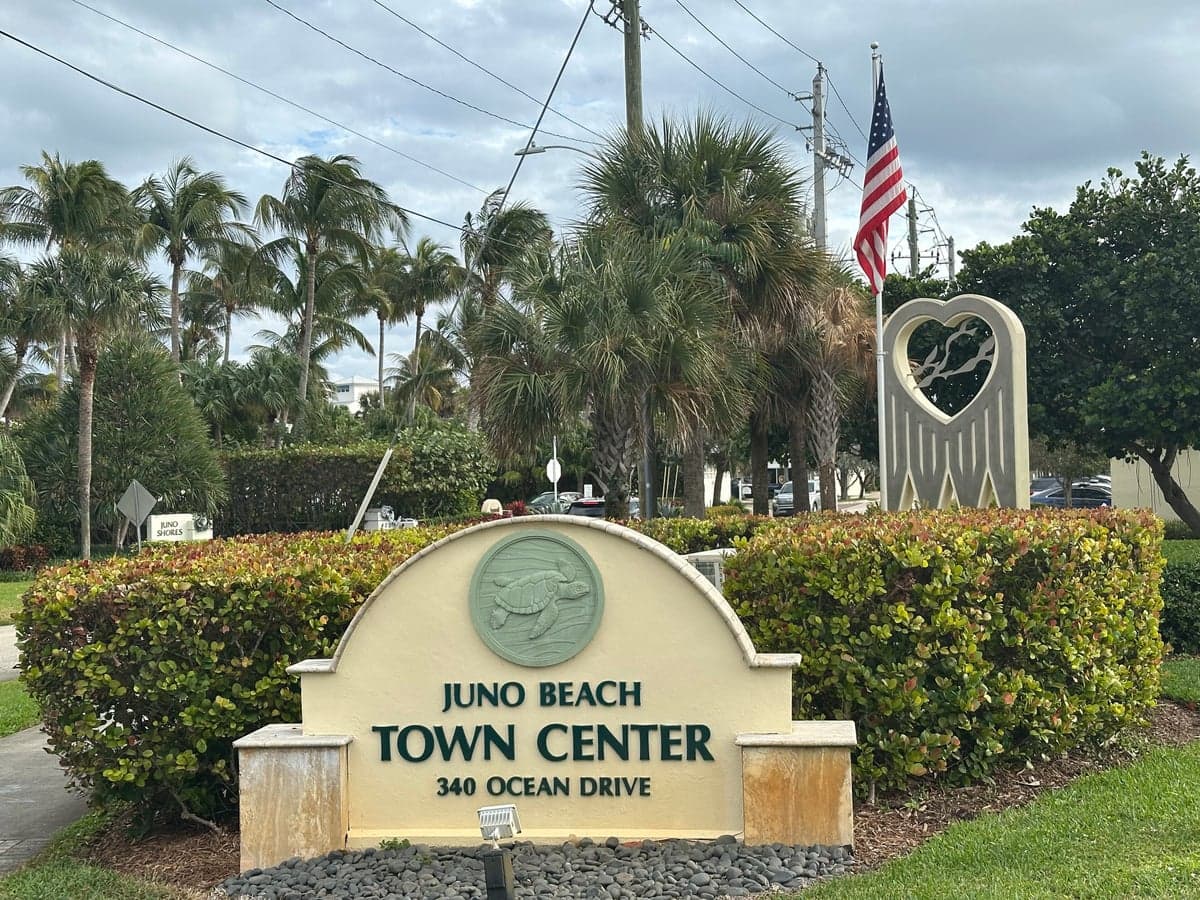
Juno Beach is a quiet, sun-bleached sliver of coastal Florida where the pace of life is dictated by the tide, not the clock. With a population hovering just under 3,900 and a median age of 70.6, this is a community that skews heavily toward retirees and empty-nesters who value peace, privacy, and proximity to the ocean over nightlife or urban energy. It’s the kind of place where you wave to the same people on your morning walk, where the biggest decision of the day might be whether to fish off the Juno Beach Pier or hit the Loggerhead Marinelife Center with visiting grandkids.
Daily Rhythm: A Laid-Back, Older Vibe
Life here moves slowly, deliberately, and mostly outdoors. The town’s median income of $65,203 is modest for the area, but the median home value of $644,400 tells the real story: many residents bought in decades ago or are living off accumulated wealth. The cost of living index sits at 215 (more than double the national average), so newcomers need serious financial cushioning. Mornings typically start with coffee at a beachside spot like the Juno Beach Cafe, followed by a walk along the 3.5-mile stretch of sand. Afternoons might involve a round at the Juno Beach Golf Club or volunteering at the Loggerhead Marinelife Center, which is both a tourist draw and a community anchor. Evenings are quiet—dinner at a place like the Dive Bar Restaurant (a local institution) or a sunset cocktail at the Hilton’s beachfront bar. This is not a town for night owls; most restaurants close by 9 p.m., and the streets are empty by 10.
Sports & Community: High School Loyalty and Pro Proximity
Juno Beach doesn’t have its own high school, but the community rallies around Jupiter High School athletics, especially football and lacrosse. Friday night games at Jupiter High’s stadium are a genuine social event, drawing families and retirees alike. On the pro front, the town sits just 15 minutes from Roger Dean Stadium in Jupiter, spring training home to the Miami Marlins and St. Louis Cardinals. That’s a big deal here—locals pack the stands for Grapefruit League games, and the stadium becomes a social hub from February through March. For hockey fans, the Florida Panthers’ home arena in Sunrise is about an hour south, but the real local obsession is golf. Juno Beach Golf Club is a tight-knit, semi-private course where memberships are passed down like heirlooms. The town’s older demographic means you’ll find more pickleball than basketball, more charity golf tournaments than tailgates.
What’s There to Do: Beaches, Turtles, and a Few Good Bars
The main event is the beach itself—wide, clean, and rarely crowded compared to Palm Beach or Delray. The Juno Beach Pier is the social epicenter: a 990-foot fishing pier where locals cast lines for snook and pompano, and where the adjacent park hosts the town’s annual Fourth of July fireworks. The Loggerhead Marinelife Center is a world-class sea turtle hospital and research facility that draws families and school groups; it’s free to visit and a point of pride for residents. For nightlife, options are limited but solid. The Dive Bar Restaurant is a two-story tiki bar with live music on weekends and a crowd that skews 50-plus. The Square Grouper in nearby Jupiter is a legendary dive bar with a younger, rowdier vibe. For groceries, it’s Publix or Whole Foods in Palm Beach Gardens (10 minutes west). The biggest annual event is the Juno Beach Art Festival in March, which shuts down A1A and fills the beachfront with local painters and jewelers. The town’s cultural quirk? A fierce, almost obsessive pride in its sea turtle conservation—locals will scold you for using a flashlight on the beach at night during nesting season (May through October).
Pros and Cons of Living Here
- Pro: Unmatched beach access. You’re never more than a five-minute walk from the ocean, and the town’s small size means no high-rises blocking the view. The beach is the backyard.
- Con: It’s expensive and quiet. With a cost of living index of 215, a $65,000 income won’t stretch far. Rentals are scarce, and the lack of nightlife or young families can feel isolating for singles or couples under 50.
- Pro: Low crime, high safety. The violent crime rate is just 100 per 100,000—well below national averages. Residents leave doors unlocked and walk the beach at dusk without concern.
- Con: Traffic on A1A and US-1. The average commute is about 26 minutes, but that can double during snowbird season (January through March). The two-lane roads bottleneck easily, and there’s no public transit to speak of.
- Pro: Strong community identity. The Loggerhead Marinelife Center, the pier, and the golf club create a shared sense of place. People know their neighbors, and town events draw genuine participation.
- Con: Seasonal crowds and weather. From December to April, the population swells with seasonal residents, making restaurants and beaches noticeably busier. Hurricane season (June through November) is a real concern—Juno Beach is directly on the coast and has seen mandatory evacuations during storms like Irma in 2017.
The kind of person who fits in here is someone who values quiet, natural beauty, and a slower pace—typically a retiree or a remote worker with a high income who doesn’t need a social scene. Families with school-age children are rare; the town’s 57.4% college-educated population tends to be older professionals or academics who’ve already raised kids. If you’re looking for a place where you can walk to the beach, know your mail carrier by name, and never worry about traffic jams or loud bars, Juno Beach delivers. Just be prepared for the trade-off: a limited social life, high housing costs, and a rhythm that’s more lullaby than dance beat.

Similar small towns to Juno Beach




* Values derived from national, state, county, city and local statistics and may differ in a specific area. Last updated: 2026-11-23T03:09:20.000Z
Narrative content on this page is AI-generated and may contain mistakes. Verify any details that matter before acting on them.
ReloMaps may earn a commission from affiliate links at no extra cost to you.

