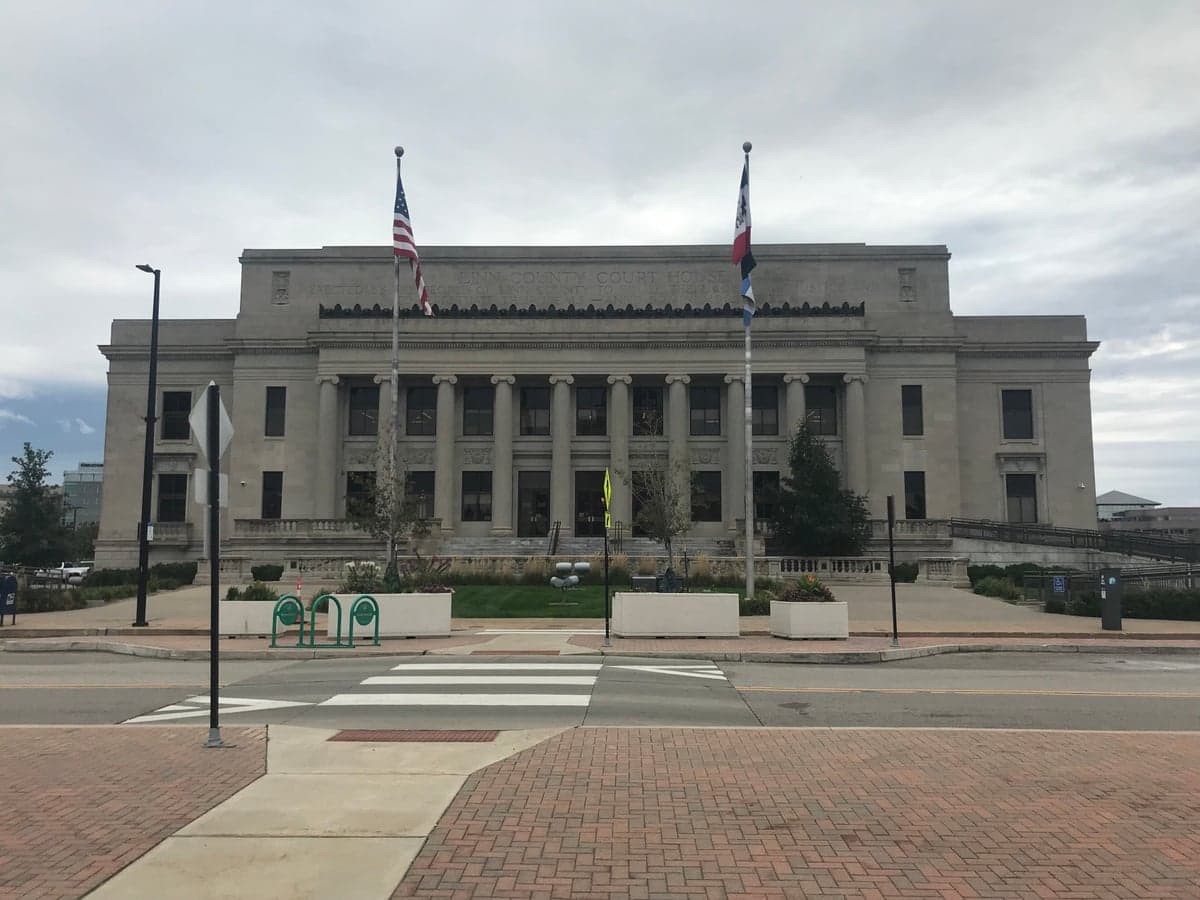
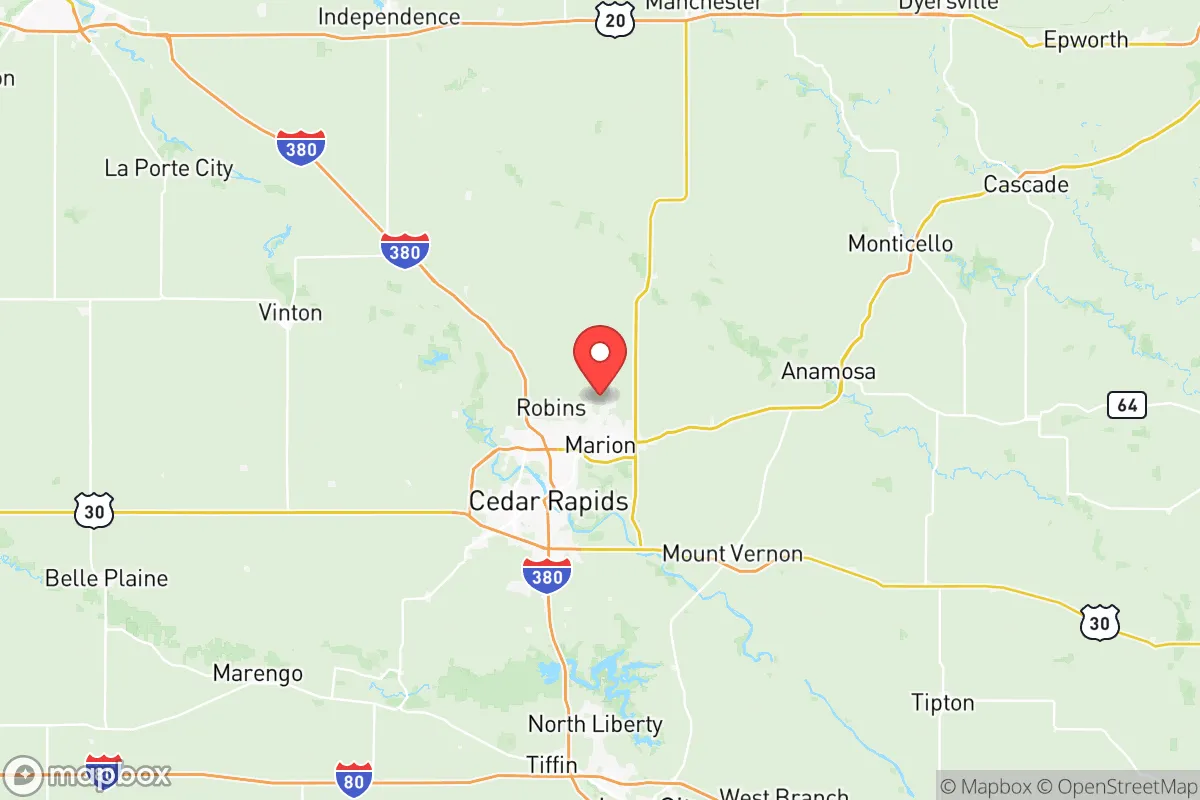
Photo: Wikipedia
Find The Best Places To Live in Linn County
PRO TIP! You can paste a Zillow or Redfin link to get info on that property.
Best Places to Live in Linn County
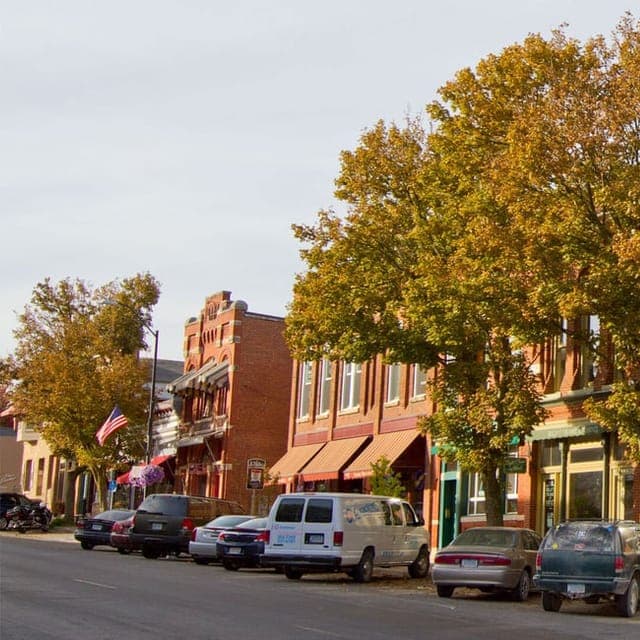
Cities & Towns in Linn County
Cities in Linn County
What It's Like Living in Linn County, IA
Linn County, anchored by Cedar Rapids but stretching out through towns like Marion, Hiawatha, and the smaller communities of Mount Vernon and Central City, has a working‑class backbone wrapped in Midwestern friendliness. It’s the kind of place where people know their neighbors, high school football games draw real crowds, and the cost of living actually lets you breathe. If you’re a family or a single person looking for a stable, affordable place to put down roots without sacrificing access to city amenities, this corner of eastern Iowa deserves a close look.
The Daily Rhythm: Work, Commute, and Weekend Errands
Most people’s weekdays revolve around Cedar Rapids, the county seat and economic engine, or the growing commercial corridors in Marion and Hiawatha. The average commute clocks in at just over 19 minutes, which means you can live in a quieter spot like rural Palo or the historic district of Mount Vernon and still be at your desk in Cedar Rapids in under half an hour. That short drive is a genuine quality‑of‑life perk — you’re not burning an hour of your day just getting to work.
Weekends often mean a trip to the NewBo City Market in Cedar Rapids for local produce and artisan goods, or a walk through the trails at Squaw Creek Park. Families gravitate toward the Marion Aquatic Center in summer, while singles and couples fill the breweries and coffee shops along the Cedar Rapids riverfront. The cost of living index sits at 76 — well below the national average — and with a median home value of $204,400, even a single earner on a median income of $76,421 can realistically buy a house. That’s a big reason people stay.
Sports, Schools, and Community Pride
High school sports are a genuine social anchor here. Friday nights in the fall mean packed bleachers at Linn‑Mar High School in Marion and at Cedar Rapids Kennedy or Washington. The rivalries are real but good‑natured, and they give families a built‑in social calendar. On the college side, the University of Iowa in nearby Iowa City is a 30‑minute drive, so Hawkeye football and basketball are within easy reach for a weekend road trip — but you don’t have to live in a college town to enjoy them.
Schools themselves are a major reason families choose specific towns within the county. The Marion Independent School District and the Mount Vernon Community School District both have strong reputations, and the presence of private options like Regina Catholic Education Center in Iowa City gives parents choices. The median age here is 38.5, which reflects a population heavy on established families and professionals — not a transient student crowd. That stability shows in the community’s investment in parks, libraries, and youth sports leagues.
What’s There to Do: Festivals, Outdoors, and Local Hangouts
Linn County punches above its weight for a metro area of 229,463 people. The Freedom Festival in Cedar Rapids over the Fourth of July is the region’s biggest annual event, with a parade, fireworks, and concerts that draw from all over eastern Iowa. In Marion, the Marion Arts Festival every May brings in regional artists and live music. Smaller towns like Central City host their own community celebrations — the Central City Days in August are a classic small‑town fair with a parade, carnival rides, and a demolition derby.
Outdoor recreation is a serious draw. The Cedar River runs through the heart of the county, and the Cedar Valley Nature Trail connects Cedar Rapids to Waterloo, passing through Hiawatha and rural stretches perfect for biking and running. Pinicon Ridge Park near Central City offers camping, fishing, and hiking. For a night out, locals pack Lion Bridge Brewing Company in Cedar Rapids for its Belgian‑style ales, or head to White Star Ale House for a burger and a local tap list. The food scene is more diverse than you’d expect — Map Room in Cedar Rapids serves excellent Vietnamese, and Zins Mexican Grill in Marion is a reliable family spot.
Pros and Cons of Living Here
- Pro: Affordability. The cost of living index of 76 means your dollar goes further than in nearly any other metro of this size. A median home value of $204,400 is attainable for many single professionals and young families.
- Pro: Short commutes. The average 19‑minute drive to work is a luxury most Americans don’t have. It gives you back time for family, hobbies, or just a slower morning.
- Pro: Strong community feel. From high school sports to local festivals, there are plenty of ways to plug in. People here are generally friendly and willing to help a new neighbor.
- Con: Violent crime rate of 230.9 per 100,000. While that’s below the national average, it’s not negligible. Most incidents are concentrated in parts of Cedar Rapids, not the smaller towns, but it’s worth knowing.
- Con: Winters are real. January highs average around 25°F, and snow is a fact of life from December through March. If you hate shoveling, this isn’t the place for you.
- Con: Limited nightlife. If you’re looking for a club scene or late‑night energy, you’ll be disappointed. The social life here revolves around breweries, restaurants, and home gatherings — not dance floors.
The kind of person who thrives in Linn County values stability, community, and a slower pace. It’s not a place for someone chasing career‑hopping excitement or a 24‑hour city buzz. But if you want a safe, affordable place where you can buy a house, raise kids, and actually know your neighbors, this county delivers. The college‑educated share of the population is 34.8%, which is respectable and supports a decent professional class — engineers at Rockwell Collins (now Collins Aerospace) in Cedar Rapids, healthcare workers at UnityPoint Health and Mercy Medical Center, and a growing number of remote workers who chose Linn County for the low cost of living and high quality of life.

* Values derived from national, state, county, city and local statistics and may differ in a specific area. Last updated: 2026-07-24T14:21:29.000Z
Narrative content on this page is AI-generated and may contain mistakes. Verify any details that matter before acting on them.
ReloMaps may earn a commission from affiliate links at no extra cost to you.

