Photo: Wikipedia
Find The Best Places To Live in Dubuque County
PRO TIP! You can paste a Zillow or Redfin link to get info on that property.
Best Places to Live in Dubuque County
Cities & Towns in Dubuque County
Cities in Dubuque County
What It's Like Living in Dubuque County, IA
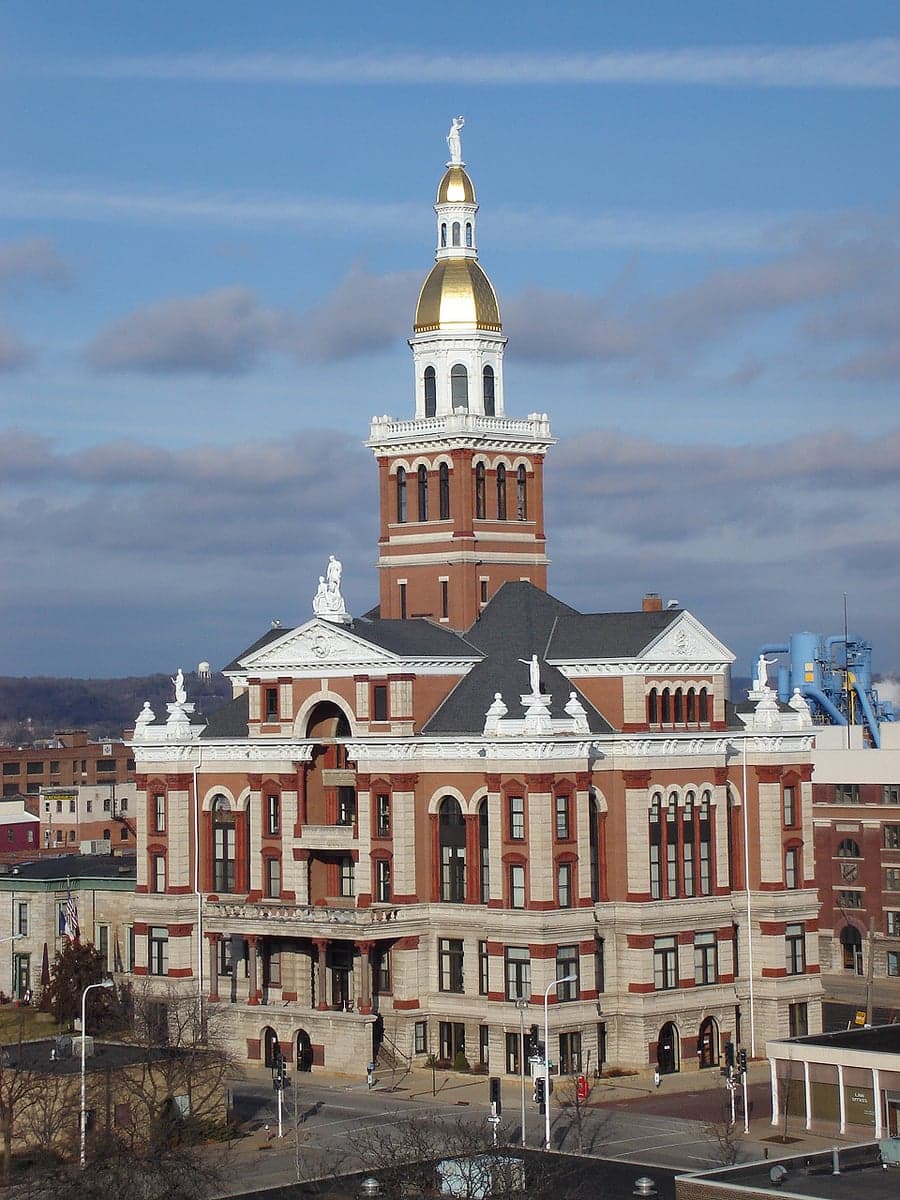
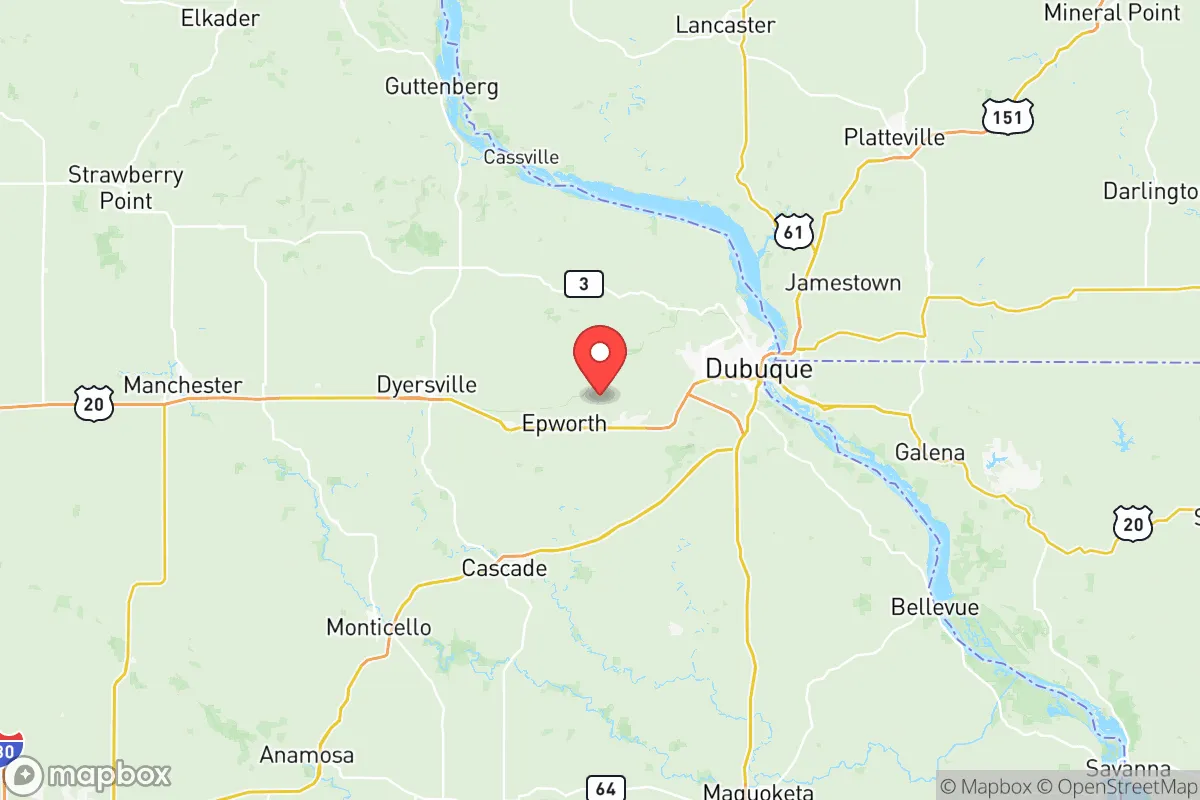
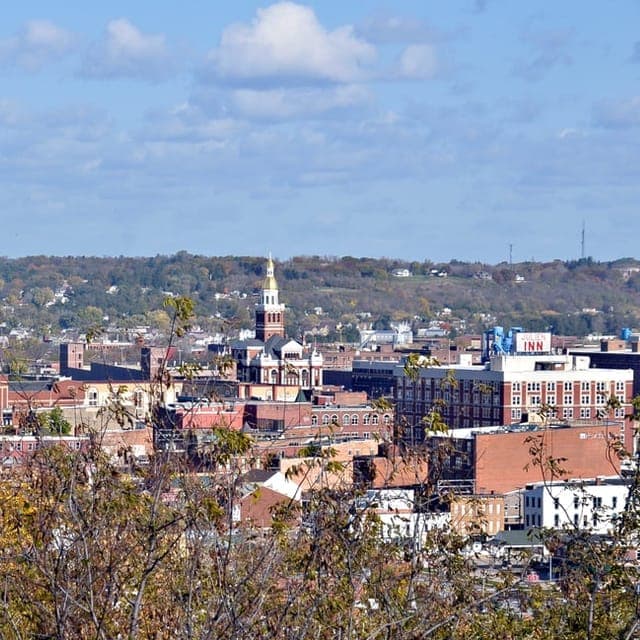
Dubuque County feels like the kind of place where people still wave at passing cars on gravel roads, yet you can grab a craft beer downtown on a Friday night. It’s a county of contrasts — the historic river city of Dubuque anchors the east, while towns like Asbury, Peosta, and Dyersville spread westward into rolling farmland. The vibe is quietly conservative, family-first, and rooted in a work ethic that traces back to the region’s German and Irish settlers.
The Daily Rhythm: Work, School, and Weekend Rituals
Life here moves at a pace that surprises newcomers from bigger Midwest cities. The average commute clocks in at just over 17 minutes — one of the shortest in Iowa — which means people actually go home for lunch or make it to their kid’s soccer game by 5:30. John Deere remains the county’s largest employer, and its presence shapes the local calendar: plant and harvest seasons still dictate when families take vacation. In Asbury and Peosta, newer subdivisions fill with young families who work in Dubuque’s hospitals, schools, or manufacturing plants. On weekends, you’ll find them at the Dubuque Farmers Market along the Mississippi River, or driving out to Dyersville to catch a minor-league baseball game at the iconic Field of Dreams movie site. The county’s median age of 38.8 is right at the national average, but the feel skews younger in the suburbs and older in the rural townships.
Grocery shopping means Hy-Vee runs in Dubuque proper or the smaller Fareway in Epworth. For a night out, locals pack L.May Eatery in downtown Dubuque for farm-to-table dishes, or hit Busted Nut Brewery in Dyersville for a relaxed patio scene. The county’s cost of living index sits at 81 — well below the national average — which means a median home value of $226,100 buys a three-bedroom with a yard in most communities. That affordability is the single biggest draw for families priced out of Madison or the Twin Cities.
Sports, Community, and the Things That Bring People Together
High school sports are a genuine social anchor here. Friday nights in the fall mean packed bleachers at Dubuque Senior High or Wahlert Catholic football games, and the rivalry between Dyersville Beckman and Cascade draws crowds that rival some small colleges. The University of Dubuque and Loras College add a collegiate layer — Loras’s basketball games and UD’s football program give locals a reason to cheer year-round. For pro sports, most residents root for the Chicago Cubs or St. Louis Cardinals, depending on which side of the family they grew up on.
The county’s biggest cultural moment is the Field of Dreams Movie Site in Dyersville, which draws visitors from all over the world — but locals treat it as a casual spot for a catch or a sunset walk. The Dubuque County Fair in Farley is a genuine community gathering, not a tourist trap, with 4-H shows, tractor pulls, and the kind of fried food that requires a nap afterward. Outdoor life revolves around the Heritage Trail, a 26-mile paved path that runs from Dubuque to Dyersville along an old railroad bed — perfect for biking, running, or walking the dog on a Sunday morning.
What Frustrates Locals and What Keeps Them Here
The honest downsides: winters are long and gray, with lake-effect-style snow off the Mississippi that can make January feel endless. The violent crime rate of 230.5 per 100,000 is slightly above the national average, though nearly all of it is concentrated in specific Dubuque city neighborhoods — Asbury and Peosta report rates closer to zero. Locals also grumble about the lack of late-night dining options; after 9 p.m., your choices are mostly fast food or a bar kitchen. And while the county’s 32.9% college-educated rate is respectable, young professionals sometimes feel the social scene is thin for singles — this is a place built around families and established couples.
What keeps people rooted is the genuine sense of safety and predictability. Kids still ride bikes to the corner store. Neighbors know each other’s names. The median household income of $75,919 goes a long way here, and the schools — particularly in Western Dubuque and Dyersville districts — are consistently rated among Iowa’s best. The county’s identity is proudly Iowan but with a distinct river-town flavor: a little grittier than the prairie counties to the west, a little more grounded than the college towns to the north. It’s the kind of place where you move for the affordability and stay for the quiet dignity of daily life.

* Values derived from national, state, county, city and local statistics and may differ in a specific area. Last updated: 2026-07-03T00:25:59.000Z
Narrative content on this page is AI-generated and may contain mistakes. Verify any details that matter before acting on them.
ReloMaps may earn a commission from affiliate links at no extra cost to you.

