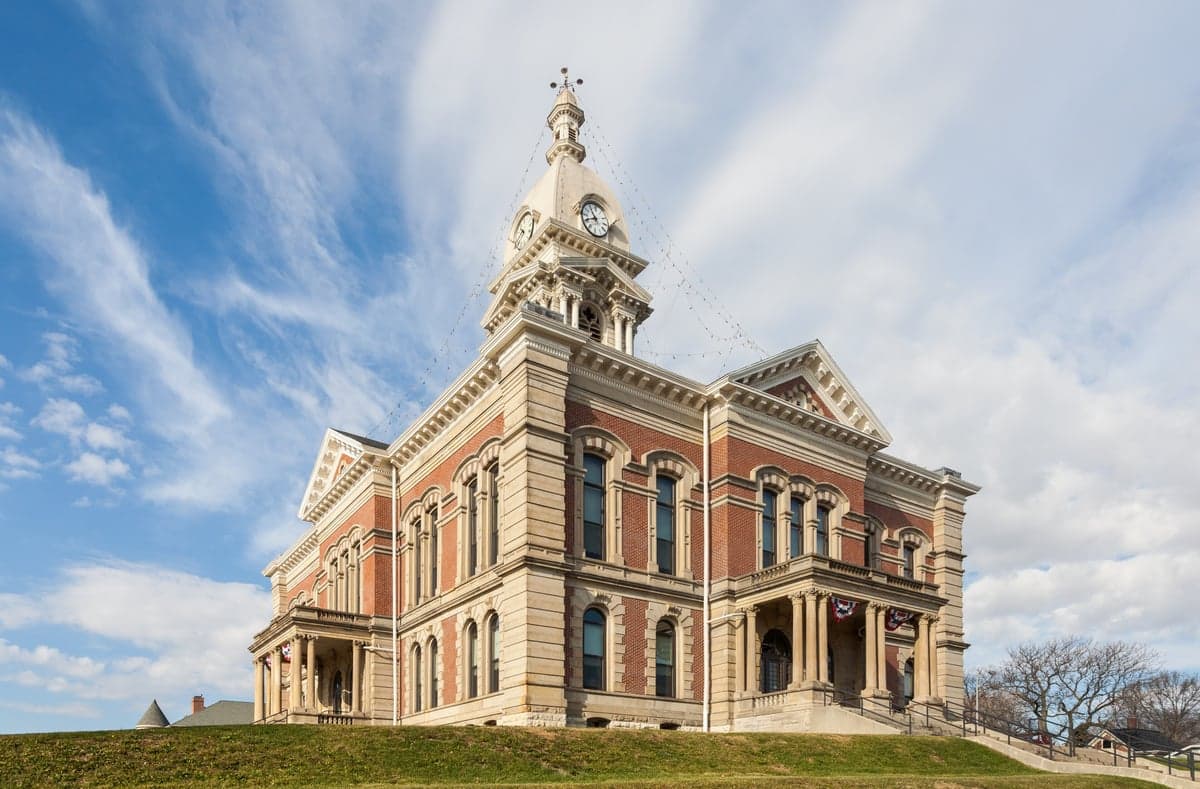
Photo: Wikipedia
Quality of Life in Wabash County
A livable area that tracks near national norms for affordability, walkability, and neighborhood health.
What does Quality of Life tell us?
Quality of Life measures an area by evaluating factors like cost of living, nearby amenities, country club access, airport proximity, socioeconomic signals and neighborhood character. For large states, this is a general average — quality of life can vary dramatically between metro areas, suburbs, and rural communities within the same state.
What does this tell us?
Quality of Life measures an area by evaluating factors like cost of living, nearby amenities, country club access, airport proximity, socioeconomic signals and neighborhood character. For large states, this is a general average — quality of life can vary dramatically between metro areas, suburbs, and rural communities within the same state.
Cost of Living
41% below national average
167%
The Real Cost of Living in Wabash County for 2026
| Tier | Individual | Family (4) |
|---|---|---|
| Survival | $12k | $23k |
| Comfortable | $28k | $41k |
| Luxury | $101k+ | $156k+ |
| Elite (Top 5%) | $118k+ | $183k+ |
Quality-of-Life Analysis
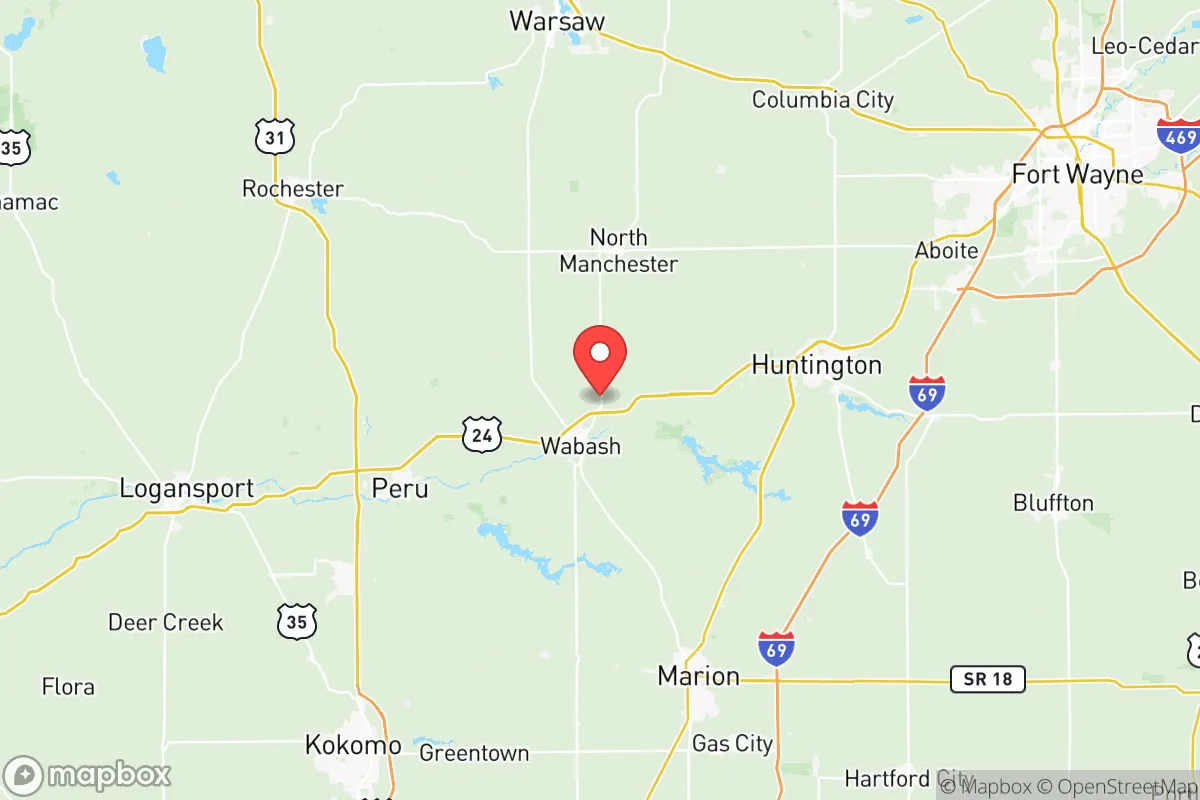
Wabash County offers a spectrum of living environments that range from the historic, walkable core of its county seat to quiet, unincorporated crossroads and open farmland. The county’s overall cost of living index sits at 59 (well below the U.S. average of 100), with a median home value of $143,600 and median rent of $752, making it one of the more affordable places in north-central Indiana. The average commute of just over 21 minutes means residents can choose a rural homestead or a small-town lot without sacrificing reasonable access to jobs and services. The character of daily life shifts noticeably depending on whether you settle in the largest town, a smaller community, or a true rural pocket.
Largest town(s) & population centers
Wabash (pop. ~10,000) is the county’s primary population center and the only incorporated city. Daily life here centers on a compact, historic downtown anchored by the Honeywell Center, a performing arts venue and community hub that draws visitors from across the region. The Wabash River runs through town, and the city’s network of parks and the nearby Salamonie River State Forest provide outdoor recreation within a short drive. Housing stock includes a mix of older Victorian homes near the downtown core and more modern subdivisions on the outskirts. The median home value in Wabash proper is slightly above the county average, but still well under $200,000. Residents have access to grocery stores, a hospital (Parkview Wabash Hospital), and a range of local retail and dining options. The town is also home to several manufacturing employers, including Ford Meter Box and Wabash National, which anchor the local economy. For those who want walkability, a sense of history, and amenities within a few blocks, Wabash is the clear choice.
Smaller towns & rural pockets
Outside of Wabash, the county’s smaller towns offer a quieter, more affordable lifestyle. North Manchester (pop. ~5,000) is the second-largest community, home to Manchester University and a small but active downtown with a pharmacy, grocery store, and a few restaurants. The university brings a younger, more transient population and cultural events that are rare in towns of this size. Lagro (pop. ~400) sits along the Wabash River and the historic Wabash & Erie Canal, offering a handful of homes and a strong sense of isolation despite being only 10 minutes from the county seat. Roann (pop. ~400) is similarly small, with a few churches, a post office, and a park. Unincorporated areas like Liberty Mills and Servia are essentially crossroads with scattered homes and farmland. In these pockets, residents rely on Wabash or North Manchester for most shopping and services. The trade-off is lower home prices — often under $100,000 for a fixer-upper — and larger lots, sometimes with acreage. The rural character is genuine: you’ll find Amish buggies on county roads, especially around the Pleasant Township area south of Wabash.
Cost & lifestyle range
The cost spread across the county is real but not extreme. At the higher end, newer subdivisions on the east side of Wabash (near the Wabash High School and the YMCA) have homes in the $180,000–$250,000 range, with larger lots and modern finishes. Rentals in Wabash proper average around $750–$850 for a two-bedroom. At the lower end, a small house in Lagro or Roann can sell for under $80,000, and rural rental options are scarce but occasionally available for under $600. Property taxes are low across the board, and the county’s overall tax burden is among the lowest in Indiana. Lifestyle differences are more about proximity than price: a family in Wabash can walk to the library and the farmers market; a family in rural Chester Township might have a 15-minute drive to the nearest gas station but enjoy absolute quiet and land for gardening or livestock. The 21-minute average commute reflects that even the most remote homes are within a half-hour drive of Wabash or the larger employment centers in nearby Huntington or Marion.
Wabash County works best for people who value low cost of living, short commutes, and a genuine small-town or rural atmosphere. Retirees on fixed incomes, remote workers seeking affordable housing, and families who want space without isolation all find a niche here. The county lacks the nightlife, shopping malls, or job diversity of a metro area, but for those who prioritize financial breathing room and a slower pace, the range of options — from the walkable streets of Wabash to the quiet crossroads of Liberty Mills — provides a clear fit.

Crime in Wabash County
Generally safer than 58% of comparable U.S. locations.
Violent CrimeViolent Crime Analysis
Property CrimeProperty Crime Analysis
Crime Analysis
Wabash County, Indiana, presents a mixed safety profile for potential residents. The county's violent crime rate of 264.2 incidents per 100,000 residents sits below the national average, but its property crime rate of 1,101.6 per 100,000 exceeds both state and national benchmarks. Understanding where these incidents concentrate and how local law enforcement and judicial approaches differ across the county's communities is essential for anyone evaluating relocation to this north-central Indiana area.
Crime in context
When compared to Indiana's statewide violent crime rate of approximately 380 per 100,000, Wabash County's figure of 264.2 is notably lower. However, the property crime rate of 1,101.6 per 100,000 runs significantly higher than the Indiana average of roughly 850 per 100,000 and the national median of about 1,000 per 100,000. This property crime disparity is driven largely by thefts and burglaries in the county's more populated areas. The city of Wabash, the county seat and largest municipality, accounts for a disproportionate share of reported property crimes, particularly in areas near the downtown corridor and along the SR 15 commercial strip. Smaller communities like North Manchester and Roann report lower overall crime volumes, though their smaller populations can produce volatile per-capita rates in any given year. The county's rural townships—such as Liberty Township and Paw Paw Township—consistently show the lowest crime rates, with many reporting zero violent crimes annually.
What residents experience
Daily life in Wabash County varies significantly by location. Residents in the city of Wabash itself are more likely to encounter property crime issues, including vehicle break-ins and package thefts, particularly in neighborhoods near the Wabash River and around the Honeywell Center. The Wabash City Police Department maintains a visible presence, but the city's older housing stock and economic challenges in some wards contribute to higher incident rates. In contrast, North Manchester, home to Manchester University, benefits from a campus police force and a community-oriented atmosphere that keeps both violent and property crime well below county averages. The town of Lagro, with its small population and tight-knit community, reports minimal crime year after year. The Wabash County Sheriff's Office handles law enforcement for unincorporated areas and the smaller towns, and their response times in rural areas can exceed 20 minutes. The judicial philosophy in Wabash County's 75th Judicial Circuit is generally conservative, with judges who prioritize public safety and victim rights over progressive sentencing alternatives. This approach means that offenders convicted of violent crimes or repeat property offenses typically face meaningful incarceration rather than diversion programs, which contributes to the county's lower violent crime rate compared to more urbanized Indiana counties with progressive district attorneys.
Neighborhood-level variation is pronounced. The safest areas within the city of Wabash are generally the residential neighborhoods east of SR 13 and north of the river, where newer subdivisions and higher property values correlate with lower incident reports. The downtown area and the neighborhoods immediately west of the river see more police calls for service, particularly for theft and disorderly conduct. For those seeking the lowest crime risk, the unincorporated areas of Lincolnville and Disko offer rural living with virtually no reported crime, though residents sacrifice proximity to shopping and services. Prospective residents should examine block-level crime maps for the city of Wabash specifically, as the difference between one street and the next can be substantial in terms of property crime risk.
* Values derived from national, state, county, city and local statistics and may differ in a specific area. Last updated: 2026-11-15T19:54:37.000Z
Narrative content on this page is AI-generated and may contain mistakes. Verify any details that matter before acting on them.
ReloMaps may earn a commission from affiliate links at no extra cost to you.

