Photo: Wikipedia
Find The Best Places To Live in Wabash County
PRO TIP! You can paste a Zillow or Redfin link to get info on that property.
What It's Like Living in Wabash County, IN
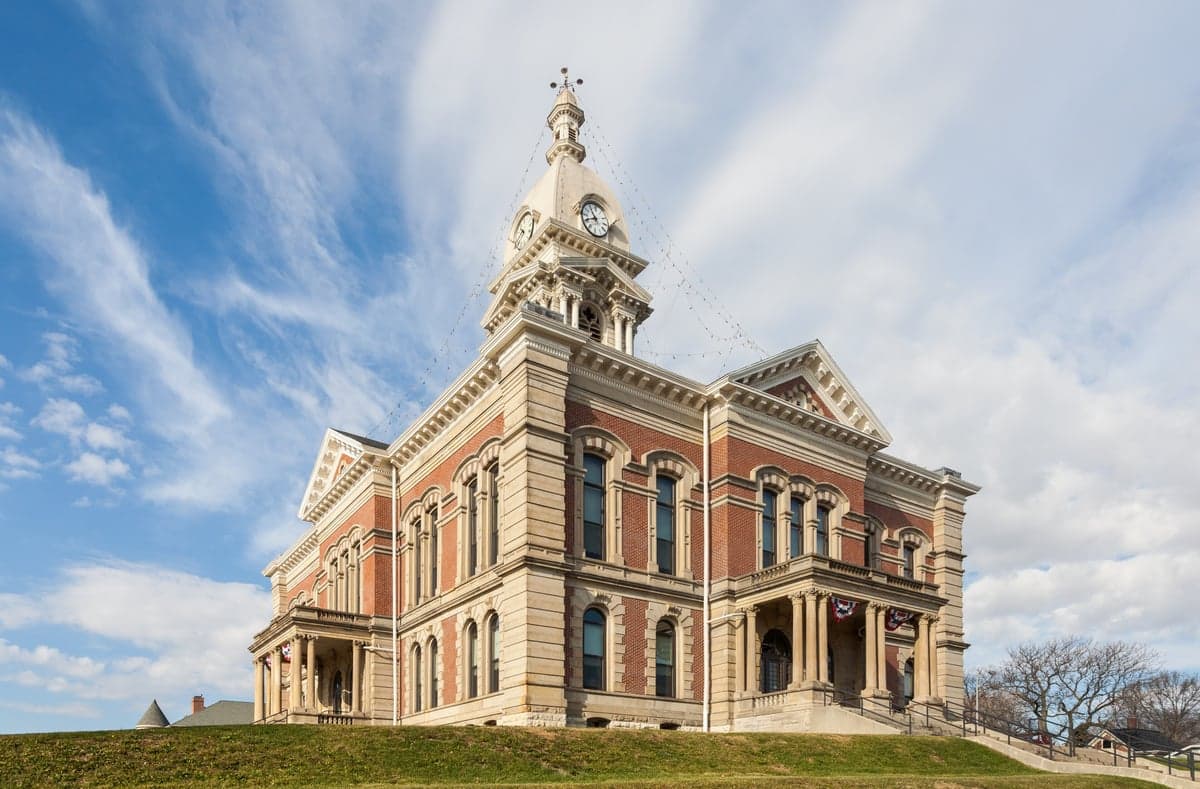
Wabash County feels like a place where people still wave to each other on back roads, where the courthouse square in Wabash is the social hub, and where Friday nights in fall revolve around high school football in towns like North Manchester and Southwood. It’s a corner of Indiana that moves at its own pace — slower, steadier, and more neighborly than what you’ll find in the state’s bigger cities. For someone looking to trade traffic jams for tractor parades and chain restaurants for a local diner where the waitress knows your order, this county offers a genuine slice of Midwestern life.
Daily Rhythm: What People Actually Do Here
Life in Wabash County revolves around a mix of small-town routine and outdoor escape. The median age here is 42.6, which means you’ll find a solid blend of young families, empty nesters, and retirees — not a college town scene, but not a retirement village either. The median household income sits at $68,414, comfortably above the national average for a place where the cost of living index is a remarkably low 59 (100 is the U.S. average). That math is the whole story: your dollar stretches further here than in nearly any other part of the country.
Weekends often start with coffee at The Daily Grind in downtown Wabash or a breakfast stop at Hometown Pizza in North Manchester. People spend Saturday mornings at the Wabash County Farmers Market (May through October on the courthouse lawn), then head to Paradise Spring Historical Park for a walk along the Wabash River. The average commute is just 21.6 minutes, so you’re not burning half your day in a car — a fact locals mention with obvious relief. For groceries, most folks hit Walmart in Wabash or Kroger in the city, but smaller towns like Roann and LaFontaine rely on local markets and gas-station convenience stores.
Sports, Community, and the Schools That Tie It Together
High school sports are the closest thing Wabash County has to a civic religion. Wabash High School’s Apaches draw big crowds for football and basketball, but the rivalry with North Manchester’s Manchester High School Squires is the one that fills bleachers and fuels conversations at the Wabash Elks Lodge and American Legion Post 15. Southwood High School in rural Wabash County also fields competitive teams, and the whole county turns out for the annual Wabash County 4-H Fair in July — a week of livestock shows, carnival rides, and funnel cakes that feels like a county-wide reunion.
The schools themselves are a major reason families settle here. Manchester University in North Manchester brings a modest college-town energy, with Division III sports and public lectures that locals attend. The public school districts — Wabash City Schools and Manchester Community Schools — are well-regarded for their size, with class sizes small enough that teachers know every student by name. About 21.6% of adults hold a college degree, which is below the national average, but the county’s manufacturing and logistics base doesn’t demand one — Ford Meter Box in Wabash and Plastipak in the industrial park are the largest employers, offering stable blue-collar work.
What’s There to Do: Festivals, Parks, and Honest Fun
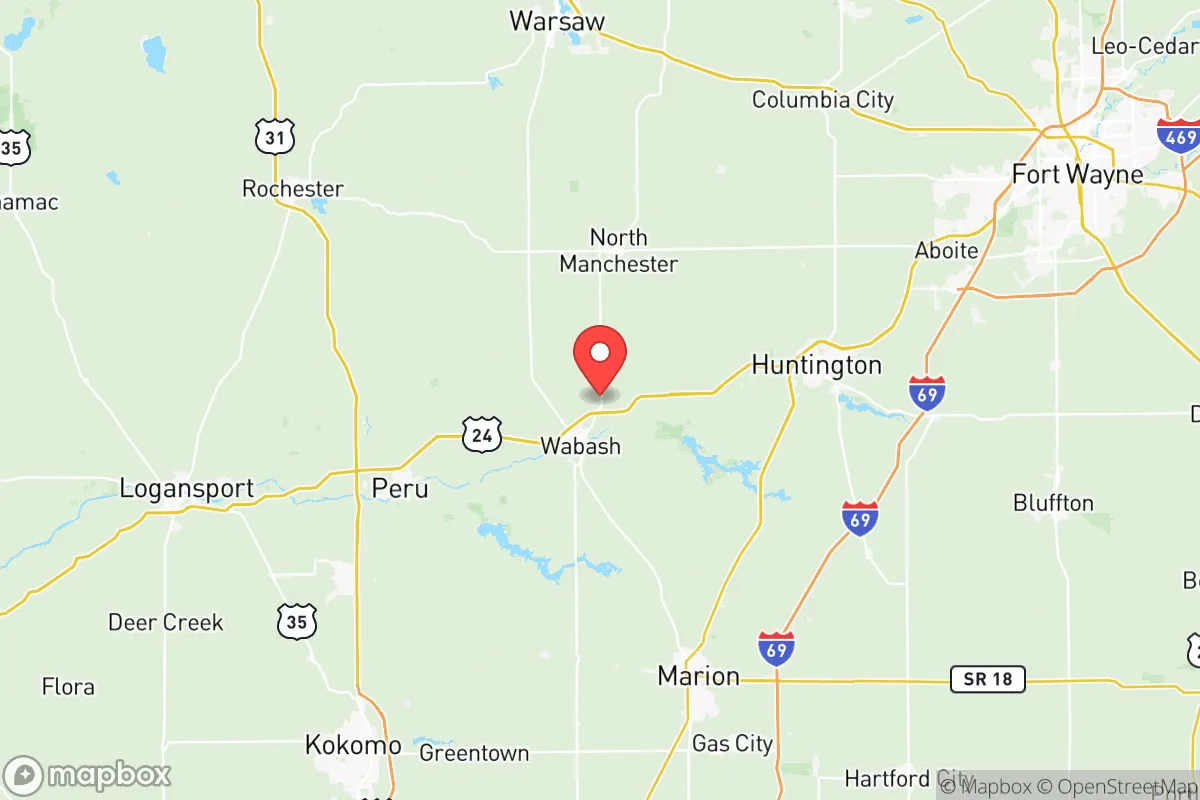
If you’re looking for nightclubs or a pro sports team, you’ll be driving to Fort Wayne (about 40 minutes east). But within the county, there’s a surprising amount of character. The Wabash County Historical Museum on the courthouse square is a gem — housed in a former Carnegie library, it covers everything from the area’s Miami Indian heritage to the 1880s gas boom that made Wabash the first electrically lighted city in the world. The Honeywell Center in Wabash hosts concerts, plays, and art exhibits year-round, drawing acts like the Indiana Symphony Orchestra and touring country artists.
Outdoorsy types spend weekends at Salamonie River State Forest (part of which cuts through the county’s southern edge) or at Mississinewa Lake just north of the county line — both offer hiking, fishing, and camping. The Wabash River Greenway is a paved trail that runs through the city of Wabash, popular for biking and jogging. In North Manchester, the Eel River provides a quiet spot for kayaking and tubing in the summer. The biggest annual event is Wabash’s First Friday — a monthly block party on the courthouse square from May to September with live music, food trucks, and a beer garden.
Pros and Cons of Living in Wabash County
- Pro: Affordability is real. The median home value is $143,600 — you can buy a three-bedroom house in Wabash or North Manchester for what a down payment costs in Indianapolis. Rent is similarly low, with many two-bedroom apartments under $800.
- Pro: Low stress, high safety. The violent crime rate is 264.2 per 100,000 — slightly above the national average, but most crime is property-related and concentrated in a few Wabash city blocks. Rural areas like Roann and LaFontaine feel genuinely safe, with neighbors who watch out for each other.
- Con: Limited job diversity. If you’re not in manufacturing, healthcare (the county’s second-largest sector), or education, you may struggle to find work. Many professionals commute to Fort Wayne or even Kokomo.
- Con: Entertainment options are thin. There’s no movie theater in the county (the closest is in Peru or Marion). Chain restaurants are limited to fast food and a few sit-down places like Bob Evans and El Camino Mexican Grill. For a night out with options, you’re driving 30+ minutes.
- Pro: Community is real. People here know their neighbors. The county’s population of 30,901 is small enough that you’ll run into familiar faces at the post office, the hardware store, and the Wabash County YMCA. That’s a feature, not a bug, for anyone tired of anonymous suburban life.
Seasonal rhythms shape everything. Winters are gray and cold, with lake-effect snow occasionally piling up, but spring brings the Wabash County Garden Club’s annual plant sale, and fall is football, harvest festivals, and the North Manchester Art Walk. The kind of person who thrives here is someone who values quiet, knows their neighbors, and doesn’t need a new restaurant every week. It’s a place for raising kids, retiring on a fixed income, or simply opting out of the rat race — and for the right person, that’s exactly the point.

* Values derived from national, state, county, city and local statistics and may differ in a specific area. Last updated: 2026-11-15T19:54:37.000Z
Narrative content on this page is AI-generated and may contain mistakes. Verify any details that matter before acting on them.
ReloMaps may earn a commission from affiliate links at no extra cost to you.

