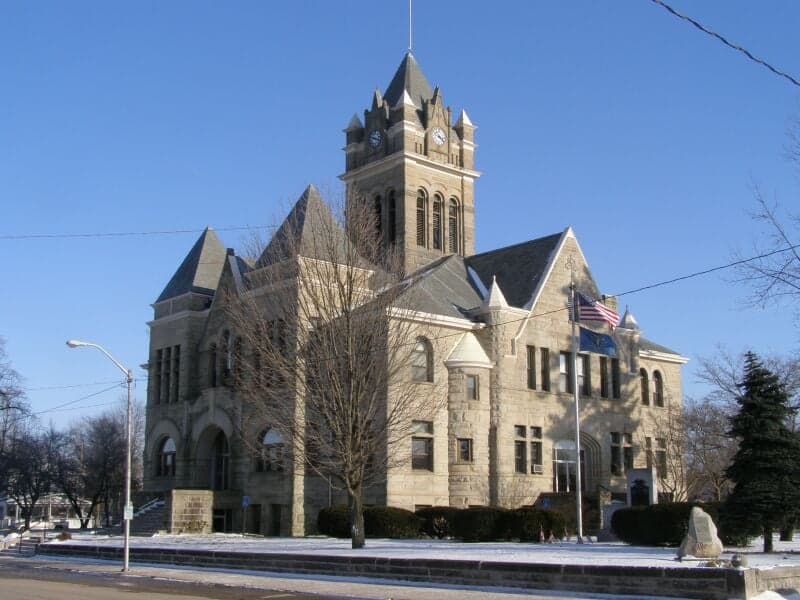
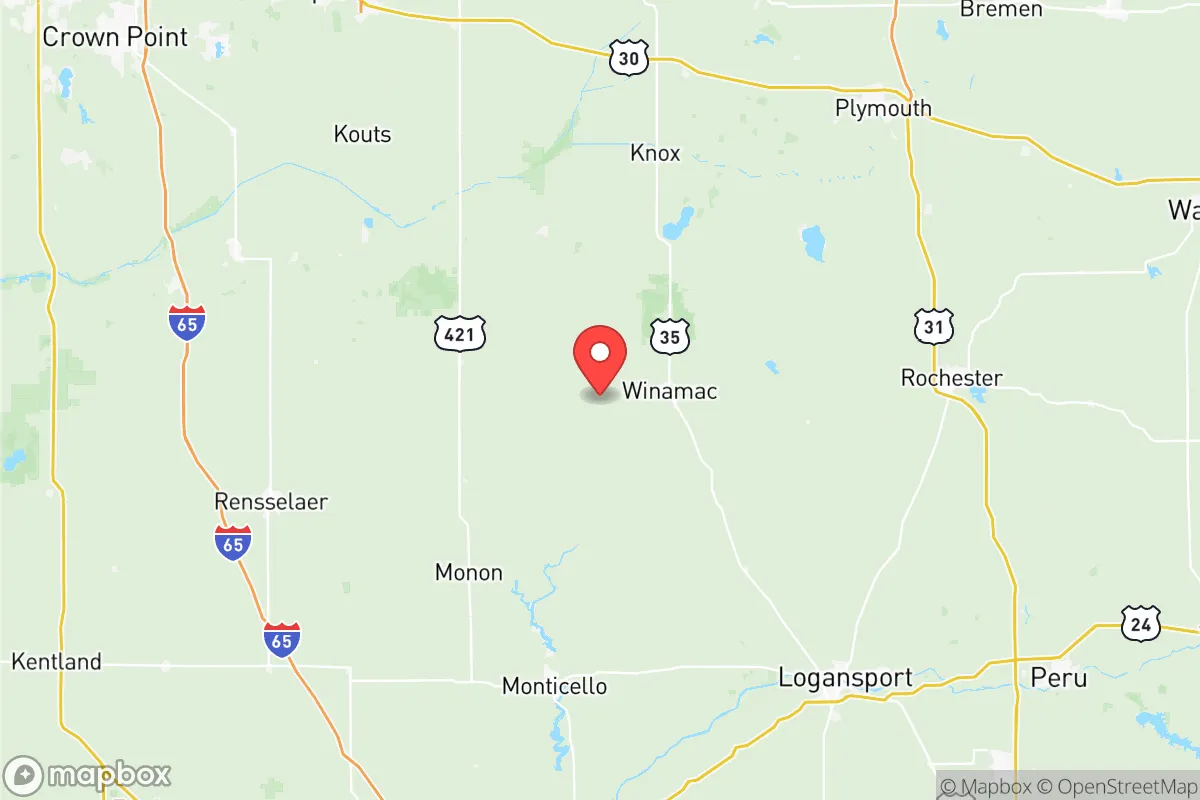
Photo: Wikipedia
Quality of Life in Pulaski County
A livable area that tracks near national norms for affordability, walkability, and neighborhood health.
What does Quality of Life tell us?
Quality of Life measures an area by evaluating factors like cost of living, nearby amenities, country club access, airport proximity, socioeconomic signals and neighborhood character. For large states, this is a general average — quality of life can vary dramatically between metro areas, suburbs, and rural communities within the same state.
What does this tell us?
Quality of Life measures an area by evaluating factors like cost of living, nearby amenities, country club access, airport proximity, socioeconomic signals and neighborhood character. For large states, this is a general average — quality of life can vary dramatically between metro areas, suburbs, and rural communities within the same state.
Cost of Living
44% below national average
156%
The Real Cost of Living in Pulaski County for 2026
| Tier | Individual | Family (4) |
|---|---|---|
| Survival | $11k | $21k |
| Comfortable | $26k | $38k |
| Luxury | $97k+ | $150k+ |
| Elite (Top 5%) | $114k+ | $176k+ |
Quality-of-Life Analysis
Pulaski County, Indiana, offers a quality-of-life spectrum that ranges from the modest commercial hub of Winamac to the quiet, unincorporated crossroads of towns like Francesville and Medaryville, with vast stretches of farmland and Kankakee River country in between. The county’s overall cost of living index sits at 56—44% below the U.S. average—making it one of the most affordable places in the state, but the experience of living there shifts dramatically depending on whether you choose a walkable town lot, a rural acreage, or a riverfront property. The median home value of $134,600 and median rent of $715 anchor the low end of the market, while the average commute of roughly 25 minutes keeps most daily life contained within the county’s borders. People drawn to Pulaski County typically fall into two camps: those who want the convenience of a small county seat with basic services, and those who prioritize land, privacy, and outdoor recreation over proximity to retail and nightlife.
Largest town(s) & population centers
Winamac, the county seat and largest town (population roughly 2,300), is the undisputed center of commerce, government, and daily life in Pulaski County. The town sits along the Tippecanoe River and offers a compact, walkable downtown anchored by the historic courthouse square, with grocery stores, a hardware store, a pharmacy, a public library, and a handful of locally owned restaurants and cafes. Winamac is also home to the Pulaski County Hospital and the county’s main public school system, Eastern Pulaski Community Schools. For families, the town provides a safe, small-town environment where children can walk to school and neighbors know each other by name. The median home value in Winamac hovers around the county average of $134,600, and rental options—mostly single-family homes and a few apartment complexes—typically fall under $800 per month. The town’s biggest draw is its balance: you can live in a quiet residential neighborhood and still walk to the post office or the county park. Winamac’s population has remained stable over the past decade, a sign that it retains residents who value its low cost and slow pace, even as younger adults sometimes leave for larger job markets.
Smaller towns & rural pockets
Beyond Winamac, Pulaski County’s smaller communities each have their own character. Francesville (population roughly 850) sits in the county’s southwest corner and is known for its strong agricultural roots and the West Central School Corporation, which serves a multi-county area. The town has a small grocery, a bank, and a few churches, but most residents commute to Winamac, Monticello, or even Lafayette for work and shopping. Medaryville (population roughly 400) lies in the northern part of the county, near the Jasper-Pulaski Fish and Wildlife Area—a major draw for birdwatchers and hunters, especially during the sandhill crane migration. Medaryville has limited services: a gas station, a post office, and a volunteer fire department. Star City (population roughly 300) and Monterey (population roughly 200) are unincorporated hamlets where life revolves around farming, family, and the local church. In these pockets, the median home value can drop below $100,000, and rental options are scarce—often limited to mobile homes or private leases. The Kankakee River corridor, particularly around the unincorporated area of Bass Lake, offers a distinct rural-recreational lifestyle, with seasonal cottages and fishing camps that attract weekenders from the Chicago region.
Cost & lifestyle range
The cost of living in Pulaski County varies more by housing type and location than by town size. At the low end, a fixer-upper on a rural acre in the Medaryville or Star City area can sell for under $80,000, and monthly rent for a mobile home or small house in those areas often runs $500–$600. At the higher end, a well-maintained home in Winamac’s established neighborhoods—especially near the river or the golf course—can reach $200,000–$250,000, though that is still well below the national median. The county’s overall cost of living index of 56 is driven largely by housing costs that are roughly half the national average, while utilities and groceries are also below average. Amenities follow a similar gradient: Winamac has a public swimming pool, a county park with walking trails, and a small hospital, while Francesville and Medaryville have no grocery store or pharmacy. For daily errands, residents of the smaller towns must drive 15–25 minutes to Winamac or 30–40 minutes to Logansport or Monticello. The average commute of 25 minutes reflects this reality—most workers either stay within the county or make a manageable drive to neighboring counties for employment in manufacturing, healthcare, or education.
Who thrives in Pulaski County? The county is best suited for people who value low housing costs, quiet surroundings, and a slower pace of life, and who do not require urban amenities or a wide range of employment options within walking distance. Retirees on fixed incomes, remote workers with stable internet (though rural coverage can be spotty), and families who prioritize safety and outdoor recreation—fishing, hunting, boating on the Tippecanoe or Kankakee rivers—will find the county a good fit. Young professionals and singles seeking nightlife, diverse dining, or career growth in specialized fields will likely feel constrained and may need to commute to Lafayette (45 minutes) or South Bend (1 hour) for work and entertainment. For those who want land, affordability, and a genuine small-town or rural lifestyle, Pulaski County delivers a quality of life that is increasingly rare in the Midwest.

Crime in Pulaski County
Generally safer than 58% of comparable U.S. locations.
Violent CrimeViolent Crime Analysis
Property CrimeProperty Crime Analysis
Crime Analysis
Pulaski County, Indiana, reports a violent crime rate of 264.1 per 100,000 residents and a property crime rate of 1,100.9 per 100,000, placing it in a moderate risk category relative to both state and national averages. These figures, drawn from the most recent FBI Uniform Crime Reporting data, indicate that while the county is not among Indiana's most dangerous, it is not a low-crime haven either. Residents in towns like Winamac, the county seat, and Francesville generally experience lower incident density than those in more transient or commercial corridors, though property crime remains a consistent concern across the area.
Crime in context
Pulaski County's violent crime rate of 264.1 per 100,000 is roughly 25% below the national average of 380 per 100,000 but slightly above the Indiana state average of approximately 240 per 100,000. Property crime, at 1,100.9 per 100,000, sits about 15% below the national average of 1,300 per 100,000 but is comparable to the Indiana state figure of roughly 1,050 per 100,000. This places Pulaski County in a middle tier among Indiana's 92 counties. Neighboring counties like White County (Monticello) and Starke County (Knox) report similar or slightly higher property crime rates, while more rural Fulton County (Rochester) tends to show lower violent crime figures. The county's proximity to larger population centers like Lafayette (Tippecanoe County) and South Bend (St. Joseph County) does not appear to drive Pulaski's rates upward, as those metro areas have their own distinct crime patterns influenced by larger populations and more progressive prosecutorial policies that can lead to higher recidivism.
What residents experience
For daily life in Pulaski County, the most tangible safety concern is property crime—particularly theft from vehicles and outbuildings in rural areas. Winamac, with its commercial core along U.S. 35, sees occasional shoplifting and vehicle break-ins, while Francesville and Medaryville report fewer incidents but still experience seasonal upticks during harvest periods when equipment and fuel are targeted. Violent crime is rare but not absent; incidents typically involve domestic disputes or altercations among known individuals rather than random stranger attacks. The county's judicial system, overseen by the Pulaski Superior Court, operates under traditional sentencing guidelines, and local law enforcement in Winamac and Monterey maintains a visible presence. However, residents should be aware that Indiana's broader trend toward progressive criminal justice reforms—such as reduced sentencing for certain drug offenses—can indirectly affect Pulaski County by releasing offenders who may reoffend in smaller communities. The county's relatively low population density (about 13,000 residents) means that most crime is interpersonal rather than opportunistic, but property crime remains a persistent nuisance that requires vigilance, especially in unincorporated areas near Star City and Denham.
Neighborhood-level variation in Pulaski County is modest but noticeable. The most significant safety differential exists between the incorporated towns and the open countryside. Winamac's residential neighborhoods near the courthouse square are generally considered safer than its commercial strips along U.S. 35, where transient traffic is higher. Francesville and Monterey report the lowest crime rates in the county, partly due to their smaller populations and strong community watch networks. Conversely, areas near the Tippecanoe River and the county's recreational lakes see seasonal spikes in property crime during summer months when vacation homes are targeted. No single neighborhood in Pulaski County qualifies as a high-crime zone by urban standards, but residents in all areas should secure outbuildings and vehicles, as rural property crime is the county's most consistent safety challenge.
* Values derived from national, state, county, city and local statistics and may differ in a specific area. Last updated: 2026-11-08T12:39:31.000Z
Narrative content on this page is AI-generated and may contain mistakes. Verify any details that matter before acting on them.
ReloMaps may earn a commission from affiliate links at no extra cost to you.

