Photo: Wikipedia
Find The Best Places To Live in Starke County
PRO TIP! You can paste a Zillow or Redfin link to get info on that property.
What It's Like Living in Starke County, IN
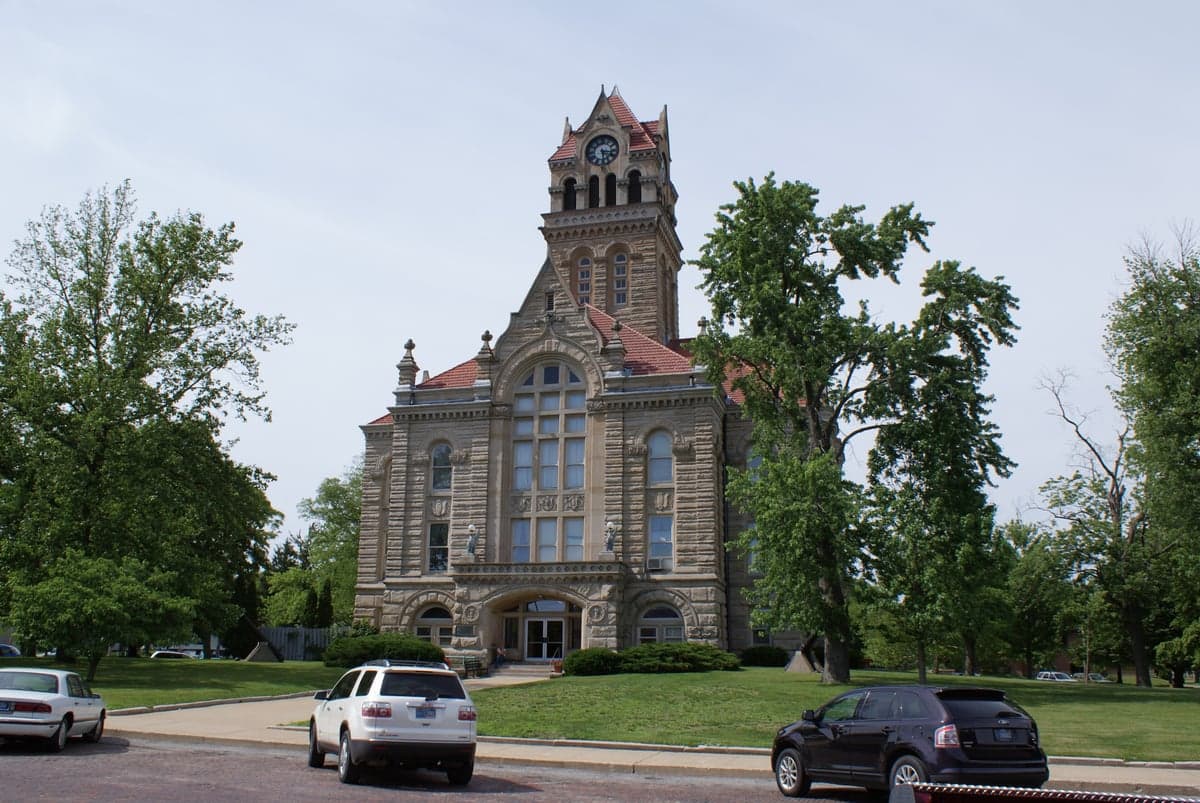
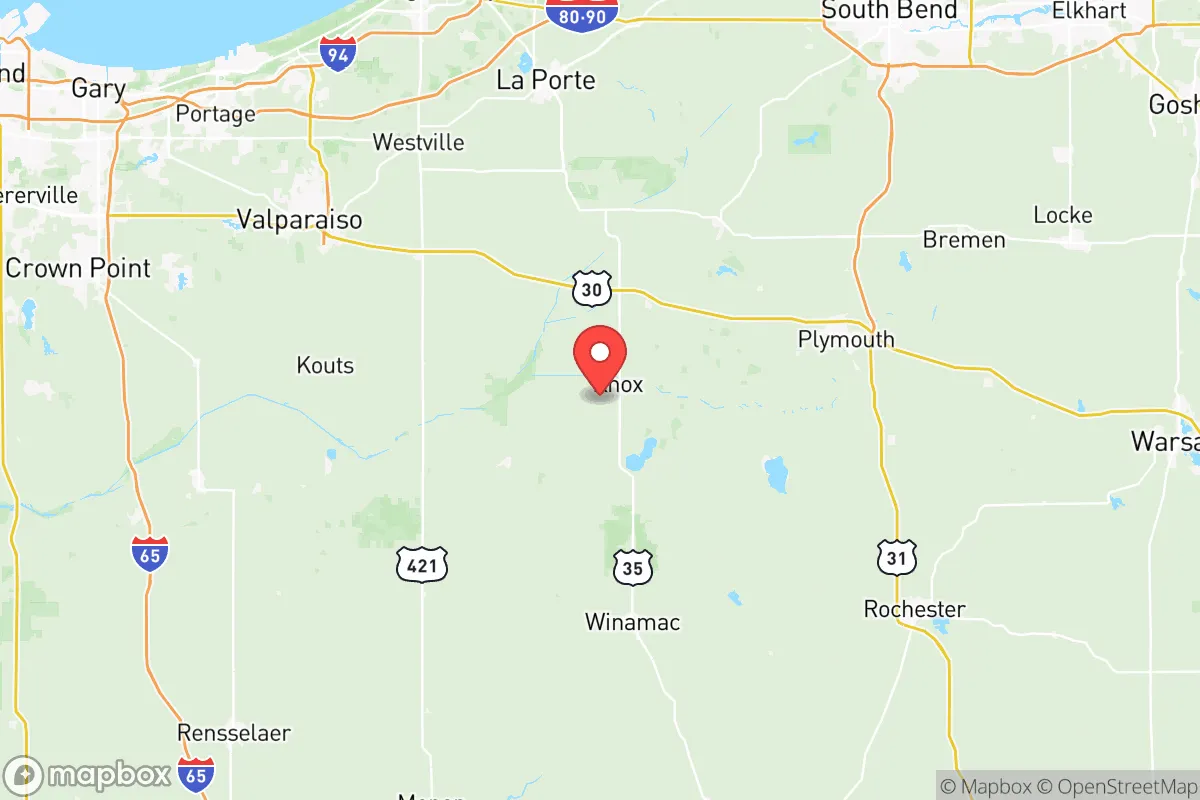
Starke County feels like a place where people know their neighbors and the pace of life slows down to something manageable. With a population of about 23,300 spread across towns like Knox, Hamlet, and North Judson, the county offers a distinctly rural Indiana experience—one where the median home value sits at $148,400 and the cost of living index is 57, well below the national average. It’s the kind of area where you trade big-city amenities for space, quiet, and a community that still shows up for each other.
Daily Rhythm: What Life Actually Looks Like
Most days in Starke County start early. People commute an average of 31 minutes to work, often heading to larger employment hubs like Plymouth or South Bend, or staying local for jobs in manufacturing, agriculture, and healthcare. The median household income is $62,933, which stretches further here than in most of the country thanks to that low cost of living. Grocery runs often mean a trip to Knox’s Main Street or the local IGA, and weekend mornings might find families at the Starke County Farmers Market in the summer. Evenings are quiet—dinner at home, a high school game, or a drink at a local spot like the Knox Tap Room. The median age of 41.9 reflects a community that’s settled, with many residents in their prime working and raising families.
For those who fit in here, it’s about valuing practicality over polish. You’ll find a lot of folks who work with their hands—farmers, mechanics, tradespeople—alongside nurses, teachers, and small business owners. It’s not a place for someone chasing nightlife or career ladder-climbing in a corporate tower. It’s for people who want a yard, a garage, and a school system where their kids’ teachers know their names.
Sports, Community, and What People Do for Fun
High school sports are the heartbeat of Starke County. Friday nights in the fall mean packed bleachers for the Knox Redskins and the North Judson Bluejays, with the whole town turning out. Basketball season is just as big—the rivalry between Knox and North Judson is genuine, and the gyms get loud. There’s no pro team within an hour’s drive, so local athletics carry real weight. Beyond sports, the county’s outdoor life centers on the Kankakee River and the Bass Lake area, where people fish, kayak, and hunt. The Starke County Forest offers hiking and a quiet escape, and the annual Starke County Fair in July is a highlight—carnival rides, 4-H shows, and a sense of tradition that’s been going for generations.
Entertainment options are modest but meaningful. The historic Strand Theatre in Knox shows movies and hosts community events. For a bigger night out, people drive to South Bend or Valparaiso for concerts or restaurants. Dining is mostly local staples—think family-run diners and pizza joints. The Hamlet House Restaurant in Hamlet is a local favorite for comfort food, and Bass Lake Beach provides a summer hangout with swimming and a snack bar. The cultural quirk here is a deep self-reliance: people host potlucks, church suppers, and backyard barbecues more than they go out. It’s a place where a Friday night might mean a bonfire with neighbors.
Pros and Cons of Living in Starke County
What residents love: The cost of living is the biggest draw. A median home value of $148,400 means a family can buy a three-bedroom house on a decent lot for what would be a down payment in many cities. The violent crime rate of 264.1 per 100,000 is slightly above the national average but concentrated in specific areas; most residents feel safe in their neighborhoods. The sense of community is real—people leave their doors unlocked, help with harvest, and know who to call when a pipe bursts. The schools, while not top-ranked, are small enough that teachers can give individual attention, and extracurriculars are accessible to nearly every kid.
What frustrates people: The trade-off for low costs is limited opportunity. Only 12.6% of adults hold a college degree, and job options outside of manufacturing, agriculture, and retail are scarce. The average commute of 31 minutes reflects that many residents drive to work elsewhere. Shopping and dining are basic—there’s no Target or chain restaurant row; you’re driving to Plymouth or Valparaiso for that. Internet access can be spotty in rural areas, and the county’s population has been slowly declining as younger people leave for cities. Winters are real: lake-effect snow from Lake Michigan can dump significant accumulation, and the rural roads can be rough. For someone used to urban convenience, the isolation can feel stifling.
Starke County is a place for people who want to own their space and their time, who don’t mind driving for a nice dinner, and who find community in a high school gym or a church potluck. It’s not for everyone—but for the right person, it’s home.

* Values derived from national, state, county, city and local statistics and may differ in a specific area. Last updated: 2026-11-08T12:44:11.000Z
Narrative content on this page is AI-generated and may contain mistakes. Verify any details that matter before acting on them.
ReloMaps may earn a commission from affiliate links at no extra cost to you.

