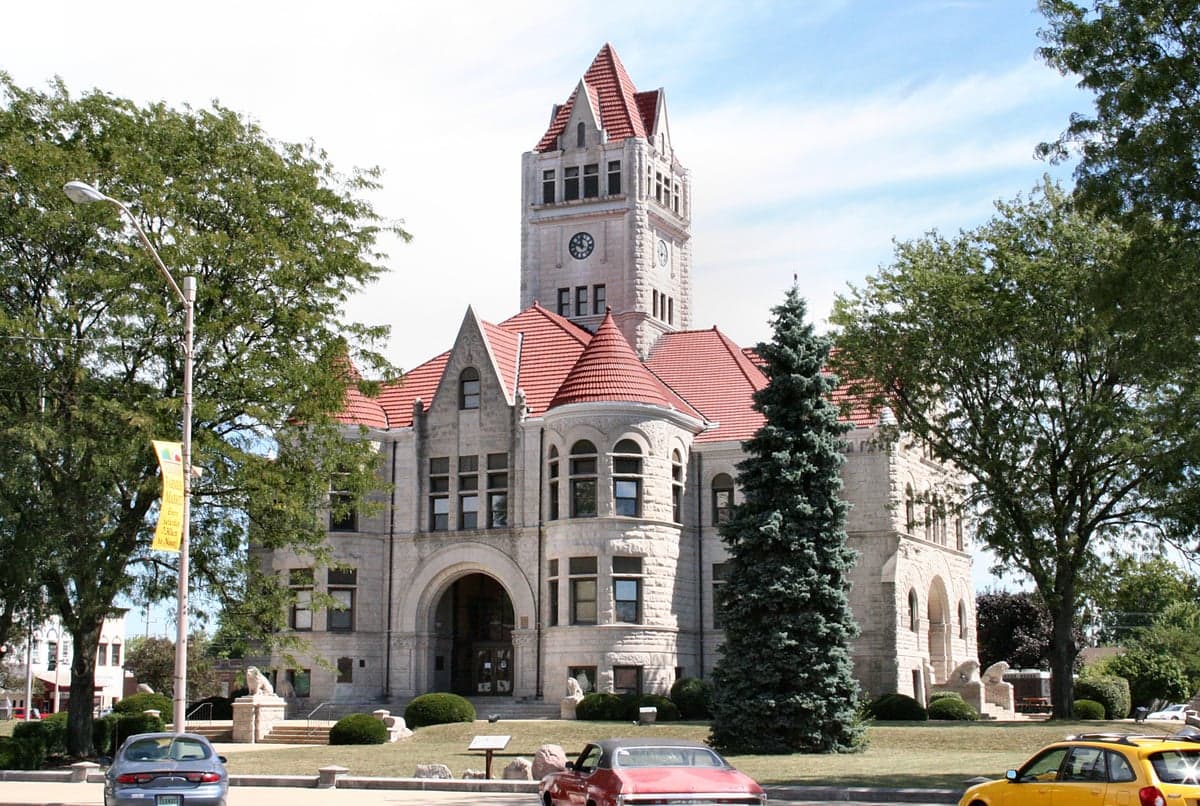
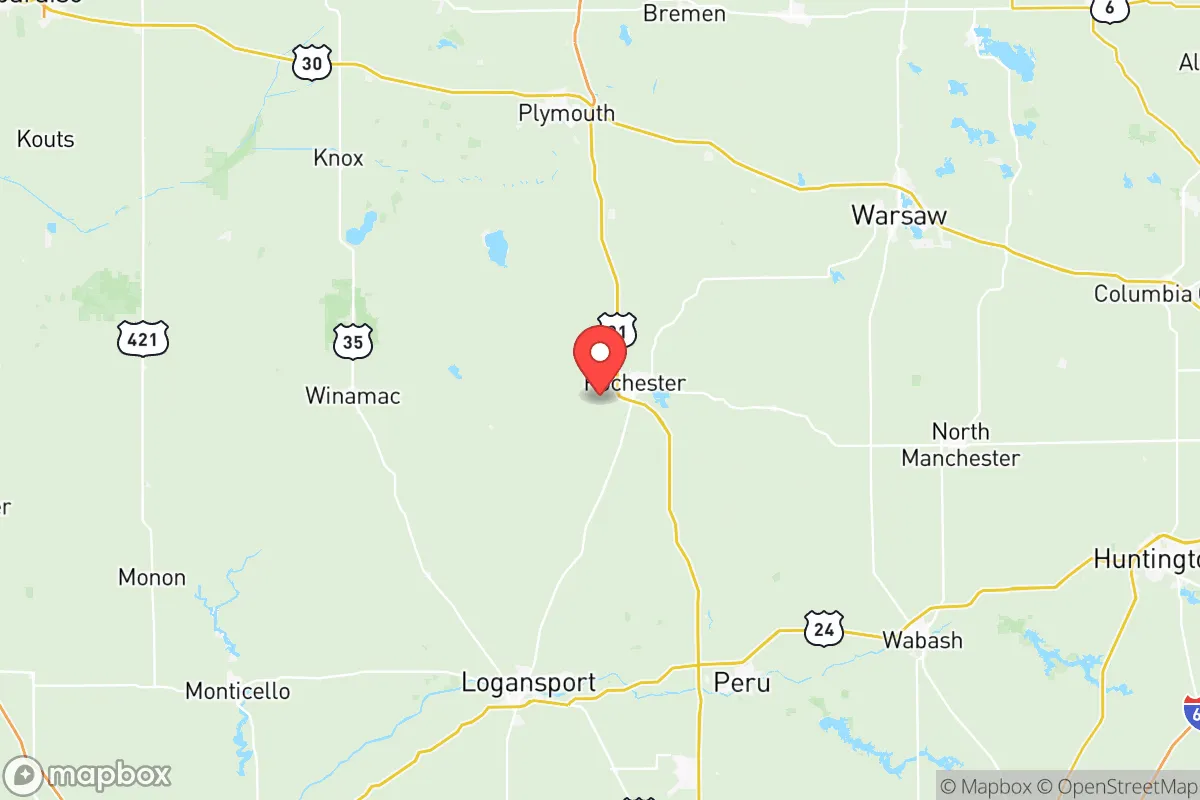
Photo: Wikipedia
Quality of Life in Fulton County
A livable area that tracks near national norms for affordability, walkability, and neighborhood health.
What does Quality of Life tell us?
Quality of Life measures an area by evaluating factors like cost of living, nearby amenities, country club access, airport proximity, socioeconomic signals and neighborhood character. For large states, this is a general average — quality of life can vary dramatically between metro areas, suburbs, and rural communities within the same state.
What does this tell us?
Quality of Life measures an area by evaluating factors like cost of living, nearby amenities, country club access, airport proximity, socioeconomic signals and neighborhood character. For large states, this is a general average — quality of life can vary dramatically between metro areas, suburbs, and rural communities within the same state.
Cost of Living
35% below national average
152%
The Real Cost of Living in Fulton County for 2026
| Tier | Individual | Family (4) |
|---|---|---|
| Survival | $14k | $26k |
| Comfortable | $28k | $41k |
| Luxury | $105k+ | $163k+ |
| Elite (Top 5%) | $124k+ | $192k+ |
Quality-of-Life Analysis
Fulton County, Indiana, offers a distinct quality-of-life spectrum that ranges from the modest commercial hub of Rochester to quiet, unincorporated crossroads and expansive farmland, drawing residents who value affordability, small-town familiarity, and access to outdoor recreation along the Tippecanoe River. With a cost of living index of 65 (35% below the U.S. average), a median home value of $144,700, and a median rent of $861, the county attracts first-time homebuyers, retirees on fixed incomes, and families seeking a slower pace without sacrificing basic amenities. The average commute of roughly 24 minutes is manageable, though longer drives to larger employment centers in Logansport, Plymouth, or South Bend are common for those in the more remote rural pockets.
Largest town(s) & population centers
Rochester, the county seat and largest town, is the primary population center with roughly 6,000 residents. Daily life here revolves around the courthouse square, local schools, and the shores of Lake Manitou, which provides a central recreation area for boating and fishing. The town offers a full-service grocery store, a hospital (Woodlawn Hospital), and a handful of locally-owned restaurants and shops. Housing in Rochester is the most expensive in the county, but still highly affordable by national standards, with many older homes and newer subdivisions available. The town serves as the commercial and social anchor for the county, drawing residents from outlying areas for errands, medical appointments, and high school sports events.
Smaller towns & rural pockets
Beyond Rochester, Fulton County is dotted with smaller incorporated towns and unincorporated communities that define its rural character. Akron (pop. ~1,200) sits in the county's southeast corner, offering a quiet, family-oriented atmosphere with its own elementary school and a small downtown. Kewanna (pop. ~600) in the northwest is a classic farming community with a grain elevator and a few local businesses, while Fulton (pop. ~500) near the county's eastern edge is a bedroom community for commuters to Rochester or Logansport. Unincorporated areas like Leiters Ford, Talma, and Burlington consist of scattered homes, churches, and agricultural operations, where residents often rely on well water and septic systems. These pockets offer the lowest property prices and the most privacy, but require longer drives for groceries, healthcare, and school bus routes.
Cost & lifestyle range
The cost of living in Fulton County varies noticeably between its population center and its rural fringe. At the higher end, Rochester's median home value of roughly $144,700 and median rent of $861 reflect the convenience of in-town amenities, lake access, and shorter commutes. At the lower end, unincorporated areas like Leiters Ford or Talma often see home prices 15-20% below the county median, with older farmhouses and mobile homes available for under $100,000. Rentals in these rural pockets are scarce and typically informal. The lifestyle trade-off is clear: Rochester offers walkability to a few blocks of downtown, a public library, and a community pool, while rural residents gain acreage, quiet, and lower taxes but sacrifice access to restaurants, retail, and entertainment. The county's overall COL index of 65 means even the priciest Rochester home is a bargain compared to national averages, making the entire county accessible to those priced out of larger Midwestern metros.
Fulton County is best suited for those who prioritize affordability, outdoor life along the Tippecanoe River and Lake Manitou, and a close-knit community where neighbors know each other. Retirees and remote workers who value a low-stress environment and can handle a 20-30 minute drive to a Walmart or regional hospital will find the rural pockets appealing. Families with school-age children often gravitate to Rochester for its consolidated school system and extracurricular options, while farmers and those seeking land for hobby agriculture thrive in the unincorporated areas. The county's modest size and limited job base mean it is not for those seeking urban nightlife or diverse employment, but for anyone seeking a genuinely affordable, quiet slice of Indiana life, Fulton County delivers a clear and consistent value proposition.

Crime in Fulton County
Generally safer than 58% of comparable U.S. locations.
Violent CrimeViolent Crime Analysis
Property CrimeProperty Crime Analysis
Crime Analysis
Fulton County, Indiana, presents a mixed safety profile for potential residents, with property crime rates significantly exceeding national averages while violent crime remains below the U.S. median. The county’s overall violent crime rate of 264.1 per 100,000 residents is roughly 25% lower than the national average, but its property crime rate of 1,100.9 per 100,000 is about 15% higher than the U.S. figure. This divergence means that while violent incidents are relatively rare, theft, burglary, and vehicle break-ins are more common concerns, particularly in the county’s more populated areas.
Crime in context
When compared to Indiana’s statewide averages, Fulton County’s violent crime rate is slightly below the state’s 2023 figure of approximately 310 per 100,000, while its property crime rate is notably above the state’s 1,050 per 100,000. The county’s largest municipality, Rochester, accounts for a disproportionate share of reported incidents, with its downtown and commercial corridors along US-31 seeing higher rates of shoplifting and vehicle-related theft. In contrast, smaller towns like Akron and Fulton report far fewer incidents, though their populations are too small to generate statistically reliable year-over-year comparisons. The county’s rural nature means that many property crimes occur at unoccupied farmsteads or seasonal lake homes, particularly around Lake Manitou and the Tippecanoe River corridor, where seasonal vacancy creates opportunities for burglary.
What residents experience
Daily life in Fulton County is generally safe, but residents in Rochester and the unincorporated areas near Kewanna report property crime as a persistent annoyance. Vehicle break-ins and theft from unlocked sheds or garages are the most common complaints, with the Rochester Police Department logging roughly 40-50 such incidents annually. Violent crime is sporadic and often domestic in nature; the county’s homicide rate has averaged fewer than one per year over the past decade. However, the Fulton County Prosecutor’s Office, which operates under a conservative judicial philosophy, has maintained a reputation for aggressive prosecution of property and drug offenses, which may contribute to the relatively low violent crime numbers by keeping repeat offenders off the street. Residents in Leiters Ford and the eastern part of the county near the Miami County line generally report feeling safe walking at night, though the lack of street lighting in rural subdivisions is a common concern.
Neighborhood-level variation
Crime is not evenly distributed across Fulton County. The most concentrated area for both property and violent incidents is the downtown Rochester core, particularly around the courthouse square and the commercial strip along SR-14. This area sees higher foot traffic and transient activity, which correlates with petty theft and occasional assaults. The Lake Manitou area, while scenic, experiences seasonal spikes in property crime during summer months when vacation rentals are occupied. Conversely, the rural townships of Richland and Newcastle report crime rates near zero, with the Indiana State Police handling most calls. For families seeking the safest environment, the northern edge of Rochester near the Fulton-Marshall county line offers newer subdivisions with lower incident rates, while the Akron area provides a quiet, low-crime alternative with minimal police presence. Prospective renters and buyers should verify specific block-level data with the Fulton County Sheriff’s Office, as the county’s small population means that a single incident can skew annual statistics for a given neighborhood.
* Values derived from national, state, county, city and local statistics and may differ in a specific area. Last updated: 2026-11-08T12:33:52.000Z
Narrative content on this page is AI-generated and may contain mistakes. Verify any details that matter before acting on them.
ReloMaps may earn a commission from affiliate links at no extra cost to you.

