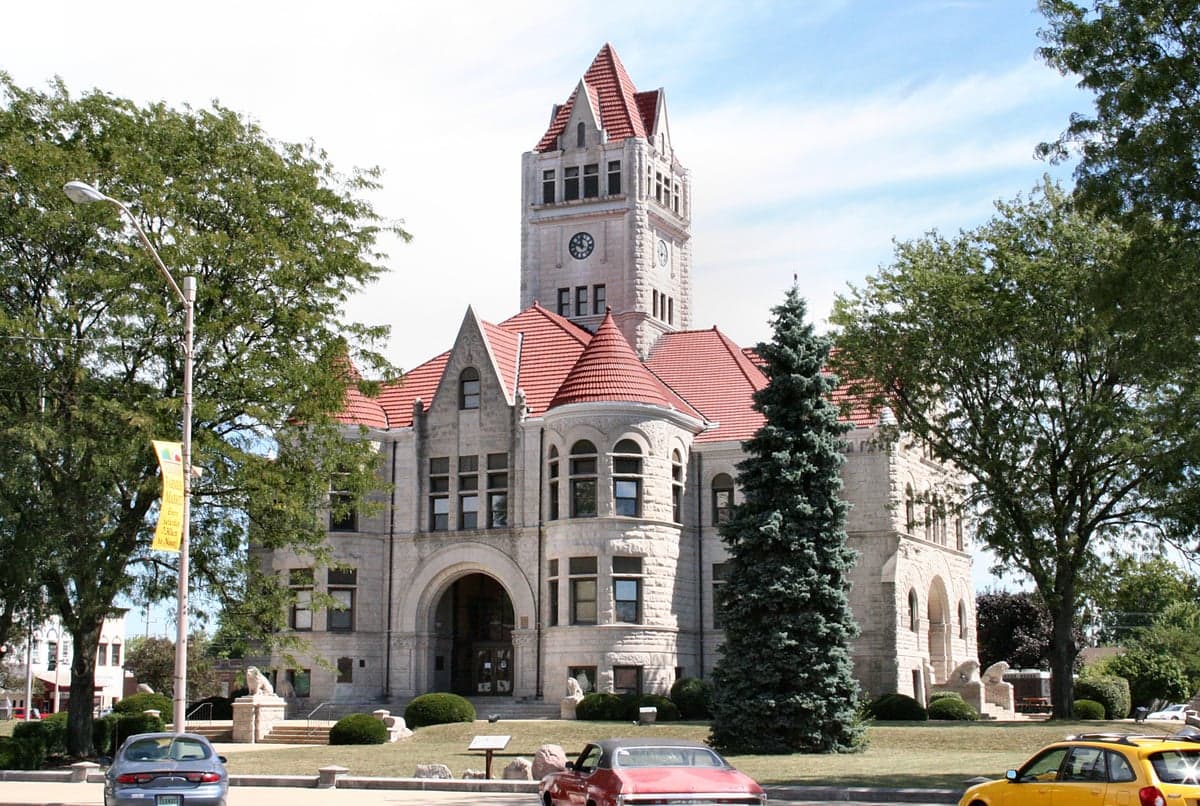
Photo: Wikipedia
Personal Sovereignty in Fulton County
Viable for self-reliance. Generally workable, though some barriers may limit total independence.
What does Personal Sovereignty tell us?
Personal Sovereignty measures your capacity for self-reliance and independence with minimal government friction. Higher scores mean fewer barriers between you and the way you want to live... but it assumes you have the space you need and good neighbors.
What does this tell us?
Personal Sovereignty measures your capacity for self-reliance and independence with minimal government friction. Higher scores mean fewer barriers between you and the way you want to live... but it assumes you have the space you need and good neighbors.
State Policy
Energy independence: Importer (29% of energy produced in-state)
Personal Liberty
Homesteading

Personal Liberty Analysis
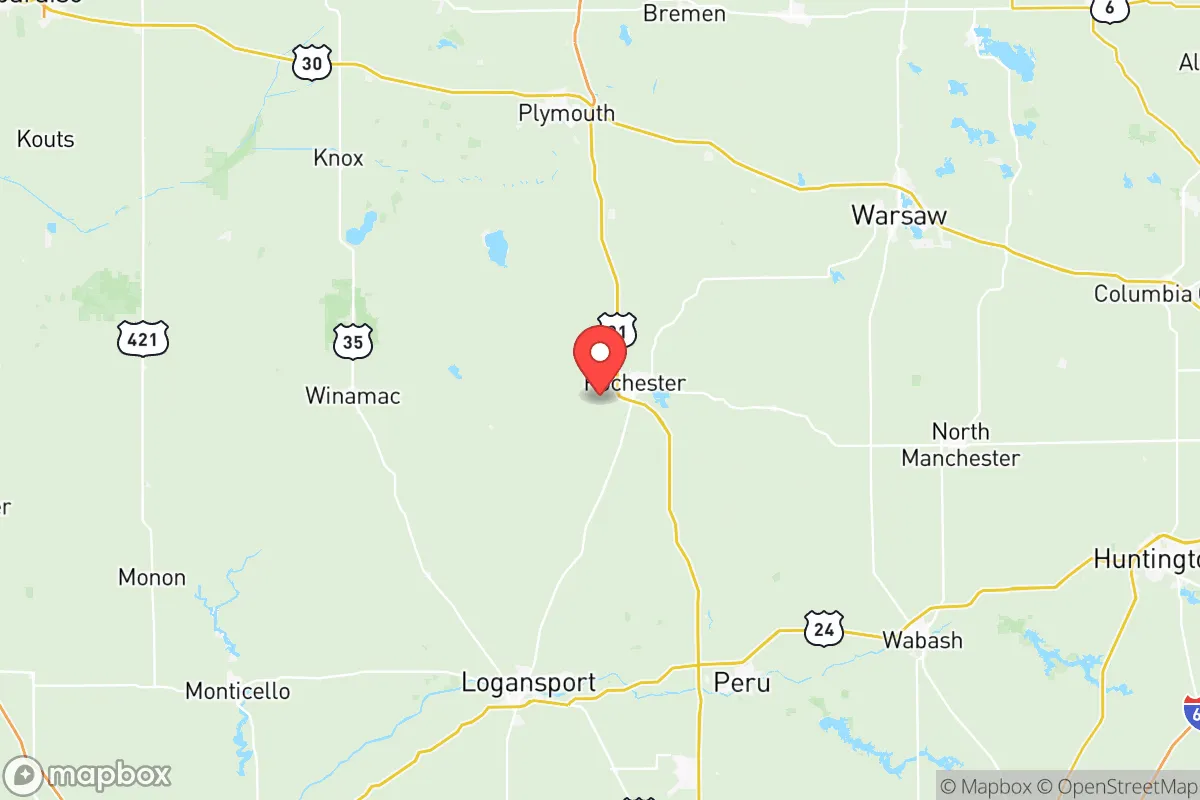
Fulton County, Indiana, offers a notably high degree of personal sovereignty, shaped by a light-touch regulatory environment, strong gun rights protections, and a rural landscape that supports self-reliant lifestyles. Located in north-central Indiana, the county—anchored by the city of Rochester and including towns like Akron, Fulton, and Kewanna—operates under state-level preemptions that limit local government overreach in areas like firearms, property use, and taxation. For individuals and families prioritizing autonomy, Fulton County presents a freedom-friendly alternative to more heavily regulated urban centers, though the practical expression of that sovereignty varies across its communities.
Tax burden and regulatory posture in Fulton County
Fulton County’s tax burden is moderate by Indiana standards, with a combined state and local income tax rate of roughly 3.15% (state flat tax) plus county-specific rates. Property taxes are assessed at about 0.8% to 1.2% of market value, depending on the township—lower in rural areas like Liberty Township near Kewanna than in Rochester’s city limits. The county’s regulatory posture is generally permissive: there is no county-wide zoning in unincorporated areas, meaning landowners in places like Richland Center or Grass Creek can build structures, keep livestock, or operate small home-based businesses without extensive permitting. Rochester and Akron have basic zoning codes for commercial and residential density, but they are far less restrictive than suburban or urban jurisdictions. Indiana’s right-to-work status and lack of a state-level property tax on business equipment further reduce regulatory friction for entrepreneurs. The overall message is that government interference in daily economic and property decisions is minimal, especially outside the county seat.
Self-defense and gun law specifics in Fulton County
Indiana is a constitutional carry state, and Fulton County fully reflects that. As of 2022, no permit is required to carry a handgun openly or concealed for any law-abiding adult 18 or older. The county sheriff’s office in Rochester issues lifetime licenses for those who still want one for reciprocity purposes, but the process is straightforward and shall-issue. There are no county-level restrictions on magazine capacity, firearm types, or ammunition—state law preempts local ordinances, so Rochester, Akron, and Fulton cannot enact their own gun bans. Stand-your-ground and castle doctrine laws apply statewide, meaning no duty to retreat in any place where a person has a legal right to be. Shooting ranges and private gun clubs operate freely in rural areas like the Tippecanoe River valley near Leiters Ford. For self-defense-minded residents, Fulton County offers one of the most permissive legal environments in the Midwest, with no waiting periods, no registration, and no red-flag law as of 2026.
Self-reliance and homesteading viability: lot sizes, zoning, and off-grid feasibility
Homesteading and off-grid living are highly viable in Fulton County, particularly outside incorporated towns. Unincorporated areas have no minimum lot size for agricultural or residential use, though parcels under one acre may face septic system constraints. In townships like Henry, Union, and Newcastle, five-acre hobby farms are common, and residents can keep chickens, goats, or cattle without special permits. Off-grid feasibility is strong: Indiana has no state law prohibiting rainwater collection, and solar panel installation is unrestricted in unincorporated areas. Rochester and Akron require grid connection for new construction within town limits, but rural properties in places like Macy or Talma can operate entirely on solar with battery storage and propane backup. Well water is accessible across most of the county, with typical depths of 50–150 feet and reasonable drilling costs. Composting toilets and greywater systems are legal under state health codes if properly permitted. The county’s agricultural extension office in Rochester offers soil testing and resources for small-scale farming. For families seeking to reduce reliance on municipal utilities and grocery supply chains, Fulton County’s rural townships provide a practical, low-hassle environment.
Personal liberties: parental rights, medical autonomy, speech, and property
Fulton County’s personal liberties environment is shaped by Indiana’s broader legal framework, which leans toward individual and parental rights. Parental rights in education are strong: Indiana’s school choice program allows families in Rochester Community Schools, Caston School Corporation (Fulton), and Tippecanoe Valley School Corporation (Akron area) to use state-funded vouchers for private or homeschool expenses. Homeschooling is lightly regulated—no notification, no curriculum approval, and no standardized testing requirements. Medical autonomy is mixed: Indiana has no vaccine mandate for adults, but some employers and healthcare facilities may require them. The state does not have a right-to-try law for terminally ill patients, but it does allow direct primary care agreements. Speech and assembly are fully protected under the First Amendment, with no county-level restrictions on public protest or expression. Property rights are robust: Indiana’s private property rights laws limit eminent domain to public uses like roads and utilities, and there is no county-level rent control or landlord licensing. The county’s small population (about 20,000) means that local government is accessible—residents can attend county commissioner meetings in Rochester and voice concerns directly. Overall, personal liberties in Fulton County are above average for the Midwest, with the strongest protections in rural areas where community norms and low population density reduce the impulse for regulation.
Compared to more heavily regulated areas like Lake County or Marion County (Indianapolis), Fulton County offers a significantly higher degree of personal sovereignty across tax burden, gun rights, homesteading feasibility, and personal liberties. The county’s rural character and state-level preemptions create an environment where individuals and families can live with minimal government interference, particularly outside Rochester’s city limits. For those prioritizing self-reliance and freedom from bureaucratic oversight, Fulton County ranks among the more autonomy-friendly locations in Indiana, with practical advantages for homesteaders, gun owners, and families seeking educational choice.

* Values derived from national, state, county, city and local statistics and may differ in a specific area. Last updated: 2026-11-08T12:33:52.000Z
Narrative content on this page is AI-generated and may contain mistakes. Verify any details that matter before acting on them.
ReloMaps may earn a commission from affiliate links at no extra cost to you.

