Photo: Wikipedia
Demographics of Fulton County
Affluence Level in Fulton County
A below-average socioeconomic profile. Incomes, home values, and educational attainment trail the U.S., with higher poverty and unemployment.
People of Fulton County
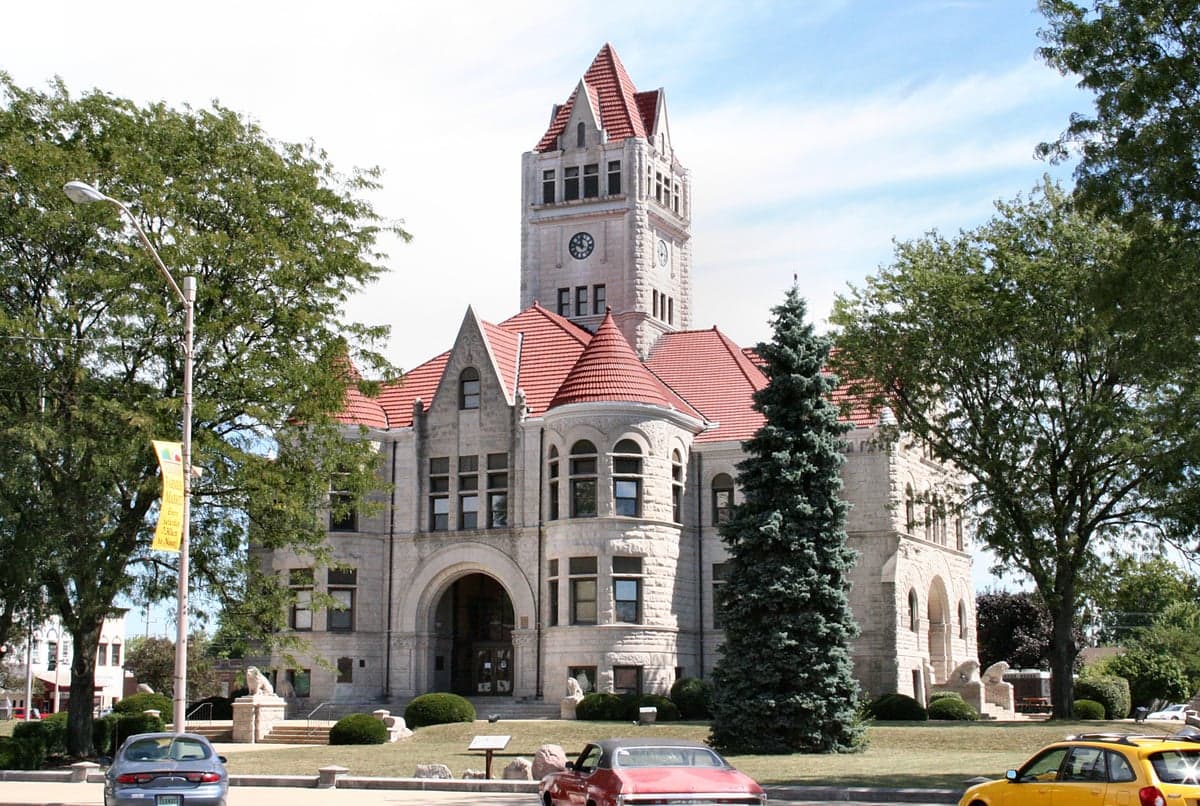
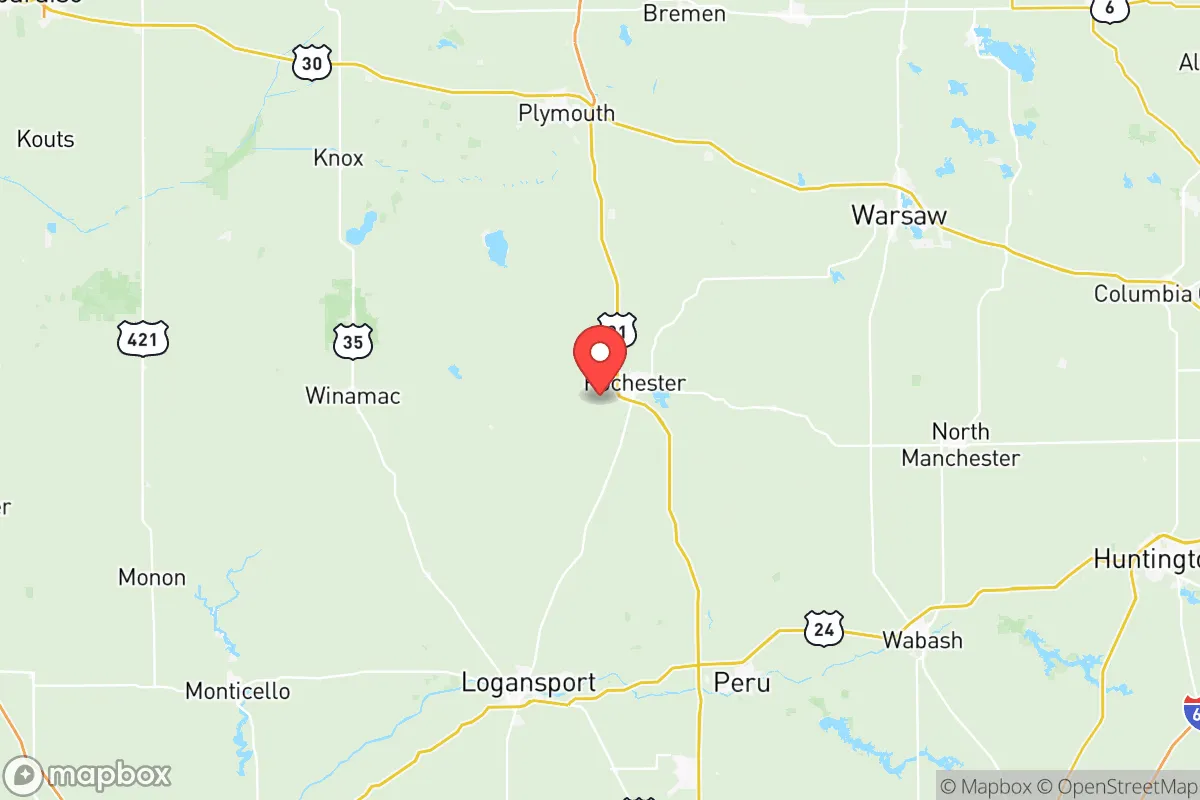
Fulton County, Indiana, is a predominantly white, rural community of 20,411 residents where the population has remained remarkably stable for decades. The county’s character is defined by its agricultural roots, small manufacturing towns like Rochester and Akron, and a strong sense of local independence. With a foreign-born population of just 1.2% and a 89.9% white demographic, it is one of Indiana’s least diverse counties, reflecting a history of limited in-migration since the mid-20th century.
Settlement & growth (pre-1960)
Before American settlement, the area that is now Fulton County was inhabited by the Miami and Potawatomi nations, who used the Tippecanoe River and the rich woodlands for hunting and seasonal agriculture. The Potawatomi were forcibly removed in the 1830s under the Indian Removal Act, opening the land for white settlement. The first permanent American settlers arrived in the 1830s and 1840s, primarily from the Upland South—Kentucky, Tennessee, and southern Ohio—seeking cheap, fertile land along the river valleys. These early settlers were largely of Scots-Irish and English stock, and they established the county seat of Rochester in 1835, along with the smaller communities of Akron, Fulton, and Kewanna.
Throughout the 19th century, the population grew slowly but steadily, driven by subsistence farming and the development of the Lake Erie and Western Railroad in the 1850s, which connected Rochester to larger markets. A small wave of German immigrants arrived in the 1850s and 1860s, settling primarily in the rural areas around Rochester and Akron, where they established farms and small businesses. Unlike many Indiana counties, Fulton County did not see significant immigration from Eastern or Southern Europe; the 1900 census shows the population was over 98% native-born white. The county’s economy remained tied to agriculture—corn, soybeans, and livestock—with a modest manufacturing sector emerging in Rochester in the early 1900s, including a woodworking plant and a foundry. By 1960, the population had reached 18,706, a figure that would barely change over the next six decades.
Modern era (post-1965)
The 1965 Hart-Cellar Act had virtually no impact on Fulton County. The foreign-born population today is just 1.2%, and the county has not developed any immigrant enclaves. The post-1965 demographic shifts that transformed much of the United States—Asian immigration, Hispanic migration, and Black urban growth—largely bypassed this rural corner of Indiana. The Hispanic population, at 5.4%, is the only notable minority group, and it is concentrated in Rochester, where a small number of Mexican-American families have settled since the 1990s, primarily working in agriculture and light manufacturing. The Black population remains negligible at 0.4%, and East/Southeast Asian communities are virtually absent at 0.1%.
Domestic migration patterns have also been minimal. Fulton County has not experienced the Rust Belt-to-Sun Belt outflow seen in other parts of Indiana; instead, it has seen a slow, steady out-migration of young adults seeking jobs in larger cities like South Bend, Fort Wayne, or Indianapolis. The county’s population peaked at 20,778 in 2000 and has since declined slightly to 20,411, as deaths have exceeded births and out-migration has continued. Suburbanization has not reshaped the county in any meaningful way; Rochester remains a small town of about 6,000 people, and the county lacks the commuter-driven growth seen in counties closer to Indianapolis. The college-educated share of the population is just 16.2%, well below the state average, reflecting the limited professional job market and the tendency of educated young adults to leave.
The future
Fulton County’s population is projected to continue its slow decline over the next 10–20 years, driven by an aging demographic and limited economic opportunities. The county’s median age is already above the state average, and the school-age population has been shrinking. The Hispanic population may grow modestly as agricultural and manufacturing employers continue to attract a small number of workers, but the county is unlikely to see significant diversification. The white population will remain the overwhelming majority, and the county’s cultural identity—rooted in rural conservatism, local churches, and a strong sense of self-reliance—will persist. New residential development is concentrated in Rochester and along the shores of Lake Manitou, where a few retirees and second-home buyers have built, but this is not enough to reverse the broader trend.
For someone moving in now, Fulton County offers a quiet, affordable, and safe environment with a strong sense of community, but it is a place where the population is aging and shrinking. The county is becoming more homogeneous, not less, and the cultural and economic dynamism found in growing regions is absent. A new resident should expect a stable, slow-paced life where neighbors know each other and change comes gradually, if at all.

* Values derived from national, state, county, city and local statistics and may differ in a specific area. Last updated: 2026-11-08T12:33:52.000Z
Narrative content on this page is AI-generated and may contain mistakes. Verify any details that matter before acting on them.
ReloMaps may earn a commission from affiliate links at no extra cost to you.

