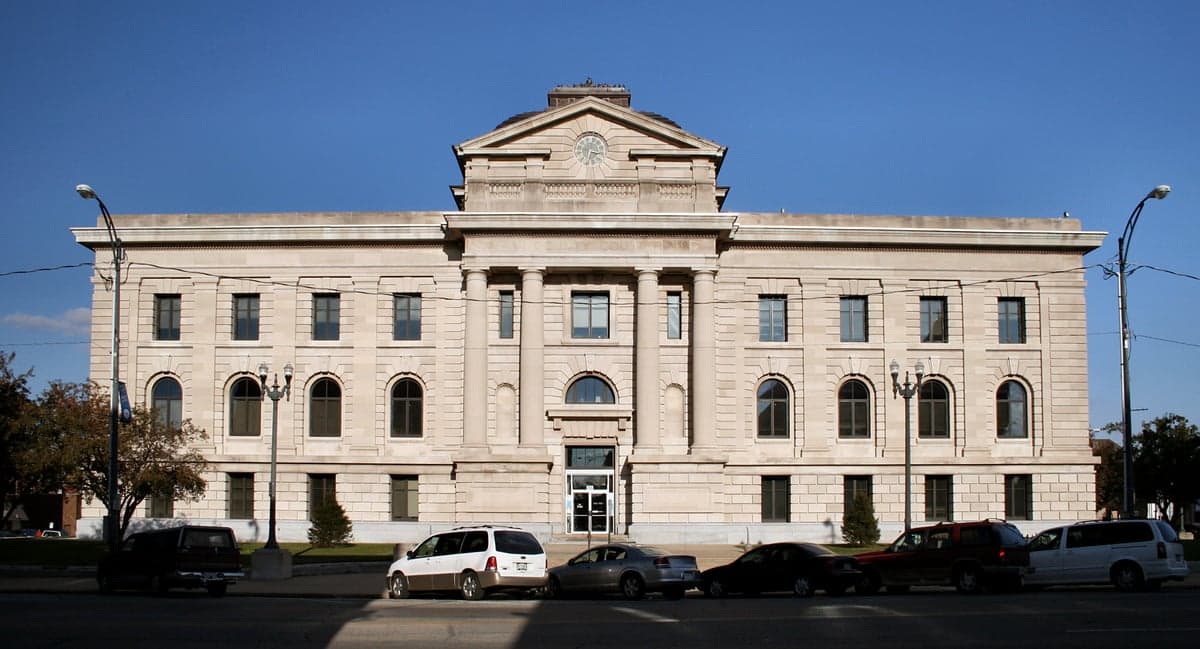
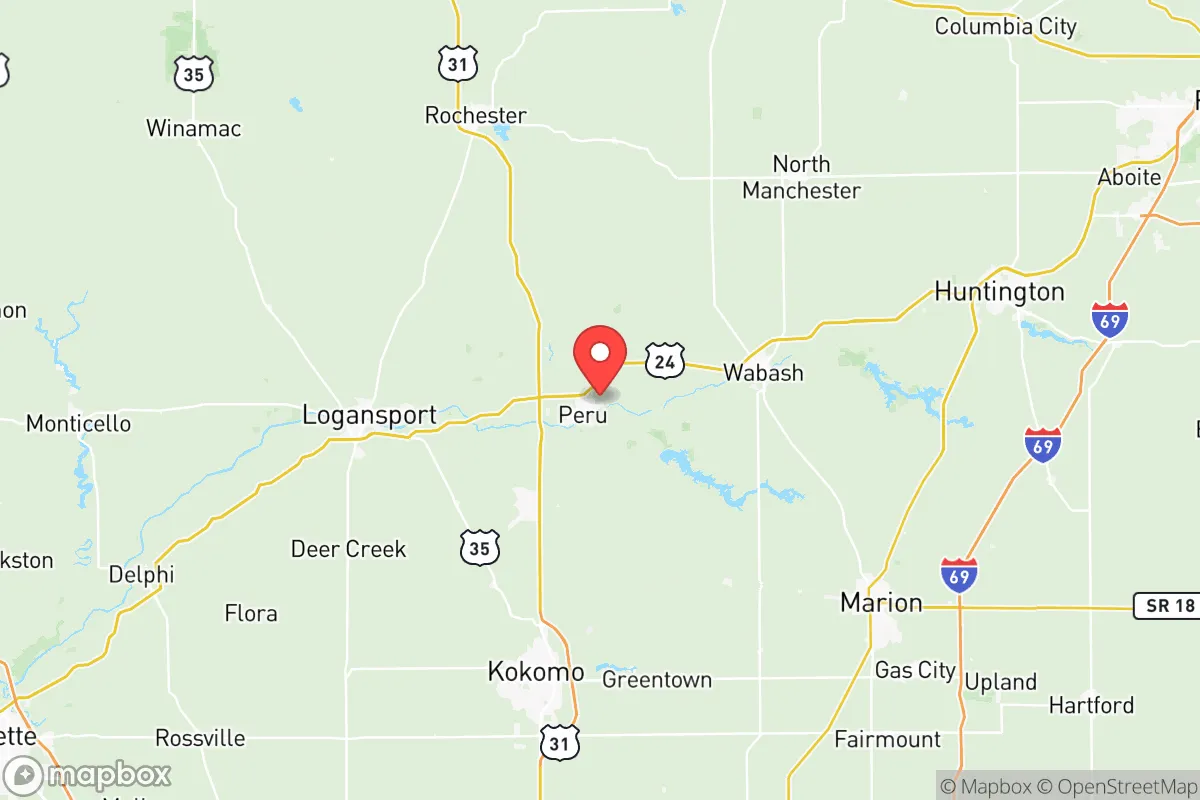
Photo: Wikipedia
Find The Best Places To Live in Miami County
PRO TIP! You can paste a Zillow or Redfin link to get info on that property.
What It's Like Living in Miami County, IN
Living in Miami County, Indiana, feels a lot like stepping into a slower, more deliberate chapter of Midwestern life. It’s a place where the rhythms of Peru, the county seat, and smaller towns like Bunker Hill and Denver set the pace, and where the Wabash River and the Mississinewa Reservoir provide a natural backdrop for everyday routines. For families and single folks who value space, affordability, and a strong sense of local identity, this corner of north-central Indiana offers a trade-off: you get a cost of living that’s genuinely low, but you trade away the constant buzz of a big city.
Daily Rhythm: Work, Errands, and the Wabash River
A typical weekday in Miami County starts early. The average commute here clocks in at about 25 minutes, which means most people aren’t spending hours in traffic—they’re driving from a home in Peru or a rural spot near Mexico to a job at a local manufacturer like Miami County Medical Center or one of the area’s many automotive parts plants. The median household income sits at $61,130, which goes a long way when the median home value is just $118,000. That math is the real draw: a family can buy a solid three-bedroom house in Peru for what a down payment would cost in Indianapolis. After work, you’ll find folks grabbing dinner at J&J’s Pizza in Peru or catching a high school game at Maconaquah High School in Bunker Hill. Weekends often involve a trip to the Miami County 4-H Fairgrounds for a livestock show or a quiet afternoon fishing on the Mississinewa Reservoir.
Sports & Community: Friday Nights and Local Pride
High school sports are the cultural anchor here. Friday nights in the fall belong to the Peru Tigers and the Maconaquah Braves, and the stands are packed with parents, alumni, and neighbors who’ve known each other for decades. Basketball season is just as intense, with the Peru High School gym filling up for rivalry games against Rochester and Logansport. There’s no pro team to distract from the local scene—this is a place where the community’s identity is tied to the success of its kids on the field. The Miami County Youth Baseball League in Peru is a summer staple, and the Bunker Hill Little League fields see families gathering for games and concession-stand hot dogs. For adults, the Miami County Golf Course in Peru offers a laid-back round, and the Wabash River Trail provides a paved path for walking or biking between Peru and the nearby town of Wabash.
What’s There to Do: Festivals, Parks, and Quiet Evenings
Entertainment here is seasonal and community-driven. The Miami County Fair in July is the biggest event of the year, with carnival rides, demolition derbies, and 4-H competitions that draw crowds from all over the county. In Peru, the Circus City Festival in July celebrates the town’s history as the winter home of the Hagenbeck-Wallace Circus, complete with a parade and a circus train. For outdoor recreation, the Mississinewa Lake area offers camping, boating, and hiking at the Frances Slocum State Recreation Area. The Grissom Air Museum in Bunker Hill is a unique local attraction, preserving the history of the former Grissom Air Force Base. That said, the nightlife is limited—there’s a handful of bars like The Office Lounge in Peru, but most evenings are spent at home or at a friend’s house. The cost of living index is 58 (well below the US average of 100), which means your dollar stretches, but you’ll be driving 45 minutes to Kokomo or an hour to Fort Wayne for a concert or a shopping mall.
Pros and Cons of Living Here
The upsides are clear: affordable housing (median home value $118,000), a low cost of living, and a tight-knit community where neighbors know each other. The violent crime rate is 263.1 per 100,000—slightly above the national average, but most crime is property-related and concentrated in specific areas of Peru. The schools, like Peru Community Schools and Maconaquah School Corporation, are the heart of the community, with strong parental involvement and a focus on vocational programs. The downsides? Limited job diversity—the economy leans heavily on manufacturing and healthcare, so professionals in tech or finance will likely commute or work remotely. Entertainment options are sparse, and the median age of 41 reflects a population that’s a bit older, with fewer young singles than a college town. The weather follows the typical Indiana pattern: humid summers, cold winters, and a lot of gray days in between. For the right person—someone who values space, quiet, and a genuine sense of place—Miami County offers a solid, unpretentious life. For someone craving urban energy or career growth, it’s probably a pass.

* Values derived from national, state, county, city and local statistics and may differ in a specific area. Last updated: 2026-08-19T02:22:50.000Z
Narrative content on this page is AI-generated and may contain mistakes. Verify any details that matter before acting on them.
ReloMaps may earn a commission from affiliate links at no extra cost to you.

