
Photo: Wikipedia
Find The Best Places To Live in Dekalb County
PRO TIP! You can paste a Zillow or Redfin link to get info on that property.
Best Places to Live in Dekalb County
Cities & Towns in Dekalb County
Cities in Dekalb County
What It's Like Living in Dekalb County, IN
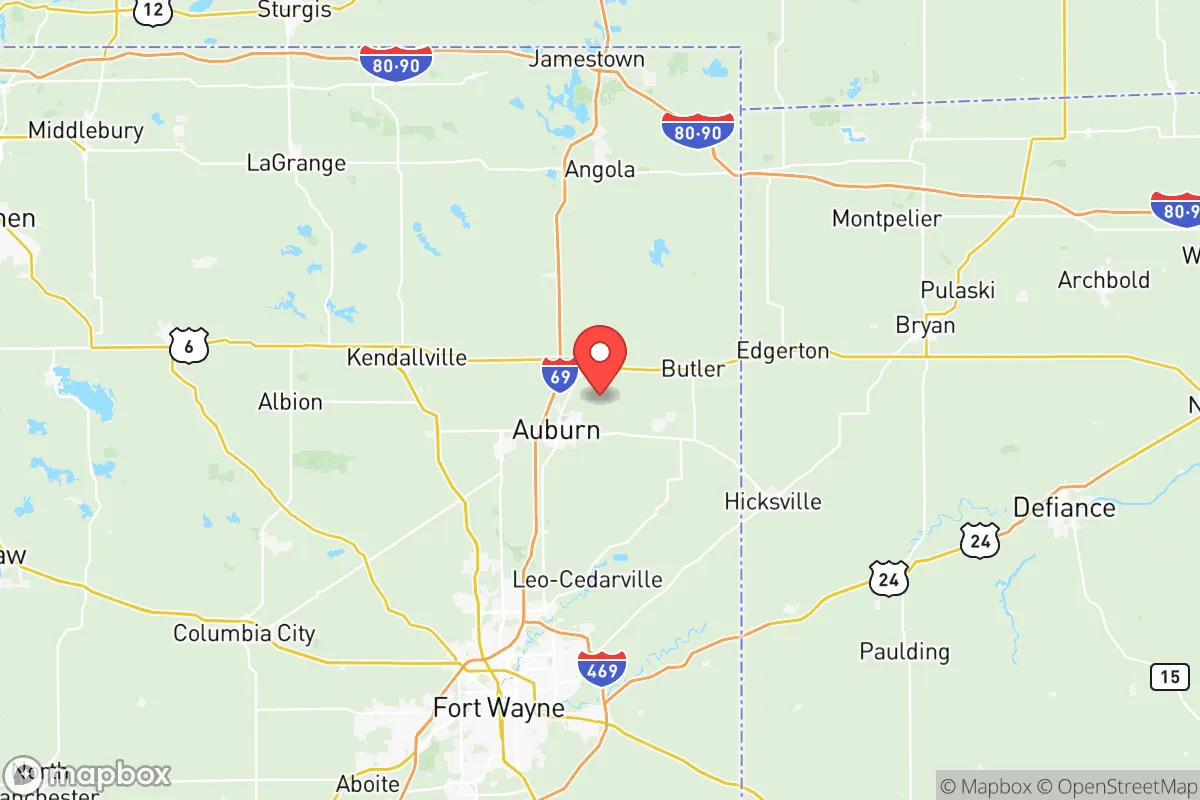
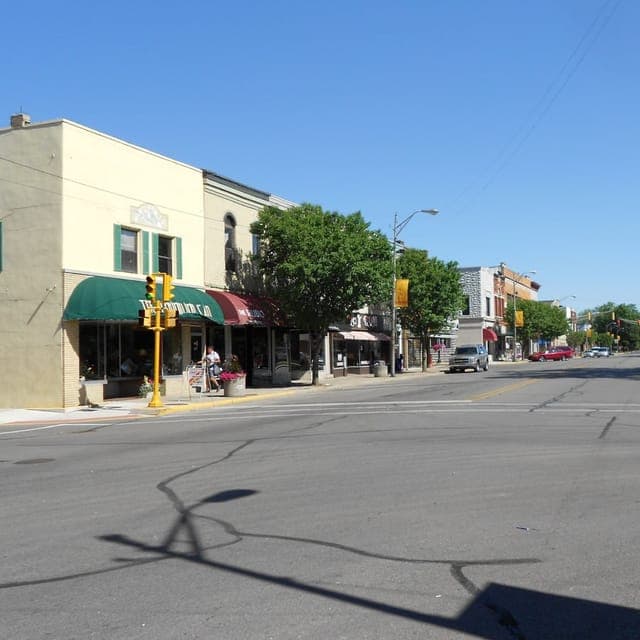
Living in DeKalb County, Indiana, feels a lot like being part of a well-kept secret that the people who live here are perfectly happy to keep. It’s a place where the biggest decision on a Friday night might be whether to catch a game in Auburn or grab a pizza in Butler, and where the pace of life is slow enough that you actually know your neighbors. With a population just over 43,500, the county offers a blend of small-city convenience and genuine rural quiet, anchored by the twin hubs of Auburn and Garrett, with smaller communities like Waterloo and St. Joe offering their own distinct flavors.
The Daily Rhythm: Work, Commute, and the Weekend Reset
For most people here, the workday doesn’t involve a soul-crushing commute. The average drive to work is just under 21 minutes, which means you can live on a quiet country road outside Spencerville and still be at your desk in Auburn or even Fort Wayne in half an hour. The median household income sits at a comfortable $70,080, and that money goes a long way. With a cost of living index of 68—well below the national average—a family can afford a nice home on a decent lot. The median home value is a very attainable $177,900, which is a major draw for people priced out of larger Indiana cities or looking to stretch a dollar further.
Weekends here are practical. You’ll see people at the local Auburn Walmart or Garrett’s Main Street hardware store, but also at the DeKalb County Fairgrounds for a livestock show or a car cruise-in. The county’s identity is still tied to agriculture and manufacturing, so there’s a strong “get it done” work ethic. The median age of 38.4 suggests a population that’s settled—families raising kids, empty-nesters downsizing, and a steady stream of younger couples looking for a safe, affordable place to start out.
Sports, Community, and Where You’ll Actually Go
High school sports are the undisputed king here. Friday nights in the fall revolve around the Auburn Eagles and the Garrett Railroaders, and the community turnout is impressive. It’s not uncommon for a big game to feel like a town-wide event, with parents, grandparents, and local business owners all filling the bleachers. Basketball season is nearly as big, and the local gyms get loud. For college sports, many residents are loyal to Purdue or Indiana University, but the local loyalty to the high school teams is where the real passion lies.
When it comes to entertainment, you won’t find a packed concert calendar or a bustling nightclub district. What you will find is the Auburn Cord Duesenberg Automobile Museum, a genuinely world-class attraction that draws car enthusiasts from across the country. It’s a point of real pride for locals. For a night out, the Wings, Etc. in Auburn is a reliable spot for wings and a beer, while Butler’s small downtown has a couple of family-owned diners that feel frozen in time. The DeKalb County Parks system offers solid options, including Eckhart Park in Auburn with its walking trails and splash pad, and the Poka-Bone area for hiking and fishing.
The Honest Trade-Offs: What Works and What Grates
The biggest pro is the affordability and safety. While the violent crime rate of 264.1 per 100,000 is slightly above the national average, it’s concentrated in specific areas, and most residents feel very secure in their neighborhoods. The schools—particularly DeKalb High School and Garrett-Keyser-Butler—are community anchors, and the school systems are often the reason families choose one town over another.
The biggest con is the lack of variety. Only about 20% of adults hold a bachelor’s degree, which reflects a workforce that’s more blue-collar than white-collar. If you’re looking for a vibrant arts scene, a wide range of dining options, or a young, single social scene, you’ll likely find DeKalb County a bit sleepy. The weather is typical Midwest: humid summers, cold winters with lake-effect snow potential, and a long stretch of gray in between. Locals will tell you the best time of year is late summer, when the DeKalb County Free Fair rolls into town and the corn is high.
There’s also a cultural quirk worth noting: the county has a strong, quiet conservative streak. You won’t see a lot of political yard signs, but you’ll hear it in conversations at the local coffee shop or the Auburn American Legion. It’s a place where people value self-reliance, neighborly help, and a general distrust of big government. That’s a feature, not a bug, for the audience this area attracts. If you’re looking for a place where you can buy a house for under $200,000, raise your kids in a solid school system, and not have to drive 45 minutes for a grocery store, DeKalb County is a very real, very livable option.

* Values derived from national, state, county, city and local statistics and may differ in a specific area. Last updated: 2026-10-22T20:53:12.000Z
Narrative content on this page is AI-generated and may contain mistakes. Verify any details that matter before acting on them.
ReloMaps may earn a commission from affiliate links at no extra cost to you.

