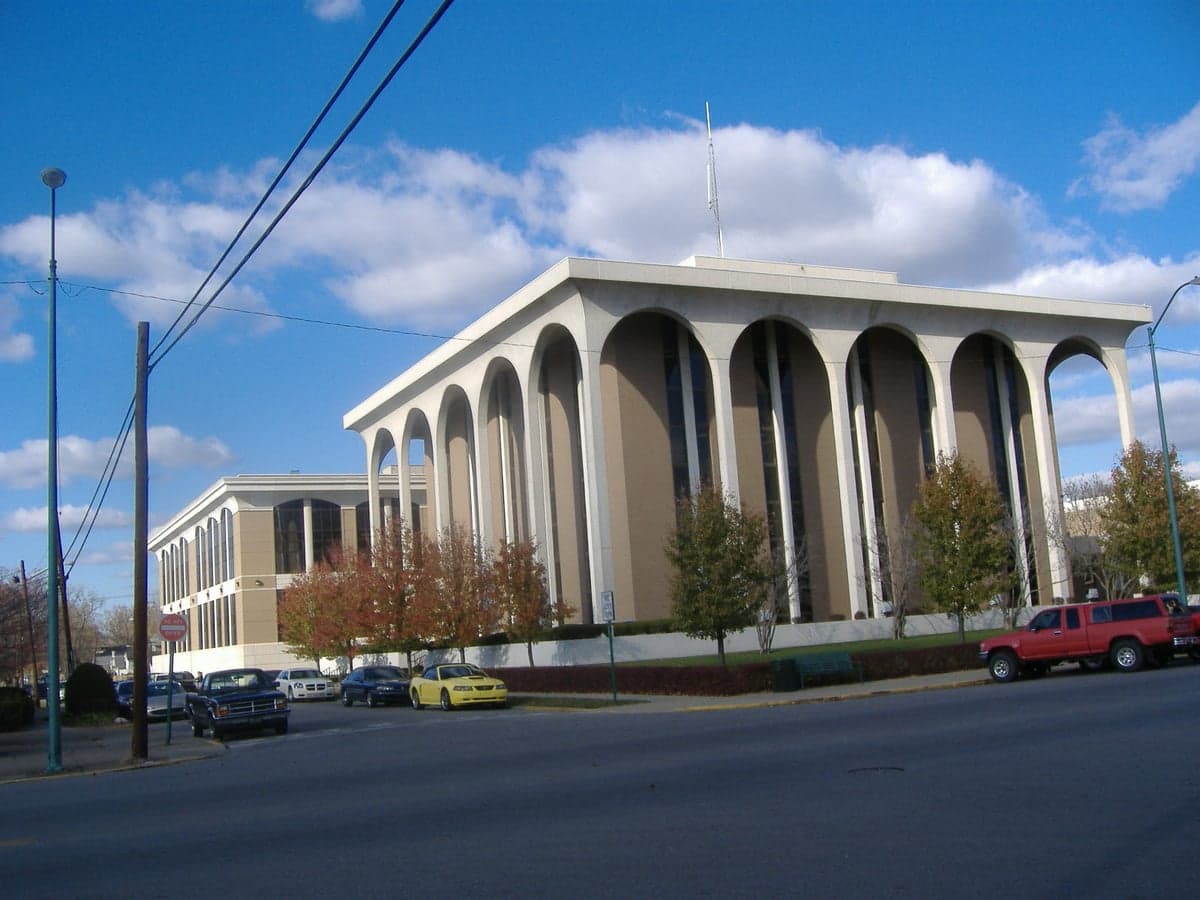
Photo: Wikipedia
Quality of Life in Clark County
A livable area that tracks near national norms for affordability, walkability, and neighborhood health.
What does Quality of Life tell us?
Quality of Life measures an area by evaluating factors like cost of living, nearby amenities, country club access, airport proximity, socioeconomic signals and neighborhood character. For large states, this is a general average — quality of life can vary dramatically between metro areas, suburbs, and rural communities within the same state.
What does this tell us?
Quality of Life measures an area by evaluating factors like cost of living, nearby amenities, country club access, airport proximity, socioeconomic signals and neighborhood character. For large states, this is a general average — quality of life can vary dramatically between metro areas, suburbs, and rural communities within the same state.
Cost of Living
15% below national average
119%
The Real Cost of Living in Clark County for 2026
| Tier | Individual | Family (4) |
|---|---|---|
| Survival | $17k | $32k |
| Comfortable | $41k | $61k |
| Luxury | $110k+ | $170k+ |
| Elite (Top 5%) | $129k+ | $200k+ |
Quality-of-Life Analysis
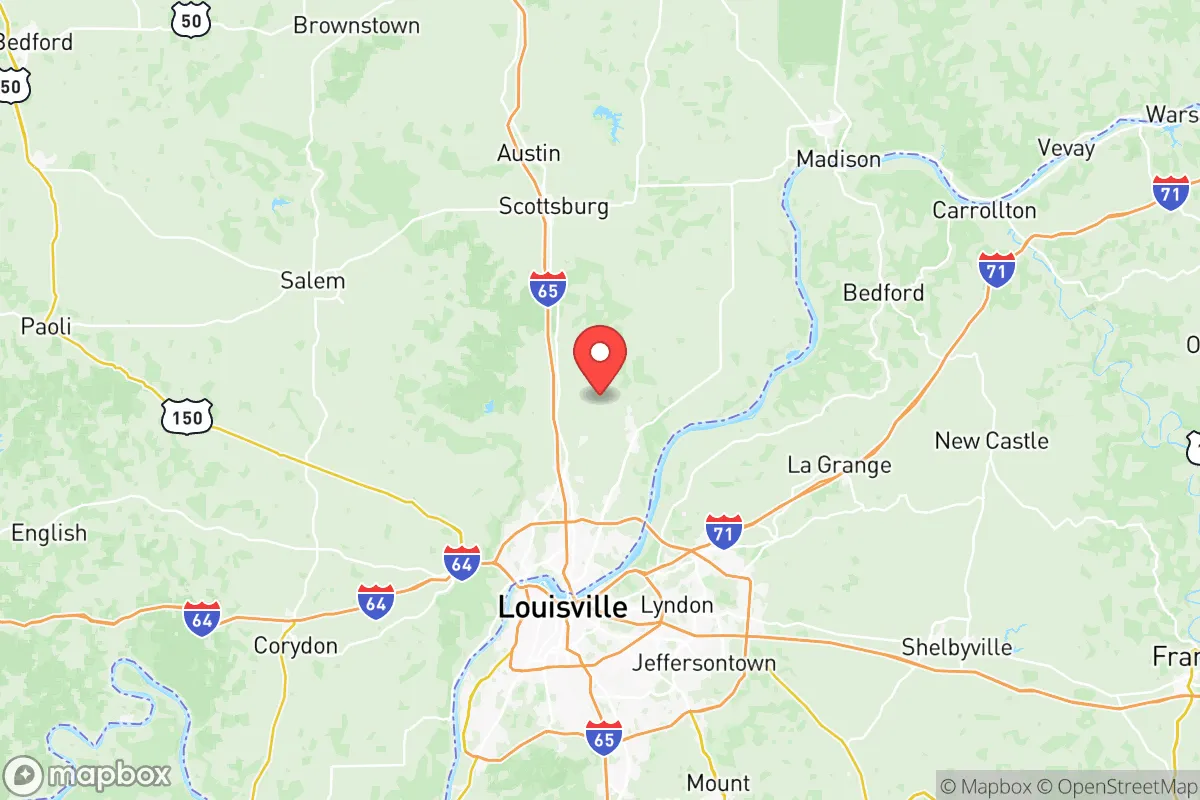
Clark County, Indiana, offers a broad quality-of-life spectrum that ranges from the urban-suburban density of its Ohio River anchor city to quiet unincorporated crossroads and working farmland. The county’s overall cost of living index sits at 85 (well below the national 100), with a median home value of $212,400 and median rent of $1,058, making it one of the more affordable options in the Louisville metro area. This diversity attracts a mix of commuters who work across the river in Louisville, families seeking good schools and lower taxes, and retirees or rural residents who want land without losing access to city amenities.
Largest town(s) & population centers
Jeffersonville is the county seat and largest city, with a population exceeding 48,000. Daily life here centers on a revitalized downtown along the riverfront, with the Big Four Bridge pedestrian connection to Louisville, a growing craft brewery scene, and the River Ridge Commerce Center—a major employment hub housing Amazon, FedEx, and pharmaceutical logistics. Housing stock ranges from historic Victorian homes near the river to newer subdivisions like those in the Charlestown Road corridor. New Albany, the second-largest city (population ~37,000), offers a more established urban feel with its own walkable downtown, the Culbertson Mansion historic district, and a strong arts scene anchored by the Carnegie Center for Art and History. Both cities have average commutes of 22.4 minutes to downtown Louisville, a key draw for professionals. Clarksville (population ~22,000) sits between them and is more suburban-commercial, dominated by the Green Tree Mall, big-box retail, and the Falls of the Ohio State Park. These three towns form a continuous urbanized band along the river, providing the county’s densest concentration of restaurants, grocery stores, and medical services.
Smaller towns & rural pockets
Moving inland from the river, the county transitions quickly. Charlestown (population ~8,000) is a historic town with a compact downtown and the Charlestown State Park, offering hiking and camping. It feels more small-town than the river cities, with a slower pace and lower housing costs. Sellersburg (population ~7,500) is a bedroom community along I-65, known for its quick access to Louisville and the Sellersburg commercial strip, but lacking a traditional downtown. Further east, Borden (population ~800) is a tiny incorporated town surrounded by farmland, with a single main street and a strong sense of local community. Unincorporated areas like Memphis and Watson are true rural crossroads, where homes sit on acre lots and the nearest grocery store may be a 15-minute drive. The county’s eastern half, particularly around Otisco and Marysville, is dominated by corn and soybean fields, with scattered farmhouses and a handful of country churches. These areas offer the lowest property taxes and the most privacy, but also the longest drives to schools and hospitals.
Cost & lifestyle range
The cost spread across Clark County is significant. At the high end, riverfront neighborhoods in Jeffersonville’s Uptown district and New Albany’s East End can see home values above $350,000, with some historic properties exceeding $500,000. These areas offer walkable access to restaurants, the Ohio River Greenway, and the Big Four Bridge. At the low end, rural properties in Borden or Memphis can be found for under $150,000, though they often require well water and septic systems. The median home value of $212,400 is roughly 30% below the national average, and the median rent of $1,058 is similarly affordable. Lifestyle varies accordingly: residents in the river cities can bike to work or walk to a farmers market, while those in the rural east rely on cars for every errand. The county’s property tax rates are among the lowest in Indiana (roughly 0.8% of assessed value), which keeps carrying costs low even for higher-priced homes.
Clark County works best for people who want a lower cost of living than Louisville proper while staying within a short commute of the city’s jobs and cultural amenities. Families with school-age children often gravitate to Clarksville or Sellersburg for their school systems and suburban safety. Commuters who work in Louisville but want a yard and a garage find the river cities ideal. Rural residents who value land, quiet, and low taxes—and don’t mind driving 20 minutes for milk—are well served by the county’s eastern townships. The county’s mix of historic river towns, suburban strips, and working farmland means there is a genuine choice between urban, suburban, and rural lifestyles, all within a 30-minute radius of downtown Louisville.

Crime in Clark County
Generally safer than 59% of comparable U.S. locations.
Violent CrimeViolent Crime Analysis
Property CrimeProperty Crime Analysis
Crime Analysis
Clark County, Indiana, presents a mixed safety profile shaped by its position as a suburban and exurban extension of the Louisville, Kentucky metro area. The county’s overall violent crime rate of 263.4 incidents per 100,000 residents sits below the national average of roughly 380 per 100,000, but its property crime rate of 1,095.7 per 100,000 exceeds the national benchmark of approximately 1,954 per 100,000, indicating a higher-than-average risk for theft and burglary. This disparity is largely driven by conditions in the county’s more urbanized core, while outlying towns and rural areas report significantly lower crime volumes.
Crime in context
Compared to Indiana’s statewide violent crime rate of about 410 per 100,000, Clark County is notably safer, ranking among the lower-crime counties in the southern part of the state. However, the property crime rate is a clear concern, running roughly 12% above the state average of 980 per 100,000. The county’s proximity to Louisville—a city with a violent crime rate nearly double the national average—creates a spillover effect, particularly in communities directly along the Ohio River. Jeffersonville and Clarksville, the two largest cities in the county, account for the majority of reported incidents, with Jeffersonville alone handling roughly 40% of the county’s total crime. By contrast, smaller towns like Charlestown and Sellersburg report rates closer to the safer end of the state spectrum, with violent crime figures often below 200 per 100,000.
What residents experience
For residents, the most common safety concern is property crime—vehicle break-ins, package theft, and residential burglary—especially in commercial corridors and apartment complexes near interstates I-65 and I-265. The county’s judicial system, overseen by the Clark County Prosecutor’s Office and the Clark Circuit Court, has faced scrutiny in recent years for a perceived leniency in plea bargaining and sentencing, particularly for repeat property offenders. Critics argue that progressive policies, including a focus on diversion programs and reduced cash bail, have contributed to a revolving-door effect for nonviolent criminals, undermining deterrence. This is most visible in Jeffersonville, where a 2024 local news investigation found that nearly 30% of property crime arrests were of individuals with prior theft convictions who had been released without bond. Violent crime, while less frequent, is concentrated in specific neighborhoods, including the downtown Jeffersonville area near the riverfront and parts of Clarksville along Eastern Boulevard, where drug-related assaults and robberies are more common.
Neighborhood-level variation
Safety varies dramatically within Clark County. The most affluent areas, such as the Utica and Watson townships, report violent crime rates below 100 per 100,000 and property crime rates under 500 per 100,000, making them among the safest in the region. Conversely, the downtown Jeffersonville corridor and the Clarksville commercial strip near the Green Tree Mall experience property crime rates exceeding 2,000 per 100,000, driven by high foot traffic and easy interstate access. The county’s rural eastern townships, including Borden and Memphis, see almost no violent crime and property crime limited to occasional farm equipment theft. For families and retirees, the safest bets are the smaller towns and unincorporated areas, where community policing and lower population density keep crime minimal. However, the county’s overall property crime problem—and the perception that the justice system is not holding offenders accountable—remains a valid concern for anyone considering a move to the more urbanized parts of Clark County.
* Values derived from national, state, county, city and local statistics and may differ in a specific area. Last updated: 2026-07-20T05:42:06.000Z
Narrative content on this page is AI-generated and may contain mistakes. Verify any details that matter before acting on them.
ReloMaps may earn a commission from affiliate links at no extra cost to you.

