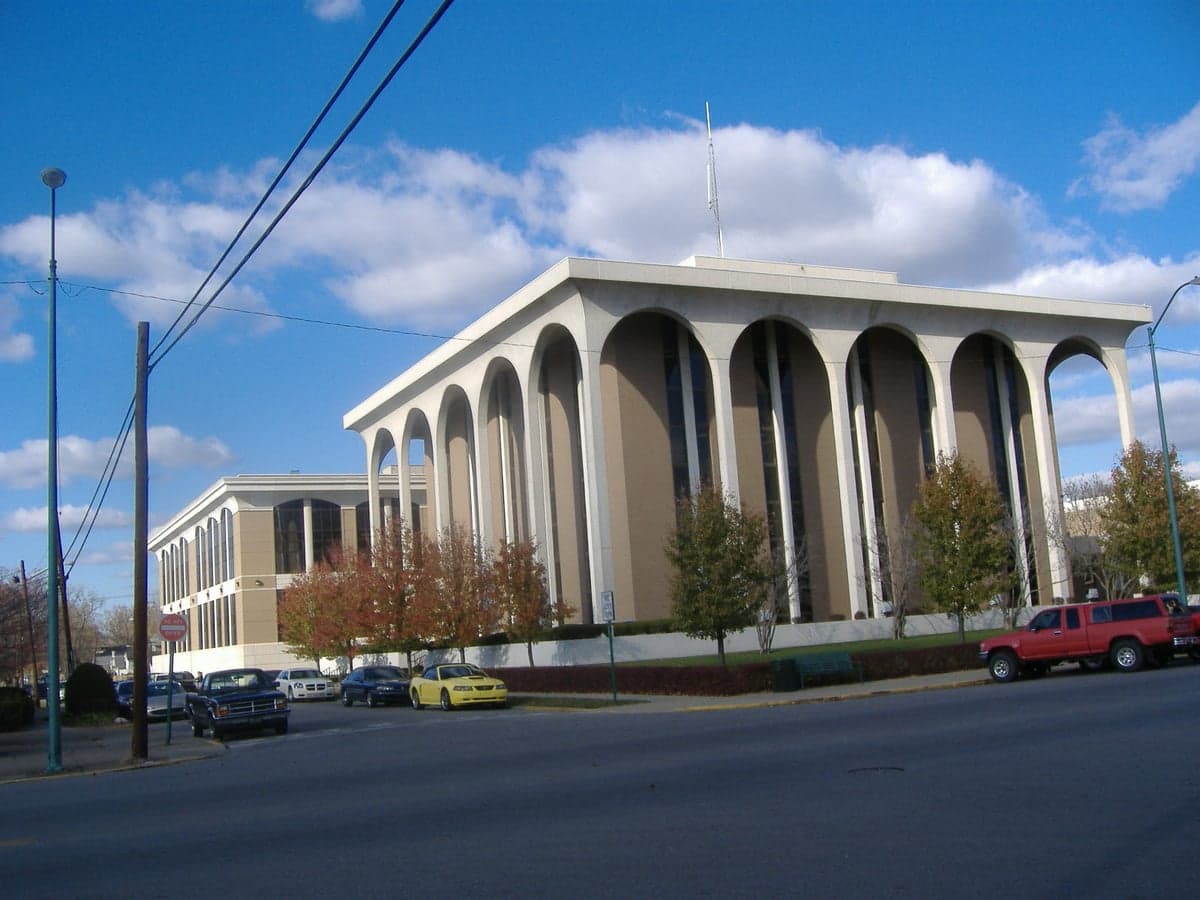
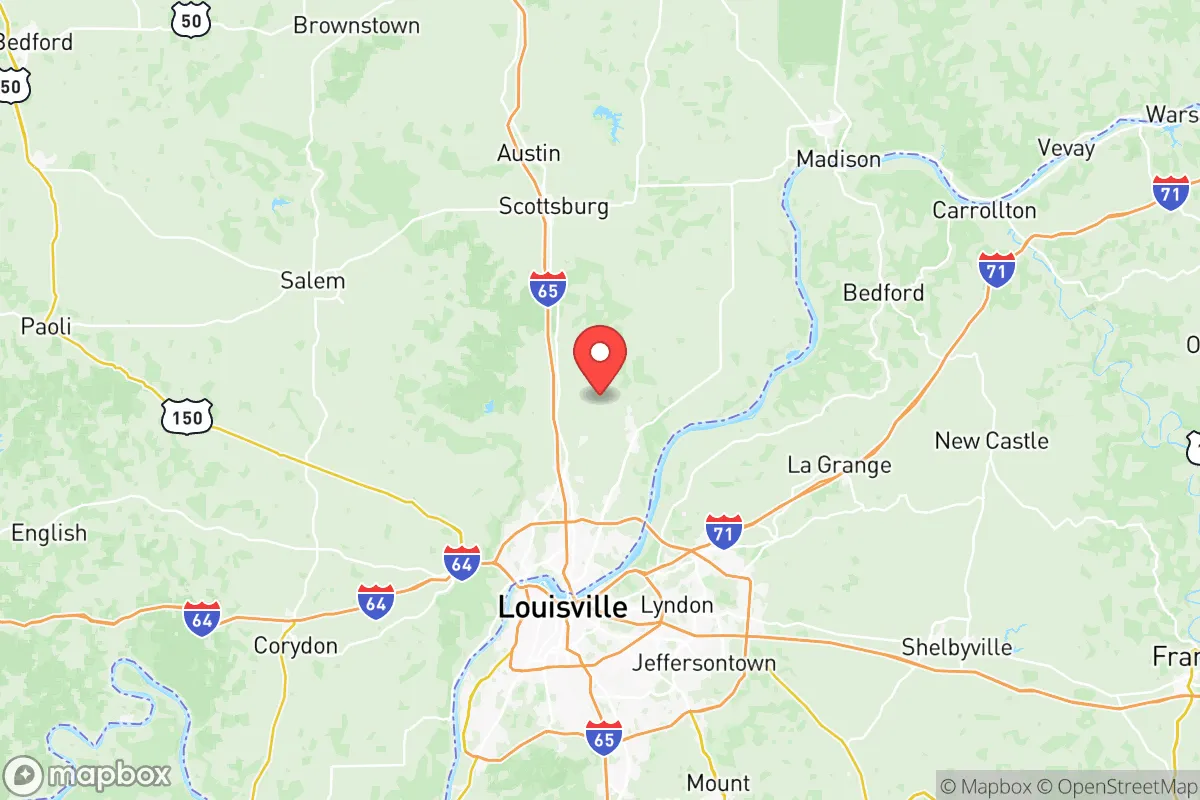
Photo: Wikipedia
Find The Best Places To Live in Clark County
PRO TIP! You can paste a Zillow or Redfin link to get info on that property.
Best Places to Live in Clark County
Cities & Towns in Clark County
Cities in Clark County
What It's Like Living in Clark County, IN
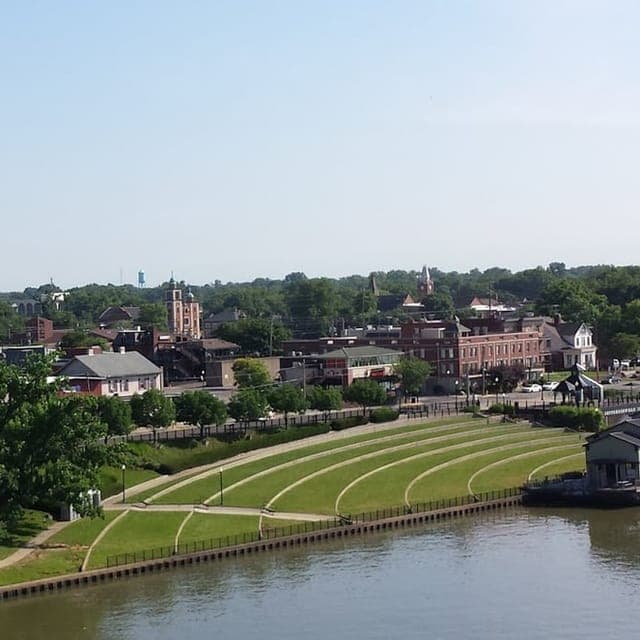
Living in Clark County, Indiana, feels a lot like being part of the state’s quieter, more practical cousin to Louisville’s bustle. With a population of 122,800 spread across cities like Jeffersonville, Clarksville, New Albany, and smaller towns like Charlestown and Sellersburg, the county offers a mix of suburban comfort and rural breathing room. It’s the kind of place where you can grab a coffee in downtown Jeffersonville, watch the Ohio River roll by, and still be back home in time to mow the lawn—all without the sticker shock of a major metro area.
Daily Rhythm: Where People Actually Spend Their Time
For most folks here, the day starts with a commute that averages just over 22 minutes—short enough to avoid road rage, long enough to finish a podcast. The biggest employers are in healthcare and manufacturing, with Clark Memorial Health and the River Ridge Commerce Center anchoring a lot of local jobs. After work, you’ll find families hitting the Big Four Bridge in Jeffersonville for a walk or bike ride into Louisville, or grabbing dinner at a local spot like the Red Yeti in downtown Jeffersonville for a burger and a craft beer. Weekends often mean a trip to the Charlestown State Park for hiking or fishing, or a drive out to Sellersburg for a quieter pace. The median income of $72,298 supports a comfortable middle-class lifestyle, and with a cost of living index of 85 (well below the national average of 100), that paycheck stretches further than it would across the river in Kentucky.
What’s striking is how the county’s identity shifts from town to town. Jeffersonville feels like the urban core, with a revitalized downtown and a growing food scene. Clarksville is more of a retail hub, anchored by the Green Tree Mall and big-box stores. New Albany leans historic and artsy, with its own indie shops and the annual Harvest Homecoming festival. Charlestown and Sellersburg are where you go for more space and a slower rhythm—think acre lots and high school football games that actually draw a crowd. The median age of 39.8 suggests a mix of young families and empty-nesters, not a party scene for recent grads.
Sports & Community: Friday Night Lights and River Views
High school sports are a genuine cultural touchstone here. Jeffersonville High School’s football games on Friday nights are a community event, with the stands packed and the band playing. The same goes for New Albany’s teams and the Charlestown Pirates. There’s no pro sports team in the county, but Louisville’s Cardinals and the Louisville Bats minor-league baseball team are a 15-minute drive away, so you’re never far from a game. The Ohio River is the county’s unofficial backyard—people kayak, fish, and picnic along its banks, and the annual Jeffersonville RiverStage concert series brings free music to the waterfront all summer. For a more low-key hang, the Clark County Fair in Charlestown is a reliable summer staple with rides, livestock shows, and funnel cakes.
One quirk: locals are fiercely loyal to their specific town within the county. Ask someone from Sellersburg if they’re from “Clark County,” and they’ll likely correct you with “Sellersburg.” That sense of place matters here, and it’s part of why the county feels less like a suburb and more like a collection of distinct communities.
What’s There to Do: Parks, Pubs, and Practical Trade-offs
Outdoor life is a big draw. Charlestown State Park offers 5,100 acres of trails, a lake, and the remnants of the old Rose Island amusement park. Falls of the Ohio State Park in Clarksville is a fossil-hunting spot with a visitor center that explains the area’s Devonian-era history. For nightlife, Jeffersonville’s Spring Street has a handful of bars and breweries, like the Flat12 Bierwerks taproom, where you can sip a local IPA. The Derby Dinner Playhouse in Clarksville is a dinner-theater institution that’s been running for decades. But let’s be honest: if you want a big concert or a major league game, you’re crossing the river into Louisville. That’s the trade-off—you get lower costs and quieter streets, but you’re dependent on a 10-minute drive for the big-city amenities.
On the downside, the violent crime rate of 263.4 per 100,000 is slightly above the national average, and it’s concentrated in certain parts of Jeffersonville and Clarksville. Most residents will tell you they feel safe in their neighborhoods, but it’s worth checking block-level data before buying. Traffic on I-65 can back up during rush hour, especially around the bridge into Louisville, and the humidity in July and August is oppressive—think 90-degree days with air you can chew. Winters are mild but gray, with occasional ice storms that shut down the county for a day or two.
Pros and Cons of Living Here
- Pro: Affordable housing—median home value of $212,400 means you can buy a decent three-bedroom for what a studio costs in many cities.
- Pro: Short commutes and easy access to Louisville’s jobs and entertainment without paying Kentucky taxes.
- Pro: Strong sense of community in each town, with local festivals and high school sports that actually bring people together.
- Con: Limited public transit—you need a car to get around, and ride-sharing can be spotty outside the main towns.
- Con: Only 25.5% of adults hold a bachelor’s degree or higher, which can mean fewer white-collar job options locally.
- Con: Summer humidity and occasional flooding along the river are real annoyances.
Clark County isn’t for everyone. It’s for people who value space, affordability, and a slower pace over constant excitement. The kind of person who fits in here is someone who doesn’t mind driving 15 minutes for a good dinner, who likes knowing their neighbors, and who sees the Ohio River as a backyard feature, not a postcard backdrop. If that sounds like you, you’ll find a lot to like—and a few things to grumble about, just like anywhere else.

* Values derived from national, state, county, city and local statistics and may differ in a specific area. Last updated: 2026-07-20T05:42:06.000Z
Narrative content on this page is AI-generated and may contain mistakes. Verify any details that matter before acting on them.
ReloMaps may earn a commission from affiliate links at no extra cost to you.

