Photo: Wikipedia
Quality of Life in Boone County
A livable area that tracks near national norms for affordability, walkability, and neighborhood health.
What does Quality of Life tell us?
Quality of Life measures an area by evaluating factors like cost of living, nearby amenities, country club access, airport proximity, socioeconomic signals and neighborhood character. For large states, this is a general average — quality of life can vary dramatically between metro areas, suburbs, and rural communities within the same state.
What does this tell us?
Quality of Life measures an area by evaluating factors like cost of living, nearby amenities, country club access, airport proximity, socioeconomic signals and neighborhood character. For large states, this is a general average — quality of life can vary dramatically between metro areas, suburbs, and rural communities within the same state.
Cost of Living
15% above national average
107%
The Real Cost of Living in Boone County for 2026
| Tier | Individual | Family (4) |
|---|---|---|
| Survival | $20k | $38k |
| Comfortable | $66k | $98k |
| Luxury | $189k+ | $294k+ |
| Elite (Top 5%) | $259k+ | $401k+ |
Quality-of-Life Analysis
Boone County, Indiana, offers a distinct quality-of-life spectrum that ranges from the master-planned, amenity-rich suburbia of Zionsville to the quiet, agricultural crossroads of Thorntown and the unincorporated farming hamlets dotting its northern tier. The county’s overall cost of living index sits at 115 (100 = U.S. average), placing it well above the state norm, yet the experience of that cost varies dramatically depending on whether a resident chooses a high-HOA neighborhood in Whitestown or a century-old farmhouse on a gravel road near Jamestown. This diversity draws a correspondingly diverse population: corporate professionals commuting to Indianapolis, manufacturing workers employed in Lebanon’s industrial parks, and multi-generational farm families who have worked the same ground for over a century.
Largest town(s) & population centers
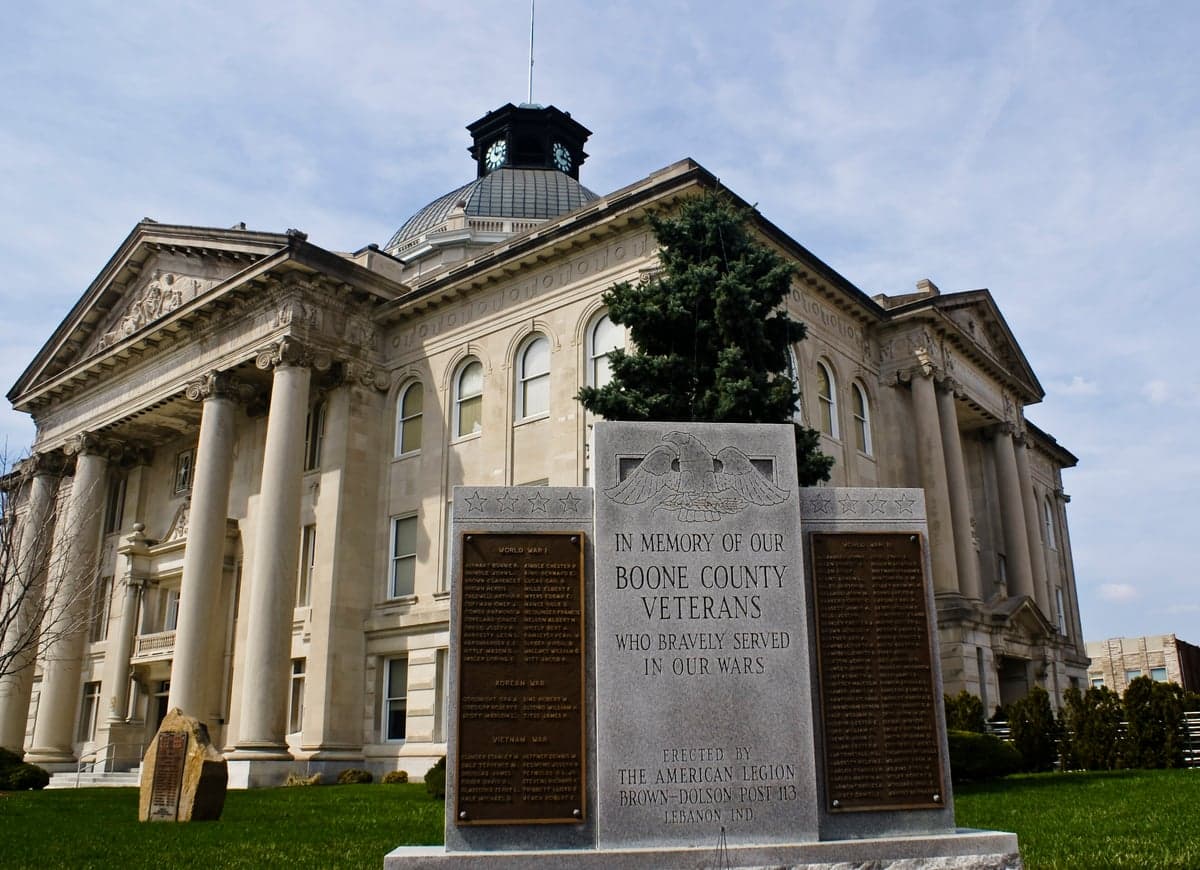
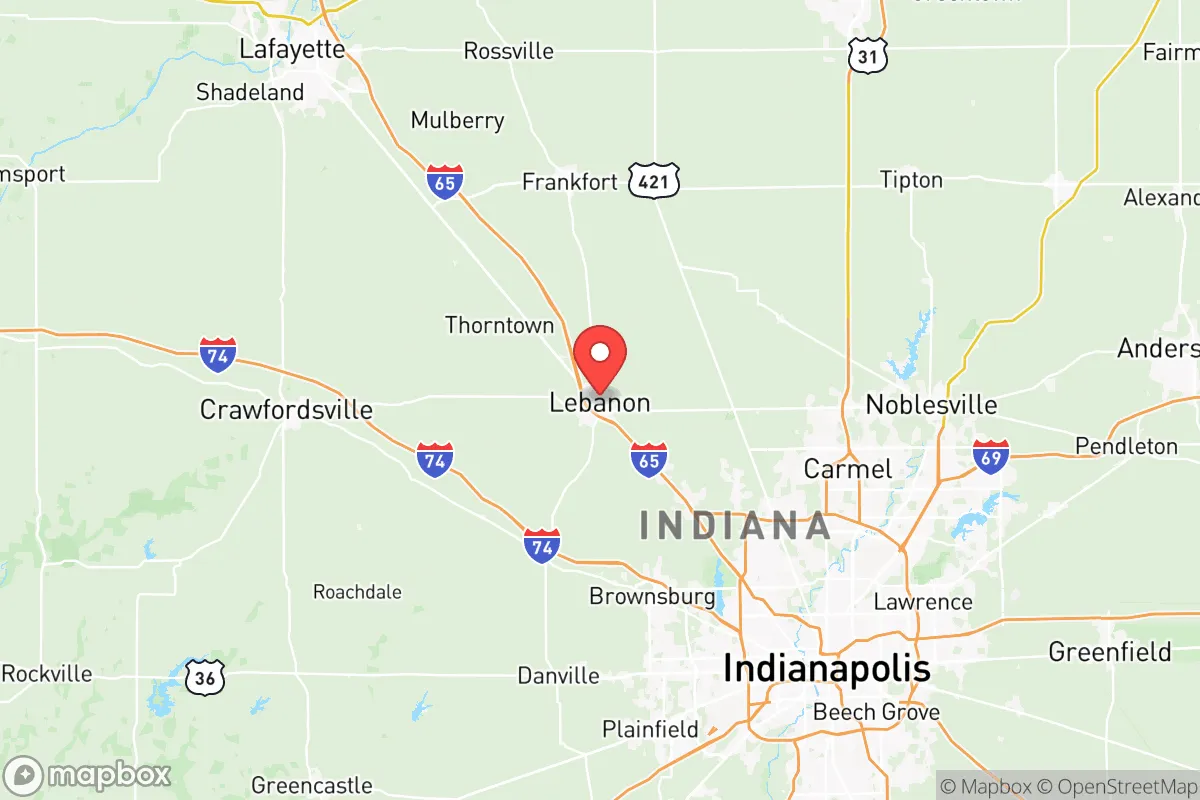
The county’s population and economic gravity is split among three primary centers. Lebanon, the county seat, is the largest city and functions as the commercial and governmental hub, with a historic downtown square anchored by the Boone County Courthouse. Daily life here is a blend of small-city convenience and suburban expansion, with big-box retail along State Road 32 and a growing presence of logistics and advanced manufacturing employers. Zionsville, consistently ranked among Indiana’s most desirable suburbs, is defined by its brick-paved Village district, high-performing Zionsville Community Schools, and strict zoning that preserves a semi-rural, upscale character. Whitestown has experienced the fastest population growth in the county, driven by master-planned subdivisions like the 3,000-home Anson development, which offers a walkable town center, a YMCA, and direct access to Interstate 65. The average commute across the county is roughly 25 minutes, but residents in Whitestown and southern Zionsville often shave that to under 20 minutes for downtown Indianapolis jobs, while those in Lebanon’s outer edges may face 30–35 minutes.
Smaller towns & rural pockets
North of the I-65 corridor, the county’s character shifts markedly. Thorntown, with a population just over 1,500, retains a working agricultural identity, hosting the annual Sugar Creek Festival and serving as a service center for surrounding grain and livestock operations. Jamestown, straddling the Boone-Hendricks county line, is a quiet bedroom community where many residents commute to Lebanon or Brownsburg; its downtown consists of a handful of locally-owned businesses and a town park. Advance, a tiny incorporated town in the county’s northwest corner, offers little more than a post office and a volunteer fire department, representing the most rural end of the spectrum. Unincorporated areas such as Eagle Village and Waugh are little more than clusters of homes at crossroads, where residents rely on wells and septic systems and the nearest grocery store may be a 15-minute drive. These pockets are where land remains affordable relative to the county average—farmettes and acreages can still be found for well under the county’s median home value of $341,800.
Cost & lifestyle range
The cost spread across Boone County is wide. At the high end, Zionsville’s median home value pushes past $500,000, and its cost of living index is estimated above 130, driven by premium housing and higher property taxes for the top-rated school system. Monthly rents in Zionsville and southern Whitestown commonly exceed the county median of $1,283, with newer apartments in Anson leasing for $1,500–$1,800. At the low end, Thorntown and Advance offer median home values closer to $250,000–$280,000, and rental options—though scarce—can dip below $1,000 for older units. Lifestyle follows the same gradient: Zionsville residents enjoy boutique shopping, farm-to-table dining, and a robust parks system, while Thorntown residents drive to Lebanon for most errands and find their social life centered on churches, 4-H clubs, and high school sports. The county’s rural northern tier offers the lowest property tax burdens and the most privacy, but also the longest ambulance response times and the fewest childcare options.
Boone County best suits households that understand its internal trade-offs. Professionals and families who prioritize elite public schools and a short commute to Indianapolis will find their fit in Zionsville or Whitestown, accepting a housing premium that is among the highest in central Indiana. Buyers seeking acreage, lower taxes, and a slower pace will gravitate toward Thorntown, Advance, or the unincorporated countryside, where the trade-off is longer drives and fewer services. The county’s strength is that both ends of this spectrum exist within a 20-minute drive of each other, allowing residents to choose their precise balance of convenience, cost, and community character without leaving the county line.

Crime in Boone County
Generally safer than 59% of comparable U.S. locations.
Violent CrimeViolent Crime Analysis
Property CrimeProperty Crime Analysis
Crime Analysis
Boone County, Indiana, presents a mixed safety profile that is heavily influenced by its position as a fast-growing suburban and exurban extension of the Indianapolis metropolitan area. With a violent crime rate of 263 incidents per 100,000 residents and a property crime rate of 1,093.6 per 100,000, the county sits above the national average for property offenses but remains safer than many core urban counties in the state. However, the county’s justice system, operating under the jurisdiction of the Boone County Prosecutor’s Office and local courts, has not adopted the progressive, soft-on-crime policies seen in some larger urban jurisdictions, which is a positive factor for residents concerned about public safety and recidivism.
Crime in context
Boone County’s violent crime rate of 263 per 100,000 is roughly 25% lower than the Indiana state average of approximately 350 per 100,000, but it is still elevated compared to the safest rural counties in the state. Property crime, at 1,093.6 per 100,000, is notably higher than the national average of roughly 1,950 per 100,000, meaning Boone County actually performs better than the U.S. as a whole in this category. The county benefits from being outside the direct influence of Marion County’s (Indianapolis) more lenient prosecutorial policies. The Boone County Prosecutor’s Office has maintained a traditional, law-and-order approach, prioritizing victim rights and holding offenders accountable, which helps keep crime rates from climbing to the levels seen in jurisdictions with progressive district attorneys who deprioritize certain offenses.
What residents experience
Residents in Boone County’s larger towns like Lebanon, the county seat, and Zionsville, an affluent suburb, report property crime—particularly theft from vehicles and package theft—as the most common safety concern. Lebanon, with its mix of historic downtown and expanding commercial corridors along State Road 32, sees a concentration of property offenses near retail areas. Zionsville, despite its high median income, is not immune to opportunistic theft, especially in neighborhoods near Interstate 65. Smaller communities such as Whitestown and Thorntown experience significantly lower crime volumes, though Whitestown’s rapid residential and logistics development has brought some increase in traffic-related incidents and minor theft. Violent crime in Boone County is rare but not absent; most incidents are domestic in nature or occur between known individuals, rather than random attacks on the public. The county’s lack of a progressive prosecutor means that those arrested for violent offenses face consistent prosecution, reducing the likelihood of early release that plagues larger metro areas.
Neighborhood-level variation within Boone County is pronounced. The safest areas tend to be the newer subdivisions in southern Boone County near Zionsville and Whitestown, where homeowner associations and private security patrols supplement sheriff’s office coverage. Older, more rural areas around Jamestown and North Salem have very low crime rates but also longer emergency response times. The most crime-prone areas are concentrated in Lebanon’s older downtown core and along the I-65 corridor, where transient populations and commercial activity intersect. For families and retirees considering relocation, Boone County offers a safer alternative to Indianapolis or Hamilton County’s more urbanized zones, provided they choose a neighborhood with strong community oversight and avoid areas with high rental turnover. The absence of progressive criminal justice policies in Boone County is a clear advantage for those prioritizing public safety and predictable law enforcement outcomes.
* Values derived from national, state, county, city and local statistics and may differ in a specific area. Last updated: 2026-06-29T15:03:04.000Z
Narrative content on this page is AI-generated and may contain mistakes. Verify any details that matter before acting on them.
ReloMaps may earn a commission from affiliate links at no extra cost to you.

