Photo: Wikipedia
Find The Best Places To Live in Boone County
PRO TIP! You can paste a Zillow or Redfin link to get info on that property.
Best Places to Live in Boone County
Cities & Towns in Boone County
Cities in Boone County
What It's Like Living in Boone County, IN
Boone County feels like a place where people are building something—new subdivisions, new schools, new routines—all while keeping a foot in the old farming landscape that still defines large stretches of the county. It’s a fast-growing, family-focused area just northwest of Indianapolis, where the median income sits at $104,865 and the median home value is $341,800, making it one of the more affluent counties in the state. The vibe leans practical and community-oriented, with a strong pull for people who want a newer house with a yard, good schools, and a commute under 25 minutes to downtown Indy.
Daily Rhythm: Suburbs, Farmland, and a 25-Minute Commute
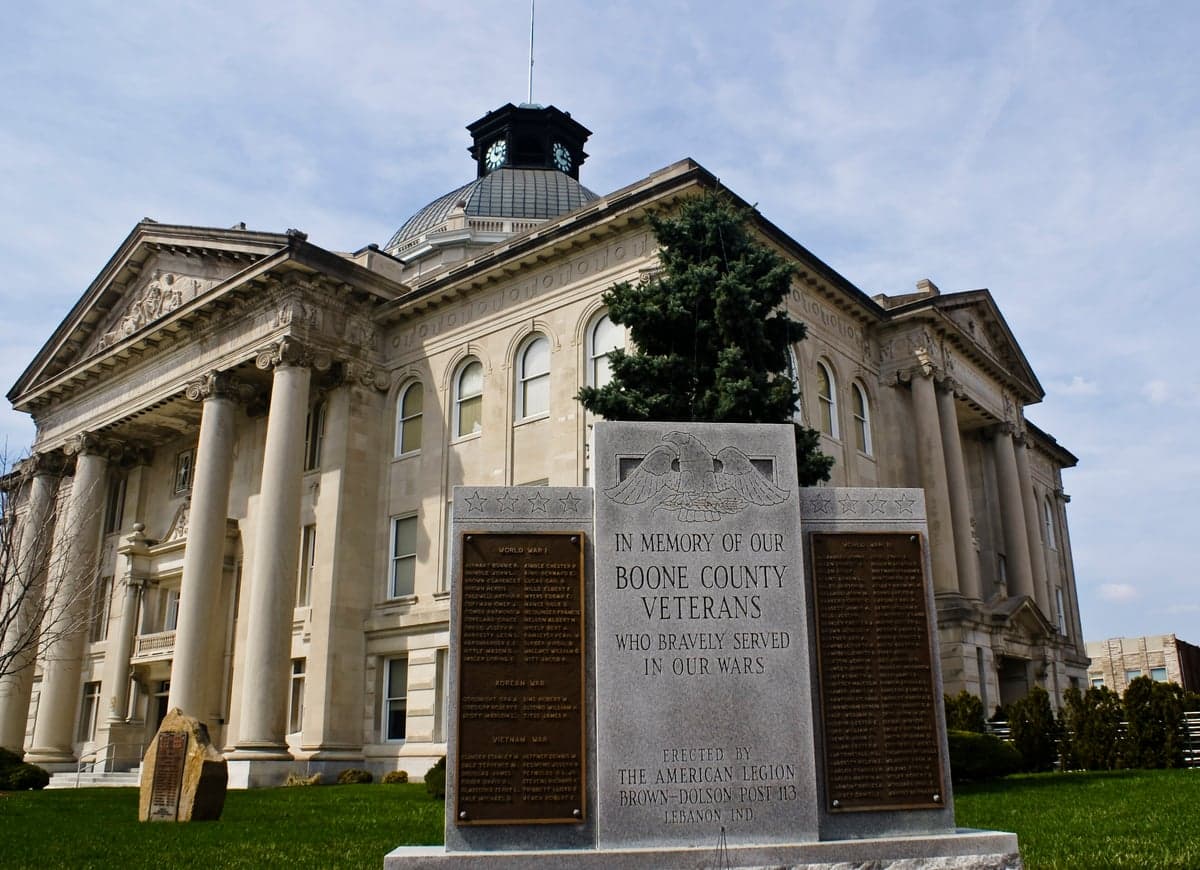
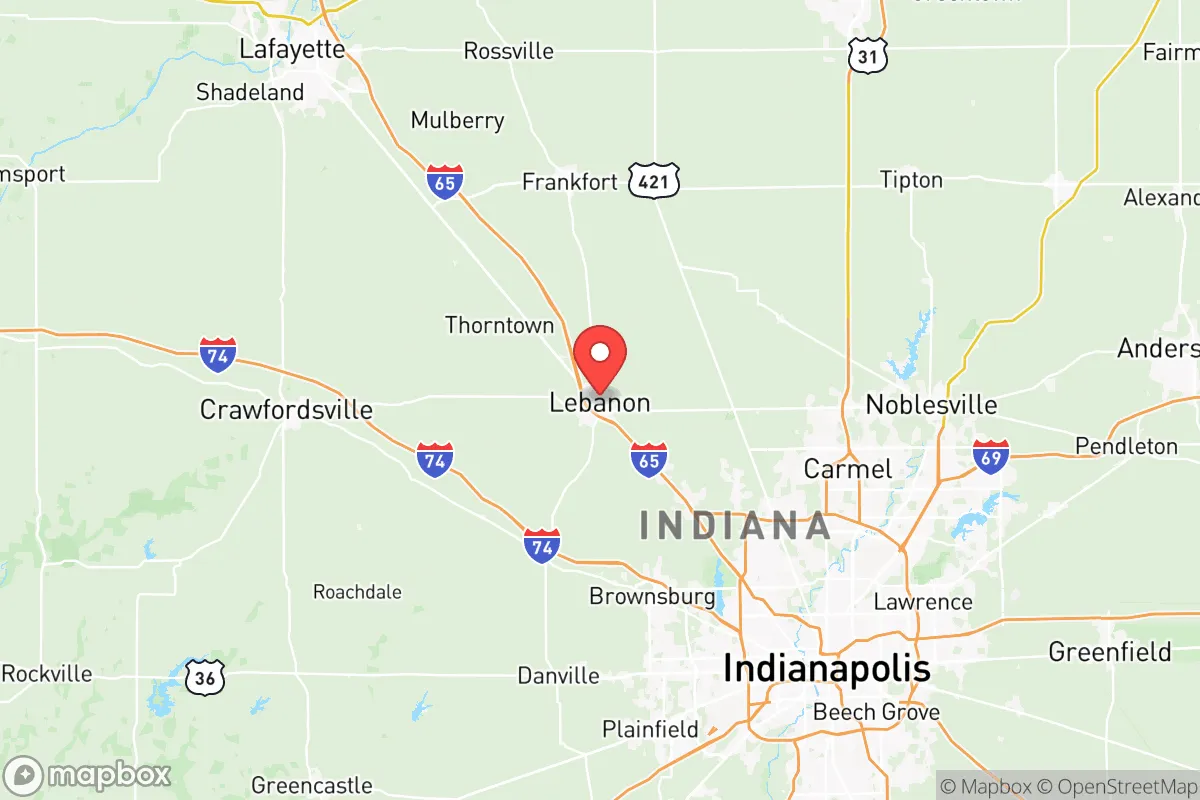
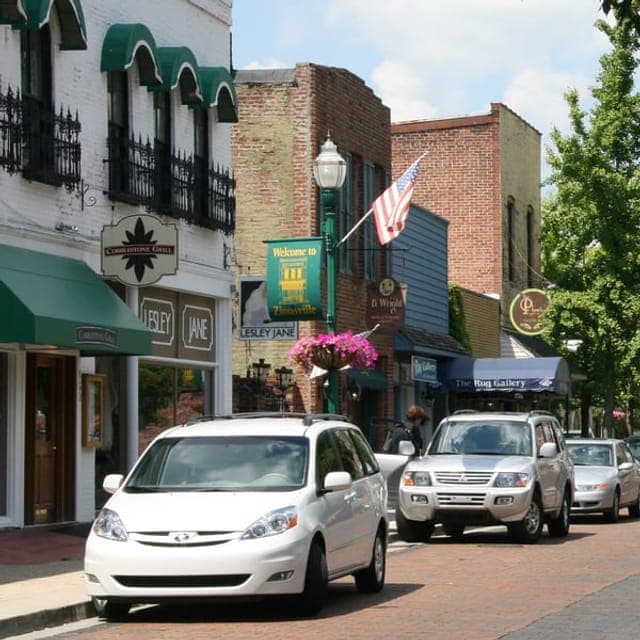
Most people in Boone County live in one of its towns—Lebanon is the county seat and the largest, with a classic small downtown and a growing industrial base, while Zionsville is the more polished, higher-end option with brick streets and a village feel. Whitestown has exploded in recent years with new housing developments and warehouses, and Advance and Thorntown are smaller, quieter spots where you still see grain elevators and pickup trucks parked outside the local diner. The average commute is about 25 minutes, and for many that means a straight shot down I-65 into Indianapolis or over to the growing employment hubs in Whitestown and Lebanon. Traffic on the interstate can stack up during rush hour, but it’s nothing like the gridlock you’d see in a major metro. People spend weekends at youth soccer games, running errands at the Meijer in Lebanon, or grabbing dinner at a local spot like Noble Roman’s in Zionsville or Brick Street Bar & Grill in Lebanon. The pace is steady but not frantic—there’s room to breathe.
Who Fits In: Families, Professionals, and People Who Want a Yard
This is a county where the median age is 38.3 and just over half the population holds a college degree, which tracks with the professional and managerial jobs that support the area. You’ll find a lot of families with school-age kids, along with younger couples who moved out from Indianapolis for more space and better schools. The cost of living index sits at 115, meaning it’s about 15% above the national average—noticeable in housing and groceries, but still cheaper than most coastal suburbs. People who thrive here tend to value predictability: a good school system, a safe neighborhood, and a routine that involves weekend errands, cookouts, and maybe a trip to the county fair. It’s less suited for someone looking for nightlife, urban density, or cultural diversity—this is a predominantly white, middle-to-upper-middle-class area with a conservative tilt, and the social life revolves around family, church, and school events.
Sports, Schools, and Community Pride
High school sports are a genuine centerpiece of community life in Boone County. Zionsville Community High School has a strong football program and a marching band that draws big crowds, and Lebanon High School has its own loyal following, especially for basketball and wrestling. The rivalry between Zionsville and Lebanon is real—people care about it. Youth sports are huge too, with soccer and baseball leagues filling up fields on spring and summer evenings. The schools themselves are a major reason families choose Boone County; Zionsville schools in particular are consistently ranked among the best in the state, and Lebanon and Western Boone schools are solid options that anchor their communities. There’s no pro sports team in the county, but Indianapolis is close enough for Colts or Pacers games, and many residents make the drive for a weekend outing.
What’s There to Do: Festivals, Parks, and Quiet Nights
Entertainment here is more about community events than big venues. The Boone County 4-H Fair in Lebanon is a summer staple, with livestock shows, carnival rides, and the kind of small-town fair atmosphere that draws people from across the county. Zionsville’s Fall Festival and the Whitestown Summer Concert Series are popular, and Lebanon’s St. Joseph’s Festival has a loyal following. For outdoor activity, Starkey Park in Zionsville offers trails and a nature center, and Waugh Park in Lebanon has sports fields and a disc golf course. The Big Four Trail runs through the county and is used for biking and walking, connecting several towns. Dining is mostly local chains and family-run spots—The Oasis in Lebanon is a go-to for American comfort food, and Brix on the Bridge in Zionsville offers a nicer dinner out. What you won’t find is much in the way of live music venues, late-night bars, or cultural institutions—for that, you head into Indianapolis.
Honest Pros and Cons of Living in Boone County
- Pro: Strong schools and a family-oriented atmosphere that makes raising kids feel supported.
- Pro: A short commute to Indianapolis, giving you access to big-city jobs and amenities without living in the city.
- Pro: Newer housing stock in places like Whitestown and Zionsville, with options for different budgets.
- Con: The cost of living is above the national average, and home prices have risen sharply in the last five years, pricing out some first-time buyers.
- Con: The violent crime rate is 263 per 100,000, which is slightly above the national average—though most of that is concentrated in specific areas, and the county overall feels safe.
- Con: Limited entertainment and dining options—if you want variety, you’re driving to Indy or Carmel.
Boone County is a place that works well for people who want a predictable, comfortable life with good schools and a short commute, but it’s not for everyone. The growth has brought new construction and new neighbors, but also higher prices and more traffic on the main roads. Longtime residents sometimes miss the quieter, more rural feel of a decade ago, while newcomers appreciate the convenience and the sense of community that still holds strong in towns like Advance and Thorntown. If you’re looking for a place where you can put down roots, know your neighbors, and watch your kids play sports on a Friday night, Boone County delivers that in spades.

* Values derived from national, state, county, city and local statistics and may differ in a specific area. Last updated: 2026-06-29T15:03:04.000Z
Narrative content on this page is AI-generated and may contain mistakes. Verify any details that matter before acting on them.
ReloMaps may earn a commission from affiliate links at no extra cost to you.

