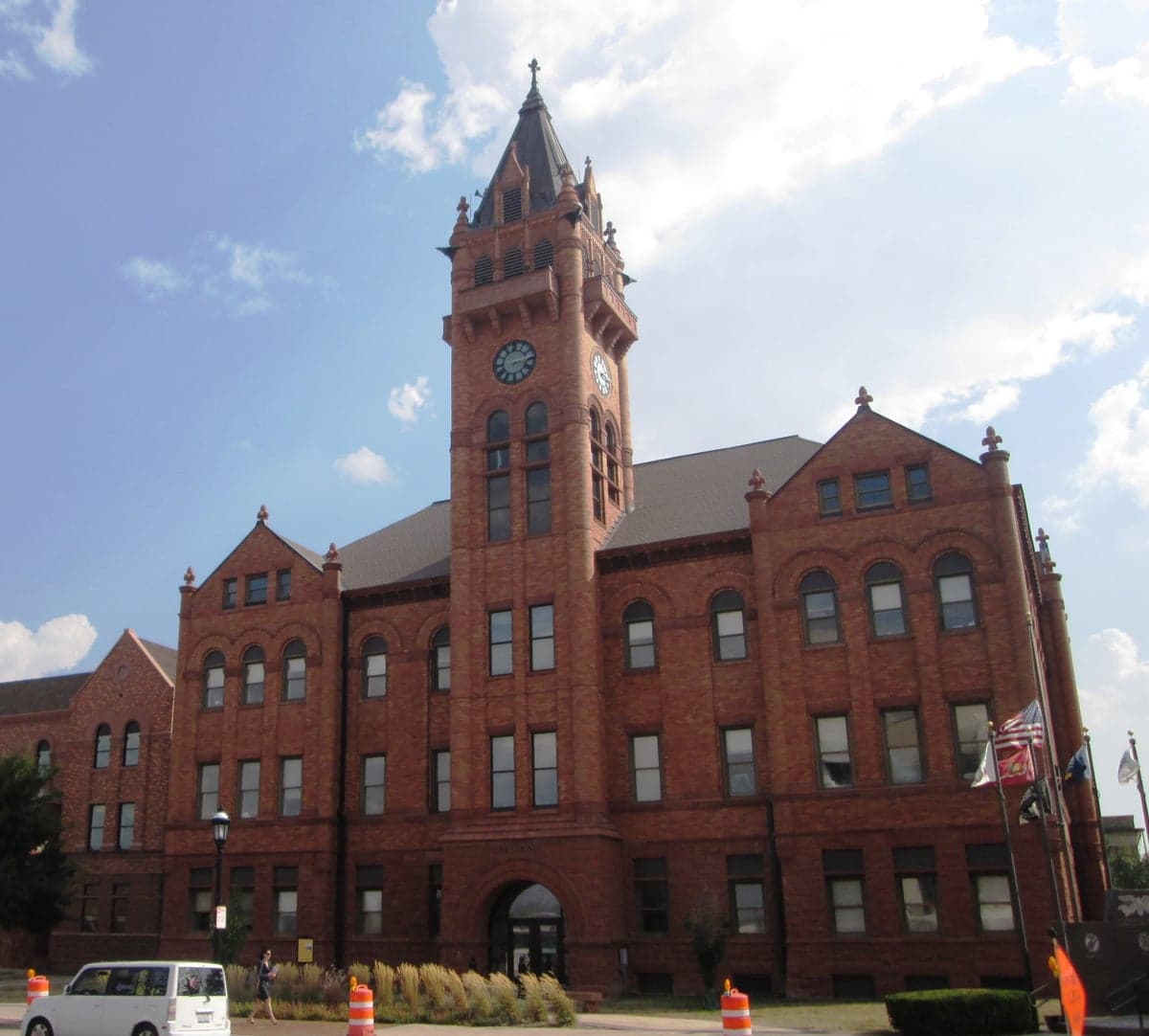
Photo: Wikipedia
Quality of Life in Champaign County
A livable area that tracks near national norms for affordability, walkability, and neighborhood health.
What does Quality of Life tell us?
Quality of Life measures an area by evaluating factors like cost of living, nearby amenities, country club access, airport proximity, socioeconomic signals and neighborhood character. For large states, this is a general average — quality of life can vary dramatically between metro areas, suburbs, and rural communities within the same state.
What does this tell us?
Quality of Life measures an area by evaluating factors like cost of living, nearby amenities, country club access, airport proximity, socioeconomic signals and neighborhood character. For large states, this is a general average — quality of life can vary dramatically between metro areas, suburbs, and rural communities within the same state.
Cost of Living
18% below national average
108%
The Real Cost of Living in Champaign County for 2026
| Tier | Individual | Family (4) |
|---|---|---|
| Survival | $16k | $31k |
| Comfortable | $40k | $59k |
| Luxury | $114k+ | $177k+ |
| Elite (Top 5%) | $152k+ | $235k+ |
Quality-of-Life Analysis
Champaign County, Illinois, offers a broad spectrum of quality-of-life options, from the dense, amenity-rich college town of Urbana-Champaign to quiet, unincorporated crossroads and working farm communities. The county’s character is defined by this duality: a vibrant, internationally connected urban core anchored by the University of Illinois, surrounded by a tranquil, agricultural landscape of small towns and rural homesteads. People drawn to the county typically fall into two camps—those seeking the cultural and economic energy of a major university hub, and those prioritizing space, lower costs, and a slower pace of life in the county’s outlying areas.
Largest town(s) & population centers
The county’s primary population centers are the twin cities of Champaign and Urbana, which together form the core of the Champaign-Urbana metropolitan area. Daily life here is shaped by the University of Illinois, which employs over 15,000 people and drives a robust local economy. Downtown Champaign offers a dense mix of restaurants, bars, and live music venues, while Urbana’s Lincoln Square and the historic downtown provide a more laid-back, community-oriented vibe with farmers’ markets and independent bookstores. The presence of major employers like Carle Health and OSF HealthCare, along with tech startups and research labs, means many residents have professional careers with short commutes—the county average is just 17.3 minutes. Housing here is a mix of historic homes near campus, newer subdivisions in southwest Champaign, and student-heavy apartment complexes. The cost of living index of 82 (well below the US average of 100) makes these cities surprisingly affordable for a metro area of their size, with a median home value of $205,100 and median rent of $1,018.
Smaller towns & rural pockets
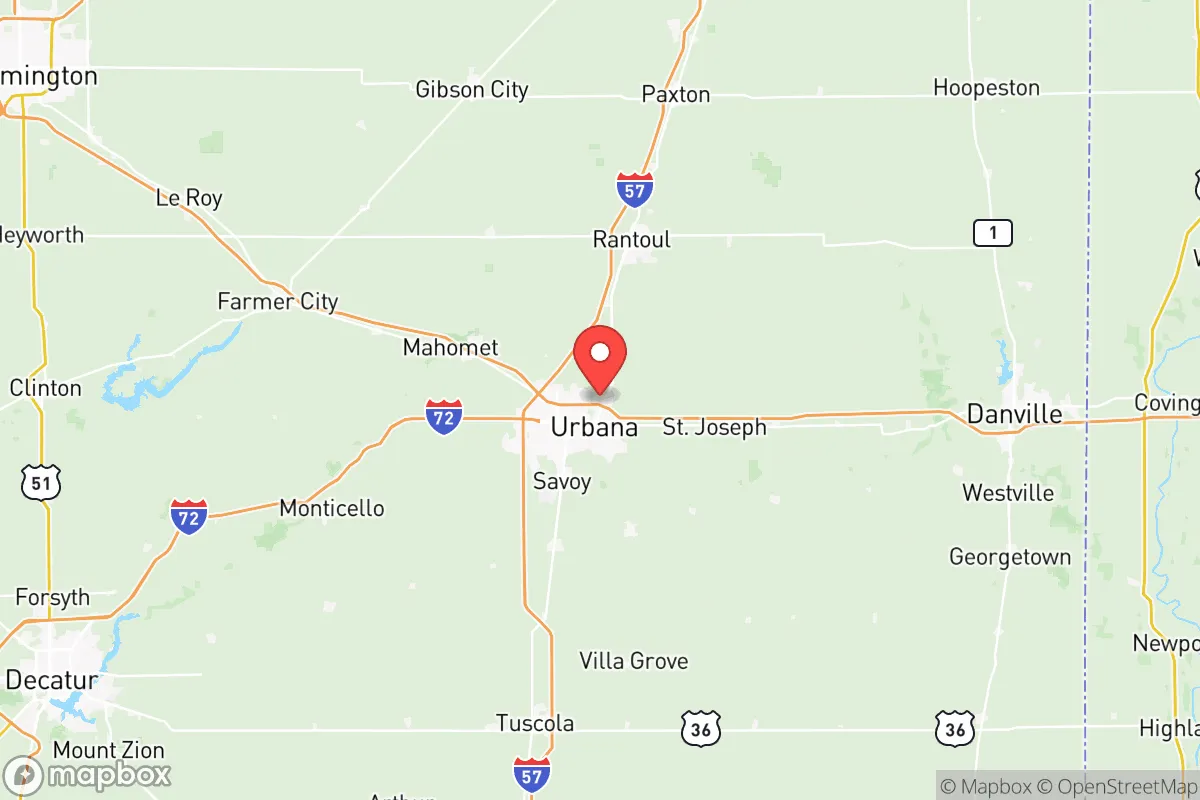
Beyond the urban core, Champaign County is dotted with smaller communities that offer a distinctly different lifestyle. Mahomet, located just north of Champaign, is a fast-growing village known for its excellent schools and access to Lake of the Woods, making it a popular choice for families seeking a suburban feel with rural edges. St. Joseph, to the southeast, is a tight-knit village with a historic downtown and strong community events. Rantoul, in the northern part of the county, is a former Air Force base town that has reinvented itself with industrial parks and affordable housing, attracting workers in manufacturing and logistics. Further out, unincorporated areas like Pesotum and Longview are true rural crossroads, where residents live on acreage, farm, or commute to the cities. These pockets offer the quiet of open farmland, with grain elevators and country churches defining the landscape, but still within a 20-30 minute drive of Champaign-Urbana’s amenities.
Cost & lifestyle range
The cost of living and lifestyle options vary significantly across the county. At the higher end, Savoy (a village just south of Champaign) and newer subdivisions in southwest Champaign feature homes in the $300,000–$500,000 range, with large lots, HOA amenities, and top-rated schools. These areas attract professionals and families who want suburban comfort with urban proximity. At the lower end, Rantoul and Thomasboro offer median home values well below the county average—often under $150,000—making them entry points for first-time buyers or those on tighter budgets. Rural properties in unincorporated areas like Dewey or Philo can be even cheaper per acre, but come with trade-offs like longer drives to grocery stores and fewer services. Renters also see a spread: a one-bedroom in downtown Champaign might run $1,200, while a similar unit in Rantoul could be $750. The county’s overall low cost of living index (82) means that even the priciest neighborhoods are affordable compared to national averages.
Who thrives in Champaign County? The county is ideal for people who want access to a major research university’s cultural and economic resources—museums, Big Ten sports, diverse dining, and a strong job market—without paying big-city prices. It also suits those who value a short commute and the ability to live on acreage while still being 15 minutes from a hospital or a concert. Families often gravitate to Mahomet or St. Joseph for their schools and community feel, while young professionals and academics prefer the walkable neighborhoods of Urbana or Campustown. Retirees and remote workers find the rural pockets appealing for their quiet and low taxes. The county’s mix of urban energy and rural calm means it can accommodate a wide range of preferences, as long as residents are comfortable with a Midwestern climate and a pace of life that is neither frantic nor isolated.

Crime in Champaign County
WARNING: The crime statistics are unreliable for this jurisdiction. Local authorities have either not reported or under reported their data to the FBI. This could be due to bad intentions, incompetence or technical issues. Regardless, we suggest skepticism.
Higher crime rates than 64% of comparable U.S. locations.
Violent CrimeViolent Crime Analysis
Property CrimeProperty Crime Analysis
Crime Analysis
Champaign County, Illinois, presents a mixed safety profile that is heavily shaped by the contrast between the urban core of Champaign-Urbana and the surrounding rural towns. The county's violent crime rate of 242.4 per 100,000 residents sits below the national average but above the Illinois state average, while its property crime rate of 1,464.7 per 100,000 is significantly higher than both state and national benchmarks. This disparity means that while the risk of a violent encounter is moderate, the likelihood of experiencing theft, burglary, or vehicle break-ins is elevated, particularly in the denser, more transient neighborhoods near the University of Illinois campus.
Crime in context
Champaign County's violent crime rate of 242.4 per 100,000 is roughly 30% lower than the national average of about 380 per 100,000, but it is notably higher than the Illinois state average of approximately 395 per 100,000. The property crime rate of 1,464.7 per 100,000, however, is a standout concern—it is roughly 40% higher than the national average and nearly double the Illinois state average. This elevated property crime is concentrated in the Champaign-Urbana metro area, where the presence of a large student population, high rental turnover, and a dense downtown corridor create more opportunities for theft and vehicle-related crimes. By contrast, the smaller towns in the county—such as Mahomet, St. Joseph, and Tolono—report property crime rates that are often 50-70% lower than the county average, reflecting their quieter, more stable residential environments.
What residents experience
Daily life for residents in Champaign County varies sharply by location. In the city of Champaign, particularly in the Campustown area and along the University Avenue corridor, residents frequently report issues with bicycle theft, package theft, and vehicle break-ins. The University of Illinois Police Department and Champaign Police Department have both noted that a significant portion of property crime is opportunistic, targeting unlocked cars and unattended belongings. Violent crime, while less common, is not evenly distributed: the majority of aggravated assaults and robberies occur in the northern and central parts of Champaign, especially near the intersection of University Avenue and Market Street. In Urbana, the area around the Lincoln Square Mall and the Illinois Street corridor sees similar patterns, though overall violent crime rates are slightly lower than in Champaign proper. The progressive policies of the Champaign County State's Attorney's Office, which has emphasized diversion programs and reduced pretrial detention for non-violent offenders, have drawn criticism from some residents who argue that these approaches lead to repeat property crimes and a perception of leniency. In contrast, the towns of Savoy and Philo report very low violent crime rates—often below 50 per 100,000—and property crime rates that are a fraction of the county average, making them the safest choices for families and retirees.
Neighborhood-level variation
Neighborhood-level safety in Champaign County is highly predictable by zip code and proximity to the university. The safest areas are the suburban-style developments in southwest Champaign (61822), the village of Mahomet (61853), and the rural areas around St. Joseph (61873). These locations benefit from lower population density, higher homeownership rates, and less foot traffic from transient populations. The highest-risk zones are the Campustown area (61801) and the northern Champaign neighborhoods (61820), where property crime rates can exceed 2,500 per 100,000. Residents in these areas should invest in security cameras, secure parking, and renter's insurance. For those considering a move to the county, choosing a home in Savoy, Mahomet, or St. Joseph offers a dramatically lower crime risk than living in the Champaign-Urbana core, while still providing access to the region's employment and cultural amenities.
* Values derived from national, state, county, city and local statistics and may differ in a specific area. Last updated: 2026-07-02T02:52:44.000Z
Narrative content on this page is AI-generated and may contain mistakes. Verify any details that matter before acting on them.
ReloMaps may earn a commission from affiliate links at no extra cost to you.

