Photo: Wikipedia
Find The Best Places To Live in Champaign County
PRO TIP! You can paste a Zillow or Redfin link to get info on that property.
Best Places to Live in Champaign County

Cities & Towns in Champaign County
Cities in Champaign County
What It's Like Living in Champaign County, IL
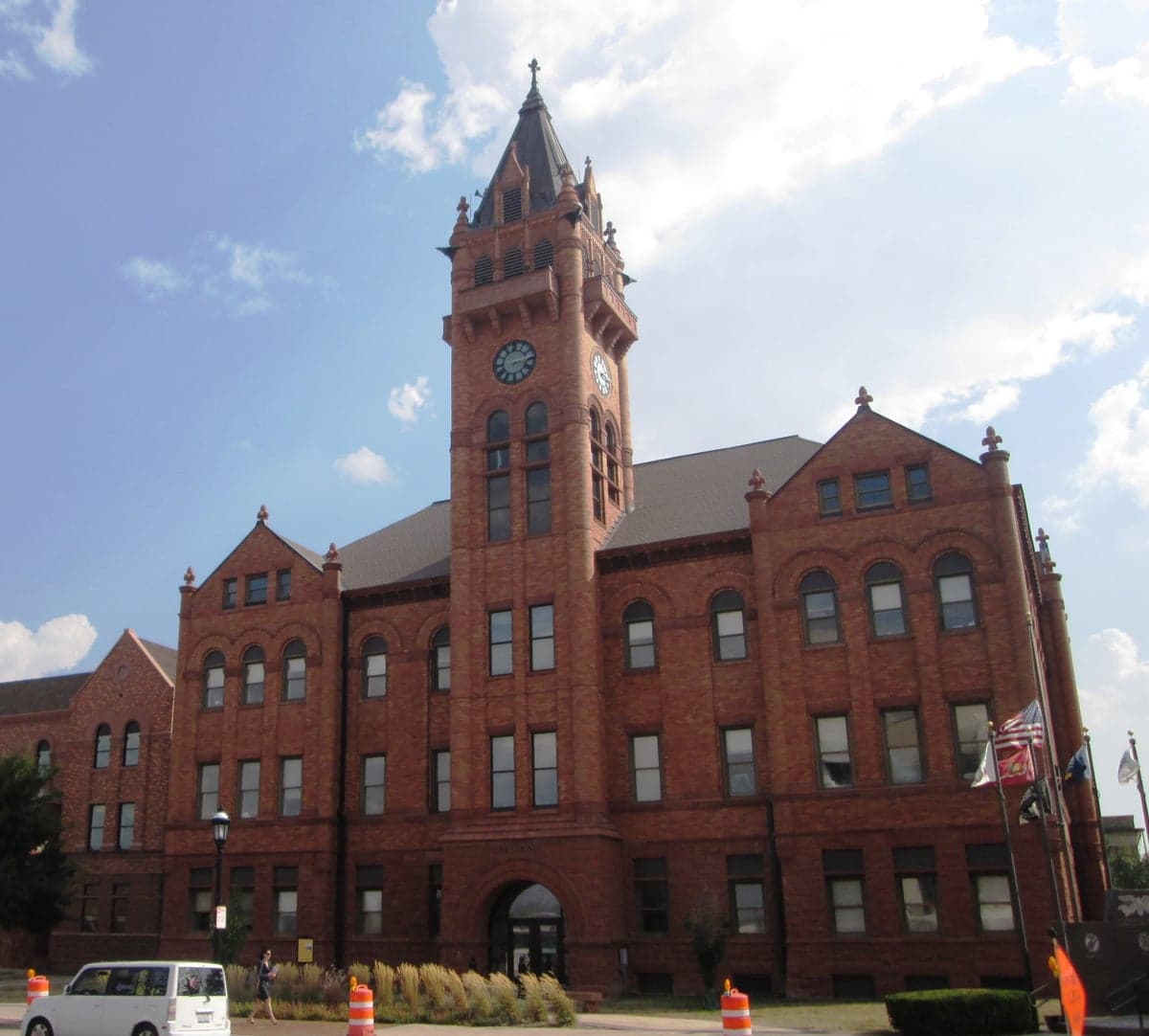
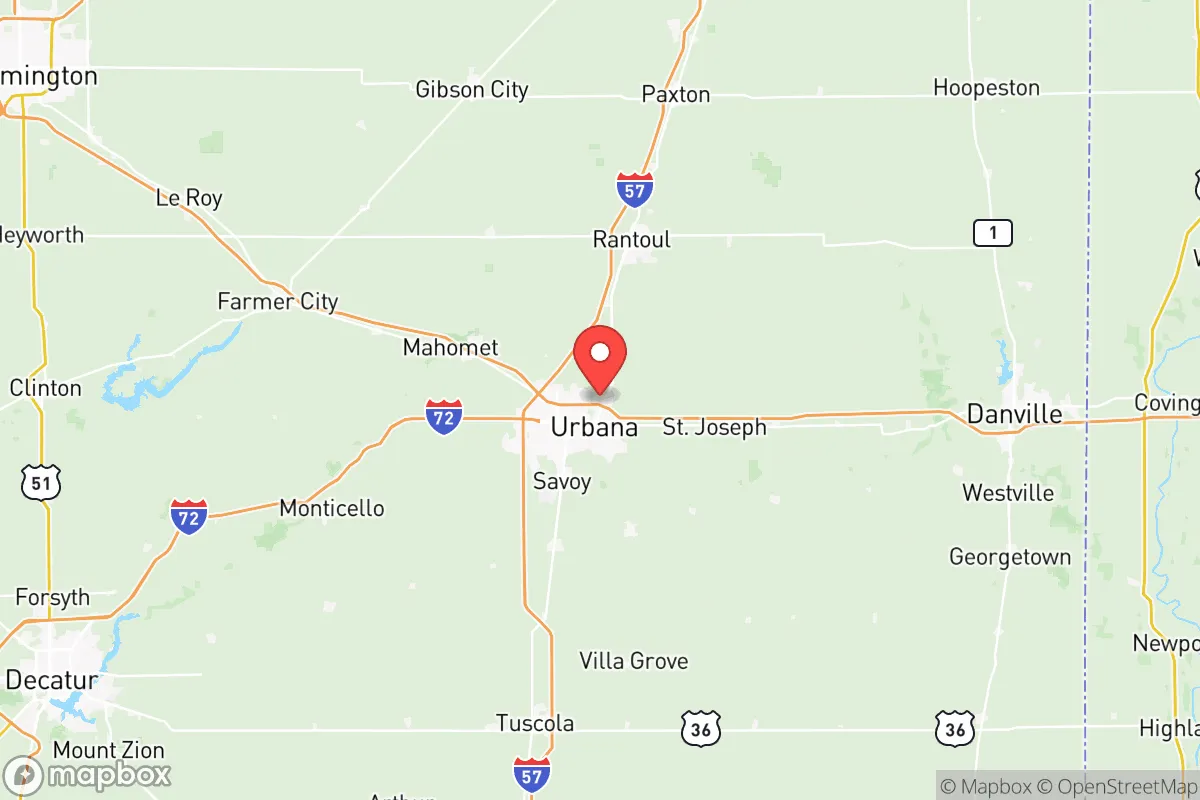
Living in Champaign County means anchoring your life around a university town that also fights to keep its small-city soul, surrounded by farmland that stretches flat to every horizon. Urbana and Champaign form the urban core, where the Illini are the unquestioned kings, but the county also holds quiet villages like Mahomet, St. Joseph, and Tolono, plus rural pockets where the closest thing to a traffic jam is a tractor on County Road 12. At roughly 206,000 residents, it’s big enough to have real restaurants, a minor-league hockey team, and a thriving tech scene — yet small enough that you’ll run into your kid’s teacher at El Oasis on a Friday night.
The Daily Rhythm: From Campus to Cornfield
Most days here split between two worlds. The university side (University of Illinois Urbana-Champaign) brings a young energy — median age is just 30.9 — and over 46% of adults hold a bachelor’s degree, which shapes conversations and coffee shop culture. You’ll see graduate students coding at Caffe Bene on Neil Street while farmers from Philo debate grain prices at the Machine Shed just down the road. The average commute of roughly 17 minutes is a genuine quality-of-life perk; many families choose Mahomet or St. Joseph for the well-regarded schools and still get to downtown Champaign in under 20 minutes. Weekends often revolve around youth soccer games, errands at Market Place Mall, or a slow afternoon at Homer Lake Forest Preserve — a 237-acre natural area that feels a world away from the business parks.
Sports, Community, and the Illini Obsession
Let’s be direct: nothing unites Champaign County like Illini sports. Memorial Stadium fills with 60,000 fans on Saturdays in the fall, but even the non-football crowd gets swept up in game-day traffic and the smell of tailgates along Kirby Avenue. High school sports are a close second — the Champaign Central vs. Urbana rivalry is genuinely heated, and rural communities like Villa Grove pack gyms for county tournaments. Pro sports? The Champaign-Urbana area draws its own minor-league hockey team, the Champaign-Urbana River Otters (Central States Hockey League), drawing families looking for cheap Friday night fun. But the real cultural glue is the Illini Union and the annual Pyatt’s RV & Outdoor Show, alongside the massive Illinois State Fair satellite events that roll through. For a slightly more sophisticated night, The City Center in Champaign hosts touring Broadway shows and concerts, while the Champaign-Urbana Folk Festival keeps the local music scene humming.
What’s There to Do — Without Driving Two Hours
You don’t need to flee to Chicago (a two-hour drive north) for a good weekend. Crystal Lake Park in Urbana offers paddleboats and a Japanese garden; the Museum of the Grand Prairie in Mahomet tells the story of the region’s agricultural roots. The food scene punches above its weight — Biaggi’s Ristorante Italiano in Champaign and Seven Saints for craft beer are local staples, while Moe’s Taqueria on Green Street fuels student study sessions. For families, the Hessel Park splash pad in Champaign is a summer magnet, and the Strawberry Fields festival in Mahomet every June draws crowds for live music and u-pick berries. A surprising cultural gem: the Krannert Center for the Performing Arts on the UIUC campus, which brings in world-class dance, theater, and classical music — often with free outdoor performances in good weather. On the downside, nightlife skews younger and campus-heavy; if you’re over 40 and don't drink craft beer, your options shrink to a handful of wine bars and hotel lounges.
Where You’ll Fit In — and Where It Grates
The kind of person who thrives here values practical comforts over urban flash. A median household income of $63,091 and a cost of living index of 82 (well below the national average) means a family can afford a solid three-bedroom home — the median home value is a reasonable $205,100 — and still have cash left for kids’ activities or a vacation. That’s especially true in Tolono or Philo, where you can buy acreage without a six-figure mortgage. The trade-off: violent crime sits at 242.4 per 100,000, which is above the national average — concentrated mostly in certain Champaign neighborhoods and near campus. Longtime residents grumble about property taxes, which are high even by Illinois standards, and complain that road maintenance feels reactive rather than planned. But the seasonal rhythms are a draw — crisp autumns that smell like harvest, winters that actually deliver snow (though sometimes too much), and summers that make you grateful for air conditioning. If you want a place where you can build a career at Wolfram Research, Carle Health, or UIUC, raise kids through good public schools, and still make it to a Friday-night high school football game in Mahomet without a GPS, Champaign County fits like a worn-in work boot.

* Values derived from national, state, county, city and local statistics and may differ in a specific area. Last updated: 2026-07-02T02:52:44.000Z
Narrative content on this page is AI-generated and may contain mistakes. Verify any details that matter before acting on them.
ReloMaps may earn a commission from affiliate links at no extra cost to you.

