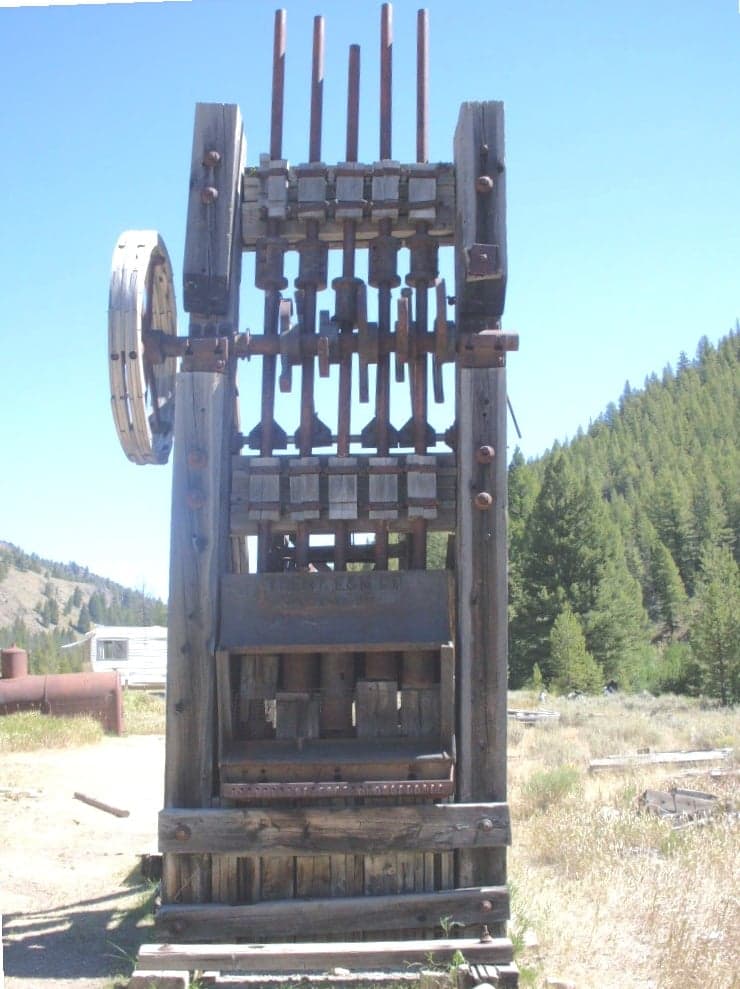
Photo: Wikipedia
Quality of Life in Custer County
A livable area that tracks near national norms for affordability, walkability, and neighborhood health.
What does Quality of Life tell us?
Quality of Life measures an area by evaluating factors like cost of living, nearby amenities, country club access, airport proximity, socioeconomic signals and neighborhood character. For large states, this is a general average — quality of life can vary dramatically between metro areas, suburbs, and rural communities within the same state.
What does this tell us?
Quality of Life measures an area by evaluating factors like cost of living, nearby amenities, country club access, airport proximity, socioeconomic signals and neighborhood character. For large states, this is a general average — quality of life can vary dramatically between metro areas, suburbs, and rural communities within the same state.
Cost of Living
20% below national average
72%
The Real Cost of Living in Custer County for 2026
| Tier | Individual | Family (4) |
|---|---|---|
| Survival | $12k | $22k |
| Comfortable | $54k | $79k |
| Luxury | $79k+ | $122k+ |
| Elite (Top 5%) | $93k+ | $144k+ |
Quality-of-Life Analysis
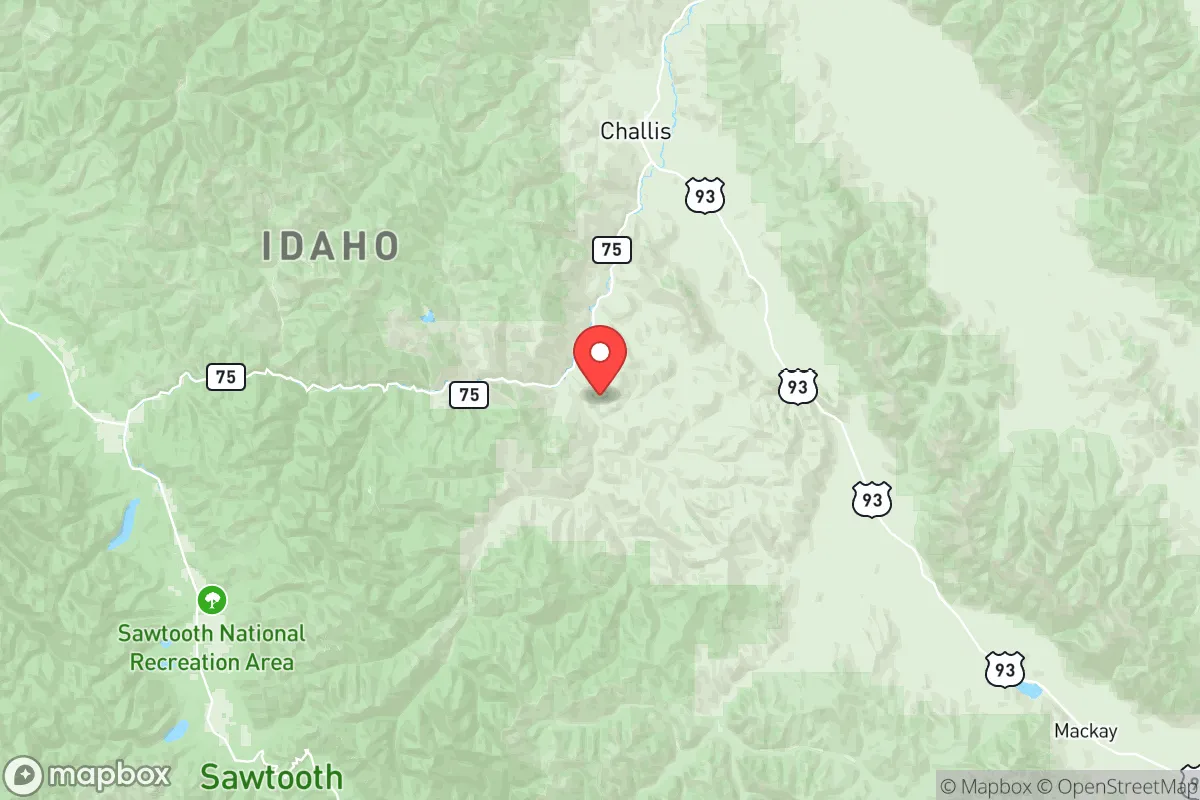
Custer County, Idaho, offers a spectrum of quality-of-life options that range from the historic, amenity-rich town of Challis to the remote, off-grid homesteads scattered throughout the Salmon River and Pahsimeroi Valleys. The county’s character is defined by its rugged, mountainous terrain and a population density of roughly one person per square mile, attracting a mix of self-sufficient homesteaders, seasonal recreationists, and long-time ranching families. The eastern half of the county, anchored by Challis, provides the most accessible services, while the western reaches near Stanley and the isolated valleys appeal to those seeking profound solitude and direct access to the Frank Church-River of No Return Wilderness.
Largest town(s) & population centers
Challis, the county seat and largest community with roughly 1,000 residents, serves as the commercial and administrative hub of Custer County. Daily life here revolves around a compact downtown with a grocery store, hardware store, medical clinic, and the county courthouse. The town sits along the Salmon River and is a base for outfitters guiding fishing, big-game hunting, and whitewater rafting trips into the surrounding national forests. Stanley, located about 60 miles west of Challis at the base of the Sawtooth Mountains, is a smaller but nationally recognized gateway town for the Sawtooth National Recreation Area. Stanley’s economy is almost entirely tourism-driven, with a concentration of lodges, guide services, and seasonal restaurants; its year-round population hovers around 100, swelling significantly in summer. For residents, daily life in Stanley means living in a postcard setting with limited winter services—the nearest full-service grocery is in Challis—and a deep reliance on outdoor recreation as both lifestyle and livelihood.
Smaller towns & rural pockets
Beyond the two main towns, Custer County contains several unincorporated communities and thinly populated valleys that define its rural character. Clayton, a former mining town on the Salmon River about 20 miles west of Challis, has a handful of year-round residents and a historic store, serving as a quiet waypoint for anglers and rafters. Mackay, technically just over the county line in Butte County, is often grouped with Custer County’s eastern edge and provides a small grocery and gas station for residents of the upper Lost River Valley. The Pahsimeroi Valley, a high desert ranching valley northeast of Challis, is home to a few dozen families living on large irrigated hay and cattle operations, with no incorporated town—just a post office and a community hall. The East Fork of the Salmon River corridor, south of Challis, contains scattered homes and cabins on large lots, appealing to those who want a rural address within a 15-minute drive to town amenities.
Cost & lifestyle range
The county-wide cost of living index of 80 (20% below the U.S. average) masks a wide gap between the amenity-poor rural valleys and the more expensive recreational hubs. In Challis, the median home value of $295,600 and median rent of $744 reflect a relatively affordable market for a Western mountain county, though inventory is very low and homes often sell quickly to out-of-state buyers. Stanley sits at the high end of the spectrum: a small cabin on a lot within the Sawtooth National Recreation Area can easily exceed $500,000, and short-term rental demand drives up prices for the few year-round rentals. At the low end, raw land in the Pahsimeroi Valley or along the East Fork can be found for under $100,000, but buyers must budget for well drilling, septic installation, and often solar power, as grid connections are limited. The average commute of 21.5 minutes is a county-wide figure that reflects short drives within Challis and Stanley, but residents in the Pahsimeroi or upper Salmon River face 45-minute to hour-long drives to reach a grocery store or school bus stop.
This county is best suited for people who are comfortable with significant self-reliance—whether that means hauling groceries from Challis to a remote valley, maintaining a private well and septic system, or navigating snow-covered roads for months at a time. Homesteaders, ranchers, seasonal Forest Service employees, and second-home owners with flexible work arrangements tend to thrive here, while those needing consistent high-speed internet, specialized healthcare, or a diverse job market will find the trade-offs challenging. Custer County rewards independence and a deep appreciation for the natural world, but it demands a level of logistical competence that filters out those unprepared for its remoteness.

Crime in Custer County
Lower crime rates than 77% of comparable U.S. locations.
Violent CrimeViolent Crime Analysis
Property CrimeProperty Crime Analysis
Crime Analysis
Custer County, Idaho, presents a mixed safety profile that combines low population density with crime rates that demand attention. With a violent crime rate of 217.1 per 100,000 residents and a property crime rate of 613.4 per 100,000, the county offers a quieter environment than many urban areas but still faces challenges that potential residents should weigh carefully. The county's vast geography and small, scattered communities—including the county seat of Challis, the historic mining town of Stanley, and the smaller settlements of Mackay and Clayton—mean that safety experiences can vary significantly depending on where you live.
Crime in context
Custer County's violent crime rate of 217.1 per 100,000 sits notably below the national average of approximately 380 per 100,000 but is slightly above the Idaho state average of around 210 per 100,000. The property crime rate of 613.4 per 100,000 is significantly lower than the national figure of roughly 1,950 per 100,000, though it exceeds the Idaho state average of about 1,100 per 100,000. These numbers place Custer County in a middle tier among Idaho's 44 counties—safer than more urbanized areas like Ada County (Boise) or Canyon County, but with higher reported crime than many of the state's more remote, rural counties. The county's small population (roughly 4,300 residents) means that even a handful of incidents can shift annual rates noticeably, so year-to-year fluctuations are common.
What residents experience
Daily life in Custer County is shaped by its small-town character and outdoor-oriented culture. Most violent crime is not random; it typically involves domestic disputes or incidents among individuals who know each other, a pattern common in rural Western counties. Property crime, particularly theft from vehicles and burglaries of unoccupied cabins, is the more frequent concern for residents. Challis, as the largest town and commercial hub, sees a disproportionate share of reported incidents, including occasional thefts from unlocked vehicles and minor vandalism. Stanley, a gateway to the Sawtooth National Recreation Area, experiences seasonal property crime spikes during summer months when tourist traffic increases and vacation homes are left unattended. Mackay and Clayton, smaller communities with tighter-knit populations, report fewer incidents overall, though underreporting may be a factor in these remote areas.
Law enforcement coverage is provided by the Custer County Sheriff's Office, with limited patrol presence in outlying areas. Response times in the most remote parts of the county—such as the Yankee Fork area or the upper Salmon River corridor—can exceed 30 minutes. The county's judicial system operates under the 7th Judicial District, which covers Custer, Butte, Lemhi, and Clark counties. District attorneys in this region have generally maintained a conservative, law-and-order approach, prioritizing prosecution of violent offenders and property crimes. This stands in contrast to more progressive jurisdictions in larger Idaho cities like Boise or Moscow, where lenient sentencing policies have been linked to higher recidivism rates and increased public safety concerns. Residents in Custer County benefit from a justice system that emphasizes accountability, which helps keep repeat offenders off the streets.
Neighborhood-level variation is pronounced. Challis neighborhoods near the Salmon River and the downtown core tend to see more foot traffic and occasional petty crime, while newer subdivisions on the outskirts report fewer incidents. Stanley properties with visible security systems or neighborhood watch participation experience lower theft rates. Mackay and Clayton, with populations under 500, enjoy the lowest crime rates in the county, largely due to strong social cohesion and the deterrent effect of everyone knowing everyone else's business. For those considering relocation, the safest choice is typically a home in a smaller community with active neighbors, while properties in more isolated areas—especially second homes or cabins—should be equipped with security measures to mitigate property crime risk.
* Values derived from national, state, county, city and local statistics and may differ in a specific area. Last updated: 2026-07-23T00:38:57.000Z
Narrative content on this page is AI-generated and may contain mistakes. Verify any details that matter before acting on them.
ReloMaps may earn a commission from affiliate links at no extra cost to you.

