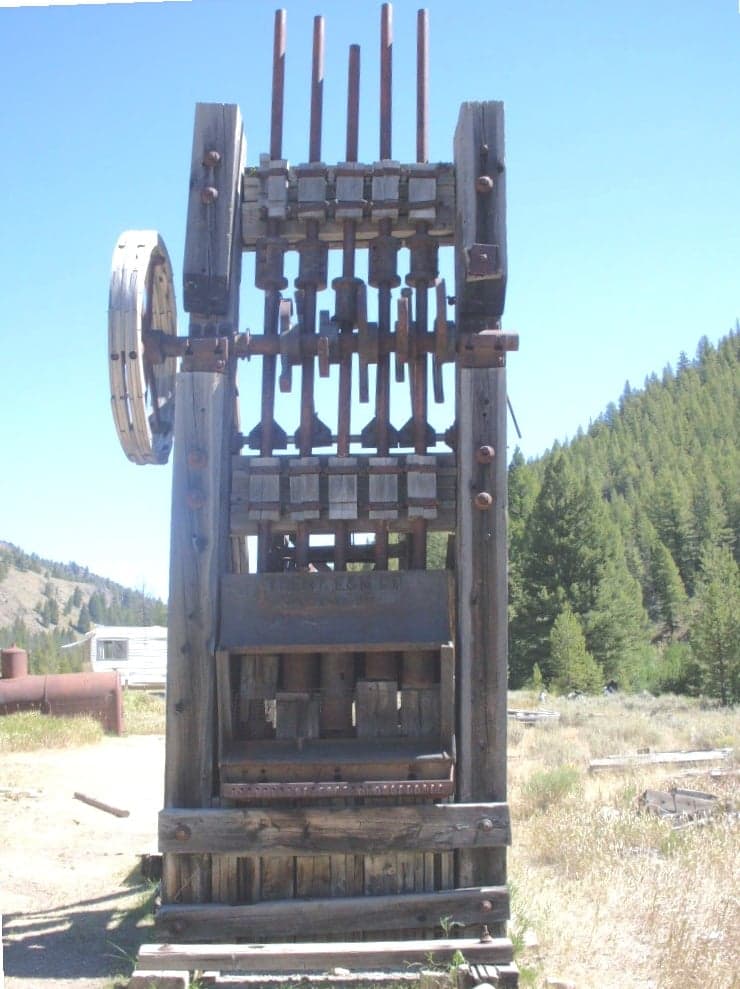
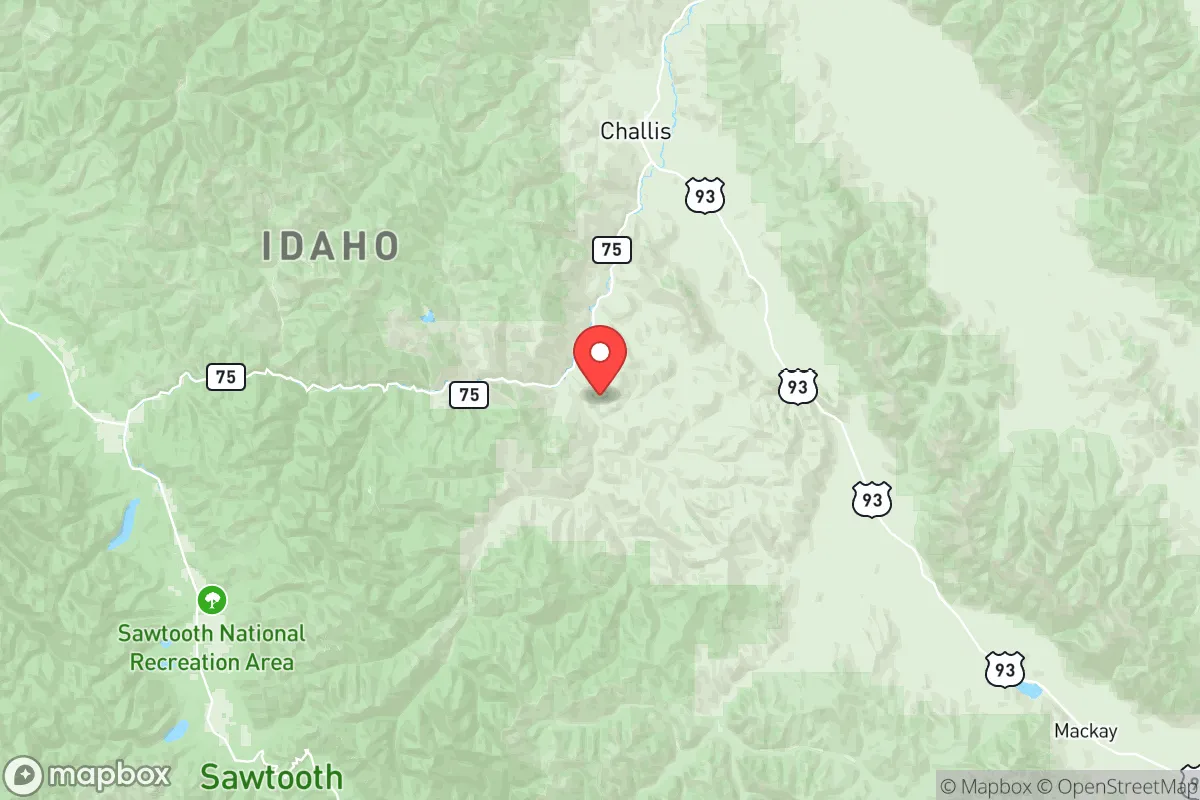
Photo: Wikipedia
Find The Best Places To Live in Custer County
PRO TIP! You can paste a Zillow or Redfin link to get info on that property.
Best Places to Live in Custer County
Cities & Towns in Custer County
Cities in Custer County
What It's Like Living in Custer County, ID
Living in Custer County, Idaho, means trading the rush of city life for a landscape that demands your attention—snow-capped peaks, the winding Salmon River, and a sky so big it feels personal. With just over 4,400 residents spread across towns like Challis, Stanley, and Mackay, this is a place where you know your neighbors by name, and where the nearest stoplight is a distant memory. It’s a county built for those who value solitude, self-reliance, and a deep connection to the outdoors, but it’s not for everyone—the quiet can be deafening, and the conveniences of urban life are a long drive away.
Daily Rhythm in a High-Altitude Landscape
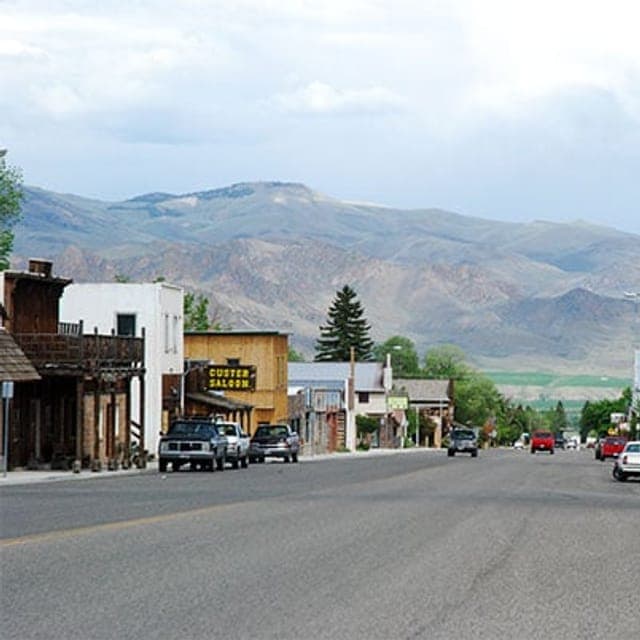
Life here moves to the seasons, not the clock. In Challis, the county seat and largest town, mornings often start with a coffee at the Riverbend Café before heading to work at the Forest Service, a local mine, or a small ranch. The average commute is just over 21 minutes, but that’s often a scenic drive along the Salmon River or through the Lost River Valley, not a slog through traffic. Stanley, a tiny mountain town of about 60 year-round residents, is a basecamp for hikers and anglers in summer, but in winter it’s eerily quiet, with many businesses shuttered until May. Mackay and Clayton offer a more working-class feel, with ties to mining and ranching that have defined the area for generations. The median age of 59.5 tells you this isn’t a young family’s boomtown—many residents are retirees or long-time locals, and the schools in Challis and Mackay are small but tight-knit, often serving as the social hub for the community.
What’s There to Do (and What’s Not)
Outdoor recreation is the main event. The Sawtooth National Recreation Area near Stanley offers world-class hiking, fishing, and backpacking, while the Salmon River draws rafters and kayakers from across the country. In winter, snowmobiling and cross-country skiing replace summer activities, but don’t expect a ski resort—the closest downhill skiing is at Sun Valley, a two-hour drive from Challis. The Custer County Fair in August is a highlight, with rodeo events, livestock shows, and a sense of community that’s hard to find elsewhere. For entertainment, you’re looking at local bars like the Mountain Village Resort in Stanley or the Challis Bar, where the jukebox plays country and the conversation is about fishing or the weather. There’s no movie theater, no mall, and no chain restaurants—the closest Walmart is in Salmon, about an hour away. The cost of living index is 80 (well below the national average), and the median home value of $295,600 is affordable compared to Boise or Sun Valley, but inventory is limited and many homes are older or need work.
Sports, Community, and the Kind of Person Who Fits
High school sports are a big deal here. The Challis Vikings and Mackay Miners draw crowds for football and basketball games, especially when they play each other—it’s the closest thing to a Friday-night rivalry you’ll find. There’s no pro or college sports nearby, so community events like the Stanley Mountain Run or the Challis Rodeo fill that void. The kind of person who thrives here is self-sufficient, comfortable with solitude, and likely in a later stage of life—retirees, remote workers with a strong internet connection (Starlink is common), or families who prioritize the outdoors over shopping and nightlife. The median income of $56,957 is modest, but it goes further here because housing is cheaper and there’s little to spend money on. Politically, the county leans conservative, with a strong libertarian streak—people value their privacy and don’t want government telling them what to do with their land.
Pros and Cons of Living in Custer County
- Pros: Unmatched access to wilderness and solitude; affordable housing compared to the rest of Idaho; a strong, supportive community where people help each other in emergencies; low crime rates overall (though the violent crime rate of 217.1 per 100,000 is slightly above the national average, it’s often tied to domestic incidents or isolated events, not random violence).
- Cons: Extreme isolation—the nearest hospital with a full ER is in Salmon or Hailey, both over an hour away; harsh winters with heavy snow and subzero temperatures; limited job opportunities outside of government, mining, or tourism; a lack of amenities like grocery stores, restaurants, and healthcare specialists; and a population that skews older, making it hard for younger families to find peers.
For those who can handle the trade-offs, Custer County offers a life that’s increasingly rare—one where the land is still wild, the pace is slow, and your neighbors are more than just faces in a crowd. It’s not a place to get rich or climb a career ladder, but it is a place to breathe, to fish, and to watch the stars without a single light to compete with them.

* Values derived from national, state, county, city and local statistics and may differ in a specific area. Last updated: 2026-07-23T00:38:57.000Z
Narrative content on this page is AI-generated and may contain mistakes. Verify any details that matter before acting on them.
ReloMaps may earn a commission from affiliate links at no extra cost to you.

