Photo: Wikipedia
Demographics of Custer County
Affluence Level in Custer County
A middle-class area roughly in line with national averages across income, home values, education, and employment.
People of Custer County
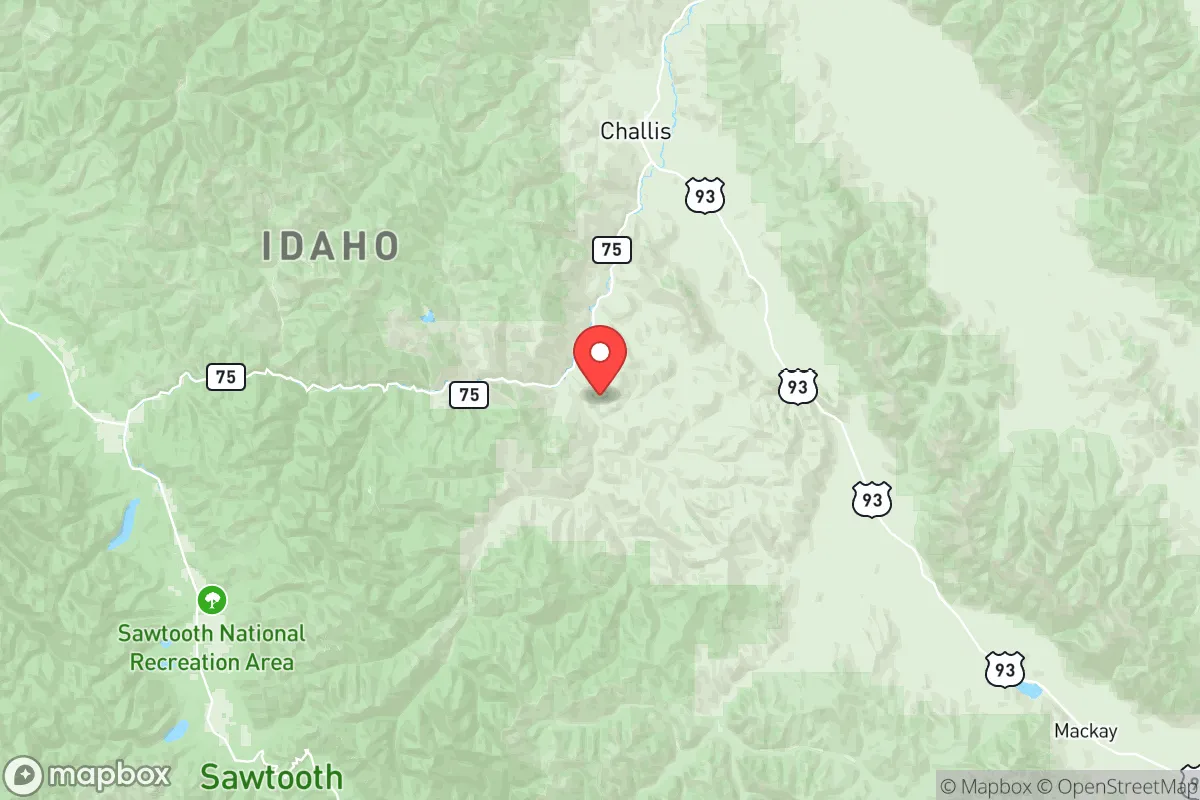
Custer County, Idaho, is home to roughly 4,400 residents spread across a vast, rugged landscape, making it one of the state's most sparsely populated areas. The population is overwhelmingly white (89.4%) and native-born (only 0.5% foreign-born), with a distinctive character shaped by a boom-and-bust mining past and a present defined by outdoor recreation and a quiet, self-reliant lifestyle. The county's small, isolated communities—from the historic mining hub of Challis to the tourist gateway of Stanley—each carry a unique thread of this human story, creating a region where family history and a connection to the land remain central to daily life.
Settlement & growth (pre-1960)
Long before European settlers arrived, the area now known as Custer County was the seasonal home of the Shoshone and Bannock peoples, who followed game and gathered resources across the Salmon River and Pahsimeroi River valleys. These Native nations used the region's abundant hot springs and mountain passes for centuries, leaving behind a legacy of trails and place names that persist today.
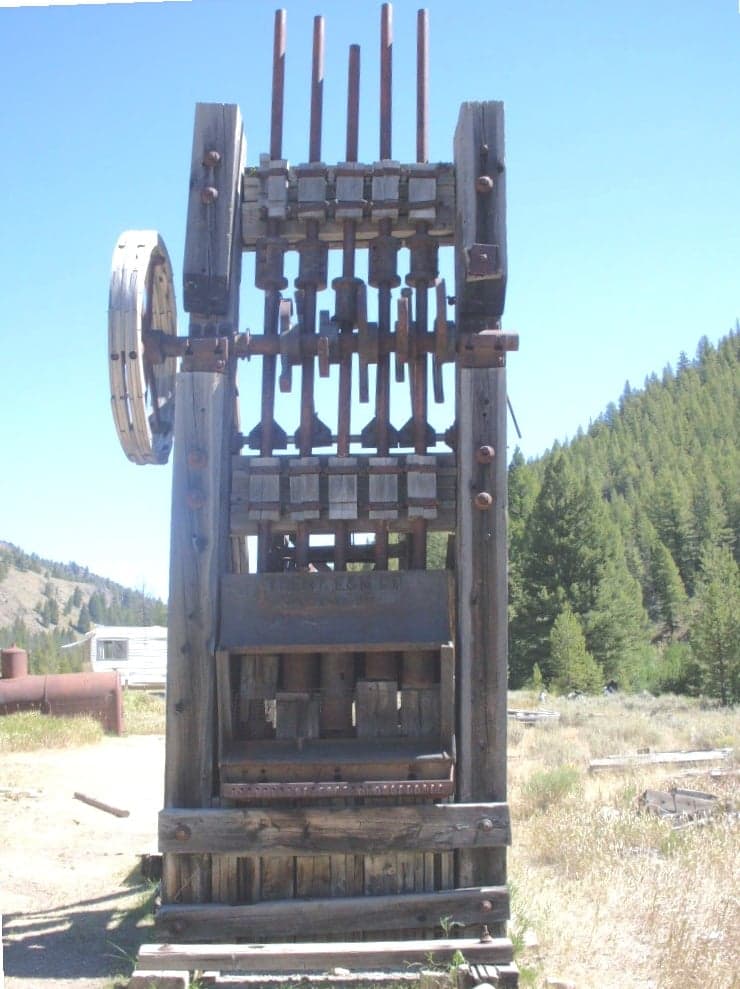
The first major wave of non-Native settlement came with the gold and silver rushes of the 1860s and 1870s. Prospectors—mostly native-born Americans of British and Irish descent, along with a smaller number of Cornish and German immigrants—flooded into the Salmon River Mountains. The town of Bayhorse sprang up around a rich silver strike in 1877, while Custer (the ghost town that gave the county its name) boomed with gold seekers in the 1880s. Challis, founded in 1878 as a supply center, became the county seat and the primary hub for miners and ranchers. These early settlers were overwhelmingly male, transient, and focused on extracting mineral wealth, creating a rough-and-tumble frontier society.
By the early 1900s, as the richest ore veins played out, the mining population declined sharply. A second, more stable wave of settlement came from homesteaders and ranchers who saw value in the county's vast sagebrush steppe and mountain meadows. Families of Northern European descent—primarily English, Scots-Irish, and Scandinavian—established ranches in the Pahsimeroi Valley and around Mackay, raising cattle and hay. The railroad's arrival in Mackay in 1901 briefly revived mining and connected the county to outside markets, but the population never regained its 1880s peak. By 1960, Custer County's population had settled into a pattern of slow decline, with fewer than 3,000 residents, most of whom worked in ranching, small-scale mining, or government land management.
Modern era (post-1965)
The post-1965 era brought no significant immigration wave to Custer County. The 1965 Hart-Cellar Act, which reshaped American immigration nationwide, had virtually no impact here: the county's foreign-born population today stands at just 0.5%, and the Asian (East/Southeast Asian) share is 2.7%, a figure largely attributable to a small number of seasonal workers and second-home owners rather than an established ethnic enclave. The Hispanic population, at 3.0%, is also modest and concentrated primarily in Challis, where a handful of families have worked in ranching and the service industry for generations.
Instead, the modern demographic story is one of domestic migration and a shift in economic identity. Beginning in the 1970s and accelerating through the 1990s, Custer County began attracting a new type of resident: retirees, outdoor enthusiasts, and remote workers drawn to the Sawtooth National Recreation Area and the Salmon River. The town of Stanley, once a tiny mining and ranching outpost, transformed into a destination for fly-fishing, hiking, and skiing, with a seasonal population that swells dramatically in summer. This influx has been overwhelmingly white and often affluent, driving up property values and creating a cultural divide between long-time ranching families and newer recreational landowners.
Suburbanization, as understood in metropolitan America, has not occurred in Custer County. There are no suburbs; instead, growth has taken the form of scattered rural subdivisions and vacation-home developments near Stanley and along the Salmon River corridor. The county's college-educated population is 25.2%, a figure that reflects the presence of these newer, more educated arrivals, but the overall population remains small and aging. The 2020 census counted 4,411 residents, a modest increase from 4,068 in 2010, driven almost entirely by recreational and retirement migration.
The future
Custer County's population is likely to remain small, white, and native-born for the foreseeable future. The county's remote location, limited job base, and high housing costs in desirable areas like Stanley act as natural brakes on rapid growth. The Hispanic and East/Southeast Asian populations may grow slightly as service-sector workers fill roles in tourism and hospitality, but these groups will likely remain small percentages of the total. The most significant demographic trend is aging: the county's median age is above the state average, and as older residents age in place, the demand for healthcare and senior services will increase.
New residents will continue to come primarily from other parts of the United States—especially the West Coast and Mountain West—seeking solitude, public lands access, and a slower pace of life. These newcomers tend to concentrate in Stanley and the Sawtooth Valley, while Challis and Mackay remain more tied to ranching and mining heritage. The cultural identity of the county is evolving from a purely extractive, working-class ranching community toward a more mixed economy of recreation, retirement, and remote work, though the pace of change is slow enough that long-time residents still dominate local politics and social life.
For someone moving in now, Custer County offers a deeply rural, overwhelmingly white, and politically conservative environment where community ties are strong but services are limited. The county is not becoming more diverse in any meaningful sense; instead, it is becoming more stratified between those who can afford a second home in the mountains and those who have lived there for generations. The future is one of slow, selective growth, with the character of each town—from the historic mining streets of Challis to the alpine resort feel of Stanley—determining who chooses to call it home.

* Values derived from national, state, county, city and local statistics and may differ in a specific area. Last updated: 2026-07-23T00:38:57.000Z
Narrative content on this page is AI-generated and may contain mistakes. Verify any details that matter before acting on them.
ReloMaps may earn a commission from affiliate links at no extra cost to you.

