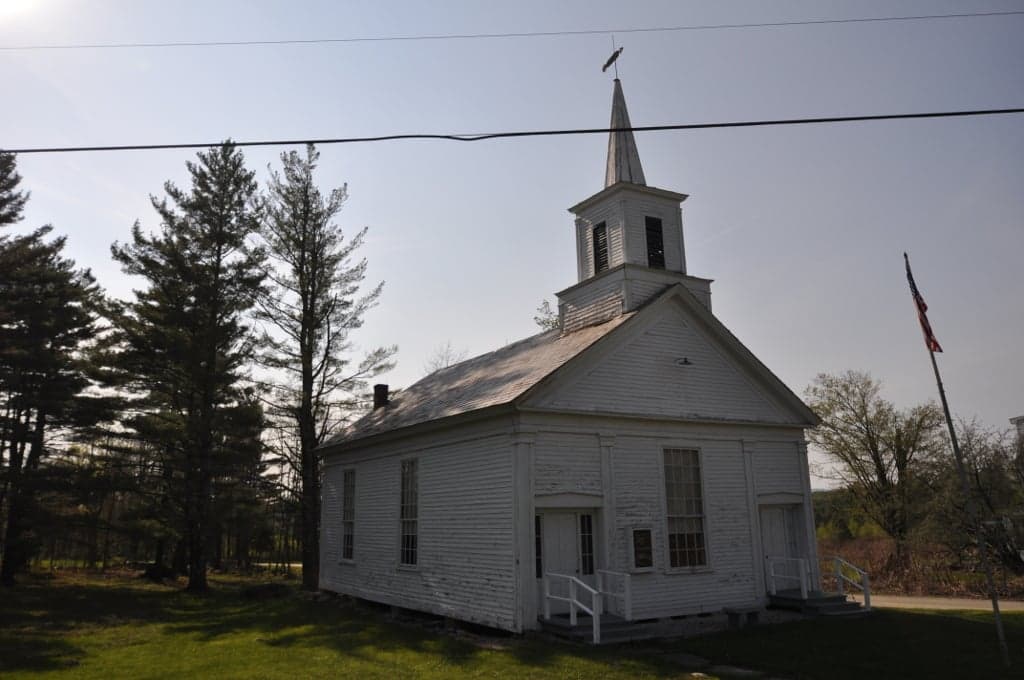
Photo: Wikipedia
Quality of Life in Halifax, VT
Above-average quality of iife. The area offers a reasonable cost of living, decent mobility, and a mix of neighborhood amenities.
What does Quality of Life tell us?
Quality of Life blends cost of living, nearby amenities, socioeconomic signals, and neighborhood character. City-level scores represent the whole municipality; individual neighborhoods can differ.
What does this tell us?
Quality of Life blends cost of living, nearby amenities, socioeconomic signals, and neighborhood character. City-level scores represent the whole municipality; individual neighborhoods can differ.
Cost of Living
8% below national average
The Real Cost of Living in Halifax, VT for 2026
| Tier | Individual | Family (4) |
|---|---|---|
| Survival | $17k | $32k |
| Comfortable | $51k | $75k |
| Luxury | $129k+ | $200k+ |
| Elite (Top 5%) | $152k+ | $235k+ |
134%
* median rent and top-5% income substituted from county-level data — local Census figures unavailable for small populations
The Area Signal
A metric tracking the socioeconomic signals of the area.
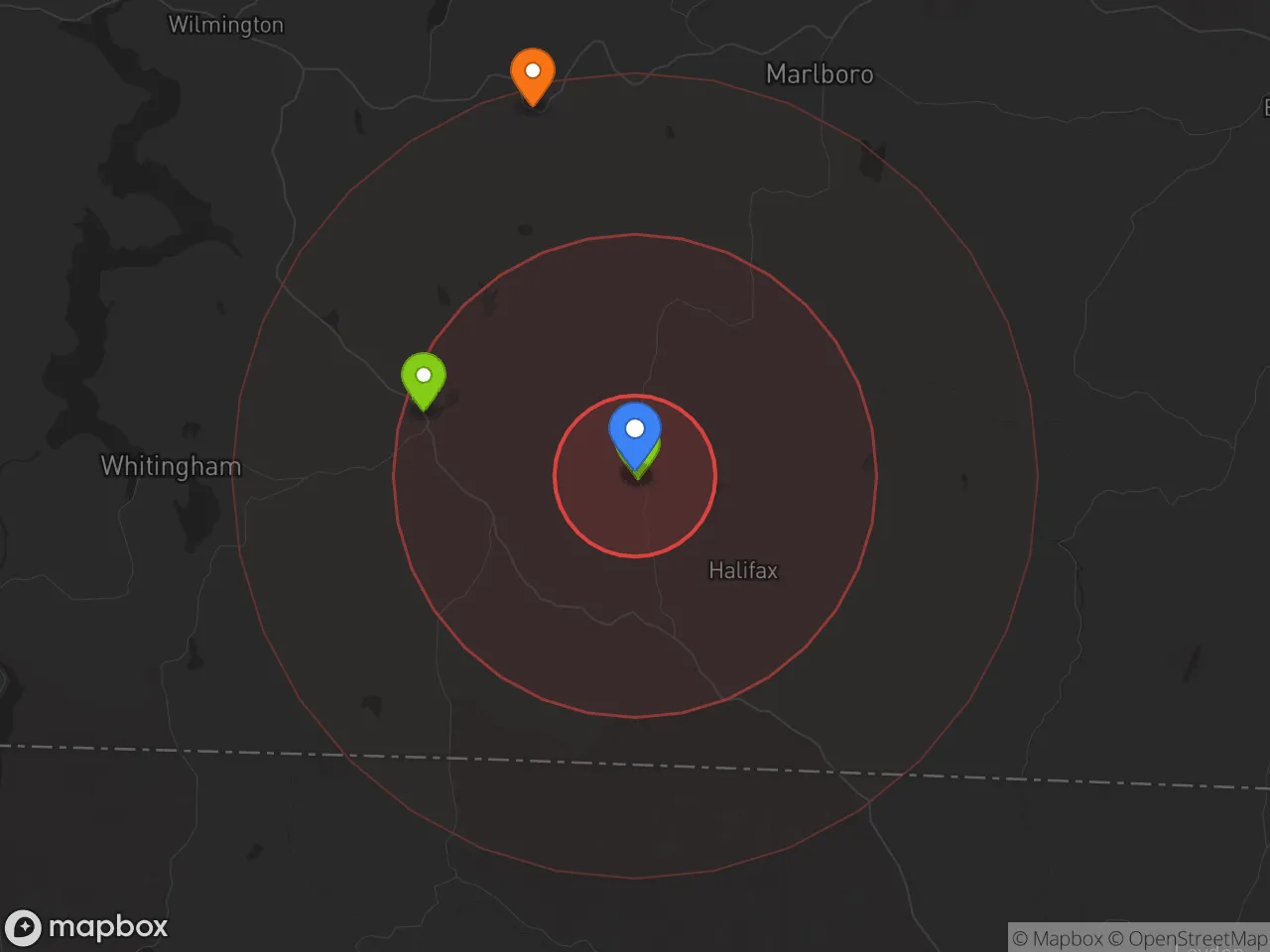
Limited data for this area
Limited data for this area
Hobbies
Explore the areaGroceries
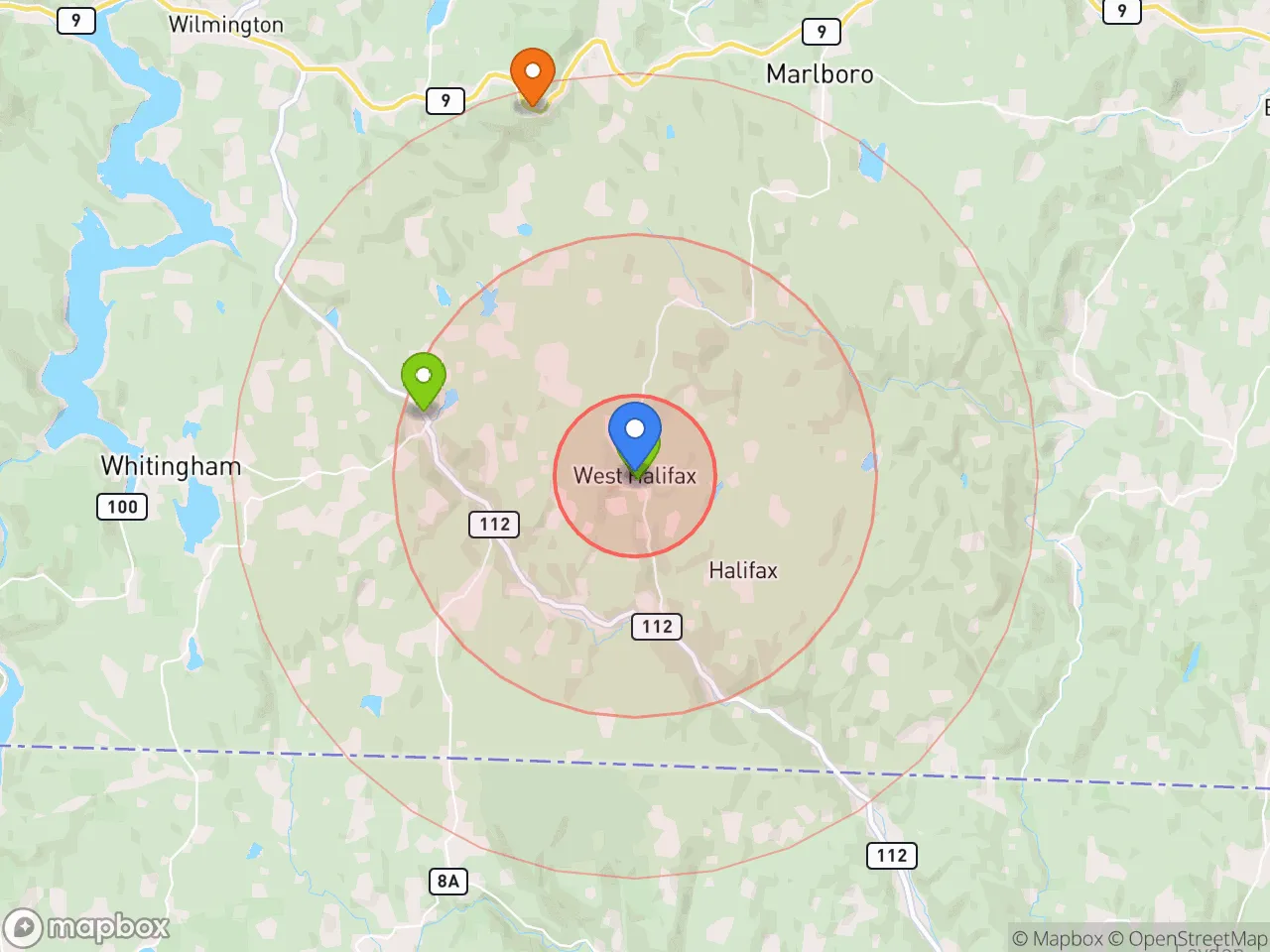
1 within 10 miles
Gas
7 within 10 miles
Hospital
5 within 20 miles
Airport
PDX — Portland International Jetport
Post Office
USPS — 2939 Route 100, Jacksonville
Critical Amenities
Quality-of-Life Analysis
Halifax, Vermont, presents a quality of life defined by rural tranquility and relative affordability, attracting a mix of retirees, remote workers, and families seeking space and lower costs. With a cost of living index of 92 (8% below the U.S. average), the town offers a financial buffer rare in southern Vermont, drawing residents who prioritize land, privacy, and a slower pace over urban convenience. The population skews older and more established, with a notable share of second-home owners and long-term locals, creating a community that values self-sufficiency and neighborly connection.
Cost of living, housing, and affordability compared to nearby towns
Halifax’s housing market is a key draw, with a median home value of $261,500 — significantly lower than the Vermont state median of roughly $300,000 and far below neighboring Massachusetts towns like Greenfield ($310,000) or Shelburne Falls ($350,000). Median rent sits at $1,056, making it one of the more affordable rental markets in Windham County. However, the trade-off is a limited housing stock: most homes are older single-family houses on large lots, with few apartments or new developments. The average commute of 22 minutes is manageable, with most residents driving to Brattleboro (20 minutes north) or into Franklin County, Massachusetts, for work. Property taxes in Vermont are among the highest in the nation, but Halifax’s lower home values keep annual bills moderate compared to pricier towns like Wilmington or Marlboro.
Schools, amenities, and the daily rhythm of life
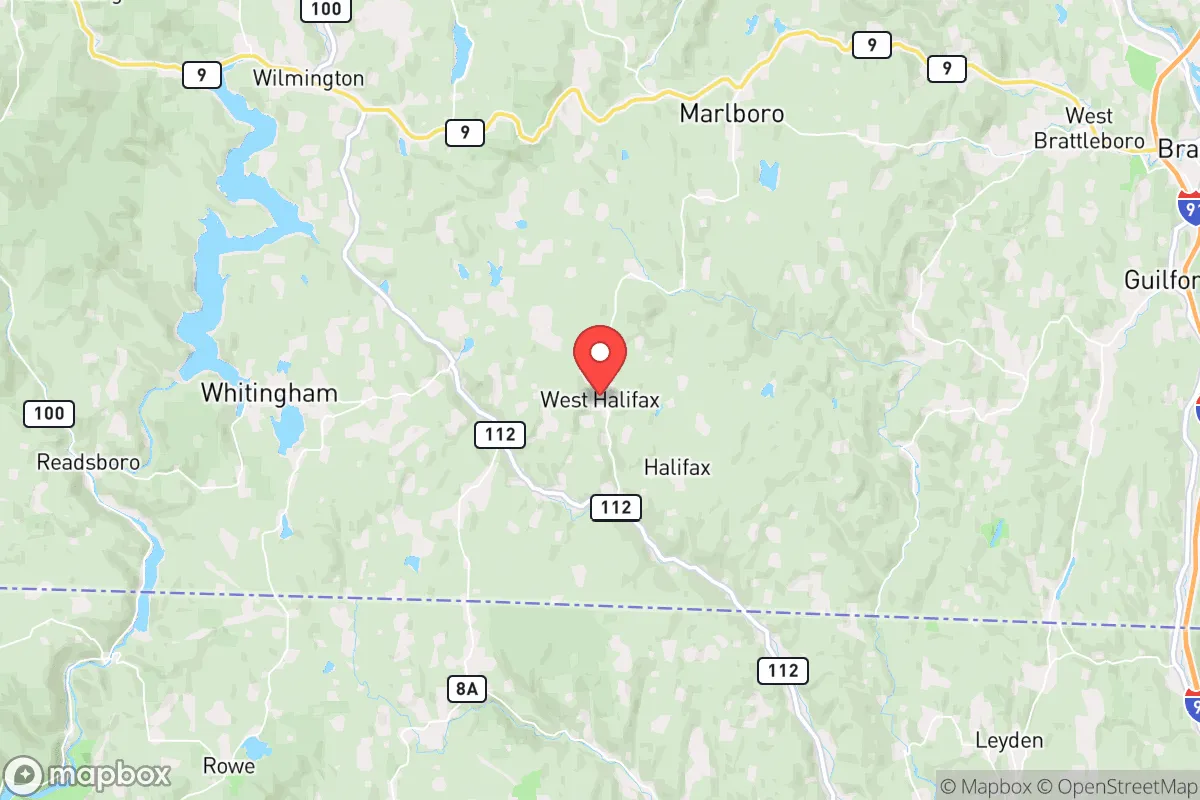
Halifax has no town center or grocery store; daily errands require a drive to nearby Wilmington (10 minutes) or Brattleboro (20 minutes). The town is served by the Windham Southeast School District, with elementary students attending Halifax School (a small K-6 school with about 60 students) and older children bused to Brattleboro Union High School. For amenities, residents rely on the Halifax Community Library, the town’s recreation field, and access to the Green Mountain National Forest for hiking, hunting, and snowmobiling. Dining and shopping are minimal — the nearest sit-down restaurant is in Wilmington — but the lack of commercial bustle is precisely what draws those seeking quiet. Internet access has improved in recent years, with fiber-optic service now available in parts of town, supporting remote workers who make up a growing share of the population.
Who thrives in Halifax, Vermont
Halifax is best suited for people who value space, privacy, and outdoor recreation over walkability or nightlife. Retirees on fixed incomes benefit from the low cost of living, while remote workers and artists find the quiet and affordable housing conducive to focused lifestyles. Families should be prepared for long school bus rides and limited after-school activities, though the low crime rate and strong sense of community are major pluses. Those who need frequent access to hospitals, major shopping, or cultural venues will find the 20-minute drive to Brattleboro or 45-minute drive to Keene, New Hampshire, a reasonable compromise. In short, Halifax rewards self-reliance and a love for the outdoors, making it a hidden gem for those who can adapt to its rural rhythms.

Crime in Halifax, VT
Generally safer than 71% of comparable U.S. locations.
Violent CrimeViolent Crime Analysis
Property CrimeProperty Crime Analysis
Crime Analysis
Halifax, Vermont, presents a mixed safety profile that requires careful consideration, particularly for those relocating from areas with stricter law enforcement environments. The town's violent crime rate of 216.7 incidents per 100,000 residents is notably lower than the national average, but its property crime rate of 1,438.3 per 100,000 exceeds both state and national benchmarks, signaling a tangible risk for residents. This combination of relatively low violent crime but elevated property crime places Halifax in a category where residents must be vigilant about theft and vandalism, even as they enjoy a generally safe community atmosphere.
Crime in context
When compared to broader trends, Halifax's violent crime rate is approximately 38% lower than the U.S. average, aligning with Vermont's reputation as a low-violence state. However, the property crime rate tells a different story: it is roughly 15% higher than the national average and significantly above Vermont's statewide rate of about 1,100 per 100,000. This disparity suggests that while violent confrontations are rare, property offenses—including burglary, larceny, and motor vehicle theft—are a persistent concern. The town's proximity to the Massachusetts border and its rural character may contribute to these patterns, as transient populations and limited law enforcement coverage can create opportunities for property crime.
What residents experience
Daily life in Halifax for most residents involves a low risk of violent victimization, but property crime is a recurring theme in community discussions. Residents commonly report incidents of theft from vehicles, shed break-ins, and occasional home burglaries, particularly in more isolated areas. The town's small population (under 800) means that many crimes are committed by individuals known to victims or by those passing through, rather than by organized groups. For families and retirees, the primary safety concern is securing personal property rather than personal safety. Local law enforcement, provided by the Vermont State Police and the Windham County Sheriff's Office, responds to calls but has limited proactive presence due to the town's rural geography.
Neighborhood-level variation in Halifax is modest but notable. Properties along main roads like Route 112 and those near the town center experience slightly higher property crime rates due to easier access and visibility. In contrast, homes on dead-end roads or deep in the woods report fewer incidents, though they face longer emergency response times. The town lacks a formal neighborhood watch program, but informal networks among long-term residents help mitigate risks. For newcomers, particularly those moving from urban areas, the adjustment involves accepting a higher baseline of property crime while enjoying the peace of a low-violence environment. Prospective residents should prioritize home security measures—such as outdoor lighting, alarm systems, and secure storage for vehicles and equipment—to align with local realities.
* Values derived from national, state, county, city and local statistics and may differ in a specific area. Last updated: 2026-10-17T00:28:32.000Z
Narrative content on this page is AI-generated and may contain mistakes. Verify any details that matter before acting on them.
ReloMaps may earn a commission from affiliate links at no extra cost to you.

