Photo: Wikipedia
Find The Best Places To Live
in Haiku
PRO TIP! You can paste a Zillow or Redfin link to get info on that property.
What It's Like Living in Haiku, HI
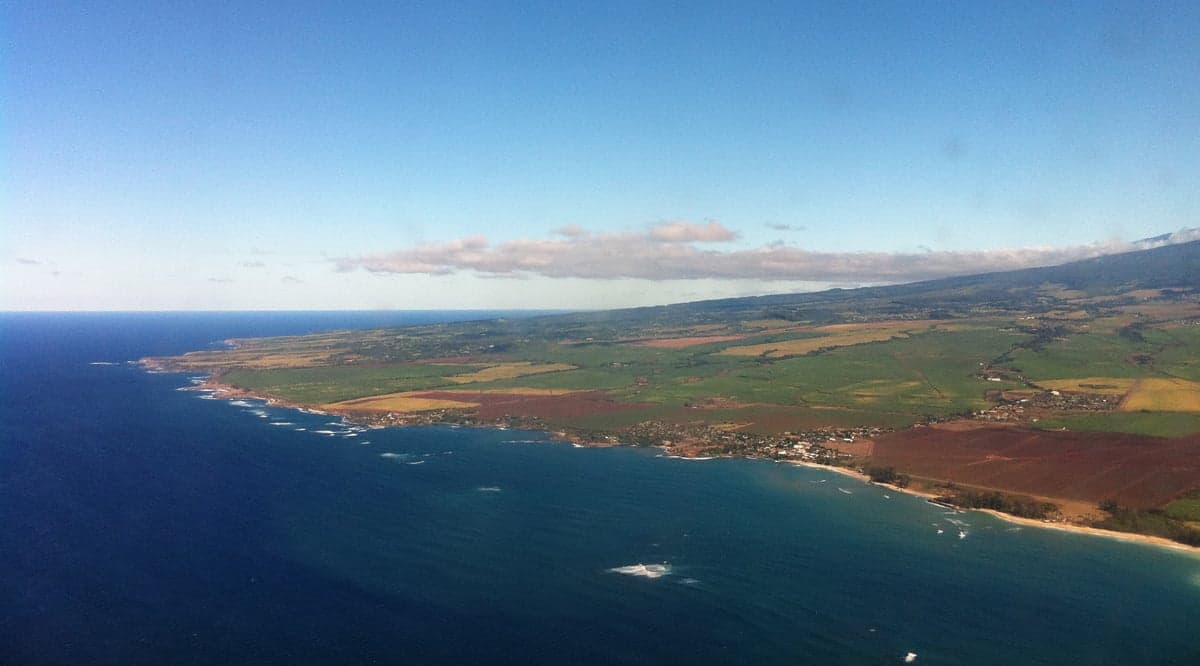
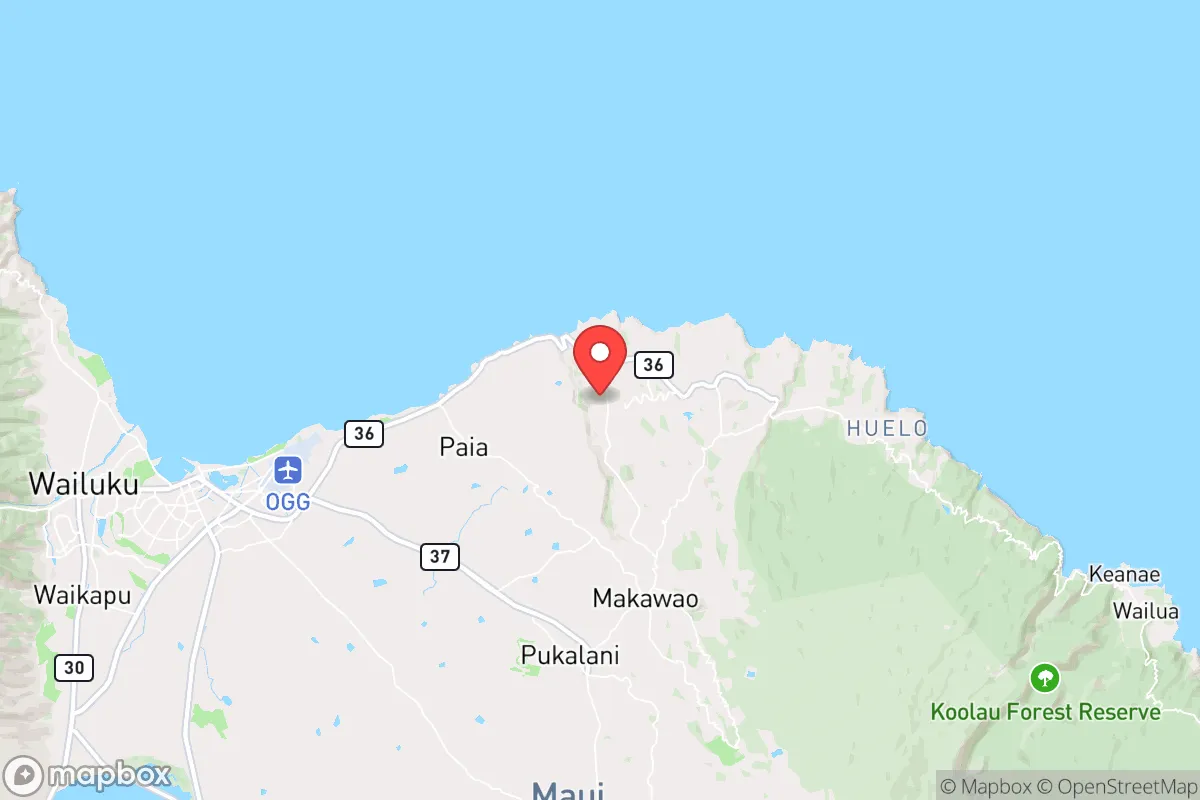
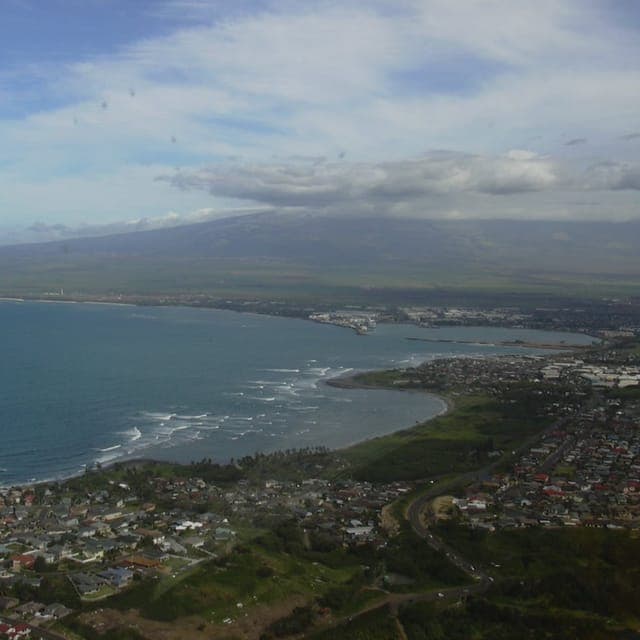
Haiku, on Maui's lush north shore, feels less like a tourist postcard and more like a working town that happens to be surrounded by rainforest. It’s not a resort strip; it’s where people who actually live on Maui go to shop, eat plate lunches, and raise kids, all under a near-constant canopy of ironwood trees and macadamia nut orchards. The vibe is quieter and more locally oriented than beachfront Kihei or resort-heavy Wailea, attracting a mix of long-time farming families, remote workers, and younger couples who’ve accepted a 33-minute average commute in exchange for space and rain.
The Daily Rhythm: Rain, Plate Lunches, and a Slow Pace
Morning in Haiku often starts with a steady drizzle—the area gets serious rainfall, which keeps everything impossibly green and fuels the local farms and gardens. You’ll see people grabbing coffee and a crackseed snack at Haiku General Store or lining up for teriyaki chicken plates at Da Kitchen, a local legend for massive, affordable portions. Weekends revolve around Haiku Farmers Market on Saturdays, where you can stock up on local honey, lilikoi, and fresh produce from the same families who’ve worked these slopes for generations. Evenings are low-key; you’ll find locals at Colleen’s at the Cannery for a glass of wine or a burger, or hitting the Haiku Grocery Store for essentials. There are no big-box chains or mall culture here—it’s a town of small shops, food trucks, and a deep appreciation for not leaving your neighborhood.
Who Fits In: Work, Money, and Mindset
Haiku isn’t for everyone, and that’s by design. The median age here is 38.5, and the median household income sits at $99,520—comfortable but not extravagant by Maui’s high-cost standards. The $1,019,400 median home value and a cost of living index of 265 (nearly three times the national average) mean most residents are either long-established homeowners or new arrivals working remotely for mainland companies. College-educated residents make up 31.4% of the population, reflecting a growing cohort of remote workers who chose rain over crowds. The people who thrive here tend to be self-reliant, comfortable with mud and mildew, and willing to drive 30 minutes to a Costco or a movie theater. You won’t find nightlife or career ladders; you’ll find gardening, surfing breaks like Ho’okipa, and a community that values privacy over social climbing.
Sports, High School Pride, and Outdoor Obsessions
High school sports are the main event. King Kekaulike High School in nearby Pukalani draws Haiku families for Friday night football and volleyball games, and the local community turns out with real energy—booster clubs, halftime food trucks, and a small-town pride that feels authentic. There’s no professional sports team on Maui, but the island’s deep sports culture centers on ocean sports: paddleboarding, outrigger canoeing, and especially windsurfing and kiteboarding at nearby Kanaha Beach Park. The Maui Marathon and the Maui Nui First Wind Festival bring seasonal crowds, but Haiku itself stays out of the fray. For the outdoor crowd, Makawao Forest Reserve offers mountain biking and hiking trails through eucalyptus groves—a weekend staple for many families.
What Life Here Actually Costs: The Honest Trade-offs
The appeal of Haiku is raw nature and a sense of escape, but the trade-offs are real and should be considered seriously.
- Pros: You’re surrounded by working farms, quiet roads, and genuine local character—no resort crowds or time-share energy. The violent crime rate of 215.2 per 100,000 is slightly above the national average, but most incidents are property-related, and residents commonly say they leave doors unlocked. The schools—Haiku Elementary and King Kekaulike High—are deeply embedded in community life, with strong parental involvement.
- Cons: The rain is real and relentless; expect mold, slippery roads, and a constant dampness that can wear on newcomers. The 33-minute average commute to Kahului or Wailuku can stretch to 45+ during school drop-off or when traffic backs up at the Baldwin Avenue bottleneck. And the cost of living is a shocker—even with a six-figure income, that 265 index means a mainland family on $50,000 would need to earn roughly $132,000 here to maintain the same lifestyle. Rentals are scarce and often go to word-of-mouth.
Cultural Rhythm and Local Quirks
Haiku has a distinct identity shaped by its plantation history and a deep, unspoken code of respect. You’ll see “Aunty” and “Uncle” used as sincere terms of address, and boat parking or beach access is often regulated more by local etiquette than by painted lines. The biggest annual event is Haiku Ho‘olaulea, a community street fair with live music, local food, and crafts—it’s the one day the town feels like a real downtown. The humor here is dry, the pace is slow, and the biggest local complaint is tourists driving too fast on the winding Haiku Road. If you want a manicured lawn and a neighbor who waves every time, this isn’t it. But if you’re okay with a muddy driveway and a deep sense of place, Haiku is one of the few Maui towns that still feels like it belongs to the people who live there.

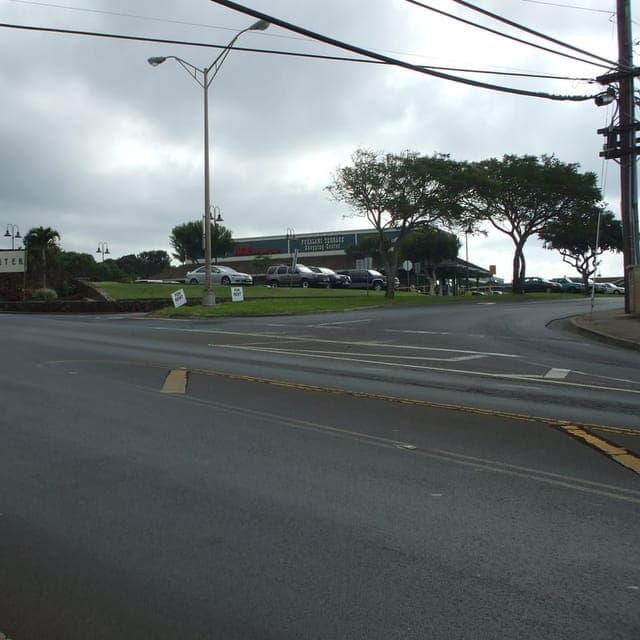
Similar small towns to Haiku

* Values derived from national, state, county, city and local statistics and may differ in a specific area. Last updated: 2026-06-29T22:52:27.000Z
Narrative content on this page is AI-generated and may contain mistakes. Verify any details that matter before acting on them.
ReloMaps may earn a commission from affiliate links at no extra cost to you.

