
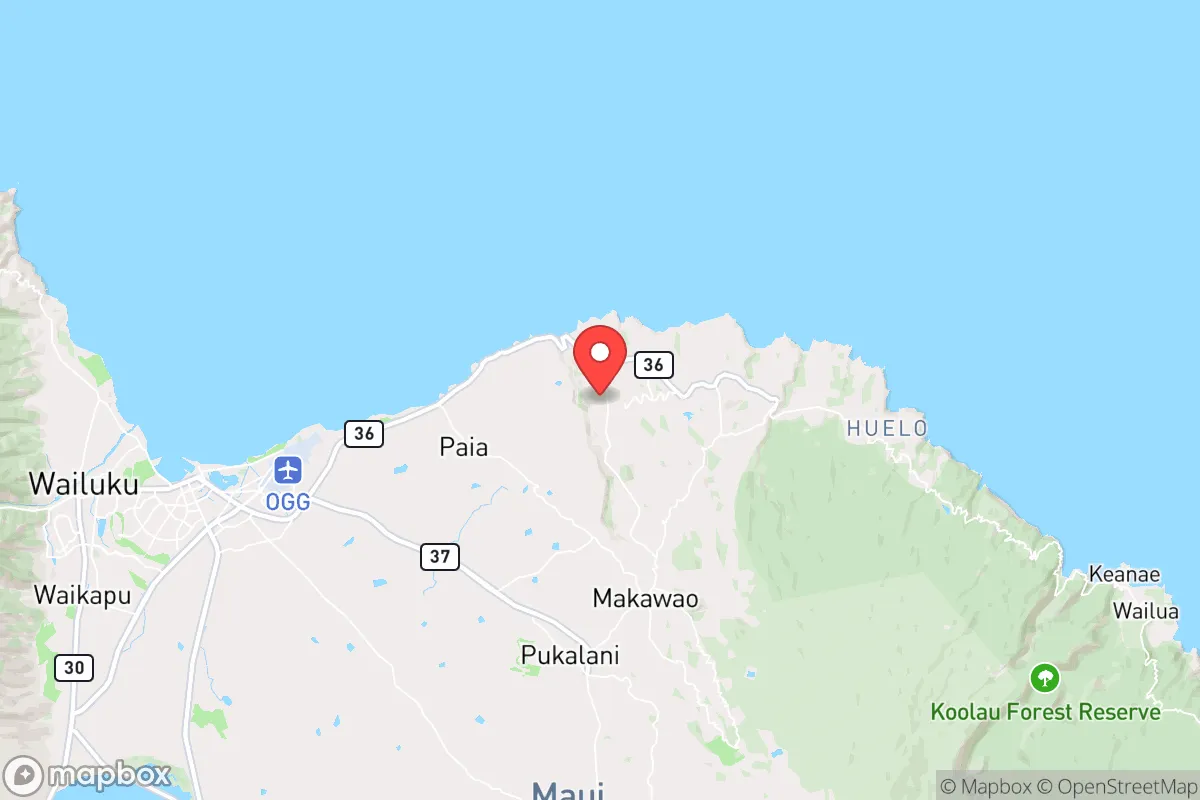
Photo: Wikipedia
Quality of Life in Haiku, HI
A high quality of life with strong walkability, manageable living costs, healthy neighborhood signals, and solid amenity access.
What does Quality of Life tell us?
Quality of Life blends cost of living, nearby amenities, socioeconomic signals, and neighborhood character. City-level scores represent the whole municipality; individual neighborhoods can differ.
What does this tell us?
Quality of Life blends cost of living, nearby amenities, socioeconomic signals, and neighborhood character. City-level scores represent the whole municipality; individual neighborhoods can differ.
Cost of Living
165% above national average
The Real Cost of Living in Haiku, HI for 2026
| Tier | Individual | Family (4) |
|---|---|---|
| Survival | $36k | $67k |
| Comfortable | $101k | $148k |
| Luxury | $148k+ | $229k+ |
| Elite (Top 5%) | $174k+ | $270k+ |
67%
The Area Signal
A metric tracking the socioeconomic signals of the area.
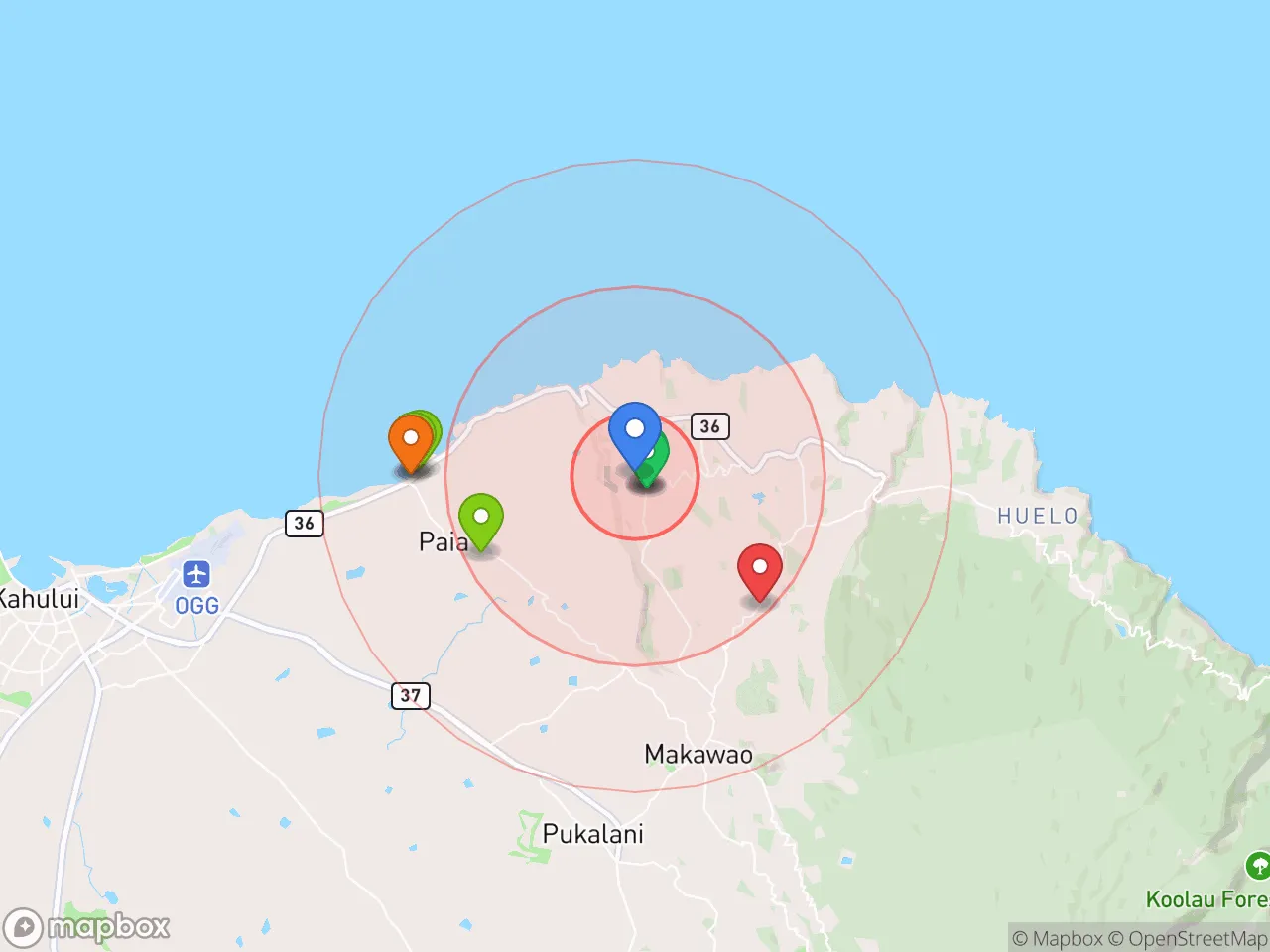
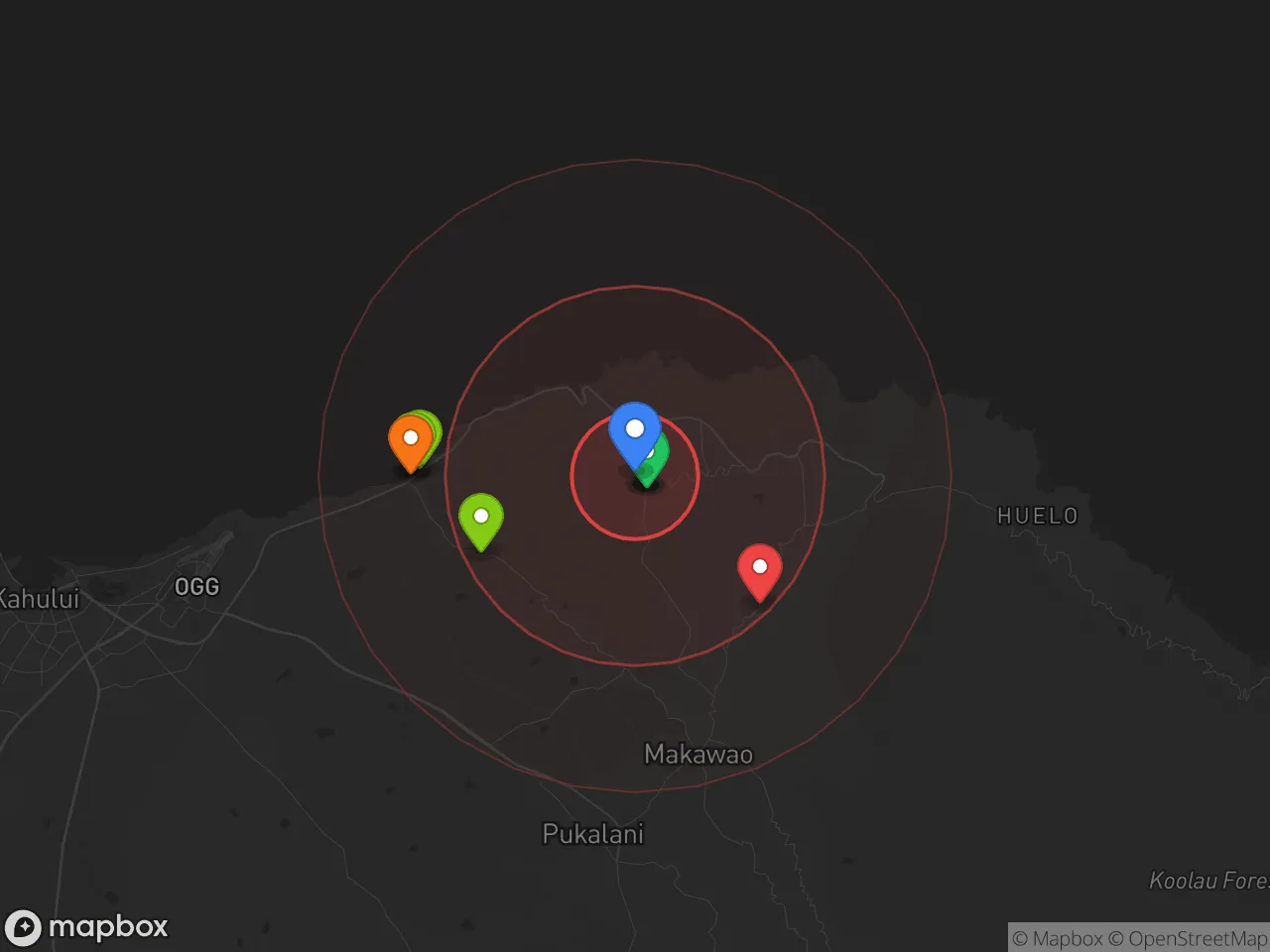
Hobbies
Explore the areaGroceries
4 within 10 miles
Gas
14 within 10 miles
Hospital
2 within 20 miles
Airport
Daniel K. Inouye International Airport
Post Office
USPS — Haiku, HI
Critical Amenities
Quality-of-Life Analysis
Haiku, Hawaii, on Maui’s north shore, is an affluent, rural enclave where the cost of living index of 265 (more than 2.5 times the U.S. average) reflects a community of professionals, remote workers, and retirees who prioritize lush, private surroundings over urban convenience. The area attracts those who can afford a premium for seclusion and natural beauty, with a median household income well above the state average. Life here is defined by a slower pace, dense tropical foliage, and a strong sense of local community, though the trade-off includes limited commercial services and a significant commute for work and shopping.
Cost of living, housing, and affordability compared to Paia and Kahului
Haiku’s cost of living is among the highest on Maui, driven almost entirely by housing. The median home value sits at $1,019,400, roughly 30% higher than in nearby Paia and more than double the median in Kahului. Rents are also steep, with a median of $2,341 per month, though this is slightly below Paia’s average due to Haiku’s older, less renovated rental stock. Compared to Kahului, Haiku rents are about 15% higher, reflecting the premium for north shore living. Groceries, utilities, and transportation all run above national averages, but housing remains the primary barrier: a household needs an annual income of roughly $200,000 to comfortably afford a median-priced home here. For renters, the 30% affordability threshold requires a monthly income of about $7,800. The trade-off for these costs is significantly more land — most homes sit on one to three acres — and far greater privacy than in Maui’s more densely populated central valley.
What daily life is like for families: schools, amenities, and commute realities
Daily life in Haiku centers on outdoor activities and a tight-knit community. The area has no major grocery store or shopping center; residents drive 15–20 minutes to Paia for basic supplies or 30–40 minutes to Kahului for full-service supermarkets, big-box retailers, and medical facilities. The average commute time of 33.3 minutes reflects this reliance on the Hana Highway, a winding two-lane road that can be slow during tourist hours and after heavy rain. Schools are limited: Haiku Elementary serves the community well, but middle and high school students commute to King Kekaulike High in Pukalani or Seabury Hall in Makawao. Private school options are concentrated in Upcountry and central Maui. For families, the rhythm of life involves careful trip planning, a strong reliance on home-based activities, and deep engagement with local events like the Haiku Farmers Market and community work days. Internet access has improved significantly since 2020, with fiber-optic service now available in most neighborhoods, supporting the area’s growing remote-work population.
Haiku is best suited for families and individuals who value privacy, space, and nature over walkability and convenience. Those who thrive here are self-sufficient, comfortable with a long commute, and able to absorb the high housing costs. Retirees and remote workers with stable, above-average incomes will find the trade-offs worthwhile, while budget-conscious renters or families needing frequent access to schools and services may prefer Kahului or Wailuku.

Crime in Haiku, HI
Generally safer than 62% of comparable U.S. locations.
Violent CrimeViolent Crime Analysis
Property CrimeProperty Crime Analysis
Crime Analysis
Haiku, located on Maui’s North Shore, presents a safety profile that is notably better than the national average for violent crime but falls short of the state average, while property crime rates are elevated compared to both benchmarks. With a violent crime rate of 215.2 per 100,000 residents and a property crime rate of 1,681.2 per 100,000, the community faces a landscape where non-violent theft and break-ins are the primary concerns. The town’s rural character and distance from Maui’s main tourist corridors provide a degree of isolation, but that same remoteness can also mean slower police response times and fewer visible patrols.
Crime in context
Haiku’s violent crime rate is roughly 40% lower than the national average of about 380 per 100,000, but it is elevated compared to Hawaii’s statewide average of roughly 170 per 100,000. Property crime, however, is a more pressing issue. The rate of 1,681.2 per 100,000 is significantly higher than both the national average (~1,950 per 100,000) and the state average (~2,300 per 100,000), though it falls below the latter. This suggests that while Haiku is not a high-crime area by national standards, theft and vandalism are more common here than in many other Hawaii communities. Maui County, which includes Haiku, has seen property crime rates fluctuate in recent years, driven largely by vehicle break-ins and package thefts targeting homes on winding, secluded roads.
What residents experience
Daily life in Haiku is generally peaceful, with most residents feeling secure walking their neighborhoods or enjoying the area’s hiking trails and beaches during daylight hours. However, property crime—particularly theft from vehicles, burglaries of unoccupied homes, and package theft—is the most frequently reported issue. Residents often use security cameras, motion-sensor lights, and community watch groups to mitigate risks. The broader Maui County criminal justice system, including the Office of the Prosecuting Attorney, operates under a state-level framework that has increasingly emphasized diversion programs and restorative justice. Critics argue that progressive prosecutorial policies and lenient judges in Hawaii have contributed to property crime persistence by reducing consequences for repeat offenders, which can frustrate crime victims and undermine public confidence in the system. Visitors should secure valuables and avoid leaving vehicles unlocked, especially at popular trailheads like the Haiku Ho’olaule’a or Ho’okipa Beach Park.
Neighborhood-level variation
Crime is not uniform across Haiku. Lower Haiku, closer to Paia and the coast, sees more transient activity and vehicle break-ins near tourist-visited spots. Upper Haiku, deeper into the upcountry residential area, tends to experience fewer property crimes but may face longer emergency response times due to winding, unpaved roads. Gated communities and homes with active neighborhood watch programs report significantly fewer incidents. For those considering relocation, proximity to the main Hana Highway and rural isolation should be weighed against property crime risk.
* Values derived from national, state, county, city and local statistics and may differ in a specific area. Last updated: 2026-06-29T22:52:27.000Z
Narrative content on this page is AI-generated and may contain mistakes. Verify any details that matter before acting on them.
ReloMaps may earn a commission from affiliate links at no extra cost to you.

