Photo: Wikipedia
Demographics of Haiku, HI
Affluence Level in Haiku, HI
An upper-middle-class area. Household wealth, education levels, and homeownership run ahead of national benchmarks.
People of Haiku, HI
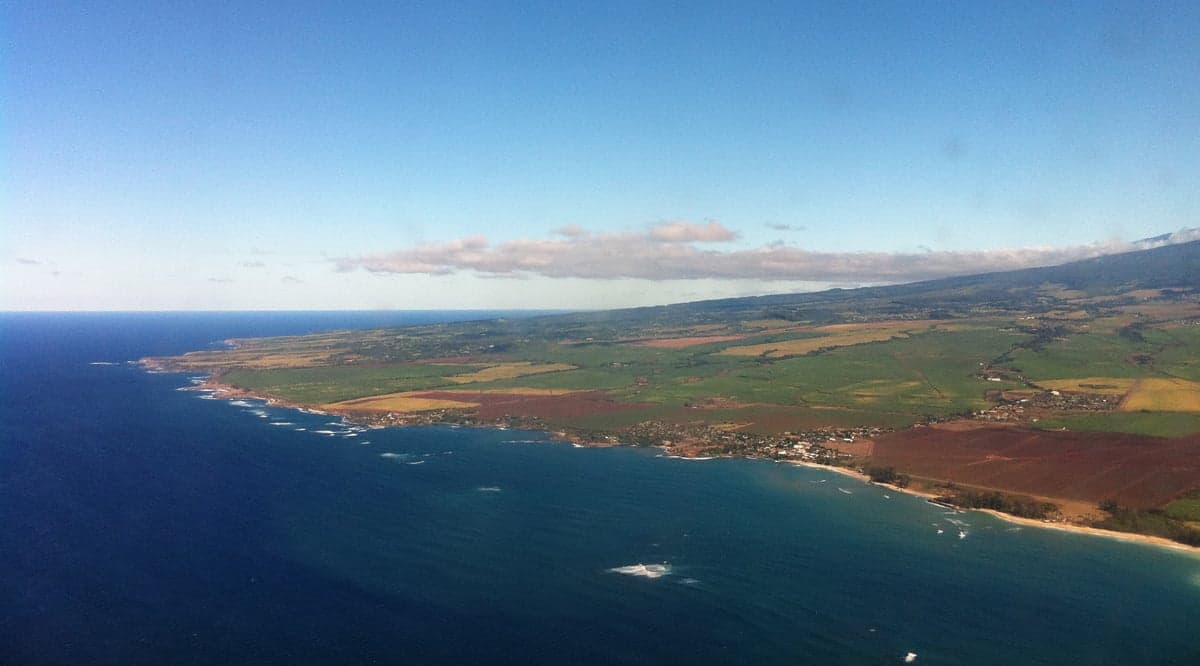
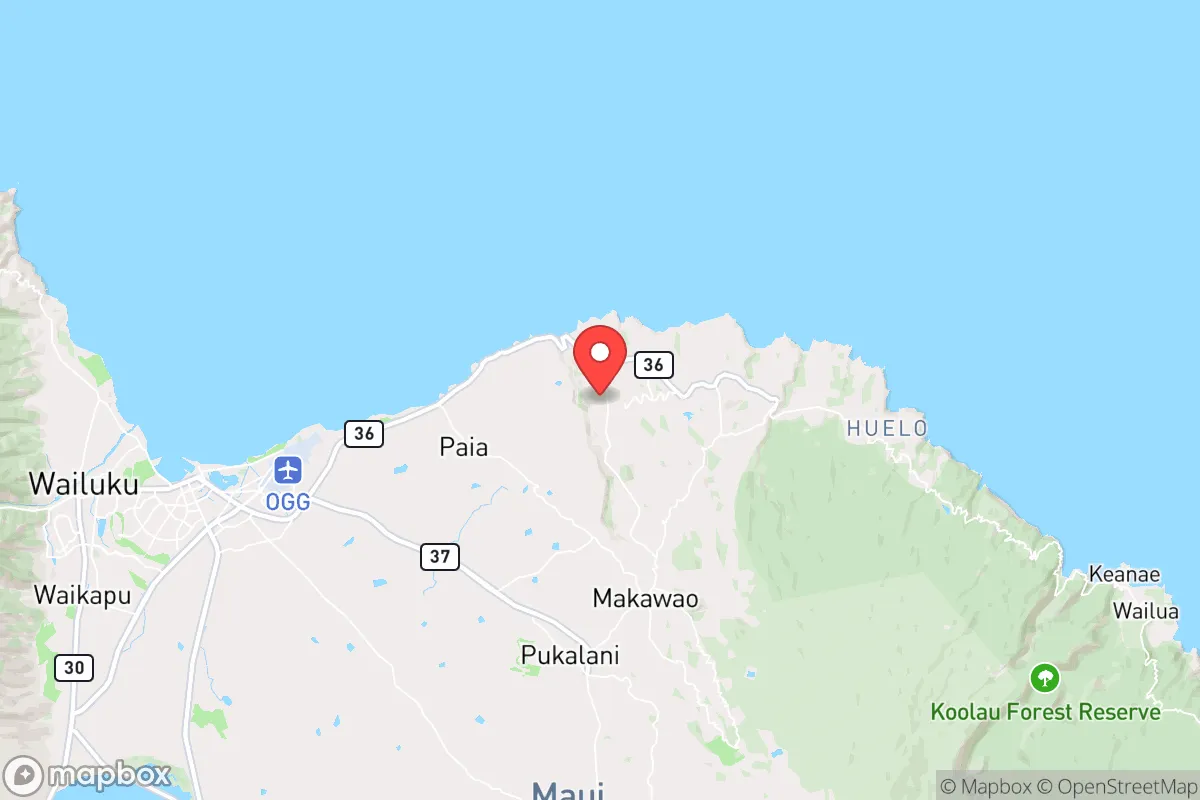
The people of Haiku, Hawaii, today number roughly 9,290, forming a semi-rural community on Maui’s north shore that blends agricultural roots with a growing residential population. The area is notably less diverse than the state average, with a population that is 51.6% White, 11.8% Hispanic, and 8.4% East/Southeast Asian, while 6.6% of residents are foreign-born. Haiku retains a distinctive identity as a quieter, more spread-out alternative to central Maui, attracting those seeking space and a slower pace of life. Its character is defined by a mix of longtime local families, newer mainland transplants, and a small but established agricultural community.
How the city was settled and grew
Haiku’s human history begins with Native Hawaiians, who cultivated taro and sweet potato in the fertile gulches and along the streams that still cut through the area. The name “Haiku” itself refers to a type of wind, reflecting the area’s breezy climate. In the 19th century, the arrival of sugar plantations transformed the region. The Haiku Sugar Mill, established in the 1860s, drew waves of immigrant laborers, primarily from Japan and China, who settled in clusters near the mill and along what is now Haiku Road. These early plantation workers formed the core of the Haiku-Pauwela area, where remnants of plantation-era housing and community halls can still be found. By the early 20th century, the sugar industry declined, and many families shifted to diversified agriculture, including pineapple and later flower farming. The neighborhoods of Haiku Uka (upper Haiku) and Haiku Kai (lower Haiku) emerged as distinct zones, with the former becoming more residential and the latter retaining a stronger agricultural character.
Modern era (post-1965)
The post-1965 period brought significant demographic change, driven largely by domestic in-migration from the U.S. mainland. The 1960s and 1970s saw an influx of counterculture seekers and back-to-the-land enthusiasts, many of whom were White, who purchased inexpensive agricultural lots in areas like Kokomo and Haiku-Pauwela. This wave reshaped Haiku’s population, shifting it from a predominantly Asian and Native Hawaiian base toward a more White-majority composition. The 1980s and 1990s accelerated this trend as Maui’s tourism economy boomed, drawing professionals and retirees seeking a rural lifestyle within commuting distance of Kahului and Wailuku. Newer subdivisions, such as those off Kokomo Road and Haiku Road, absorbed many of these arrivals. The Hispanic population, now 11.8%, grew more recently, largely through labor migration tied to construction, landscaping, and service industries, with families settling in more affordable rental pockets near Haiku-Pauwela and along the lower stretches of Haiku Road. The East/Southeast Asian population, at 8.4%, is largely composed of descendants of the original plantation-era Japanese and Chinese families, many of whom have remained in the Haiku Uka area, though some younger generations have moved to central Maui for employment.
The future
Haiku’s population is projected to continue growing slowly, driven by ongoing mainland migration and limited new housing development. The area is becoming slightly more diverse, with the Hispanic share expected to rise modestly as service-sector employment expands, while the White majority may shrink incrementally as housing costs push some lower-income residents out. New residential clusters are likely to concentrate along Haiku Road and in infill lots near Kokomo, as these areas offer the most available land for single-family homes. The cultural identity of Haiku is evolving from its plantation-era roots toward a more homogenized rural-suburban character, with fewer distinct ethnic enclaves and more of a general “country Maui” identity. The Native Hawaiian population, while not captured in the provided data, remains a visible presence in the Haiku-Pauwela area, though its share is declining due to out-migration to less expensive parts of the state.
For someone moving in now, Haiku offers a quiet, semi-rural environment with a population that is predominantly White and increasingly mainland-oriented, but with a meaningful Hispanic and Asian minority. The area is becoming less distinctively plantation-era and more of a bedroom community for central Maui workers, with a cultural identity that blends agricultural heritage with a modern, outdoorsy lifestyle. New arrivals should expect a community that values privacy and space, with limited commercial development and a strong sense of local independence.

* Values derived from national, state, county, city and local statistics and may differ in a specific area. Last updated: 2026-06-29T22:52:27.000Z
Narrative content on this page is AI-generated and may contain mistakes. Verify any details that matter before acting on them.
ReloMaps may earn a commission from affiliate links at no extra cost to you.

