Photo: Wikipedia
Find The Best Places To Live
in Guilford
PRO TIP! You can paste a Zillow or Redfin link to get info on that property.
What It's Like Living in Guilford, CT
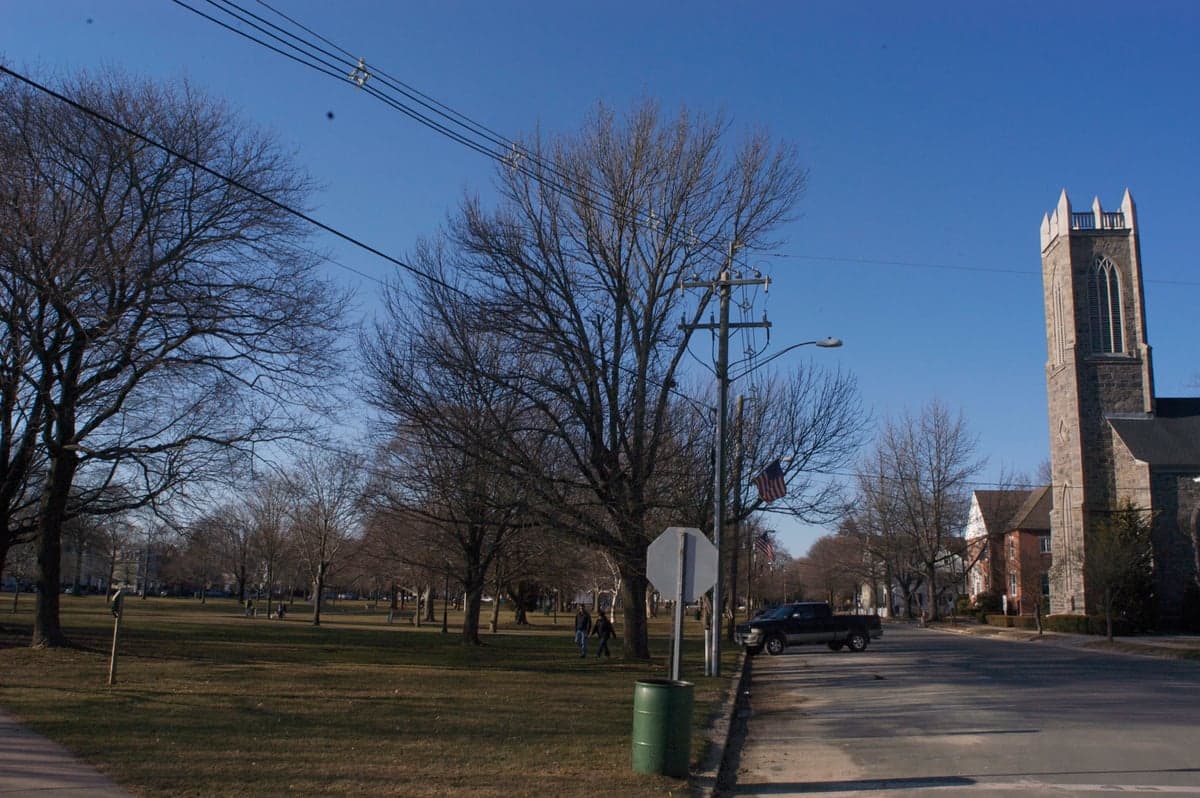
Guilford, Connecticut, often flies under the radar, a small shoreline town that feels more like a well-kept secret than a bustling suburb. With a population just over 2,200, it’s the kind of place where the town green is the social hub, the local coffee shop knows your order, and the biggest decision on a Saturday might be whether to hit the beach or the hiking trails. It’s quiet, it’s pretty, and it’s unapologetically mature, with a median age of 54.3 that tells you this isn’t a town built around nightlife or college crowds.
The Daily Rhythm: Quiet Mornings and Shoreline Evenings
Life in Guilford moves at a deliberate, unhurried pace. The average commute clocks in at just under 24 minutes, which is a genuine gift in Connecticut, where many residents brace for hour-long slogs on I-95. That short drive means more time for the things that matter: a walk on the Guilford Town Green, a stop at Bishop’s Orchard for apples and cider donuts in the fall, or an afternoon at Jacobs Beach. The town’s identity is deeply tied to its historic district, with its 17th-century homes and the iconic Henry Whitfield State Museum, but daily life is practical. People shop at the Guilford Food Center, grab a bite at the Guilford Mooring for classic seafood, or meet friends at the local Starbucks or the newer coffee spots that have popped up near the town center. The vibe is decidedly “empty nester” and “young family,” with a median income of $80,000 supporting a comfortable, if not extravagant, lifestyle. The cost of living index sits at 170, well above the national average, and the median home value of $586,500 is a serious barrier for entry. This isn’t a place you stumble into; it’s a place you choose, often after years of saving or a career move.
Sports, Seasons, and the Local Hangouts
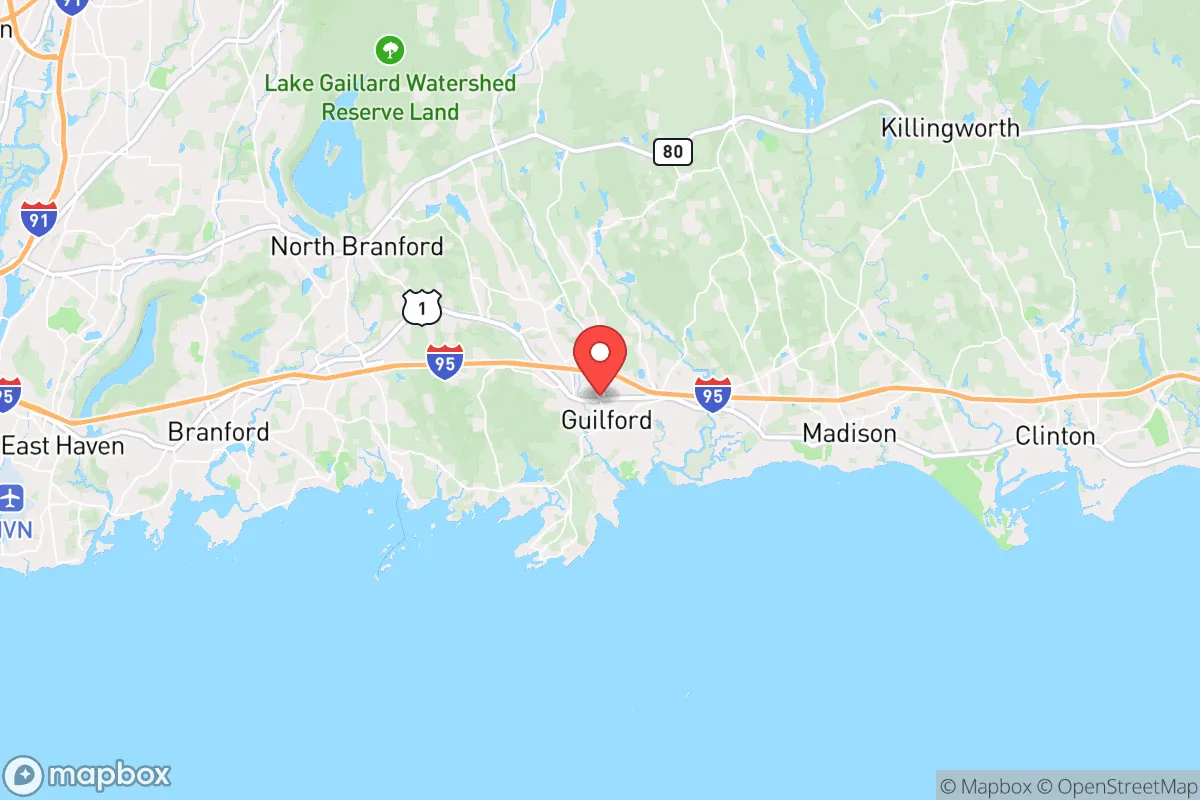
Don’t come to Guilford expecting a Friday night lights frenzy. High school sports are present—Guilford High School fields competitive teams in soccer, lacrosse, and swimming—but they don’t dominate the town’s identity the way they might in a larger, more sports-obsessed suburb. The real energy comes from the outdoors. The town is a gateway to the Connecticut shoreline, and residents spend their weekends at the nearby Hammonasset Beach State Park, kayaking on the Long Island Sound, or hiking the trails at the Guilford Lakes Preserve. The local bar scene is modest: the Guilford Mooring is a reliable spot for a beer and a view of the water, while the more upscale Stone House Restaurant offers a date-night vibe. For live music or a bigger night out, most people drive 15 minutes to New Haven, where the Yale scene brings in touring acts and a far more vibrant restaurant and bar culture. The seasonal rhythm is strong here: fall brings the Guilford Fair, a classic New England agricultural fair with midway rides and fried dough, while summer means beach days and the Guilford Art Center’s annual Craft Expo, which draws crowds from across the region. Winters are quiet, with residents hunkering down for snowstorms that can shut down the town for a day or two.
The Pros and Cons of Shoreline Living
What residents love most is the safety and the pace. The violent crime rate is just 35.8 per 100,000, a fraction of the national average, and that sense of security lets kids ride bikes to the green and lets adults leave doors unlocked. The schools are a major draw, with Guilford Public Schools consistently ranking among the top in the state, which is a huge factor for families willing to pay the premium for a home here. The town’s historic character is genuine, not a marketing gimmick, and the preservation of the green and the old homes gives it a timeless feel that many find deeply appealing. On the flip side, the high cost of living is the most common frustration. With a median home value near $600,000 and limited rental inventory, young professionals and single people often find themselves priced out, forced to look at neighboring towns like Branford or Madison. The lack of nightlife and dining variety is a real trade-off—if you want a late-night taco or a live band on a Tuesday, you’re driving to New Haven. The town’s age skew also means that social opportunities for singles in their 20s and 30s are limited; this is a place built for couples and families, not for the single-and-searching crowd. Traffic is rarely a problem within town, but the nearby I-95 corridor can be a nightmare during summer weekends, when beach traffic backs up for miles.
Who Fits In Here
Guilford is best suited for someone who values quiet, community, and a slower pace over convenience and variety. It’s ideal for families who want top-tier schools and a safe environment, and for retirees who want a beautiful, walkable town center and access to the shore. The 52.3% college-educated population means you’ll find plenty of neighbors with advanced degrees, often working in healthcare, education, or commuting to corporate jobs in New Haven or Hartford. It’s not a place for someone looking for a vibrant singles scene, a diverse food landscape, or a bustling nightlife. It’s a place for people who are okay with driving 15 minutes for a good Thai restaurant, who don’t mind that the local movie theater is a 20-year-old multiplex in the next town over, and who see the high property taxes as the price of living in a well-run, beautiful town. The cultural quirk here is a deep, almost protective pride in the town’s history and quietude—residents don’t want Guilford to become the next trendy hotspot. They like it exactly as it is: a small, safe, expensive, and lovely slice of the Connecticut shoreline.

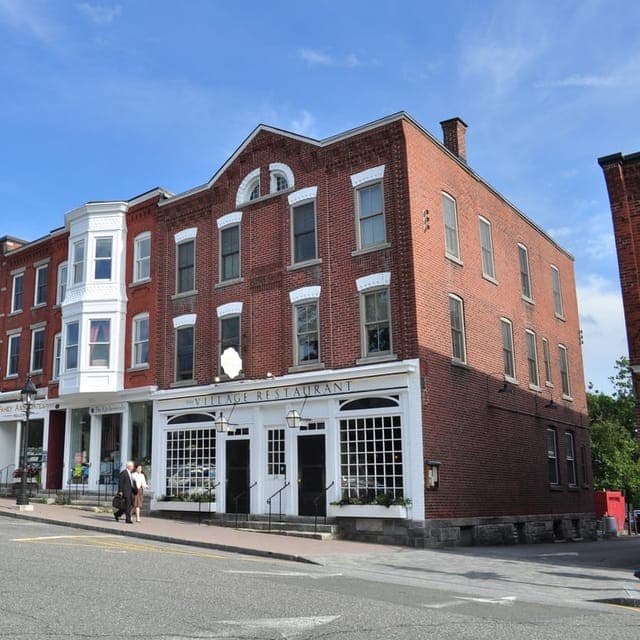
Similar small towns to Guilford


* Values derived from national, state, county, city and local statistics and may differ in a specific area. Last updated: 2026-09-27T19:25:44.000Z
Narrative content on this page is AI-generated and may contain mistakes. Verify any details that matter before acting on them.
ReloMaps may earn a commission from affiliate links at no extra cost to you.

