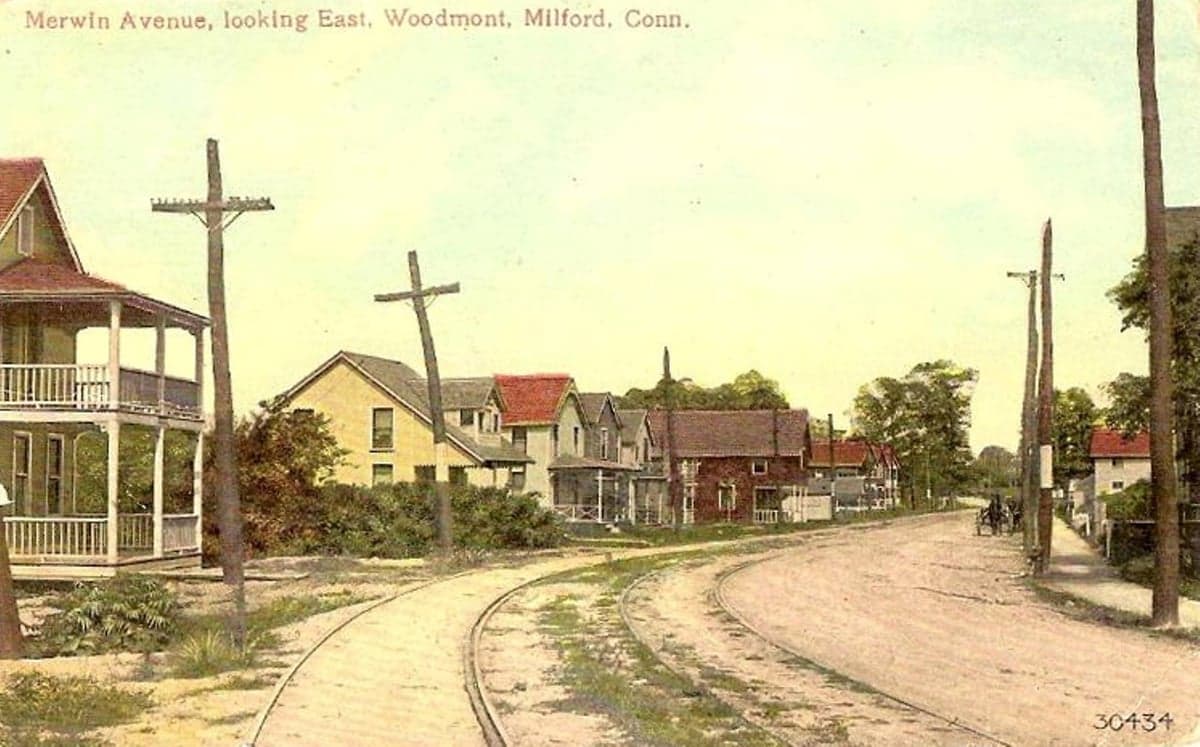
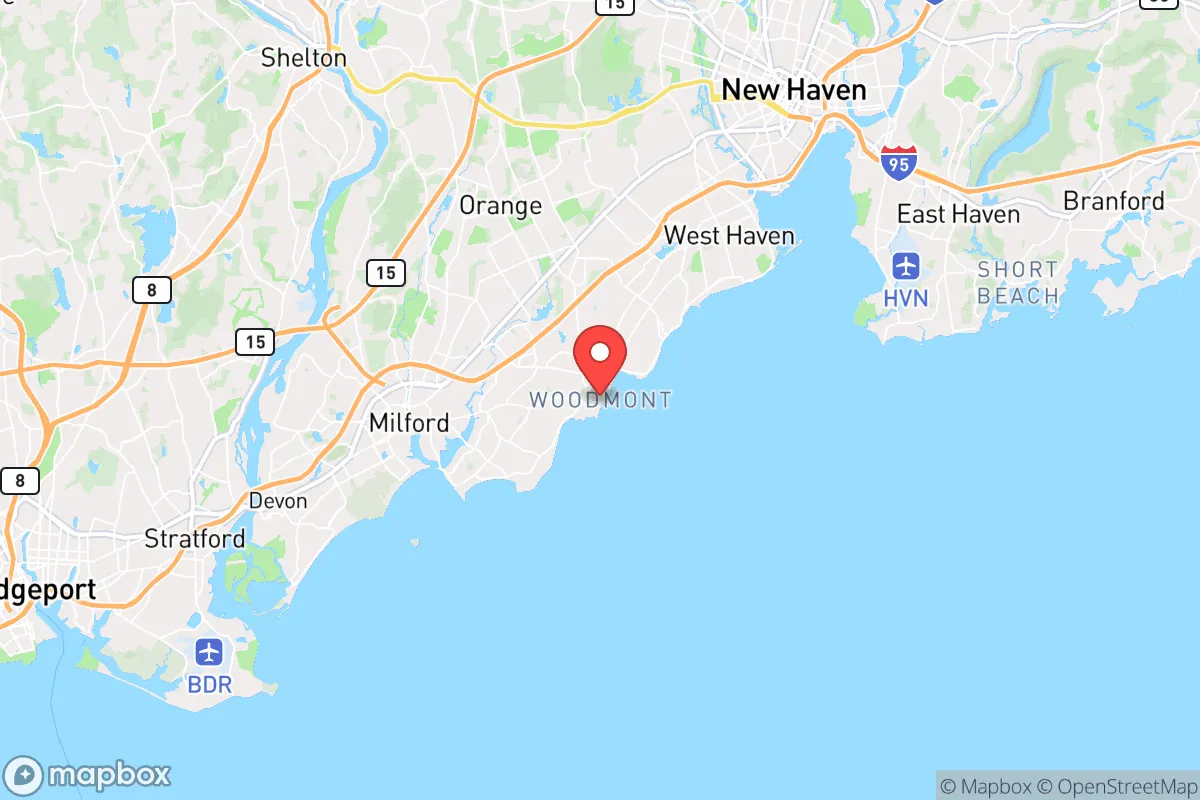
Photo: Wikipedia
Find The Best Places To Live
in Woodmont
PRO TIP! You can paste a Zillow or Redfin link to get info on that property.
What It's Like Living in Woodmont, CT
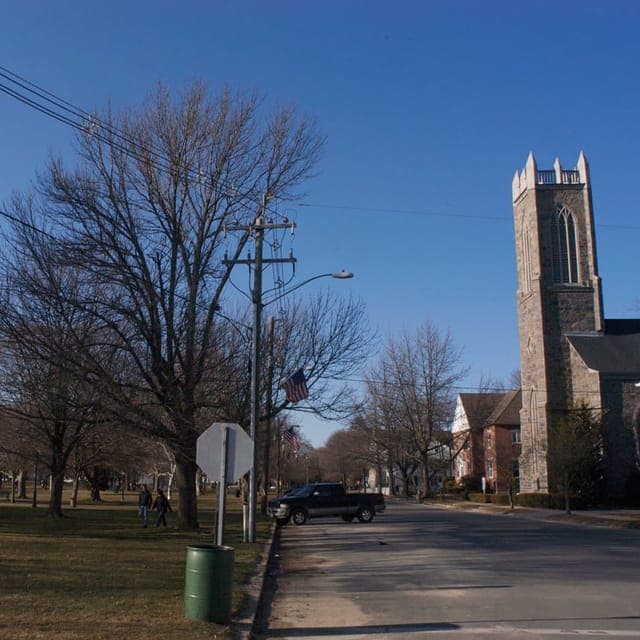
Woodmont, Connecticut, feels less like a suburb and more like a small, salty New England beach town that happens to have a ZIP code. With just over 1,500 residents, it’s a tight-knit coastal enclave where the pace slows down in the off-season and the social calendar revolves around the water, the weather, and a few beloved local spots. Living here means trading big-city anonymity for a place where neighbors know your name, and where the biggest decision some weekends is whether to walk to the dock or drive ten minutes for a proper meal.
The Daily Rhythm: Quiet, Seasonal, and Water-Centered
Daily life in Woodmont is shaped by the Long Island Sound and the changing seasons. In summer, the population swells as second-home owners and renters fill the cottages, and the village hums with activity—kayaking, paddleboarding, and evening strolls along the public beach. Come fall and winter, the streets go quiet. The median age here is 52.9, and the vibe reflects that: it’s a place for empty nesters, remote workers, and retirees who value peace over nightlife. The median household income sits at $89,375, which is solid but not extravagant for coastal Connecticut—many residents are professionals who commute to New Haven or Bridgeport, or work in healthcare and education locally. The average commute is about 32 minutes, a manageable stretch that mostly involves I-95 or the Merritt Parkway. Grocery shopping means heading to Milford or Orange; there’s no supermarket in the village itself, which is a minor inconvenience residents accept for the sake of the waterfront setting.
Sports, Community, and the Local Hangouts
Woodmont doesn’t have its own high school—students attend nearby Joseph A. Foran High School in Milford—so local sports loyalties are split. Milford’s teams draw decent crowds for Friday night football and basketball, but the real community gathering points are less about the scoreboard and more about shared space. The Woodmont Dock and the adjacent beach are the de facto town square. On summer weekends, you’ll find families with coolers, couples reading on blankets, and kids jumping off the dock. The annual Woodmont Day festival in August is the highlight of the social calendar: a parade, live music, food trucks, and a fireworks show that feels like the whole village turns out. For a drink or a bite, Jimmies of Woodmont is the local institution—a casual seafood spot with outdoor seating that’s packed on warm evenings. Stonebridge Restaurant is the other anchor, offering American fare and a bar where locals catch up. There’s no real music venue in Woodmont itself; for concerts, residents head to the nearby Milford Center for the Arts or the outdoor shows at the Milford Green.
What’s There to Do: Outdoor Life and the Trade-Offs
Outdoor activity is the main draw. The Woodmont Beach Association maintains a private beach for members, but the public beach at the end of the village is open to all. Kayaking, fishing, and sailing are common hobbies. The Silver Sands State Park is a ten-minute drive away, offering a long boardwalk and birdwatching. For more serious recreation, the Milford Trail network connects to regional paths. But here’s the honest trade-off: the cost of living index is 161, well above the national average, and the median home value is $452,200—high for a village with limited retail and no major employers. What you’re paying for is the location and the quiet. Violent crime is low at 107.9 per 100,000, and residents feel safe walking at night. The frustrations are predictable: summer traffic on the narrow streets can be annoying, especially on weekends when day-trippers clog the roads. Parking near the beach is tight. And if you’re under 40 and single, the social scene can feel thin—most young adults gravitate toward New Haven or Milford proper.
Who Fits In—and Who Might Not
Woodmont works best for people who value quiet, community, and proximity to water over convenience and nightlife. It’s a strong fit for remote workers, retirees, and families with young children who want a safe, small-town feel. The 62.1% college-educated population reflects a professional, often liberal-leaning crowd, though the village itself is politically mixed—more moderate than the surrounding suburbs. The schools (Milford Public Schools) are well-regarded and a central part of community life, with parent involvement high. Cultural quirks include a fierce local pride in the village’s independence—Woodmont was its own borough until 1957—and a collective grumbling about the annual beach sticker fees. If you want walkable restaurants, a vibrant singles scene, or a 24-hour grocery store, this isn’t the place. But if you want to hear the waves from your porch and know your neighbors by name, Woodmont delivers that in spades.

Similar small towns to Woodmont
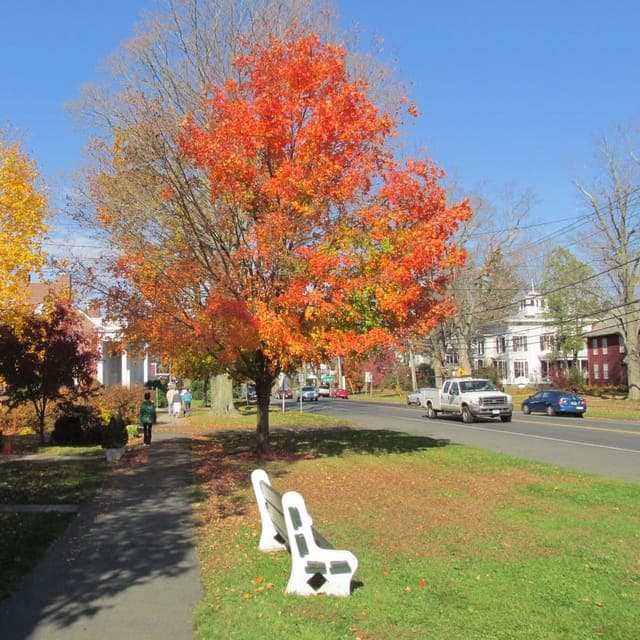


* Values derived from national, state, county, city and local statistics and may differ in a specific area. Last updated: 2026-04-19T07:40:42.000Z
Narrative content on this page is AI-generated and may contain mistakes. Verify any details that matter before acting on them.
ReloMaps may earn a commission from affiliate links at no extra cost to you.

