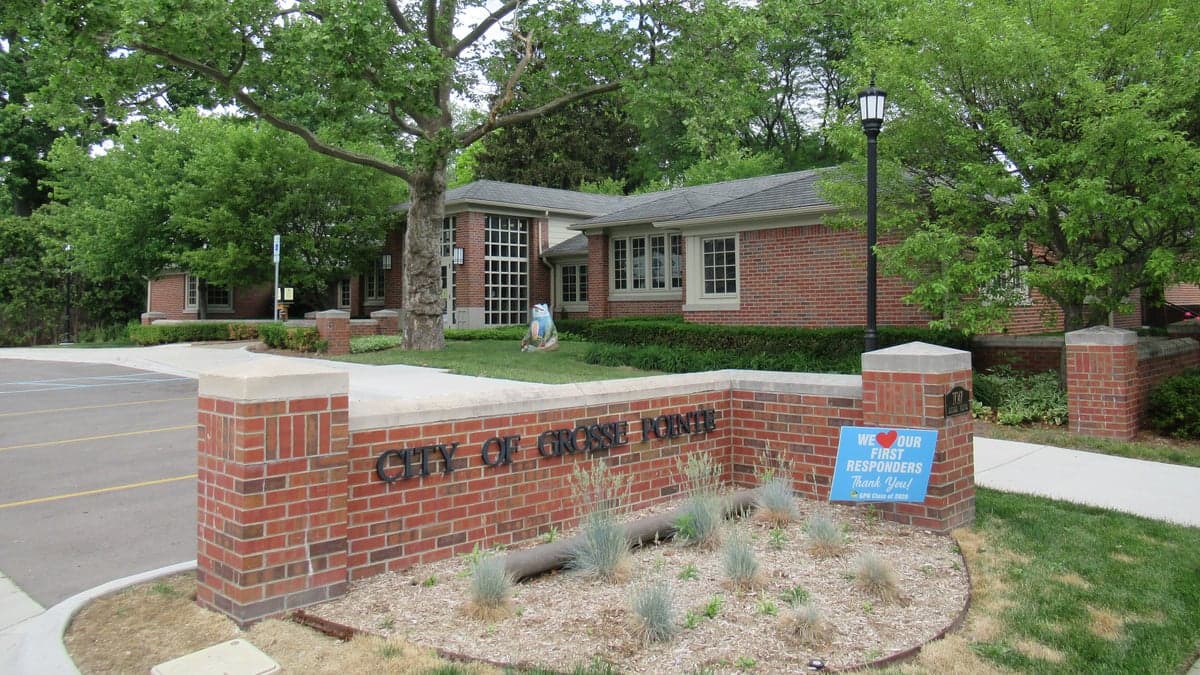
Photo: Wikipedia
Strategic Assessment of Grosse Pointe, MI
Multiple tactical vulnerabilities. Population density, target proximity, or disaster risk are likely compounding. A retreat property and exit planning is required.
What does the Strategic Assessment tell us?
Our Strategic Assessment grades tactical survivability of an area. Major population centers, military targets, fallout zones, natural disasters, and border exposure all drive risk — lower exposure means a more defensible position in a crisis.
This is heavily inspired by Joel Skousen's Strategic Relocation book. Highly recommended you checkout the book ($)What does this tell us?
Our Strategic Assessment grades tactical survivability of an area. Major population centers, military targets, fallout zones, natural disasters, and border exposure all drive risk — lower exposure means a more defensible position in a crisis.
This is heavily inspired by Joel Skousen's Strategic Relocation book. Highly recommended you checkout the book ($)Strategic Pillars
Key Distances
Regional Safe Places
Below is our recommended "safe zones" in Michigan and the surrounding area based on our strategic heuristics. For most people, it's unrealistic to live in a “safe zone” full-time due to work, family or other personal reasons. They tend to be more rural. However, many of these areas are perfect for second homes and retreat properties that double as a vacation home or even a short-term rental.


Important Note: For informational purposes only. This does not mean nothing bad ever happens in the green zones. Please use common sense. This is based on public data and modeled with AI. We tried to take a conservative approach but mistakes happen. We update this regularly as new information becomes available.
Solar Generator Recommendations
Backup power matters more here than in safer locations. We've picked three solar generators across budgets and capacity tiers — start with the budget unit if you only need a few essentials, or step up if you want to run a fridge and HVAC for days at a time.
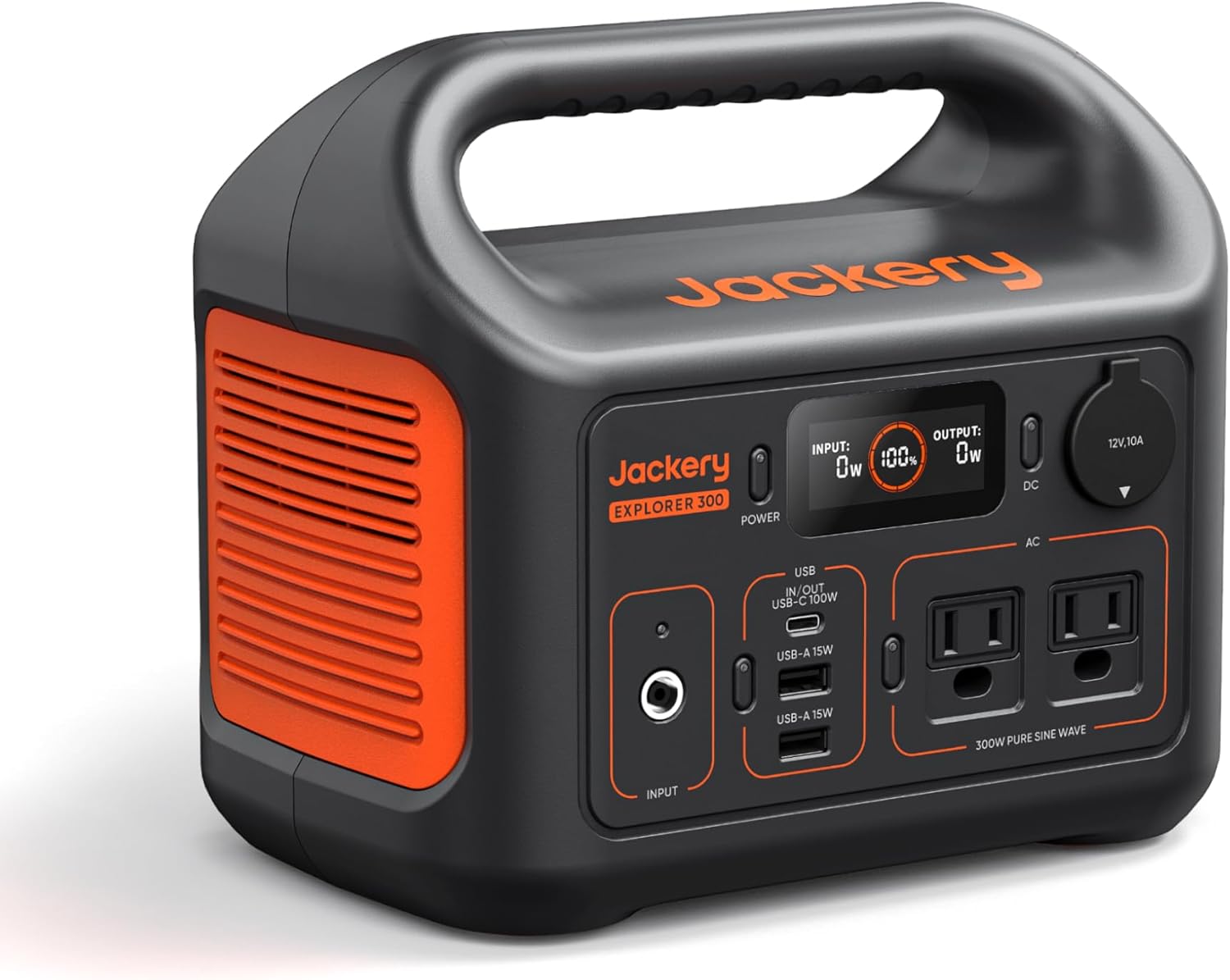
Jackery Portable Power Station Explorer 300
Budget OptionPower on the Go: Weighing only 11 lbs, it's convenient to set up and store with book-sized foldable solar panels

BLUETTI Portable Power Station AC180
Designed for both indoor and outdoor scenarios, AC180 is highly capable as it has a robost capacity and continuous output power.

EF ECOFLOW DELTA Pro Ultra Power Station
Upgraded PickEcoFlow DELTA Pro Ultra is a whole-home energy system designed to grow with your family. Integrated with the Smart Home Panel 2, it scales to meet your evolving energy needs — keeping your home powered, intelligent, and secure through every stage of life.
We earn a commission, at no additional cost to you.
Strategic Assessment Analysis
Grosse Pointe, Michigan, presents a complex strategic picture for the relocation-minded reader focused on resilience and self-sufficiency. While its immediate proximity to Detroit is a significant liability in any disaster scenario, the community’s position on the Lake St. Clair shoreline, its robust local infrastructure, and its relative insulation from the most acute urban decay offer a mixed bag of advantages and vulnerabilities. For the conservative-leaning individual or family weighing preparedness alongside quality of life, Grosse Pointe is best understood as a high-amenity, moderate-risk location that demands a clear-eyed assessment of its exposure to both natural and man-made threats.
Geographic position and natural advantages for long-term stability
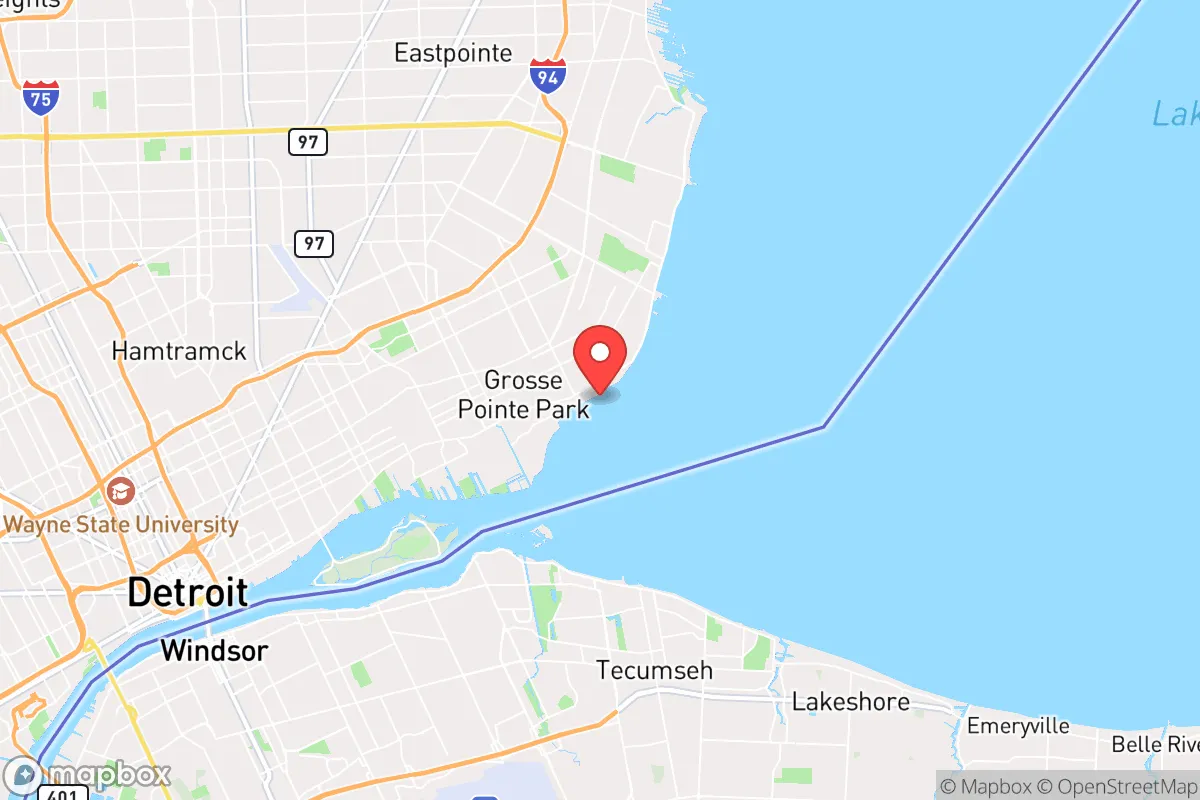
Grosse Pointe’s primary geographic asset is its frontage on Lake St. Clair, part of the Great Lakes system. This provides an immense, renewable freshwater source—arguably the single most critical resource for long-term survival. The lake is not a river that can be easily contaminated upstream; it is a massive, self-regulating body of water. For a relocator, this means a reliable water supply for drinking, sanitation, and small-scale agriculture, assuming one has the means to treat and store it. The area sits on relatively stable, flat terrain, with no significant floodplain risk from the lake itself (the shoreline is developed with seawalls and parks), though heavy rain events can cause localized street flooding. The climate is temperate, with cold winters that naturally suppress many vector-borne diseases and pests, a genuine advantage over warmer, more humid regions. The region’s position also places it within a day’s drive of the Upper Peninsula and Canadian wilderness, offering potential bug-out options if the Detroit metro area becomes untenable. However, this same proximity to Canada means that any border-related disruptions—whether from trade disputes, security incidents, or mass migration—would directly affect the area’s stability.
Risks, exposures, and proximity to fallout-relevant landmarks
The most glaring vulnerability is Grosse Pointe’s location just 10 miles from downtown Detroit. In a major crisis—whether economic collapse, civil unrest, or a radiological event—this proximity is a severe liability. Detroit is a major population center with significant industrial and chemical infrastructure, including oil refineries, steel mills, and rail yards. A conventional or accidental release at any of these facilities could render large swaths of the downwind area uninhabitable. Grosse Pointe lies directly east-northeast of Detroit, placing it in the prevailing wind path for any airborne contaminants. Furthermore, the area is within 30 miles of the Fermi 2 nuclear power plant in Newport, Michigan. While the plant has a solid safety record, a worst-case release would put Grosse Pointe in a moderate-risk zone for fallout. The region also sits near major transportation corridors—I-94, I-75, and the Ambassador Bridge—which are high-value targets for sabotage or disruption. In a grid-down scenario, these same roads would become chokepoints for fleeing populations, making egress difficult. The presence of multiple international border crossings also means that any cross-border tension or pandemic-related closure would immediately impact supply chains and daily life.
Practical resilience for a relocator: food, water, energy, and defensibility
On the practical side, Grosse Pointe offers a mixed but workable foundation for self-sufficiency. Water is abundant from Lake St. Clair, but the municipal water system is vulnerable to contamination and power loss. A relocator should plan for a personal filtration system (e.g., Berkey or Sawyer) and a means to haul water from the lake, as the shoreline is publicly accessible at several parks. Food security is the weakest link. The area is a dense, affluent suburb with no significant agricultural land. The few community gardens and farmers’ markets are not scalable for a crisis. Long-term food storage and a plan for barter or trade with rural areas to the north or west would be essential. Energy resilience is moderate. The local grid is maintained by DTE Energy, which has a history of outages during storms. Solar is viable, though many homes have tree cover that limits panel efficiency. Natural gas is widely available, which is a plus for heating and cooking, but the system is centralized and could fail. A backup generator with a propane or natural gas hookup is a wise investment. Defensibility is a double-edged sword. Grosse Pointe is a series of five small cities (Grosse Pointe Park, Farms, City, Woods, and Shores) with a total population of about 45,000. The street layout is a traditional grid, which is hard to secure. However, the area is bounded by water to the east and major roads to the west, creating natural chokepoints. The local police departments are well-funded and have a reputation for professionalism, but they would be overwhelmed in a regional crisis. The community’s social cohesion—a product of its stable, family-oriented demographics—is a genuine asset. Neighbors tend to know each other, and there are active civic organizations that could coordinate mutual aid. Still, the lack of rural buffer means that any unrest in Detroit could spill over quickly, especially along the major east-west corridors like Jefferson Avenue and Mack Avenue.
In the final strategic assessment, Grosse Pointe is a location that trades high baseline livability for moderate resilience. Its freshwater access and stable community are real advantages, but its proximity to a major city, industrial hazards, and a nuclear plant are non-negotiable risks. For a relocator who is serious about preparedness, Grosse Pointe demands a proactive stance: stockpile food and medical supplies, invest in water filtration and backup power, and develop a clear evacuation plan for a worst-case scenario. It is not a place to hunker down indefinitely, but it can serve as a comfortable base for those who are prepared to leave if the situation deteriorates. The key is to treat it as a high-amenity outpost with a short shelf life in a true crisis—enjoy the lake views and the good schools, but keep the bug-out bag packed and the tank full.

* Values derived from national, state, county, city and local statistics and may differ in a specific area. Last updated: 2026-11-14T16:59:05.000Z
Narrative content on this page is AI-generated and may contain mistakes. Verify any details that matter before acting on them.
ReloMaps may earn a commission from affiliate links at no extra cost to you.

