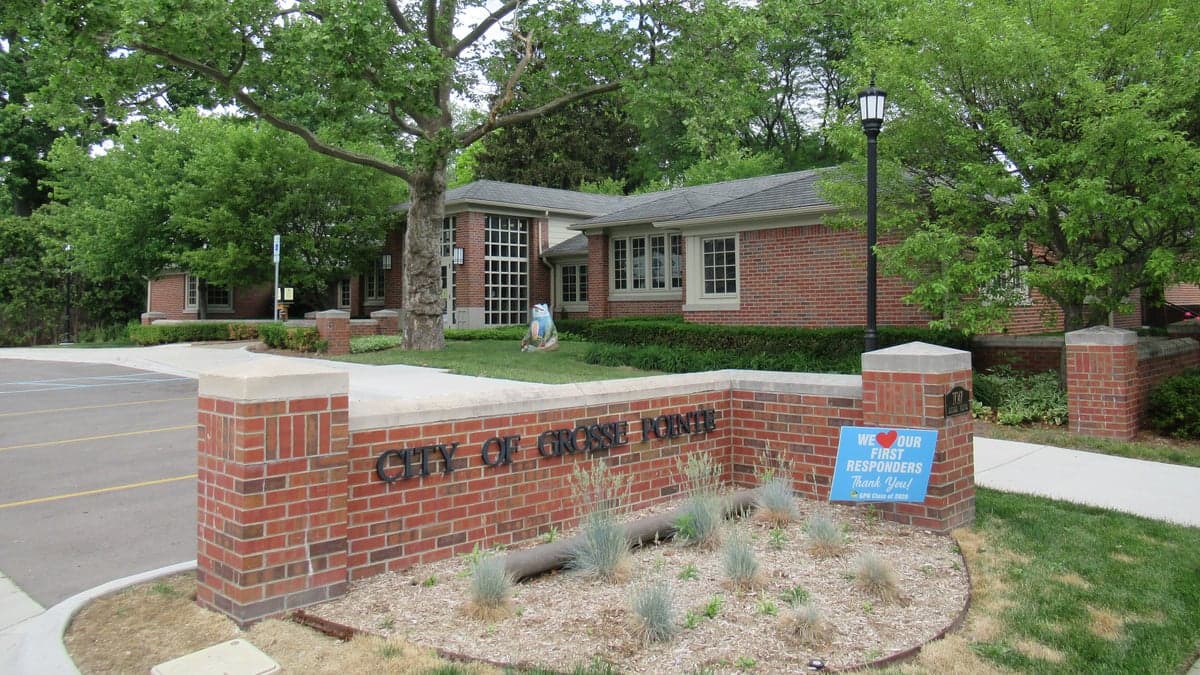
Photo: Wikipedia
Quality of Life in Grosse Pointe, MI
A high quality of life with strong walkability, manageable living costs, healthy neighborhood signals, and solid amenity access.
What does Quality of Life tell us?
Quality of Life blends cost of living, nearby amenities, socioeconomic signals, and neighborhood character. City-level scores represent the whole municipality; individual neighborhoods can differ.
What does this tell us?
Quality of Life blends cost of living, nearby amenities, socioeconomic signals, and neighborhood character. City-level scores represent the whole municipality; individual neighborhoods can differ.
Cost of Living
42% above national average
The Real Cost of Living in Grosse Pointe, MI for 2026
| Tier | Individual | Family (4) |
|---|---|---|
| Survival | $27k | $50k |
| Comfortable | $76k | $112k |
| Luxury | $256k+ | $398k+ |
| Elite (Top 5%) | $339k+ | $526k+ |
127%
The Area Signal
A metric tracking the socioeconomic signals of the area.
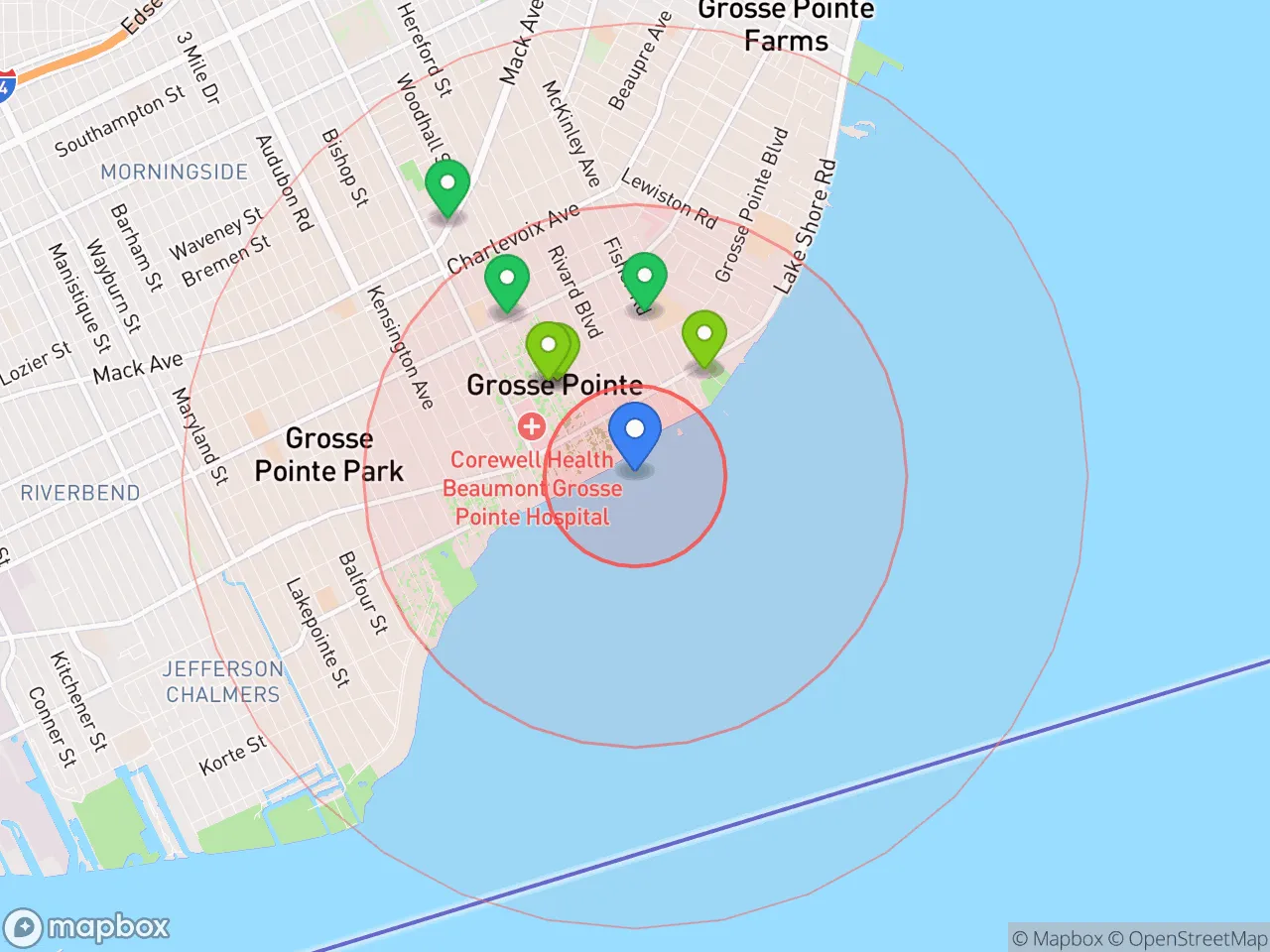
Hobbies
Explore the areaGroceries
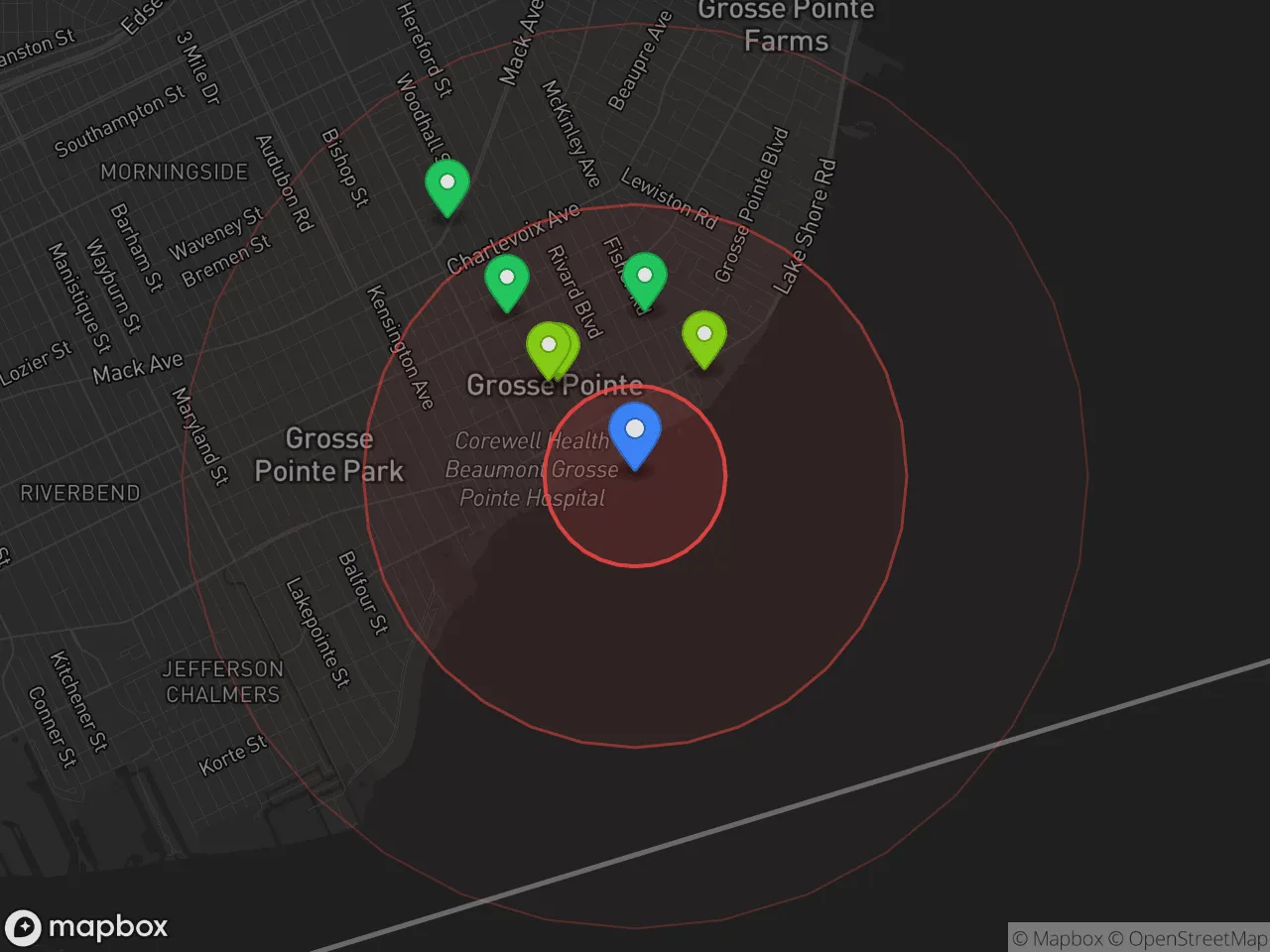
0 within 10 miles
Gas
0 within 10 miles
Hospital
0 within 20 miles
Airport
DTW — Detroit Metropolitan Wayne County
Post Office
Critical Amenities
Quality-of-Life Analysis
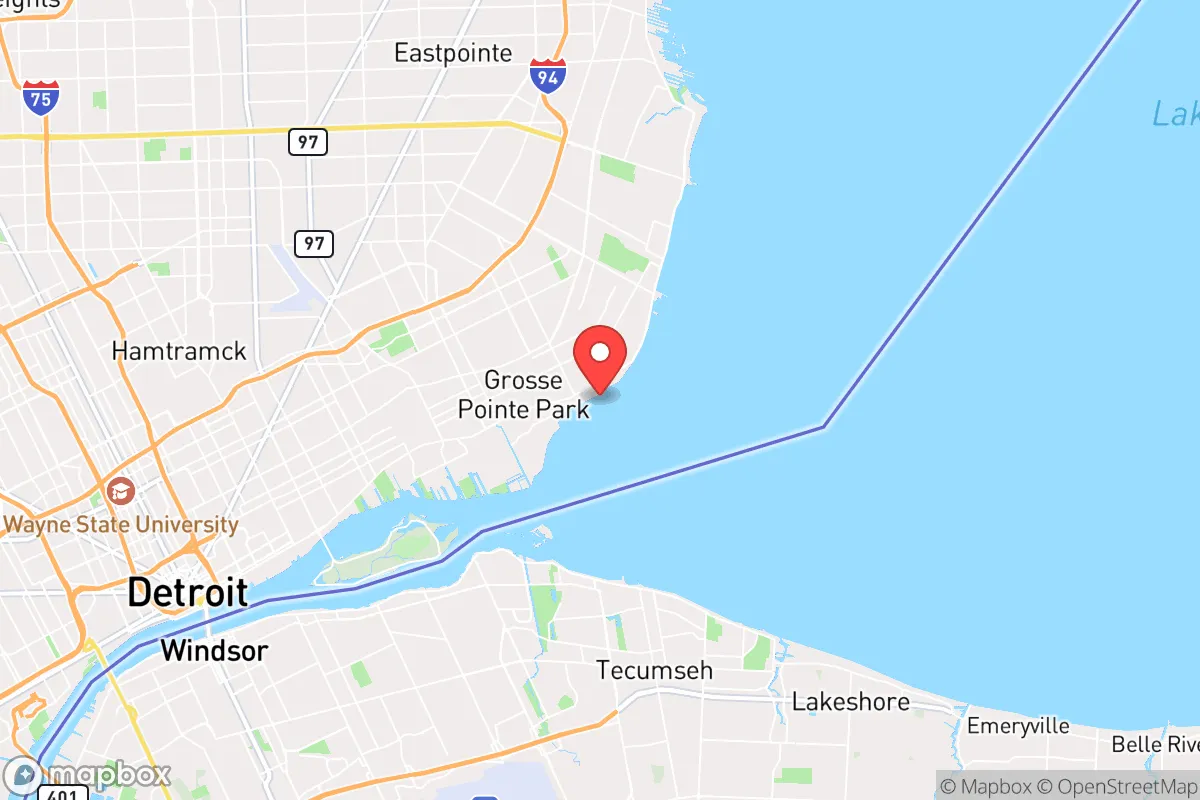
Grosse Pointe is an affluent lakeside enclave on Lake St. Clair, roughly 10 miles northeast of downtown Detroit, where the cost of living index sits at 142 — 42% above the national average — reflecting a community of professionals, executives, and long-established families who prioritize high-quality public schools, low crime, and a walkable village atmosphere. The five Grosse Pointe municipalities (Grosse Pointe, Grosse Pointe Farms, Grosse Pointe Park, Grosse Pointe Shores, and Grosse Pointe Woods) collectively house around 47,000 residents, with a median household income exceeding $90,000, well above the Michigan state median. This is a place where residents trade the urban grit of Detroit for manicured boulevards, historic homes, and a tight-knit suburban identity that still offers quick access to a major city.
Cost of living, housing affordability, and how it compares to Detroit and the Metro area
With a cost of living index of 142, Grosse Pointe is significantly more expensive than the Detroit metro average (roughly 90) and the Michigan state average (about 88), driven primarily by housing. The median home value of $391,800 is nearly triple the Detroit city median of roughly $70,000 and about 50% higher than the metro-area median of $260,000. Renters face a median rent of $1,670, compared to around $1,100 for the broader metro area. However, for buyers seeking pre-war architecture, lakefront properties, or solidly built brick colonials, Grosse Pointe offers relatively good value compared to comparable affluent suburbs in other Great Lakes states — a similar home in a Chicago North Shore suburb like Winnetka would easily exceed $1 million. Property taxes are high (typically 2.5–3.0% of assessed value), but residents gain access to top-rated public schools and robust municipal services. The average commute of 23 minutes is notably short for a high-cost suburb, with many residents working in Detroit's medical, legal, and automotive sectors, or commuting to Dearborn and Troy.
Schools, amenities, and what daily life feels like for families and professionals
Daily life in Grosse Pointe revolves around its walkable commercial districts — Kercheval Avenue in the Hill, the Village in Grosse Pointe City, and Mack Avenue — where independent bookstores, farm-to-table restaurants, and coffee shops anchor a pedestrian-friendly rhythm. The Grosse Pointe Public School System (GPPSS) is a major draw, consistently ranking among Michigan's top 10% of districts, with North High School and South High School both earning national Blue Ribbon recognition. The system serves about 7,000 students with a 16:1 student-teacher ratio and offers robust Advanced Placement and International Baccalaureate programs. For recreation, the Grosse Pointe Yacht Club, the 40-acre Ford Field park complex, and the Lake St. Clair shoreline provide boating, sailing, and beach access. The area also hosts the Grosse Pointe Theatre and the Grosse Pointe Art Center, while the nearby Detroit Institute of Arts and the Fox Theatre are a 15-minute drive away. Crime rates are among the lowest in Wayne County — violent crime is roughly 80% below the Detroit average — and the police departments in each municipality maintain a visible, community-oriented presence.
Grosse Pointe is best suited for families seeking a safe, high-amenity suburb with excellent public schools and a strong sense of community, as well as professionals who want a short commute to Detroit's job centers without sacrificing walkability or lake access. Empty-nesters and retirees also gravitate here for the cultural offerings, the lakefront lifestyle, and the ability to downsize into condos or smaller historic homes without leaving the school district. Those who prefer a more diverse, urban environment or a lower cost of living may find the area's homogeneity and high property taxes limiting. For buyers and renters who can afford the premium, Grosse Pointe delivers a rare combination of small-town charm, metropolitan proximity, and enduring property values.

Crime in Grosse Pointe, MI
Crime rates similar to the national median for U.S. locations.
Violent CrimeViolent Crime Analysis
Property CrimeProperty Crime Analysis
Crime Analysis
Grosse Pointe, Michigan, presents a mixed safety profile that demands careful scrutiny from potential residents. The city's violent crime rate stands at 413 incidents per 100,000 residents, while property crime occurs at a rate of 1,246.5 per 100,000. These figures place Grosse Pointe in a challenging position: safer than some neighboring Detroit communities but still carrying elevated risks that warrant serious consideration, particularly given the broader criminal justice environment in Wayne County.
Crime in context
When compared to national benchmarks, Grosse Pointe's violent crime rate of 413 per 100,000 is roughly 18% higher than the U.S. average of approximately 350 per 100,000. Property crime, at 1,246.5 per 100,000, sits about 30% below the national average of roughly 1,800 per 100,000. The more troubling comparison is with Michigan's statewide violent crime rate of approximately 450 per 100,000, where Grosse Pointe's figure is slightly lower but still uncomfortably close. The city's proximity to Detroit—a metro area with persistently high crime—creates spillover effects, and the progressive judicial philosophy prevalent in Wayne County is a significant concern. Liberal district attorneys and judges who prioritize offender rehabilitation over public safety contribute to a revolving-door justice system, meaning repeat offenders are frequently back on the streets. This directly undermines victim justice and elevates risk for law-abiding residents.
What residents experience
In practice, Grosse Pointe residents report property crimes—particularly vehicle break-ins and package thefts—as the most common daily nuisance. The violent crime rate, while lower than Detroit's, still translates to tangible incidents: aggravated assaults and robberies occur with enough frequency to demand vigilance. The city's police department maintains a visible presence, but the broader county-level policies mean that even when arrests are made, prosecution and sentencing outcomes are often lenient. Residents should understand that the progressive criminal justice approach in Wayne County, while sympathetic to offenders, creates a permissive environment where criminal behavior faces fewer meaningful consequences. This is not a theoretical concern—it directly impacts recidivism rates and the safety of neighborhoods.
Neighborhood-level variation within Grosse Pointe is notable. The five distinct Grosse Pointe communities (Grosse Pointe Park, City, Farms, Woods, and Shores) show differing safety profiles. Grosse Pointe Park, bordering Detroit, experiences higher crime spillover, particularly along its commercial corridors. Grosse Pointe Shores and Grosse Pointe Woods, further from the Detroit border, generally report lower incident rates. However, no area is immune from the effects of regional criminal justice policies. Prospective residents should research block-level crime maps and consider that the progressive ideology permeating the local justice system means even "safe" blocks can see repeat offenders cycling through the area. The safest choice is to prioritize properties in the northern communities while maintaining realistic expectations about the regional crime environment.
* Values derived from national, state, county, city and local statistics and may differ in a specific area. Last updated: 2026-11-14T16:59:05.000Z
Narrative content on this page is AI-generated and may contain mistakes. Verify any details that matter before acting on them.
ReloMaps may earn a commission from affiliate links at no extra cost to you.

