 Popular
Photo: Wikipedia
Find The Best Places To Live
in Detroit
PRO TIP! You can paste a Zillow or Redfin link to get info on that property.
What It's Like Living in Detroit, MI
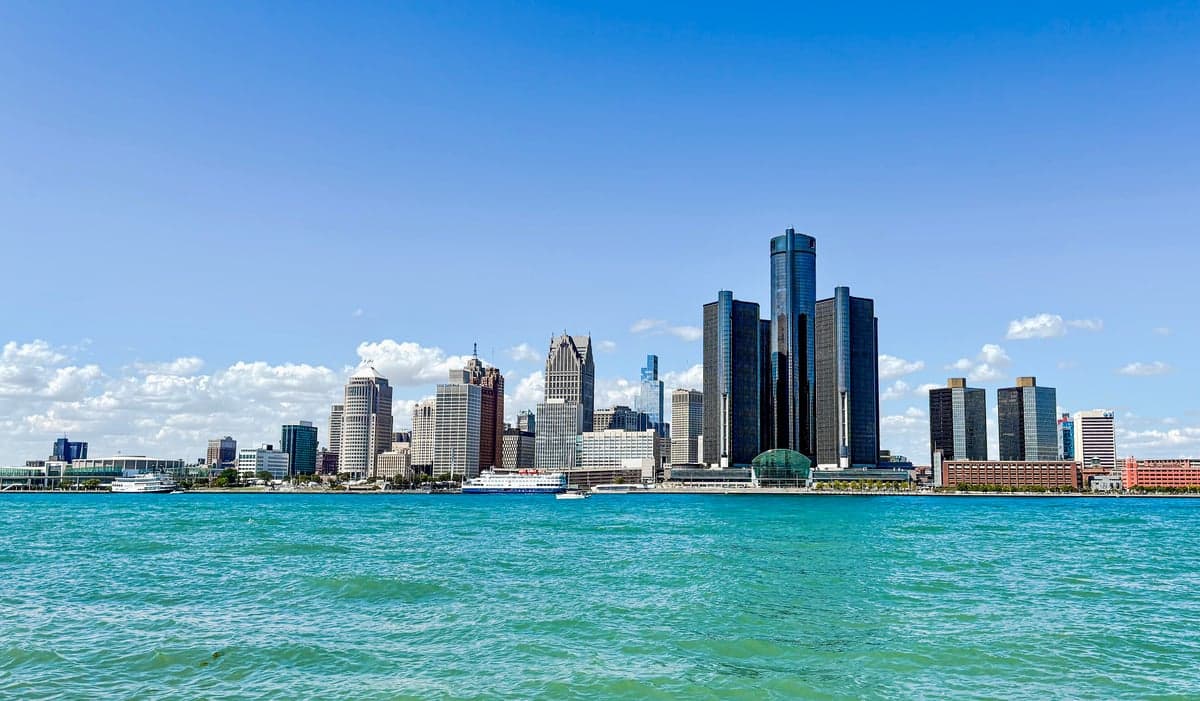
Living in Detroit means being part of a city that’s simultaneously gritty and proud, where the Motor City’s industrial backbone meets a fiercely independent, DIY spirit. It’s a place where you’ll hear more about the Lions’ latest heartbreak than the latest tech startup, and where a Friday night might mean catching a show at the Magic Stick or grabbing a Coney dog at Lafayette Coney Island. This isn’t a city for people who want a polished, easy life—it’s for those who appreciate authenticity, resilience, and the feeling of being part of something real, even when that something is a little rough around the edges.
The Daily Rhythm: What People Actually Do
For most Detroiters, the day starts with a car. The average commute is about 25 minutes, but that number hides the reality of a city where public transit is limited and a car is almost mandatory. People shop at local markets like Eastern Market on Saturdays—a massive, 100-year-old farmers market that’s a weekend ritual for everyone from families to young professionals. You’ll see people loading up on fresh produce, artisanal cheese, and local honey, then grabbing a coffee at the nearby Red Hook Coffee. For a quick bite, it’s hard to beat a coney dog from Lafayette Coney Island or American Coney Island—the two rival spots on Michigan Avenue that have been serving the same chili-dog-and-fries combo for generations. Dinner might mean a table at Selden Standard in Midtown for upscale farm-to-table, or a more casual meal at Green Dot Stables in Corktown, known for its slider variety and cheap beer.
Weekends often revolve around outdoor spaces. Belle Isle Park, a 982-acre island park in the Detroit River, is a huge draw for jogging, picnicking, and visiting the aquarium or conservatory. The Riverwalk along the Detroit River is another favorite, especially for biking or just watching the freighters go by. In the winter, people bundle up for ice skating at Campus Martius Park downtown, a seasonal tradition that feels like a small-town square in the middle of a big city. The median age is 35.1, which skews the vibe toward a mix of young families and singles in their 30s, but the city’s affordability—a cost of living index of 64, well below the national average—means you see a wider range of incomes and life stages than in pricier metros.
Sports, Community, and the City’s Soul
Detroit is a sports town, period. The Detroit Lions (NFL) are the emotional anchor, with a fan base that’s equal parts loyal and long-suffering. Game days at Ford Field are a city-wide event, and you’ll see Honolulu blue everywhere. The Detroit Tigers (MLB) at Comerica Park and the Detroit Red Wings (NHL) at Little Caesars Arena also draw huge crowds, but the Lions are the heartbeat. High school football is a big deal too, especially in the suburbs, but within the city limits, the focus is on the pro teams. The Detroit Pistons (NBA) play downtown at Little Caesars Arena, but their fan base has cooled in recent years compared to the other three.
Beyond sports, the city’s identity is shaped by its music legacy. Motown is the obvious touchstone, but the modern scene is alive and well. St. Andrew’s Hall and the Magic Stick in Midtown are legendary venues for indie rock, punk, and hip-hop. The Detroit Jazz Festival over Labor Day weekend draws world-class musicians to Hart Plaza for free. And then there’s the Movement Electronic Music Festival over Memorial Day weekend, which turns downtown into a massive techno party—a nod to Detroit’s role as the birthplace of techno. The cultural quirk here is that Detroiters are fiercely proud of their city’s underdog status. You’ll hear locals talk about “Detroit vs. Everybody” with a mix of defiance and humor, and it’s not uncommon to see that slogan on t-shirts and bumper stickers.
Pros and Cons of Living Here
The biggest pro is the cost of living. With a median home value of $76,800 and a median income of $39,575, it’s possible to buy a house here on a modest salary—something that’s nearly impossible in most other major cities. That affordability attracts a mix of artists, young families, and people looking for a fresh start. The food scene is another major upside: Detroit has quietly become a culinary destination, with a strong emphasis on local ingredients and immigrant influences (Mexican food in Southwest Detroit is especially good). The city’s history also means you’re surrounded by incredible architecture, from the Art Deco skyscrapers downtown to the abandoned but iconic Michigan Central Station, which is being renovated.
The cons are real and hard to ignore. The violent crime rate is 408.1 per 100,000 people—significantly higher than the national average—and while it’s concentrated in certain neighborhoods, it’s a concern for anyone living in the city. Property crime is also an issue, and you’ll hear stories of car break-ins and home burglaries from even longtime residents. The school system is a major frustration for parents: Detroit Public Schools Community District has struggled with funding and performance, leading many families to choose charter schools or move to the suburbs for better options. The weather is another reality check: winters are cold, gray, and snowy from December through March, and summers can be humid and hot. Traffic is rarely a nightmare compared to cities like Chicago or Atlanta, but the city’s layout—with wide, often empty streets—can feel isolating if you’re used to walkable neighborhoods.
Only 17.6% of residents hold a college degree, which is low for a major city, and that reflects the economic challenges many face. The job market is heavily tied to the auto industry (Ford, GM, and Stellantis all have major operations), but healthcare (Henry Ford Health System, Detroit Medical Center) and tech (a growing startup scene in Corktown) are also significant employers. The kind of person who fits here is someone who values authenticity over polish, who doesn’t mind a little grit, and who sees potential in a place that’s still rebuilding. It’s not for everyone—but for the people who love it, there’s nowhere else like it.

Similar mid-size cities to Detroit
* Values derived from national, state, county, city and local statistics and may differ in a specific area. Last updated: 2026-04-30T00:21:54.000Z
Narrative content on this page is AI-generated and may contain mistakes. Verify any details that matter before acting on them.
ReloMaps may earn a commission from affiliate links at no extra cost to you.

