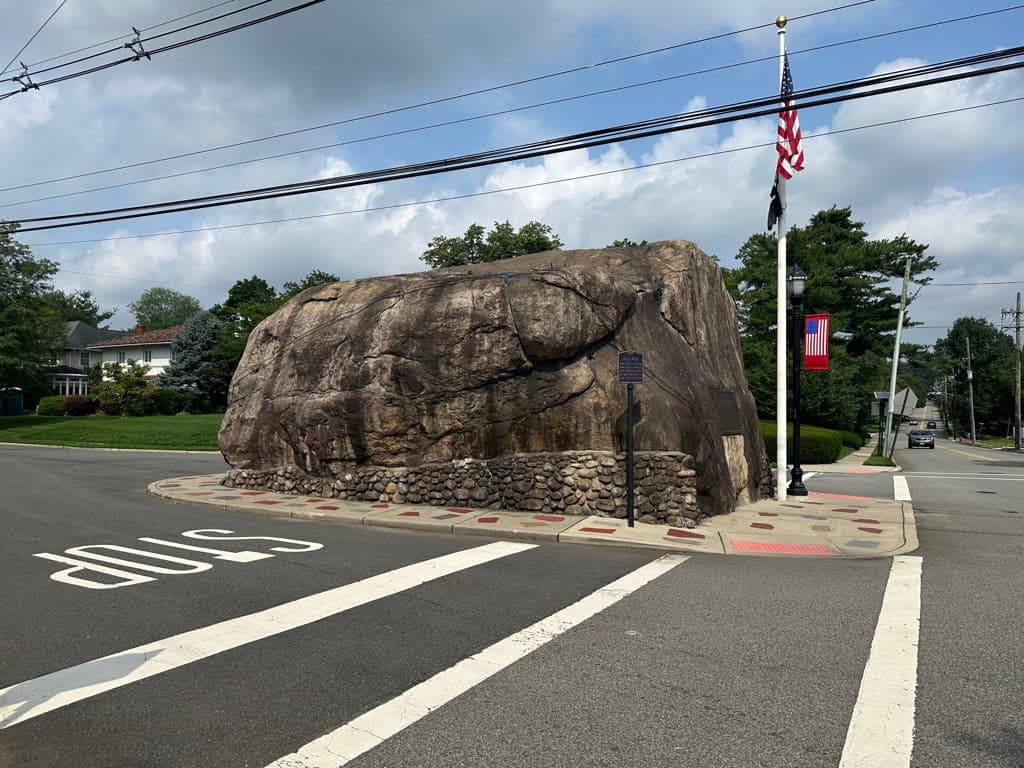
Photo: Wikipedia
Quality of Life in Glen Rock, NJ
A high quality of life with strong walkability, manageable living costs, healthy neighborhood signals, and solid amenity access.
What does Quality of Life tell us?
Quality of Life blends cost of living, nearby amenities, socioeconomic signals, and neighborhood character. City-level scores represent the whole municipality; individual neighborhoods can differ.
What does this tell us?
Quality of Life blends cost of living, nearby amenities, socioeconomic signals, and neighborhood character. City-level scores represent the whole municipality; individual neighborhoods can differ.
Cost of Living
116% above national average
The Real Cost of Living in Glen Rock, NJ for 2026
| Tier | Individual | Family (4) |
|---|---|---|
| Survival | $31k | $58k |
| Comfortable | $159k | $233k |
| Luxury | $325k+ | $503k+ |
| Elite (Top 5%) | $382k+ | $592k+ |
90%
The Area Signal
A metric tracking the socioeconomic signals of the area.
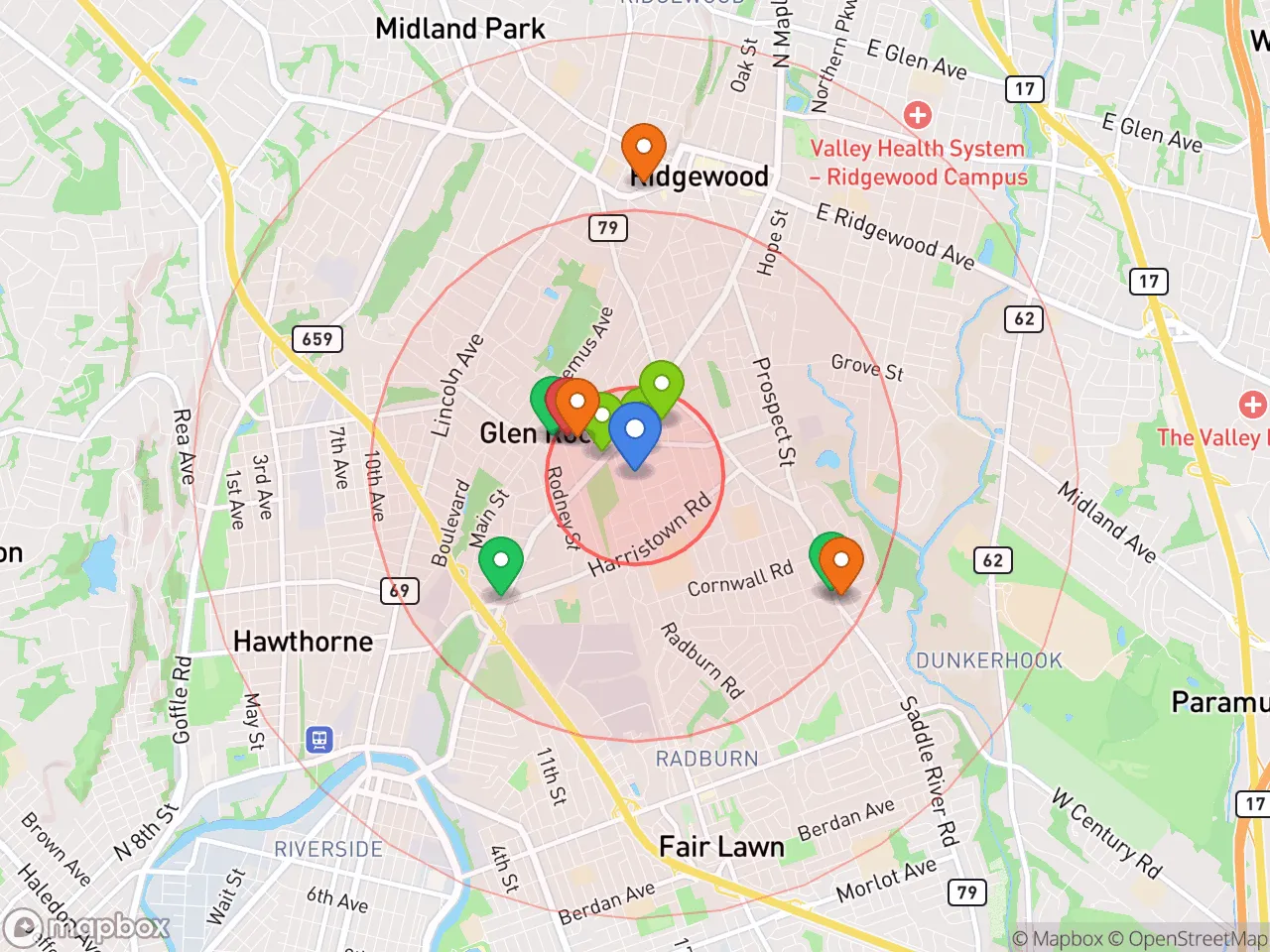
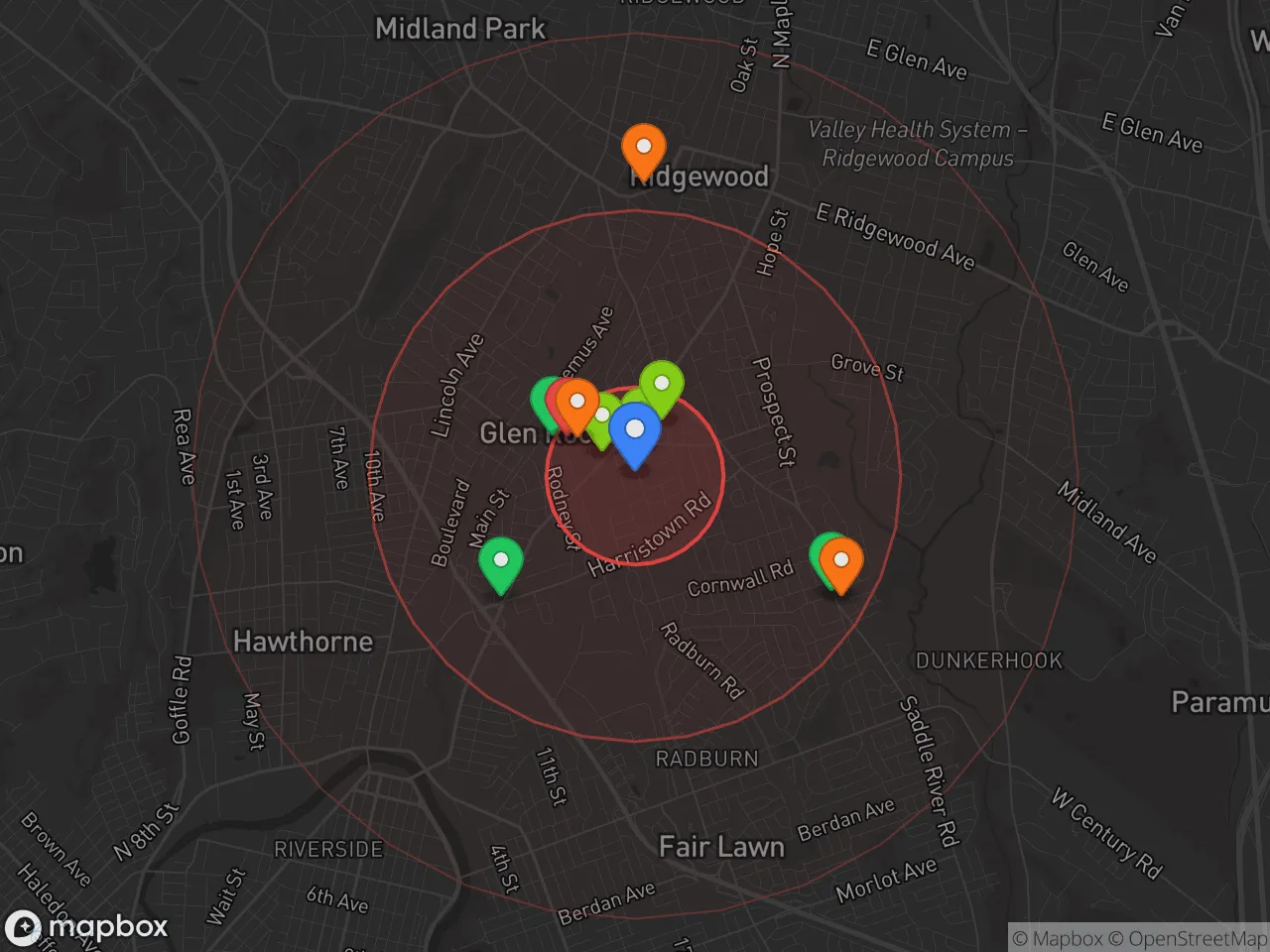
Hobbies
Explore the areaGroceries
0 within 10 miles
Gas
0 within 10 miles
Hospital
0 within 20 miles
Airport
EWR — Newark Liberty International
Post Office
Critical Amenities
Quality-of-Life Analysis
Glen Rock, New Jersey, is a wealthy Bergen County borough where the cost of living index of 216—more than double the national average—reflects a community built around top-tier public schools, commuter access to Manhattan, and a quiet suburban lifestyle. The population skews toward well-educated professionals and families, with many residents working in finance, law, or technology in New York City. The borough’s tree-lined streets, historic homes, and low crime rates attract those who prioritize safety and school quality over urban convenience or lower housing costs.
Cost of living, housing prices, and how Glen Rock compares to nearby towns
Glen Rock’s cost of living is driven almost entirely by housing. The median home value sits at $817,300, significantly above the national median of roughly $350,000, though it remains below pricier Bergen County neighbors like Ridgewood (median around $900,000) and Ho-Ho-Kus (often above $1 million). Median rent is $1,938, which is moderate for the region but still 30% higher than the national average. Property taxes in Glen Rock are among the highest in the nation—typically $12,000 to $16,000 annually on a median-priced home—due to New Jersey’s reliance on local property taxes to fund schools. For renters, the market is tight, with few apartment complexes; most rental units are single-family homes or two-family houses. Compared to nearby Paramus or Hackensack, Glen Rock offers a quieter, more residential feel but commands a premium for that seclusion. The average commute of 38.4 minutes reflects the borough’s popularity among Manhattan-bound workers who use the Glen Rock Main Line or Glen Rock–Boro Hall NJ Transit stations, with trains reaching Penn Station in about 45 minutes.
What daily life is like: amenities, schools, and local character
Daily life in Glen Rock revolves around its highly rated public school system, which consistently ranks among the top 10% in New Jersey. The borough’s four elementary schools, one middle school, and Glen Rock High School (with a 96% graduation rate) draw families who value walkable school routes and small class sizes. The downtown area along Rock Road offers a compact mix of independent shops, a diner, a pizzeria, and a public library, but lacks the retail density of Ridgewood’s central business district. Residents rely on nearby Garden State Plaza in Paramus for major shopping. Parks are a defining feature: Glen Rock has over 200 acres of parkland, including the 50-acre Veterans Field complex with sports fields, a pool, and a dog park. The borough’s annual Memorial Day parade and summer concert series in the park reinforce a tight-knit, family-oriented social fabric. Crime rates are extremely low—violent crime is nearly nonexistent—and the Glen Rock Police Department maintains a visible community presence. For dining and nightlife, most residents drive 10 minutes to Ridgewood or 15 minutes to Montclair for more options.
Glen Rock is best suited for families and professionals who can absorb the high housing costs and property taxes in exchange for exceptional schools, a safe environment, and a direct train to Manhattan. Empty-nesters and retirees may find the tax burden and lack of urban amenities less appealing, though the quiet streets and strong community ties still attract some older residents. Singles and young couples without children often choose more affordable nearby towns like Hawthorne or Fair Lawn, where housing costs are 30–40% lower. For those who prioritize school rankings, commute speed, and suburban tranquility above all else, Glen Rock delivers a consistent, predictable quality of life that justifies its premium price tag.

Crime in Glen Rock, NJ
Lower crime rates than 95% of comparable U.S. locations.
Violent CrimeViolent Crime Analysis
Property CrimeProperty Crime Analysis
Crime Analysis
Glen Rock, New Jersey, is a statistically safe borough, but its proximity to the broader New York City metro area introduces crime dynamics that residents should monitor closely. With a violent crime rate of just 32.3 per 100,000 residents and a property crime rate of 621.3 per 100,000, Glen Rock is significantly safer than both the national average and many neighboring communities. However, the borough is not immune to the regional effects of progressive criminal justice policies in Bergen County and the wider metro area, which can influence recidivism and property crime trends.
Crime in context
Glen Rock’s violent crime rate is roughly one-tenth the national average of 380 per 100,000, and its property crime rate is about half the national figure of 1,958 per 100,000. Compared to New Jersey’s statewide violent crime rate of 210 per 100,000, Glen Rock is an outlier in safety. Yet the property crime rate of 621.3 per 100,000 is closer to the state average of 1,200 per 100,000, indicating that theft, burglary, and vehicle break-ins are the primary concerns. The borough benefits from its own police department and low population density, but it sits within Bergen County, where district attorneys and judges have increasingly adopted progressive stances on bail reform and sentencing. This means that offenders arrested in nearby cities like Paterson or Hackensack—where crime rates are higher—may be released quickly, potentially traveling into affluent suburbs like Glen Rock to commit property crimes.
What residents experience
For most Glen Rock residents, daily life feels very safe. Violent incidents such as assault, robbery, or homicide are extremely rare—typically fewer than five per year. The primary safety issue is property crime, particularly theft from vehicles and package theft, which spikes during the holiday season and when school is out. Residents often report unlocked cars being rifled through overnight, a pattern common across North Jersey suburbs. The Glen Rock Police Department is proactive, using social media alerts and neighborhood watch programs to keep residents informed. However, the broader regional context matters: Bergen County’s progressive bail reform laws mean that many non-violent offenders are not detained pre-trial, and some repeat property crime offenders cycle through the system without significant jail time. This creates a low-grade but persistent risk for residents, especially those living near train stations or major roads that provide easy access for transient offenders.
Neighborhood-level variation in Glen Rock is minimal. The borough is uniformly affluent and well-policed, with no statistically significant pockets of higher crime. The safest areas tend to be the interior residential blocks away from Route 208 and the Glen Rock train station, where foot traffic from outsiders is lower. Homes near the border with Ridgewood or Fair Lawn may see slightly more property crime due to easier access from those busier corridors. Overall, Glen Rock is a safe community where the primary crime risk is opportunistic property theft, but residents should remain vigilant about locking doors and securing valuables, especially given the regional justice system’s leniency toward repeat offenders.
* Values derived from national, state, county, city and local statistics and may differ in a specific area. Last updated: 2026-11-09T06:00:12.000Z
Narrative content on this page is AI-generated and may contain mistakes. Verify any details that matter before acting on them.
ReloMaps may earn a commission from affiliate links at no extra cost to you.

