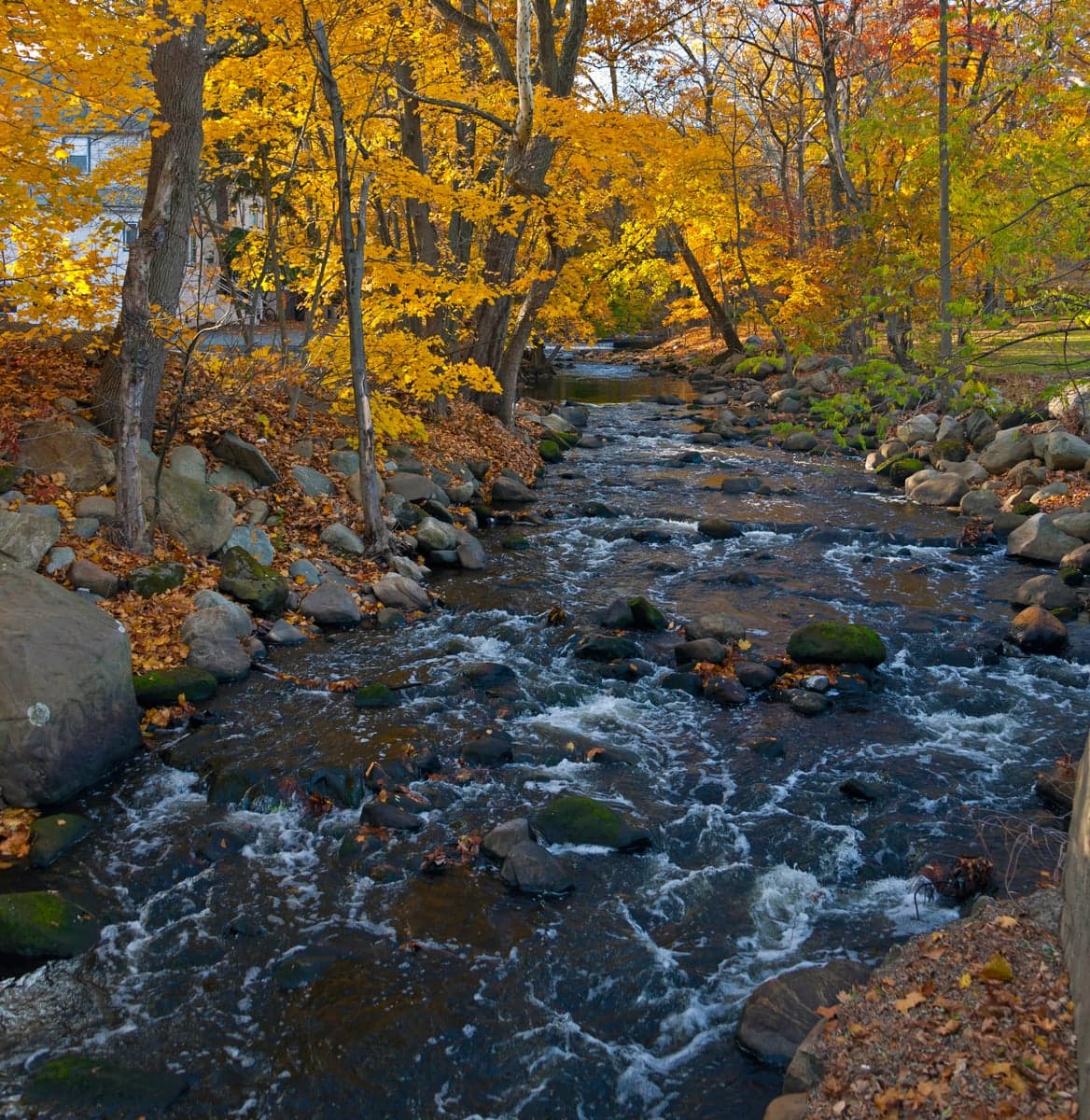
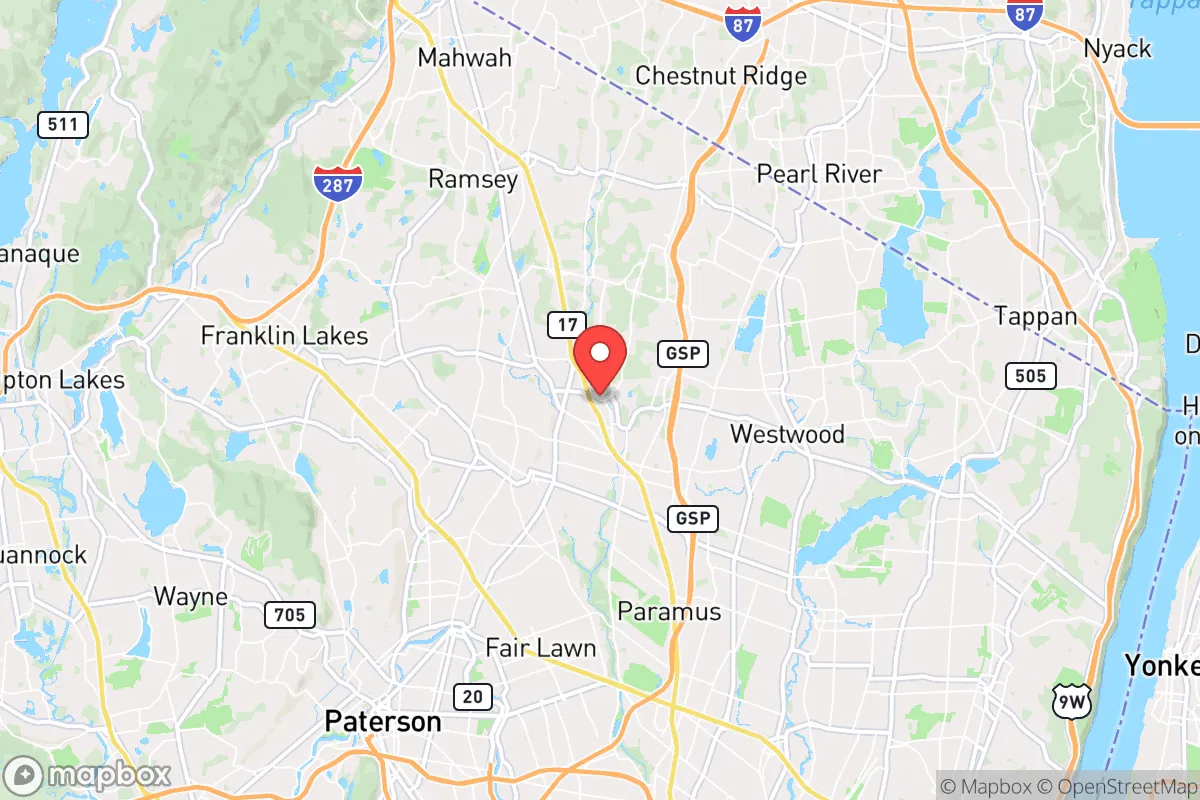
Photo: Wikipedia
Find The Best Places To Live
in Ho-Ho-Kus
PRO TIP! You can paste a Zillow or Redfin link to get info on that property.
Compare Ho-Ho-Kus with another place
What It's Like Living in Ho-Ho-Kus, NJ
Ho-Ho-Kus, New Jersey, has a quiet, almost storybook quality that feels a world away from the commotion of nearby Manhattan, yet it’s close enough that many residents make the daily trip. With a population just over 4,200, this borough in Bergen County is the kind of place where neighbors know each other by name and the local deli counter is a hub of weekend morning conversation. It’s not a town for everyone—it demands a certain level of affluence and a willingness to embrace a slower, family-first pace—but for those who fit the mold, it’s hard to imagine living anywhere else.
The Daily Rhythm: Quiet Mornings, Commuter Trains, and Weekend Errands
Life here revolves around the Ho-Ho-Kus train station, a historic stop on the Bergen County Line that gets a steady stream of professionals into Midtown Manhattan in about 45 minutes. The average commute clocks in around 31 minutes, which is reasonable for the region, but the real rhythm is set by school drop-offs and pickups. The median age of 42.8 reflects a community dominated by established families, and the local schools—part of the highly rated Northern Highlands Regional High School district—are a central organizing force. Weekends mean trips to the Ridgewood Farmers Market (just a five-minute drive), a stop at Balthazar Bakery for croissants, or a slow afternoon at Campgaw Mountain Reservation for hiking and skiing. There’s no big-box retail within the borough limits; residents shop in nearby Paramus or Ridgewood, which keeps Ho-Ho-Kus itself remarkably quiet and free of strip-mall sprawl.
Sports, Community, and the Local Identity
High school sports are a genuine social currency here. Northern Highlands High School fields competitive teams in football, soccer, and lacrosse, and Friday night games in the fall draw a crowd of parents and alumni. There’s no pro sports team in town, but many residents are die-hard New York Giants or Yankees fans, and you’ll see flags and bumper stickers reflecting that loyalty. The borough’s biggest annual event is Ho-Ho-Kus Day, a late-spring festival with a parade, live music, and food trucks that essentially shuts down the main drag. It’s the one time of year the town feels bustling. The Ho-Ho-Kus Public Library also punches above its weight, hosting author talks and children’s programs that double as informal community meetups. A notable quirk: the town’s name, derived from a Native American word, is a perennial source of amusement for outsiders, but locals wear it with a kind of proud, bemused ownership.
What’s There to Do: Parks, Eateries, and the Occasional Night Out
Outdoor life is a big draw. The Saddle River County Park runs along the borough’s edge, offering paved bike paths, picnic areas, and a dog park that’s a social hub for pet owners. For a more rugged escape, Ramapo Valley County Reservation is a 15-minute drive and provides solid hiking with views of the Ramapo Mountains. Dining is low-key but quality: Ho-Ho-Kus Inn & Tavern is the local institution, a historic building serving American comfort food and a reliable spot for Sunday brunch or a celebratory dinner. Vesta Wood-Fired in nearby East Rutherford is a favorite for pizza and craft beer, while Ridgewood’s Park West Tavern is the go-to for a slightly more upscale date night. Nightlife is minimal—there’s no bar scene to speak of—so residents typically head to Ridgewood or Hackensack for drinks and live music. The Bergen Performing Arts Center in Englewood is the closest venue for concerts and Broadway tours, about 20 minutes away.
Pros and Cons of Living Here
- What residents love: The violent crime rate is zero—literally no reported incidents in recent years, which is a huge draw for families. The schools are excellent, the commute is manageable, and the sense of community is genuine. The median home value of $1,032,800 reflects the premium people pay for that safety and stability.
- What frustrates them: The cost of living index of 269 (more than 2.5 times the national average) means everything from groceries to property taxes is steep. The median household income of $250,001 is necessary to live comfortably, but it also creates a certain homogeneity—there’s not much economic diversity. Traffic on Route 17 during rush hour can be brutal, and the town’s quietness can feel isolating for singles or young couples without kids. Winters are cold and snowy, with January highs around 35°F, so seasonal affective disorder is a real consideration.
In short, Ho-Ho-Kus is a haven for affluent families who prioritize safety, education, and a tight-knit community over nightlife or urban energy. It’s a place where you trade convenience for quiet, and where the biggest decision of the week might be whether to hike at Campgaw or grab brunch at the Inn. If that sounds like your speed, you’ll fit right in.

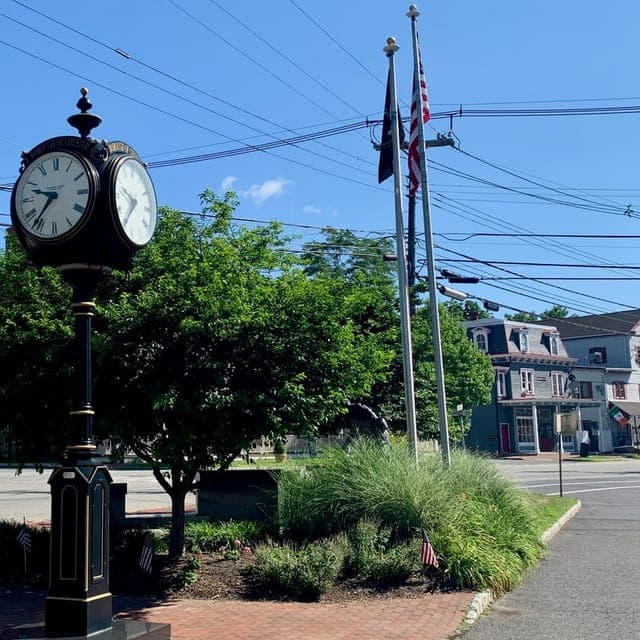
Similar small towns to Ho-Ho-Kus
* Values derived from national, state, county, city and local statistics and may differ in a specific area. Last updated: 2026-11-09T05:52:53.000Z
Narrative content on this page is AI-generated and may contain mistakes. Verify any details that matter before acting on them.
ReloMaps may earn a commission from affiliate links at no extra cost to you.

